How to Get a Car Towed: Step-by-Step Guide (2026 Costs)
[Insert Affiliate Disclosure reusable block here]
Getting a car towed means calling roadside assistance, AAA, or a local tow company, then sharing your location and vehicle details — flatbed towing is safest for AWD/4WD vehicles. A standard local tow now averages $109 to $350, and the wrong tow method can damage a modern drivetrain. This guide covers the exact steps to call a tow, real 2026 pricing, and how to legally remove an unwanted car from your own property.
Quick Answer
To get a car towed, call your insurance’s roadside assistance, AAA, or a local towing company, then give your exact location and vehicle details — expect $109 to $350 for a standard local tow in 2026, and ask for a flatbed if your car is AWD, 4WD, or damaged. To remove a car from your own property instead, contact your property manager, HOA, or a private-property towing company; most states require specific tow-away signage first.
When Do You Need to Get Your Car Towed?
There are several common reasons you might need to arrange for a tow. Knowing these situations ahead of time helps you decide quickly whether to call for help instead of risking a roadside repair.
- Mechanical Breakdowns: This is the most frequent reason. If your car suddenly stops working, makes alarming noises, or its warning lights flash intensely, it’s often safer to tow it than to risk further damage.
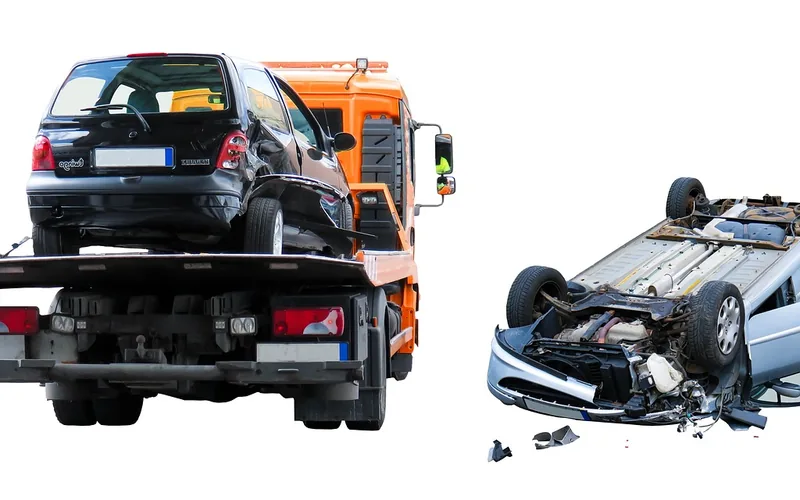
- Accidents: After a collision, even if the damage seems minor, your car might be unsafe to drive. Towing gets it to a repair shop without causing more problems on the road.
- Flat Tires (No Spare): If you have a flat tire and no usable spare, a tow truck is your best bet.
- Running Out of Fuel: Driving on an empty tank can damage your fuel pump, making towing the safer option.
- Overheating: If your temperature gauge climbs into the red zone, pull over immediately. Driving an overheating car can cause severe engine damage, so towing is essential.
- Illegal Parking/Abandoned Vehicles: Sometimes you need a car towed from your own property because it’s parked illegally or has been abandoned — this usually involves contacting local authorities or a private-property towing company.
- Battery Issues (Beyond a Jump Start): If your battery is completely dead and a jump start doesn’t work, or there is a persistent electrical problem, towing might be necessary.
How to Get a Car Towed: Step-by-Step Guide
When the unexpected happens, staying calm is key. Follow these steps to get your car towed safely and efficiently.
Step 1: Ensure Your Safety First
Your well-being and the safety of others on the road come first. If your car breaks down on the side of the road, follow these safety steps:
- Pull Over Safely: As soon as you notice a problem, signal and pull as far off the road as possible, onto the shoulder or a safe pull-off area.
- Turn on Hazard Lights: Make your vehicle visible to other drivers immediately.
- Stay in Your Vehicle (If Safe): If you’re on a busy road and can’t safely exit, it’s generally safer to stay inside your car with your seatbelt on.
- Exit Safely (If Possible): If you can exit safely, do so from the side away from traffic and stand well clear of the roadway.
- Use Reflective Triangles or Flares: If you have them, place reflective triangles or flares behind your vehicle to warn oncoming traffic, especially at night. See the National Highway Traffic Safety Administration (NHTSA) guidance on roadside safety.
📊 NHTSA recommends staying inside your vehicle with your seatbelt fastened if you cannot safely exit onto the shoulder of a busy road while waiting for a tow. — Source: National Highway Traffic Safety Administration (NHTSA), 2026
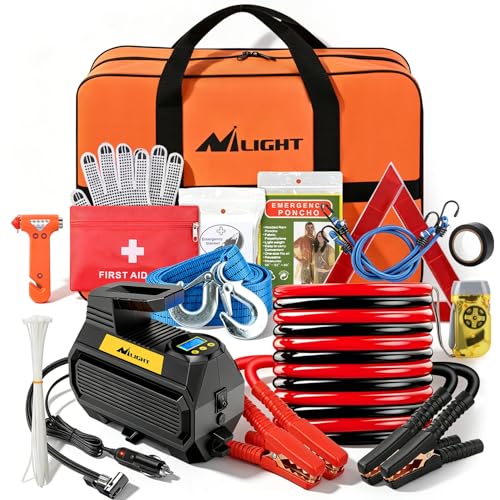
Best Roadside Emergency Kit Pick
AUTODECO Car Emergency Roadside Assistance Kit with Jumper Cables & Tire Inflator
A compact kit with jumper cables and a tire inflator so you can handle a dead battery or low tire yourself before deciding whether you actually need a tow.
- Best for: drivers who want one all-in-one kit at a low price
- Why we picked it: covers the two most common non-accident tow triggers — dead battery and flat tire
- Main drawback: tire inflator will not fix a shredded or unspared flat, which still needs a tow
Compare more roadside emergency kit options
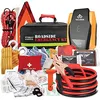 Option 1 Everlit Survival Car Emergency Kit, Roadside Safety Tool Kit
|
 Option 2 General Medi 127-Piece Roadside Car Emergency Kit with First Aid Kit
|
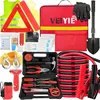 Option 3 VEIYIE Roadside Car Emergency Kit with 10FT Jumper Cables (Winter Safety Kit)
|
As an Amazon Associate we earn from qualifying purchases.
Step 2: Determine Your Location
Knowing exactly where you are is crucial for the tow truck driver to find you. Use your smartphone’s GPS, look for mile markers, street signs, or nearby landmarks. Be as precise as possible.
- Use your phone’s map app (Google Maps or Apple Maps) to get a precise GPS coordinate or street address.
- Note down any highway mile markers, exit numbers, or cross streets.
- If you’re in a parking lot, identify the name of the lot or building.
Step 3: Contact a Towing Service
Now it’s time to call for help. You have a few options:
Option A: Roadside Assistance Providers
If you have a membership with a roadside assistance program, this is usually your first and best call. These include:
- Auto Insurance Providers: Many car insurance policies include roadside assistance. Check your policy details or call your insurance company’s customer service line.
- Automotive Clubs: Organizations like AAA offer roadside assistance to members — coverage limits vary by plan tier, so check how far your AAA plan will tow a car before you assume unlimited distance.
- Vehicle Manufacturers: Some new car warranties include complimentary roadside assistance.
When you call, have your membership number and vehicle details ready.
Option B: Independent Towing Companies
If you don’t have roadside assistance, you’ll need a local towing company. You can:
- Search Online: Use your smartphone to search for “towing service near me” or “24-hour towing.”
- Ask for Recommendations: A gas station attendant or a passerby might recommend a reliable local service.
Call a couple of companies to compare prices if you have time and aren’t in an emergency. Ask for an estimated arrival time and the total cost.
Step 4: Provide Necessary Information
When you call for a tow, the dispatcher needs specific details to send the right truck and ensure a smooth process. Be ready to provide:
- Your Exact Location: As determined in Step 2.
- Your Vehicle’s Make, Model, and Color: This helps the driver identify your car.
- The Reason for Towing: Briefly explain the problem (e.g., “won’t start,” “flat tire,” “accident”).
- Your Destination: Where do you want the car towed — home, a mechanic’s shop, or a dealership? Have the address ready.
- Your Name and Contact Number: So the driver can reach you.
- Any Vehicle Issues Affecting Towing: For example, if the steering is locked or a wheel is damaged, mention it.
Step 5: Discuss Towing Costs and Payment
Towing prices vary by location, distance, and the type of truck needed. Clarify costs upfront:
- Get an Estimate: Ask for a quote over the phone — this usually includes a hookup fee plus a per-mile charge.
- Understand Additional Fees: Ask about mileage beyond a certain limit, off-road recovery, or after-hours service.
- Payment Methods: Confirm what payment methods they accept — some require cash upfront, others take cards.
- Insurance Coverage: If your insurance or roadside assistance covers towing, ask whether you pay the company directly and submit a claim, or whether they bill the provider.
Real 2026 towing costs, broken down by fee type:
| Fee Type | Typical Range | Notes |
|---|---|---|
| Hookup fee | $50 – $150 | Flat fee charged before the truck even starts driving |
| Per-mile charge | $2.50 – $7.00/mile | Total for a standard 5–10 mile local tow: $109–$350 |
| Long-distance tow (100+ miles) | $250 – $600 | Rises further with vehicle weight and equipment needed |
| After-hours / winter surcharge | +20% – 50% | Applies on top of base rate for night, weekend, or bad-weather calls |
| Specialized towing (motorcycle, AWD/4WD) | $100 – $250 | May require a flatbed or specific rigging |
Step 6: Prepare Your Vehicle and Yourself
While you wait for the tow truck, take a few minutes to prepare your car and yourself:
- Lock Your Car: Unless the driver needs to access something inside, lock your vehicle.
- Remove Valuables: Take important belongings, electronics, or documents with you.
- Be Ready to Go: If you’re not already off the road, be ready to move to a safe location.
- Gather Vehicle Documents: Keep your registration and insurance information handy, just in case.
- Note the Damage: If it was an accident, photograph the damage for insurance purposes before the tow.
Step 7: Meet the Tow Truck Driver
When the tow truck arrives, here’s what to expect:
- Confirm Identity: Ensure the truck matches the company you called.
- Review Paperwork: Check the work order or invoice for accuracy on location, destination, and agreed charges.
- Point Out Vehicle Issues: Show the driver any specific damage or points of concern.
- Sign the Paperwork: Once satisfied, sign the necessary documents.
- Payment: Make your payment as arranged.
- Arrange Your Ride: If you’re not riding with your car, arrange your own transportation — some companies allow one passenger, so confirm beforehand.
Step 8: Track Your Vehicle (If Possible)
Some modern towing services offer tracking so you can watch your vehicle’s progress to its destination. It’s not standard, but it’s worth asking about.
How to Get a Car Towed From Your Property
Sometimes the issue isn’t a breakdown on the road but a vehicle that needs to be removed from your private property — an abandoned car, an illegally parked vehicle, or a car you simply no longer want.
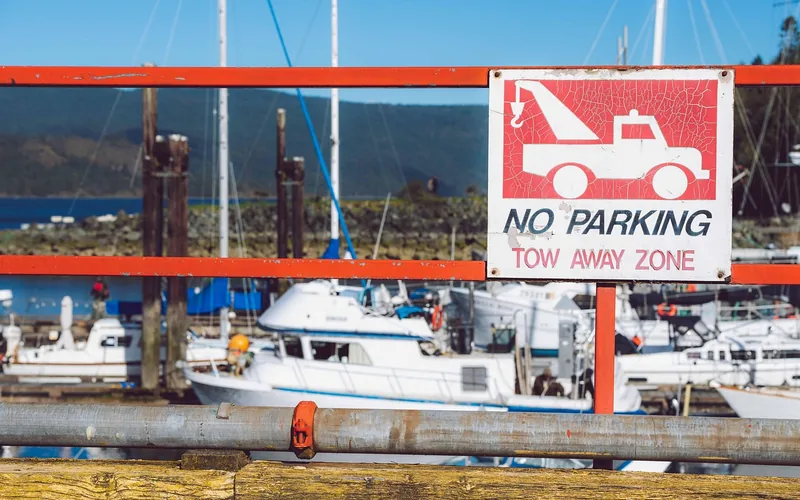
Scenario 1: Illegally Parked Vehicle on Your Property
If a car is parked in your driveway or private parking space without permission, you generally have the right to have it removed. The process usually involves:
- Verify Ownership/Authorization: Confirm you’re the property owner or an authorized manager before requesting the tow.
- Identify Vehicle Information: Note the license plate, make, model, and color of the vehicle.
- Contact Local Authorities or Towing Company: For apartment/HOA lots, contact your property management, homeowners association, or the police non-emergency line — they often have a towing company on contract. For a private driveway, call a towing company that specializes in private-property removal directly.
- Provide Necessary Details: Explain that the vehicle is illegally parked on your private property.
- Most states require specific signage before a private tow is legal — typically a posted “No Parking” or “Tow-Away Zone” sign at each entrance listing the towing company’s name and phone number. Requirements vary by state (size and wording differ), so check your local ordinances first; skipping this step can make the tow unlawful and leave you liable for towing fees.
- Documentation: Keep records of your calls and any communication about the tow.
If your situation is specifically an apartment complex or rented unit, see our dedicated walkthrough on how to get a car towed from an apartment complex, which covers lease-specific authorization and property-manager steps in more detail.
Scenario 2: Removing an Abandoned Vehicle
If a vehicle has been left on your property for an extended period and appears abandoned — flat tires, expired tags, visible disrepair — the process can be more involved:
- Attempt to Identify Owner: If possible, try to find out who owns the vehicle.
- Report to Authorities: Contact your local police or sheriff’s office — many have an abandoned vehicle division and may attempt to contact the registered owner.
- Research Local Ordinances: Rules for declaring a vehicle abandoned and authorizing removal vary by municipality and can take time — a vehicle may need to sit derelict for a set number of days first.
- Work with Authorized Towing Services: Once authorities give the go-ahead, use a towing company authorized by the city or county to handle abandoned vehicles.
- Costs: Depending on local laws, towing and disposal costs may initially fall on the property owner, with the goal of recovering costs from the vehicle’s owner if found; junking the vehicle can sometimes cover the towing fee.
Scenario 3: Towing a Vehicle You Own (e.g., for Sale or Disposal)
If you need to move your own car from your property to a new location, a junkyard, or for sale, you’ll book a standard tow:
- Contact a Towing Company: Call a reputable towing service.
- Provide Details: State your pickup address, your car’s details, and the destination address.
- Arrange Payment: Discuss fees and payment methods.
- Be Present: Be available to unlock the vehicle if necessary and to sign any paperwork.
Types of Tow Trucks
Understanding the different types of tow trucks helps you know what to expect and what’s best for your vehicle:
| Tow Truck Type | Description | Best For |
|---|---|---|
| Flatbed Tow Truck (Rollback) | Bed hydraulically tilts and rolls back so vehicles can be driven or winched onto it. | Most vehicles, including SUVs, motorcycles, collectibles, and damaged vehicles. Prevents mileage and wear on tires and drivetrain — ideal for AWD/4WD. |
| Hook and Chain Truck (Conventional) | Uses heavy chains or cables looped around the frame or axle to lift and tow. | Older vehicles with robust frames. Not recommended for modern cars, especially low-clearance or AWD models, since it can cause damage. |
| Wheel-Lift Truck (Under-Reach) | A metal yoke fits under the front or rear wheels, lifting them off the ground. | Most vehicles, though the lifted axle wears faster. Often quicker than a flatbed for short distances. |
| Heavy-Duty Tow Truck | Larger, more powerful trucks for large vehicles. | RVs, buses, semi-trucks, and commercial vehicles. |
For most modern passenger vehicles, especially AWD or 4WD models, a flatbed tow truck is the safest and most recommended option to prevent drivetrain damage. Confirm this with dispatch when you book.
Tips for a Smooth Towing Experience
A few extra tips to make your towing experience less stressful:
- Be Patient: Tow trucks can be delayed by traffic, weather, or other jobs.
- Keep Your Phone Charged: You’ll need it to call for help and communicate with the driver.
- Know Your Vehicle’s Drivetrain: If you have AWD or 4WD, tell the tow company so they use a flatbed or engage the correct towing mode — skipping this can cause significant damage.
- Check Towing Capacity: If you’re towing another vehicle or a trailer yourself with a set of car towing ropes for a short, low-speed distance, confirm the vehicle and rope are rated for it — for anything beyond a few hundred feet, call a professional tow instead.
- Document Everything: Photograph your car before and after towing if it’s involved in an accident or you suspect damage.
- Keep Roadside Assistance Details Handy: Store your membership number and contact info in your phone or glove compartment.
Dealing with Towing Scams
Unfortunately, some operators take advantage of people in vulnerable situations. Watch for these common towing scams:
- Fake Tow Truck Companies: Scammers may pose as legitimate drivers or company employees. Always confirm the company name and driver’s identity.
- Inflated Pricing: Charging far more than quoted or adding hidden fees. Get a written estimate when possible and ask for a detailed invoice.
- Holding Your Car Hostage: Demanding excessive payment before releasing your vehicle, especially after an alleged violation.
- Unnecessary Damage: Some operators damage a vehicle before towing it, then claim the damage was pre-existing.
📊 Predatory towing claims rose nationwide between 2022 and 2024, according to insurance-fraud investigators — a trend that makes confirming a company’s name and getting a written quote before the hookup more important than ever. Source: National Insurance Crime Bureau (NICB), 2026
To protect yourself:
- Use reputable towing services recommended by your insurance, auto club, or a trusted source.
- Get quotes from multiple providers when possible.
- Never authorize a tow from someone who approaches you unsolicited at the roadside.
- If you suspect foul play, contact your state consumer protection agency or the Federal Trade Commission (FTC).
FAQ: Your Towing Questions Answered
How much does it typically cost to get a car towed?
A standard local tow (5 to 10 miles) averages $109 to $350 in 2026, made up of a $50-$150 hookup fee plus $2.50-$7.00 per mile. Long-distance tows over 100 miles typically run $250-$600, and after-hours or winter tows can add 20-50% to the base rate. Always get a quote before the truck arrives.
How long does it usually take for a tow truck to arrive?
This varies by location, company availability, traffic, and weather. In busy areas it is often 30-60 minutes, while remote locations or peak times can push that to 1-2 hours or longer. The dispatcher should give you an estimated arrival time (ETA) when you call.
Do I need to be present when my car is towed from my property if it’s illegally parked?
Typically yes, especially for a private tow you are authorizing directly — you will likely need to sign paperwork and arrange payment. For municipal towing of illegally parked cars through your city or HOA, the process can differ; confirm with local authorities or the towing company before assuming you must be there.
Can I ride in the tow truck with my car?
It depends on the company’s policy and insurance. Many towing companies do not allow passengers for safety and liability reasons. Always ask the dispatcher or driver when you book the tow — if riding along is not allowed, arrange separate transportation in advance.
What information should I have ready before calling for a tow?
Have your exact location, your vehicle’s make, model, and color, the reason you need a tow, your destination address, and your name and contact number ready. If you belong to a roadside assistance program, have your membership number on hand too — it speeds up dispatch significantly.
Is my car covered by insurance if it needs to be towed?
Many auto insurance policies offer optional roadside assistance coverage that includes towing, and some policies cover towing tied to a covered incident like an accident. Check your specific policy details or call your insurance provider to confirm your coverage limits and deductible before you assume a tow is free.
What’s the difference between hook and chain towing and flatbed towing?
Hook and chain towing lifts your car by its frame or axle using cables, which can cause wear or damage on modern vehicles. Flatbed towing loads your entire car onto a hydraulic platform, preventing mileage and drivetrain wear — it’s the recommended method for most vehicles, especially AWD, 4WD, or already-damaged cars.
Conclusion
Dealing with a car that needs to be towed can feel overwhelming, but following these steps helps you navigate it with confidence. Prioritize your safety, accurately share your location and vehicle details, and clarify costs before the tow begins. Whether it’s a sudden roadside breakdown or removing an unwanted vehicle from your property, being prepared — and knowing when to call a professional — gets your vehicle where it needs to go safely.
Products related to this article
Sponsored / affiliate links. As an Amazon Associate I earn from qualifying purchases. I may earn additional commission from eligible campaigns.