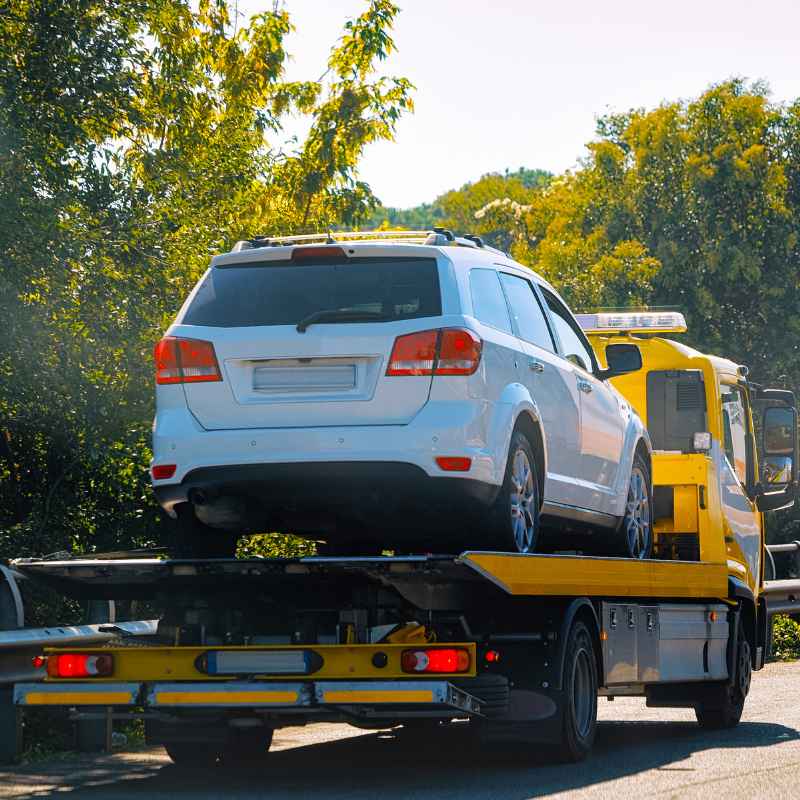
How to Get a Car Towed From an Apartment Complex Fast
Having a car towed from an apartment complex requires a clear understanding of property rights and local laws. Whether you are a property manager dealing with an abandoned vehicle or a tenant whose spot is blocked, the process must be legal to avoid liability.
This guide covers the fastest, most legitimate methods to remove an unauthorized vehicle from private property.
Simply put, the fastest way to get a car towed from an apartment complex is to contact the property manager or the designated towing company. They hold the legal authority and have a pre-existing contract. Do not call a random tower, and always confirm the parking violation is clearly stated in the lease or posted signs.
Key Takeaways
- Towed from an apartment complex legally requires proper signage and explicit authorization from the property owner or manager.
- Your first call must be to the property manager or the authorized towing company listed on the complex signs.
- Never attempt to tow, boot, or move an unauthorized vehicle yourself, as this creates serious legal risk.
- Document the violation with photos and timestamps to protect against disputes or false claims.
- Understanding local ordinances and HOA rules is essential for a valid and legal tow.
What You Need to Know Before Calling a Tow Truck
Before you pick up the phone, you must understand the legal framework. Private property towing is heavily regulated. The main requirement is that the parking rules are clearly communicated through signs or lease agreements.
Complexes typically have a contract with one specific towing company. This company has exclusive rights to remove vehicles. Calling a different tower can result in legal trouble for trespassing, and the tow may be reversed by the courts.
- Signage: Signs must be posted at all entrances. They must state the towing company name, phone number, and the penalties for violation.
- Authorization: Only the property manager or an authorized agent can request a tow. A tenant can request a tow from their own spot, but the manager should usually confirm it.
- Lease Agreements: Parking rules must be in the lease. If the car belongs to a tenant, the lease dictates warnings and fines before towing.
- Local Laws: Many cities require specific sign sizes, lighting, and waiting periods before a vehicle can be towed.
| Authority Type | Can Order a Tow? | Speed | Legal Risk |
|---|---|---|---|
| Property Manager | Yes | Very Fast | Low |
| Police Officer | Limited (Safety only) | Moderate | Low |
| Tenant (Owner of spot) | Often Yes (via manager) | Fast | Moderate |
| Random Tow Truck | No | N/A | High (Illegal) |
Authorization and speed go hand in hand. The property manager is the safest route. The police only get involved if the car blocks a fire lane or is reported stolen.
Tenants should always go through management first.
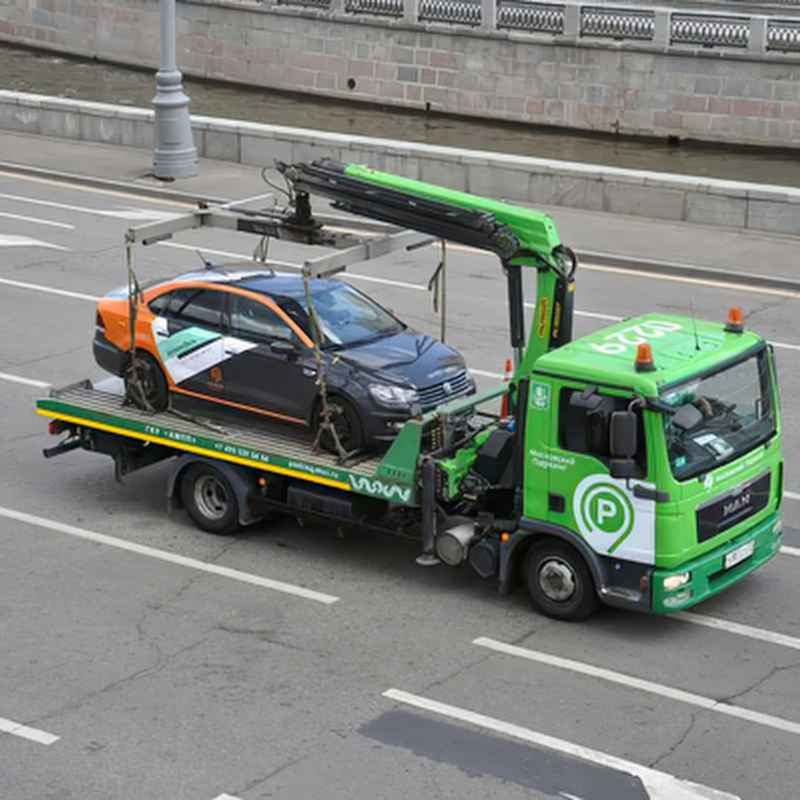
Step 1: Identify the Authorized Towing Company
Every apartment complex that enforces parking must have a sign at its entrance. This sign lists the name and phone number of the exclusive towing company contracted to work there. Find this sign before you call anyone.
If you call a company that is not on the sign, they cannot legally enter the property. If they do, the property manager can have them cited for trespassing. The authorized company pays the complex a fee or gives a commission for the exclusive rights.
Tip: Take a photo of the towing sign. If there is a dispute later, you have proof that the required information was visible.
The authorized tower has a “patrol” agreement. They regularly drive through the complex checking for violations. If you report a car, they often arrive within 15 to 30 minutes.
This is the fastest way to get a car removed from the property.
Step 2: Contact the Property Manager or Landlord
The property manager is the gatekeeper for towing authorization. They hold the authority to sign the tow release. Without their signature or verbal confirmation, the towing company cannot legally hook up the vehicle.
If you are a tenant, do not call the towing company directly yourself unless your lease explicitly allows it. Instead, call the manager or the 24/7 maintenance line. Explain that a car is in your spot, blocking a walkway, or parked illegally.
Important: Property managers must authorize the tow. Calling a random towing company without authorization can backfire. The owner of the towed car can sue the complex and the tower for illegal impound.
Many property managers have a standard process. They may ask for the license plate, the make and model of the car, and the specific violation. Once they confirm it meets the criteria, they call the tower and give the go-ahead.
This whole call usually takes less than 5 minutes.
Step 3: Verify the Violation and Signage
Before the tow truck arrives, double-check that the car is actually in violation. Towing laws are strict. If the car is parked legally but the manager tows it anyway, the complex pays the fees.
Common valid violations include parking in a reserved spot without a permit, blocking a fire lane, or having expired tags beyond the grace period.
Signage is the key legal defense. If the signs are not visible, the tow can be contested. According to industry standards, signs must be posted at every entrance and be readable from 50 feet away.
| Violation Type | Valid for Tow? | Signage Required? | Typical Wait Time |
|---|---|---|---|
| No Parking Permit | Yes | Yes | Immediate |
| Blocking Fire Lane | Yes (Police also) | Yes | Immediate |
| Expired Tags | Often Yes | Yes | 24-48 Hours |
| Abandoned Vehicle | Yes | Yes | 72 Hours+ |
| Guest Without Pass | Yes | Yes | Immediate |
If the car is parked in a valid spot but has expired tags, some cities require a 24-hour notice be placed on the car before a tow. Blocking a fire lane, however, is an immediate tow situation. Know the specific rule to avoid wasting time.
Step 4: Document Everything
Photos and notes are your protection. If the car owner claims the tow was illegal, the burden of proof often falls on the person who requested the tow. A clear photo of the car in the violation position is critical.
Take photos of the license plate, the car’s position relative to signs, and the signage itself. If there are no signs within sight, the tow might be illegal. Also note the date and time on your phone.
- License Plate: Clear shot of the rear and front plates.
- Signage: A photo showing the car and the sign in the same frame.
- Violation: If blocking a spot, get the lines in the shot. If no permit, get a shot of the dashboard where the permit should be.
- Timestamps: Use a time-stamp app or note the time from your phone.
- Witnesses: If other tenants also have issues with the car, get their contact info.
Tip: Send the photos to the property manager before the tow truck arrives. It speeds up their authorization process.
Documentation also helps the towing company. They often require a written record of the violation to include in their impound paperwork. This protects them from liability and ensures the process holds up in small claims court if challenged.
Step 5: Execute the Tow (Legally)
The towing company handles the physical removal. The property manager gives the authorization code or signs the release form. The tower then hooks the vehicle and moves it to their impound lot.
You should not touch the car. Do not put chalk on the tires, put notes on the windshield, or attempt to block the car in. Doing so can be considered harassment or illegal detention of the vehicle.
Warning: Never attempt to tow or boot a vehicle yourself. Only licensed and bonded towing companies can legally secure a vehicle. Doing it yourself can result in criminal charges for theft or conversion.
Once the tow truck leaves, the process is complete for you. The owner of the towed car must contact the complex or the towing company to retrieve their vehicle. They will have to pay impound fees and any fines associated with the parking violation.
What Happens After the Car is Towed?
The car is taken to a secure impound lot. The towing company will notify the local police, especially if the car is considered abandoned. The vehicle owner must show proof of ownership, valid ID, and pay the fees to release it.
Storage fees accrue daily. According to industry averages, these fees range from $20 to $50 per day. This creates a strong incentive for the owner to retrieve their car quickly.
If the car remains unclaimed for 30 days, the towing company may file for a lien and auction it.
- Owner calls the complex or checks the police records to find out where the car is.
- Owner goes to the impound lot with proof of ownership.
- Owner pays the towing fee (usually $150 to $300) plus any storage fees.
- Owner retrieves the vehicle.
- Owner can contest the tow in small claims court if they believe it was done illegally.
If you are the property manager, keep records of the authorization. If the owner complains, you can provide the evidence of the violation and the authorization. Most disputes are resolved at this stage due to good documentation.
Common Mistakes to Avoid When Dealing With Unauthorized Vehicles
Many people rush into towing without understanding the rules. This leads to lawsuits, fines, and bad blood with neighbors. Avoid these common pitfalls to keep the process smooth and legal.
- Calling the police for non-emergency parking. Police do not handle private property parking disputes. They will only tow if the car is stolen or blocking a fire lane. Calling them usually wastes 30 minutes.
- Confronting the car owner. Do not knock on the door of the car owner. This can lead to arguments, threats, or worse. Let the property manager and the tower handle the interaction.
- Having a car towed that belongs to a tenant in good standing. If the car has a valid permit but is slightly over the line, towing it can violate the lease. Most leases require a warning first for non-serious violations.
- Forgetting to check HOA rules. Some HOAs have strict rules about which lots can tow and when. If the HOA has not approved the contract, the tow might be invalid.
- Assuming a car is abandoned. An “abandoned” car usually has to be stationary for 72 hours to 7 days, depending on local law. Towing a car that is just parked for the weekend can backfire.
Patience and following the chain of command almost always works. If the car is blocking access or in a reserved spot, the process is fast. If it is just ugly or parked badly, it may take a few days of documentation to get it legally removed.
Frequently Asked Questions
Can I have a car towed from my assigned parking spot?
Yes, if the car is parked in a spot assigned to you in your lease. You must contact the property manager or the authorized towing company. Provide proof of your assignment, such as a lease agreement or parking permit.
How long does a car have to be parked to be considered abandoned?
Most cities define an abandoned vehicle as one that has not moved for 72 hours to 7 days. Check your local municipal code. The property manager usually places a notice on the car before calling the tow company for abandoned vehicles.
What if there is no towing sign in the complex?
Without proper signage, you cannot legally tow a vehicle from an apartment complex. The lack of a sign removes the owner’s notice of the rules. You must first have the property manager install proper signage or provide a written warning to the tenant.
Who pays for the tow if the wrong car is towed?
The property manager and the towing company are liable for the costs. If the wrong car is towed due to an error by the manager or the tower, they must pay the impound fees and return the car. This is why documentation is so important before the tow.
Can I get a car towed for expired registration?
Yes, but only if the parking rules explicitly state that expired registration is a violation. Many leases require current tags. However, some cities require a 24-hour notice on the windshield before towing for expired tags.
Always check the specific lease language.
Final Thoughts
Getting a car towed from an apartment complex is a legal process that requires patience and clear steps. Always start with the property manager and the authorized towing company listed on the signs. Document every step to protect yourself from liability.
By following these steps, you can resolve parking issues fast and legally.
Sponsored / affiliate links. As an Amazon Associate I earn from qualifying purchases. I may earn additional commission from eligible campaigns.
Products related to this article
![iPhone Car Charger,USB C Fast Car Charger[Apple MFi Certified] Apple Car Charging 38W Dual Port CarCharger Cigarette Lighter Adapter 2x3ft PD&QC 3.0 Lightning Cable for iPhone 14/13/12 Pro/11/Airpods](https://m.media-amazon.com/images/I/41XizrssoiL._SL500_.jpg)