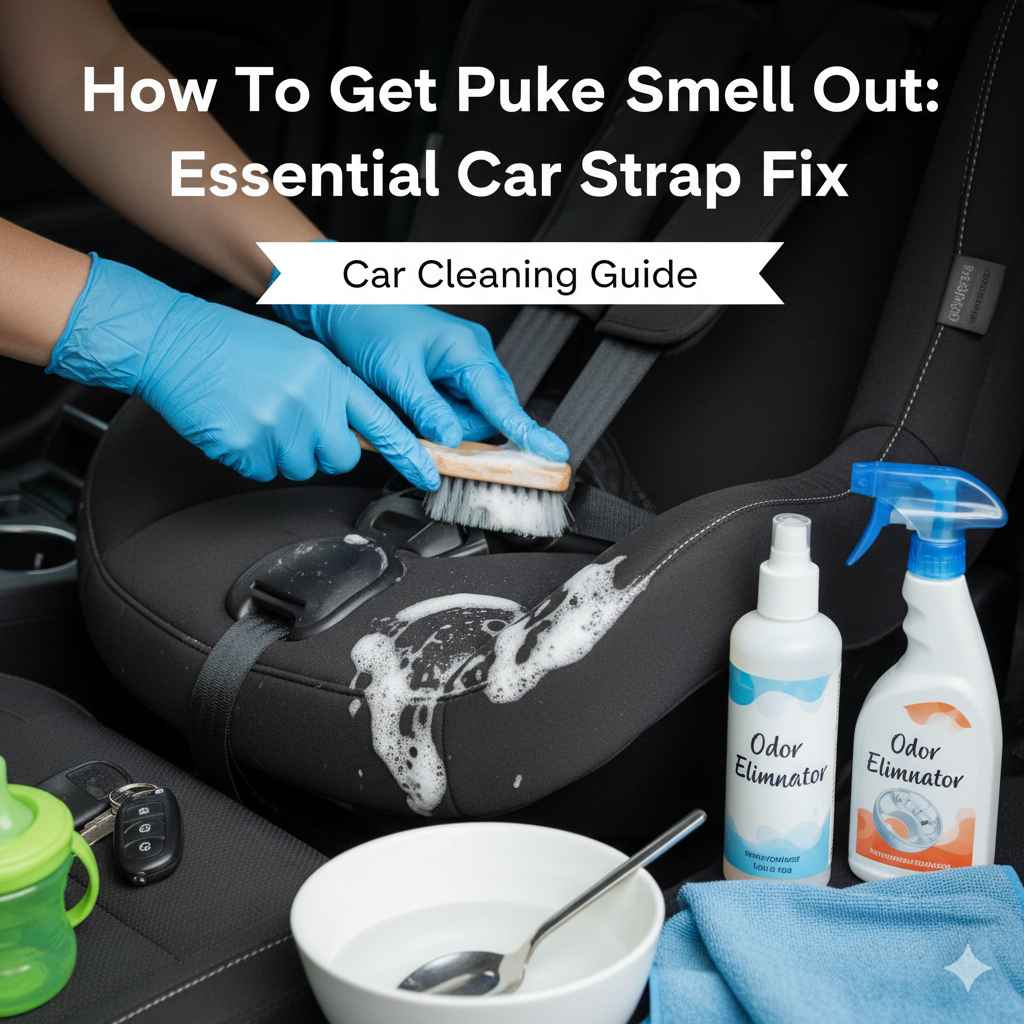
How To Get Puke Smell Out: Essential Car Strap Fix
To effectively get puke smell out of car seat straps, thoroughly clean with an enzymatic cleaner, ensuring it saturates the fabric. Rinse and dry completely, using baking soda for persistent odors. Regular cleaning and prevention are key to maintaining a fresh-smelling car.
Accidents happen, and sometimes they happen in the car. When those unpleasant surprises involve your car’s seat strap fabric, the lingering puke smell can be a real challenge. It’s more than just an embarrassing issue; it can make rides uncomfortable for everyone. But don’t worry! As your automotive guide, I’m here to tell you that tackling this stinky problem is totally doable, even if you’re new to car care. We’ll walk through simple, effective steps to banish that odor and restore freshness to your car’s interior. Get ready to feel more confident, knowing you can handle this common car woe.
The Nitty-Gritty on Car Seat Strap Smells
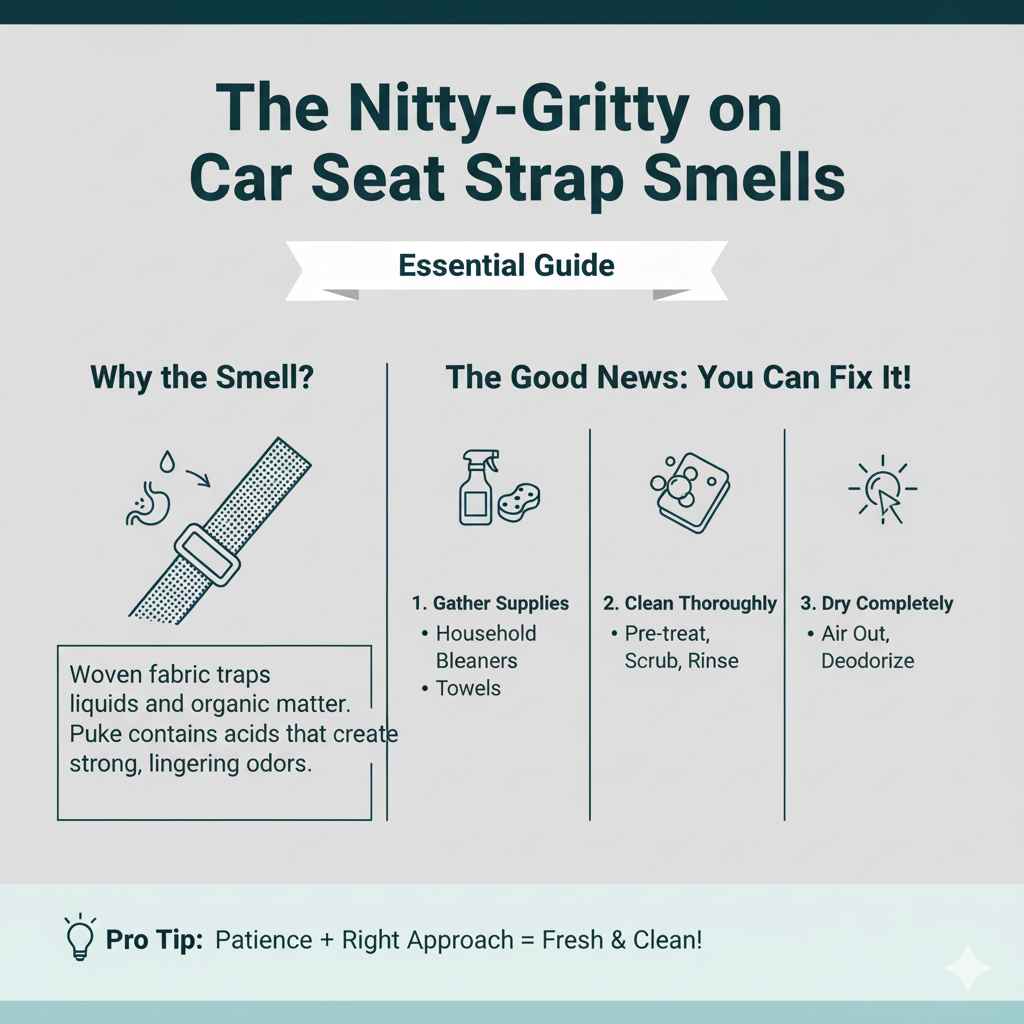
Car seat straps are made of tough, woven materials designed for safety, which unfortunately means they can absorb liquids and odors very easily. Unlike a smooth plastic surface, fabric fibers trap substances, making them hard to remove. Puke, in particular, contains stomach acids and organic matter that break down and create pungent smells if not dealt with promptly and properly. For parents, this is a familiar, though unwelcome, part of life with young children. For anyone who has experienced a car motion sickness incident, it’s a situation you’d rather forget, but the smell might just remind you.
The good news is that with the right approach and a few household cleaning supplies, you can effectively neutralize these unpleasant odors. We’ll break down the process into easy-to-follow steps. You won’t need any fancy auto detailing equipment, just a little patience and the right cleaning agents.
Why Enzymatic Cleaners Are Your Best Friend
When dealing with organic stains and odors like vomit, standard cleaners often fall short. They might mask the smell temporarily, but the odor-causing bacteria are still present, ready to resurface. This is where enzymatic cleaners shine. These special cleaners contain enzymes that are specifically formulated to break down and digest organic matter. When the enzymes come into contact with the source of the odor (the lingering organic breakdown products of vomit), they essentially “eat” it, eliminating the smell at its source rather than just covering it up.
Think of it like this: A regular cleaner might just wipe away the visible evidence. An enzymatic cleaner goes deeper, breaking down the molecules that are actually causing the smell, making it a far more effective solution for persistent odors. You can find these at most pet stores, online retailers, and even some supermarkets. Look for products specifically designed for pet stains and odors, as these are usually excellent for tackling similar issues in your car.
Step-by-Step Guide: How to Get Puke Smell out of Car Seat Straps
Let’s get down to business. Follow these steps carefully to tackle that puke smell on your car seat straps and get your interior smelling fresh again. Safety first: always ensure good ventilation in your car when using cleaning products, and consider wearing gloves.
Step 1: Immediate Action & Initial Cleanup
The sooner you act, the easier the cleanup will be. If the accident has just happened:
- Carefully remove as much of the solid matter as possible using paper towels or a clean cloth. Try not to spread the mess further.
- Blot the area gently. Avoid rubbing, as this can push the mess deeper into the strap fibers.
Step 2: Prepare Your Cleaning Solution
You have a few options here, with enzymatic cleaners being the most recommended:
- Enzymatic Cleaner (Recommended): Purchase a reputable enzymatic cleaner. Follow the product’s instructions for dilution if necessary, but many are ready to use straight from the bottle.
- DIY Vinegar Solution: If you don’t have an enzymatic cleaner on hand, a mixture of equal parts white vinegar and water can help neutralize odors. Vinegar is acidic and can break down some odor-causing compounds.
- DIY Baking Soda Paste: For targeted stain lifting and odor absorption, a paste of baking soda and water can be effective.
Step 3: Applying the Cleaner
This is a crucial step. The cleaner needs to penetrate the fabric to work effectively.
- For Enzymatic Cleaners: Lightly spray or pour the enzymatic cleaner directly onto the affected strap area. You want the fabric to be thoroughly damp, but not soaking wet to the point of dripping excessively. The enzymes need time to work, so let the cleaner sit on the strap for the duration recommended on the product label (often 10-15 minutes, sometimes longer).
- For Vinegar Solution: Spray the vinegar-water solution onto the straps, ensuring they are damp. Let it sit for about 10 minutes.
- For Baking Soda Paste: Apply the paste to the stained or smelly area. Let it dry completely.
Important Note: Avoid saturating the buckle mechanisms or any electronic components linked to the seatbelt system. Focus only on the fabric webbing of the strap itself.
Step 4: Blotting and Rinsing
After the cleaner has had time to work:
- Use a clean, damp cloth to blot the area. This helps lift the loosened residue and odor-causing particles.
- If you used a vinegar solution or a heavy application of enzymatic cleaner, you might want to rinse the area gently. You can do this by lightly misting the area with clean water from a spray bottle and then blotting thoroughly with a dry cloth. The goal is to remove cleaner residue without leaving the fabric saturated.
Step 5: Drying Thoroughly
This step is absolutely critical to prevent mold or mildew and to ensure the smell doesn’t return.
- Blot the straps with clean, dry towels or microfiber cloths. Press firmly to absorb as much moisture as possible.
- Leave the car doors open in a well-ventilated area (if weather permits) to allow the straps to air dry completely. A fan can also help speed up the process.
- Never use heat, like a hairdryer on a hot setting, as this can damage the fabric or even melt synthetic fibers.
Step 6: Odor Elimination Check and Repeat (If Necessary)
Once the straps are completely dry, give them a good sniff test.
- If the smell is gone, congratulations!
- If a faint odor still lingers, repeat the cleaning process, paying extra attention to allowing the enzymatic cleaner to dwell for the recommended time. Sometimes, stubborn odors require a second treatment.
Step 7: Deodorizing with Baking Soda (For Stubborn Smells)
If the smell persists even after a second cleaning, baking soda is a fantastic natural deodorizer.
- Once the straps are dry, sprinkle a generous amount of dry baking soda directly onto the fabric.
- Let it sit for several hours, or even overnight. Baking soda absorbs and neutralizes odors effectively.
- After it has sat, vacuum the baking soda off thoroughly. You can use a car vacuum or an upholstery attachment on a household vacuum.
Tools and Supplies You’ll Need
Gathering the right supplies before you start will make the process smoother and more efficient. Here’s a basic checklist:
| Item | Purpose | Notes |
|---|---|---|
| Enzymatic Cleaner | Breaks down organic matter causing odor. | Look for pet stain removers; highly effective. |
| Clean Paper Towels | Initial cleanup of solids. | Essential for immediate response. |
| Clean Microfiber Cloths or Towels | Blotting, rinsing, and drying. | Have several on hand. |
| Spray Bottle(s) | For applying cleaning solutions and rinse water. | Use one for cleaner, one for water if needed. |
| Gloves (Optional but Recommended) | To protect your hands from cleaning solutions and odors. | Disposable ones work well. |
| Baking Soda | Natural deodorizer for persistent smells. | Standard household baking soda. |
| Vacuum Cleaner with Upholstery/Crevice Attachment | To remove dried baking soda. | Essential for thorough aftermath cleaning. |
| White Vinegar (Optional) | DIY odor neutralizer. | Use in a 1:1 ratio with water. |
Preventative Measures for a Fresher Car
Dealing with the smell is one thing, but preventing it from happening again is even better. Here are some tips to keep your car smelling fresh:
- Keep Cleaning Wipes Handy: Stash some automotive-specific cleaning wipes or a small bottle of enzyme cleaner and a few cloths in your glove compartment for quick cleanups.
- Use Seat Protectors: If you have young children, consider using waterproof seat covers or liners, especially for car seats. These can catch spills before they reach the car’s upholstery or straps.
- Car Sickness Preparedness: For passengers prone to motion sickness, have a motion sickness bag readily available. Encourage them to look out the window and avoid reading. Ensure they have fresh air.
- Regular Detailing: Even without accidents, regular vacuuming and spot cleaning of your car’s interior can prevent odors from building up over time. For a deep clean, consider visiting a local car wash or detailing service periodically.
- Air Fresheners (Use Wisely): While not a solution for active odors, good ventilation and occasional use of a mild, natural air freshener can help maintain a pleasant scent. Avoid heavily perfumed ones that might just mask underlying issues.
Understanding Car Seat Strap Construction and Safety
It’s important to know that car seat straps (seatbelts) are a critical safety feature. They are made from strong, woven polyester or nylon designed to stretch slightly during an impact, absorbing energy and restraining the occupant. Because of their critical role in safety, it’s crucial that any cleaning method you use does not compromise the integrity of the straps.
Manufacturers generally advise against harsh chemicals or excessive washing that could weaken the fibers. This is why using pH-neutral or mild cleaning solutions like enzymatic cleaners or a diluted vinegar solution is recommended. Harsh solvents, bleach, or abrasive scrubbing can damage the material, making it less effective in an accident. Always refer to your vehicle’s owner’s manual for specific cleaning recommendations for your seatbelts. For instance, many manuals suggest not allowing the seatbelt webbing to retract if it is heavily soaked with cleaning solution, as this could clog the retractor mechanism. Instead, they recommend letting the belt extend fully and lock it in place while cleaning and drying.
To understand common cleaning recommendations for automotive interiors, you can consult resources from reputable automotive organizations. For example, the National Highway Traffic Safety Administration (NHTSA) provides extensive information on car seat safety and maintenance, which can indirectly guide best practices for cleaning related components. While NHTSA doesn’t detail specific puke removal, their emphasis on material integrity and proper function is vital when choosing cleaning methods.
When to Call a Professional
While most puke smell issues on car seat straps can be handled with DIY methods, there are times when it might be best to seek professional help:
- Extensive Contamination: If the vomit is extensive and has saturated a large area of the strap, and your DIY attempts haven’t fully resolved it, a professional detailer has access to more powerful, specialized equipment and solutions.
- Persistent Odor: If you’ve tried multiple times with recommended methods and the smell stubbornly remains, a professional may have techniques to tackle it.
- Concern Over Safety: If you’re worried that your cleaning efforts might have compromised the strap’s integrity, a professional can inspect it and offer reassurance or recommendations.
- Delicate Interior Materials: Some luxury or older vehicles may have more sensitive interior materials that you’d prefer not to risk damaging.
Professional auto detailers use high-powered extractors and specialized cleaning agents that can often remove deeply set stains and odors more effectively than home methods. They are also trained to clean without damaging vehicle interiors.

Frequently Asked Questions (FAQ)
Q1: How quickly should I clean up car puke from straps?
A1: The sooner, the better! Immediate cleanup prevents the liquid from setting into the fabric and reduces the intensity of the odor, making the removal process much easier and more effective.
Q2: Can I use bleach to clean car seat straps?
A2: No, absolutely not. Bleach is a harsh chemical that can weaken the fabric fibers of your seatbelts, compromising their safety and potentially causing discoloration. Stick to milder, fabric-safe cleaners.
Q3: My car is new, and I’m worried about using too much liquid on the straps. What should I do?
A3: For newer cars or if you’re generally concerned about moisture, focus on blotting rather than saturating. Use a spray bottle with a fine mist for your cleaner and rinse water. Ensure the straps are well-ventilated and exposed to air until completely dry to prevent any long-term moisture damage.
Q4: How do I know if the enzymatic cleaner is working?
A4: You might not see immediate dramatic changes, as the enzymes work on a microscopic level. The best indicator is the smell. After the cleaning and drying process, the foul odor should be significantly reduced or completely gone. If you still smell it, a repeat treatment might be needed.
Q5: Can I just spray air freshener to cover the smell?
A5: While an air freshener can provide temporary relief, it won’t eliminate the source of the odor. The smell will likely return as the odor-causing bacteria continue to break down. It’s best to clean the strap thoroughly first, then use an air freshener if desired to maintain freshness.
Q6: How long does it take for car seat straps to dry after cleaning?
A6: Drying time can vary significantly depending on how much moisture was used, the humidity, and airflow. It can take anywhere from a few hours to a full day or more. Leaving car doors open in a dry environment or using a fan will speed up the process. Never put the straps away or allow them to retract if they are still damp.
Q7: What’s the difference between a regular cleaner and an enzymatic cleaner for puke smells?
A7: Regular cleaners might cover up odors or clean visible stains, but they often don’t address the organic compounds causing the smell. Enzymatic cleaners contain active enzymes that break down and digest these organic molecules, effectively destroying the odor at its source for a longer-lasting result.
Conclusion
Dealing with the unfortunate aftermath of car sickness on seat straps might seem like a daunting task, but as we’ve shown, it’s entirely manageable with the right knowledge and tools. By acting quickly, using effective cleaning agents like enzymatic cleaners, and ensuring thorough drying, you can successfully banish those stubborn puke smells. Remember, consistency is key – keeping a small cleaning kit in your car can help you tackle future incidents swiftly. Don’t let unexpected messes ruin your driving experience or your car’s interior. With these simple, practical steps, you’re well-equipped to restore freshness and confidence to your vehicle. Happy driving, and here’s to many more pleasant journeys!