How to Get Rid of a Car That Doesn’T Run: Expert Solutions
Is your driveway home to a car that doesn’t run? You might be wondering how to free up space or maybe even earn a little cash.
This situation is more common than you might think, and the good news is, you have several options to consider. Don’t let that car become a permanent fixture in your life. Whether it’s a sentimental old friend or just a heap of metal, getting rid of it doesn’t have to be a hassle.
In this guide, you’ll discover simple and effective ways to bid farewell to your non-running vehicle. From selling to recycling, we’ll explore the best strategies to ensure your car is off your hands with minimal effort. Read on to find out how you can transform this problem into a solution that works for you.

Credit: www.benimellalkhenifra.ma
Assessing The Car’s Condition
Evaluate Repair Coststo decide the car’s future. Check how much fixing will cost. Compare this with the car’s value. Sometimes, repairs cost more than the car itself. Think about the parts needed and the labor costs. Get quotes from different mechanics. This will help you see if repairs make sense.
Consider Market Valueby checking similar cars. Look online for prices. See what others are selling their cars for. This helps you know if it’s worth fixing. Sometimes, selling as-is might be a better choice. Check your car’s model, year, and condition. These factors affect its value. Decide if selling or fixing is best.
Credit: rawhide.org
Exploring Disposal Options
Old cars can be worth more in parts. Engines, transmissions, and seats may still work. People buy these parts for their own cars. Advertise online to find buyers. Local mechanics might be interested too. They often need spare parts. Selling parts can make some money. Pictures help buyers see the condition. Show clear photos of each part.
Junkyards take cars that don’t run. They pay for old metal and parts. Scrap yards recycle metal from cars. They often pay by weight. Call local yards for prices. Towing might be needed. Some yards offer free towing. Check if they do. Car title is important. Bring it when selling. It proves you own the car.
Donation As An Alternative
Donating a non-running car can be a practical option. Many charities accept vehicles, providing free towing. This choice supports good causes while eliminating the hassle of selling or scrapping.
Benefits Of Donating
Donating a non-running car can help many people. It supports charities that do good work. You might also get a tax deduction. No need to worry about selling or fixing the car. It’s a simple way to help others and yourself.
Finding Eligible Charities
Choose a charity that accepts car donations. Make sure it is a registered charity. This ensures your donation is used well. Check their reputation and reviews. It’s important to pick one that does good work. Contact them to understand the process. They will guide you on what to do.
Trading For A New Vehicle
Struggling with a non-running car? Consider trading it for a new vehicle. Many dealerships offer trade-in options, even for cars that don’t run.
Understanding Trade-in Offers
Dealerships often accept cars that don’t run as trade-ins. They may offer lower prices for such vehicles. The condition of your car impacts the trade-in value. A car that doesn’t run will generally fetch less. Repair history can help improve offers. Mileage and age also matter. Dealerships consider these factors to decide the trade-in value. It’s good to check your car’s value online before visiting a dealership. This helps you understand what to expect. Always ask for a detailed breakdown of the offer. Knowing what’s included is important.
Negotiating With Dealerships
Dealerships prefer running cars. But they still buy non-running ones. Negotiation is key. Be clear about what you want. Research similar vehicles to know their worth. Share this info during talks. Stay calm and focused. Don’t rush the process. Ask questions if unsure. Understanding terms can help you get a better deal. Always read any agreement carefully. This ensures you know what you’re agreeing to.
Utilizing Online Platforms
Selling a car that doesn’t run can be tough. Online classifiedsare a good choice. Many people look for car parts online. Create a clear ad. Include photosof the car. Describe its condition well. Mention if it has any working parts. Set a fair price. Be ready to negotiate. Respond quickly to questions. This will help sell the car faster.
Auction sites can help sell non-running cars. These sites attract many buyers. You can set a starting price. Bidders may increase it. Include detailed informationabout the car. Add clear photos. Mention any damage. Describe its current state. Stay active during the auction. Answer any questions quickly. This can help get a better price.
Environmental Considerations
Disposing of a non-running car involves eco-friendly options. Consider recycling to reduce waste and avoid harmful environmental impact. Donating the car to a charity can also be a responsible choice.
Recycling And Sustainability
Old cars can harm the environment. Recycling is a good option. It helps reduce waste. Car parts can be reused. Metal and glass are valuable materials. They can be recycled easily. Reusing car parts saves resources. It cuts down on pollution. It helps keep our planet clean.
Compliance With Regulations
Rules are important for car disposal. They protect the environment. Follow these rules to avoid fines. Regulations ensure safe recycling. They help manage waste properly. Check local laws before disposing of a car. Some areas have special rules. Always dispose of a car responsibly.
Professional Services For Removal
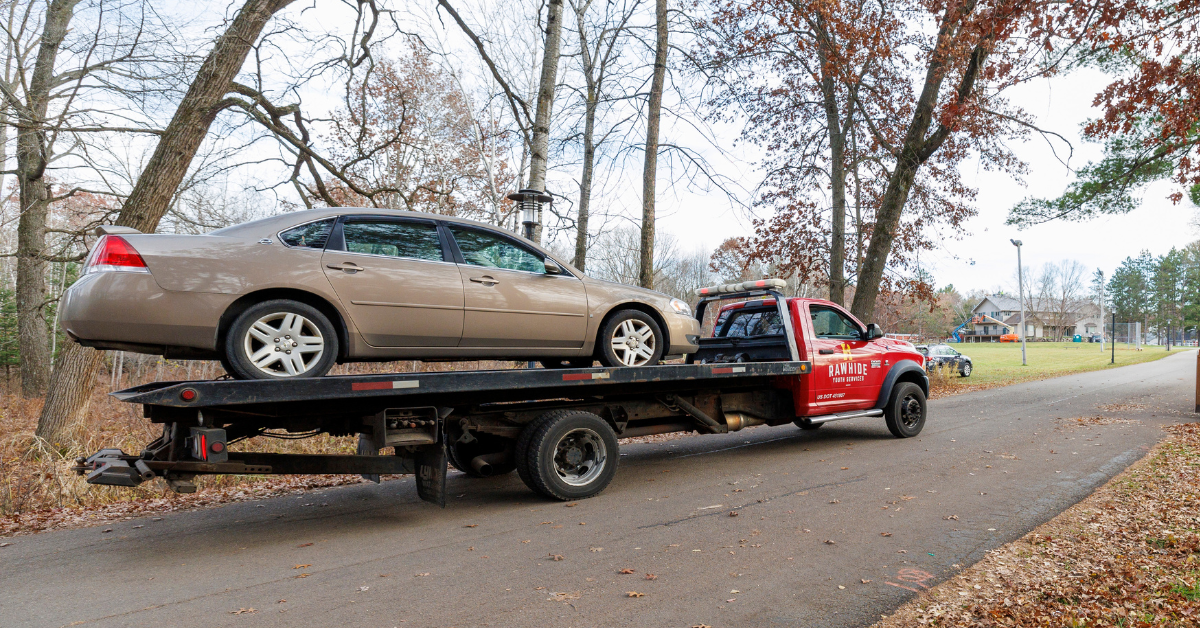
Towing companiesoffer a simple way to remove a car. They have the tools and expertise to safely move vehicles. Many companies provide fast service. Contacting them is easy. You can call or book online. Discuss the costs beforehand to avoid surprises. Some companies offer free towing for junk cars. Check if your car qualifies for this service.
Using car removal servicesis efficient. They handle everything from pick-up to disposal. Most services are quick and professional. They often pay for your car, even if it doesn’t run. This option saves time and effort. Ensure you have the car’s title ready. It helps in the selling process. Ask about their payment methods. Some pay cash, others use checks.
Credit: www.newgateschool.org
Frequently Asked Questions
How Can I Sell A Non-running Car?
Selling a non-running car is possible. You can sell it to junkyards, scrap dealers, or online platforms. Some buyers specialize in purchasing non-running vehicles for parts. Ensure you provide accurate details about the car’s condition to potential buyers.
What Are The Best Ways To Dispose Of A Junk Car?
Disposing of a junk car involves several options. Consider selling it to a scrapyard, donating it to charity, or using a car removal service. These methods ensure your car is responsibly recycled or reused. Always check for local regulations regarding vehicle disposal.
Can I Donate A Car That Doesn’t Run?
Yes, you can donate a non-running car. Many charities accept such vehicles. They often sell them for parts or scrap metal. Donating can offer you a tax deduction. Ensure you have the car’s title and necessary paperwork for a smooth donation process.
How To Scrap A Car Without A Title?
Scrapping a car without a title might be challenging. However, some scrapyards may accept it with proof of ownership. Check local laws and prepare necessary documents like a bill of sale. Contact scrapyards beforehand to confirm their requirements.
Conclusion
Getting rid of a non-running car is simpler than it seems. Explore options like selling to a junkyard or donating it. Consider recycling parts for some extra cash. Ensure you have all documents ready. This makes the process smoother. Research local laws on disposing of vehicles.
It’s important. Find the best solution that suits your needs. Don’t let the car take up space any longer. Act now and clear that space. Your yard will thank you. Make the right choice today for a clutter-free tomorrow.