How to Get Road Paint Off Your Car Safely
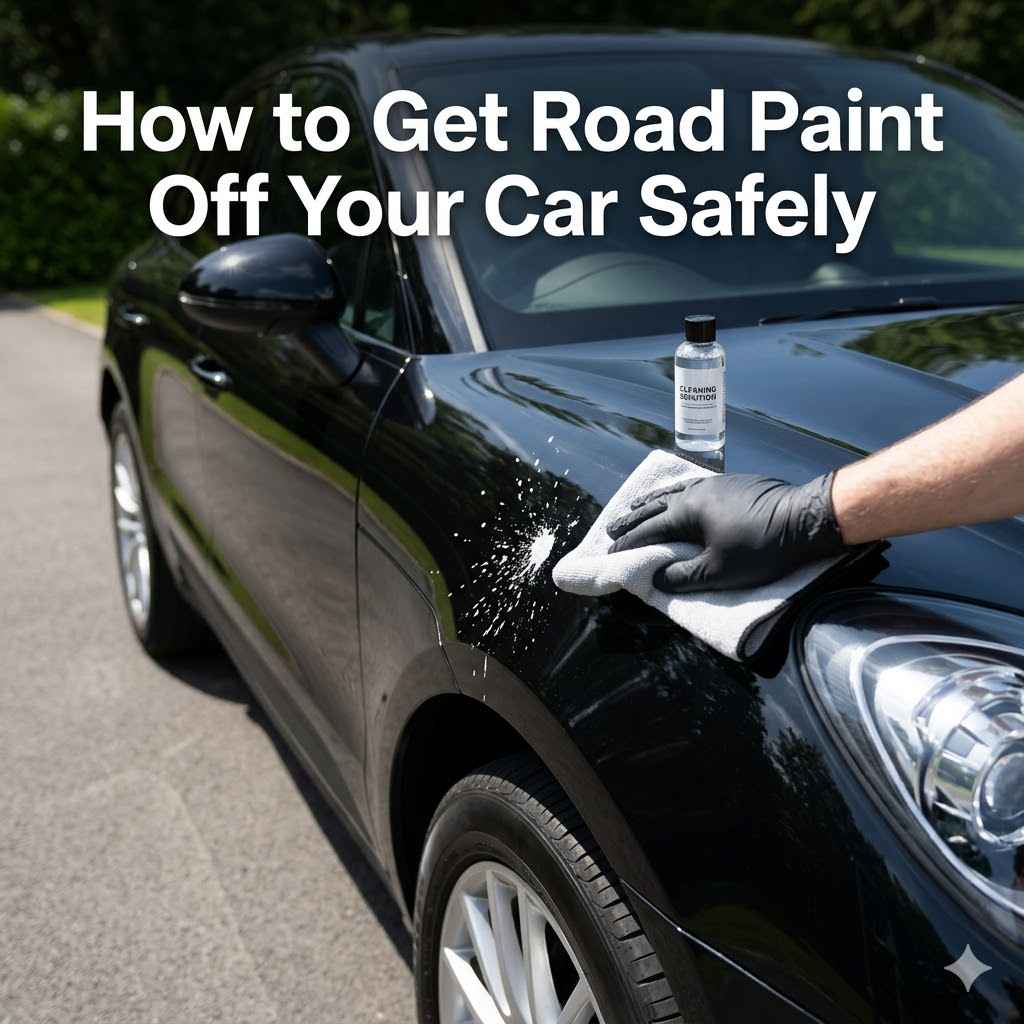
Getting road paint on your car can be a real pain. It happens to the best of us, and for someone new to car care, it might seem tricky to remove without causing more harm. But don’t worry, this is a common problem with simple solutions.
We’ll walk you through exactly how to get road paint off your car safely, step by step, so you can get your vehicle looking its best again without any stress.
Safely Removing Road Paint From Your Car
Dealing with road paint on your car can be frustrating. Whether it’s a fresh splatter or dried-on marks, you want them gone without damaging your car’s finish. This section will guide you through the best methods for safely removing road paint, ensuring your car’s paint stays protected throughout the process.
Understanding Road Paint Contamination
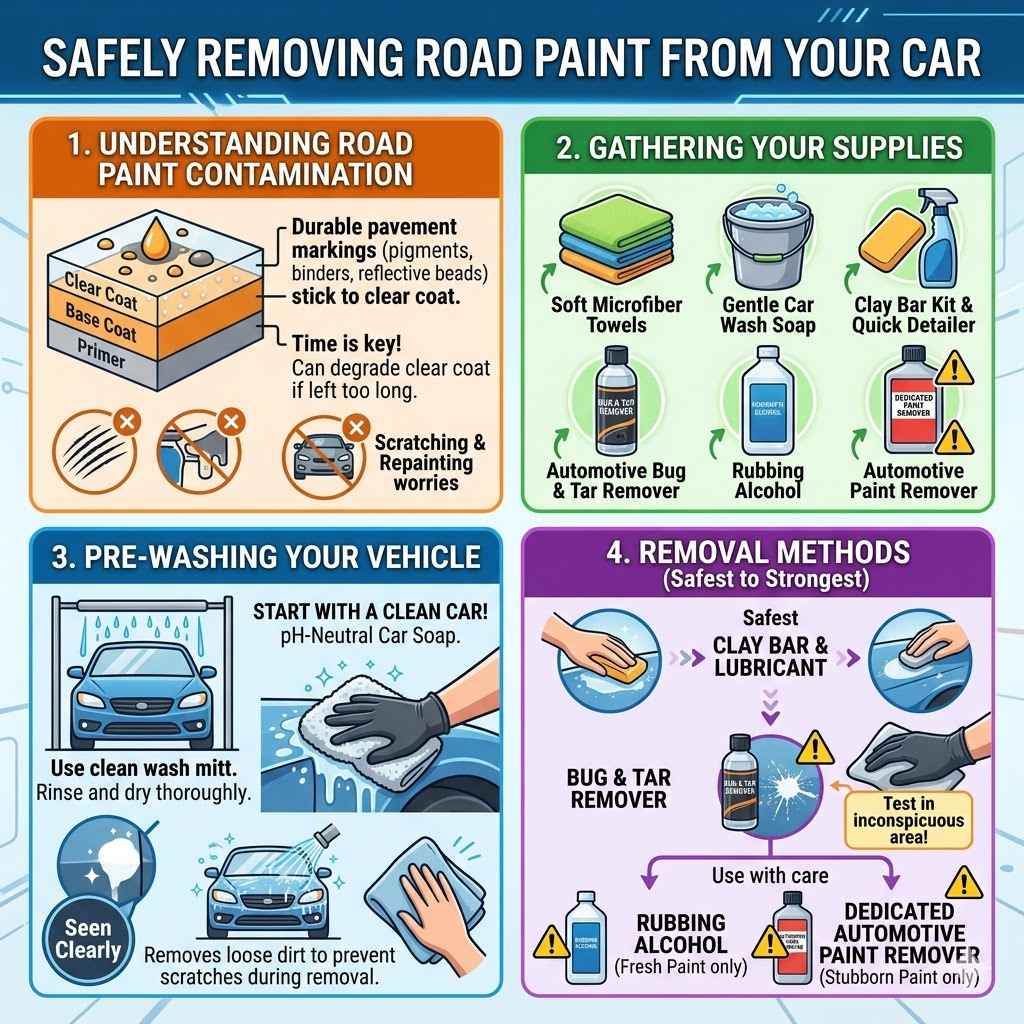
Road paint, often called thermoplastic pavement marking, is designed to be durable on roads. When it transfers to your car, it sticks to the clear coat, the protective outer layer of your car’s paint. If left too long, it can become very difficult to remove and might even start to degrade the clear coat.
This type of paint is usually water-based but dries hard and can be very adhesive. Its composition can vary, but it’s generally made of pigments, binders, and reflective beads. These components make it tough and resistant to simple washing methods.
Beginners often worry about scratching their car’s paint or removing too much clear coat, which can lead to dull spots or the need for repainting.
Knowing what you’re dealing with is the first step to a successful removal. We’ll break down the safest ways to tackle this issue, starting with the least abrasive methods. This ensures you don’t accidentally make the problem worse by using harsh chemicals or tools too early.
Gathering Your Supplies
Before you start, having the right supplies makes a big difference. You don’t need many fancy items, just a few common household and automotive products. Having everything ready means you can work efficiently and avoid interruptions.
You’ll want a few soft microfiber towels. These are essential for applying cleaning solutions and gently wiping away the paint without scratching. Avoid using old rags or paper towels, as they can be too abrasive.
Next, you’ll need a gentle car soap and a bucket of clean water. This is for washing your car before and after the paint removal process to get rid of dirt and grime.
For the actual paint removal, you have a few options. A clay bar kit designed for car paint is a great, safe choice. You’ll also need a lubricant for the clay bar, usually a quick detailer spray.
Alternatively, specific automotive bug and tar removers can be very effective, but always test them in an inconspicuous area first.
Some people find rubbing alcohol (isopropyl alcohol) works well for fresh paint. If the paint is very stubborn, a dedicated automotive paint remover might be necessary, but these are typically stronger and require more care. Always follow product instructions carefully.
Pre-Washing Your Vehicle
Starting with a clean car is crucial for any paint correction. Washing your car before attempting to remove road paint helps remove loose dirt, dust, and grime that could otherwise scratch the paint surface when you’re working on the paint spots.
Use a pH-neutral car wash soap. Mix it with water in a bucket according to the product’s instructions. Use a clean wash mitt or sponge to gently wash the entire vehicle, working from the top down.
Rinse thoroughly with clean water. Make sure all soap residue is gone. Then, gently dry the car with a clean microfiber towel.
This ensures you have a clean, smooth surface to work on, reducing the risk of causing swirl marks or scratches.
A clean surface allows you to see the paint marks clearly and apply your chosen remover directly to the affected areas. It also makes it easier to assess how well your chosen method is working. This preliminary step is often overlooked but is vital for a successful and safe outcome.
Step-By-Step Guide To Removing Road Paint
Now that you have your supplies and your car is clean, it’s time to tackle the road paint. We’ll go through the process methodically, starting with the gentlest approach and moving to more robust solutions if needed. This way, you can be sure you’re not causing any unintended damage to your car’s beautiful finish.
Method 1 The Gentle Approach Clay Bar
A clay bar is one of the safest and most effective ways to remove bonded contaminants from your car’s paint, including road paint. It works by lifting embedded particles out of the paint’s surface.
First, ensure your car is clean and dry. Spray a generous amount of clay lubricant onto the area with the road paint. This lubricant is essential to prevent the clay bar from scratching the paint.
Take a small piece of the clay bar and gently knead it until it’s pliable. Then, lightly rub the clay bar over the lubricated road paint in a back-and-forth motion. You should feel the clay bar gliding smoothly if the area is properly lubricated.
As you work, the clay bar will pick up the road paint. Fold the clay bar over on itself or knead it to expose a fresh surface. This prevents you from rubbing the removed paint back onto your car’s finish.
Continue this process until the road paint is gone. You’ll often see the road paint build up on the clay bar. Once you’ve removed all the paint, wipe the area clean with a fresh microfiber towel.
After using the clay bar, the paint might feel a bit slick. It’s a good idea to wash the area again with car soap and water and then apply a wax or sealant to protect the paint. This method is highly recommended for beginners because it’s very forgiving.
A common statistic shows that proper paint decontamination, like using a clay bar, can significantly improve the longevity of your car’s paint protection. One study indicated that cars decontaminated before waxing showed up to 20% better protection against environmental contaminants.
Method 2 Using Automotive Bug And Tar Remover
Bug and tar removers are formulated to dissolve sticky, stubborn residues that adhere to automotive paint. Road paint is a perfect candidate for these specialized cleaners.
Always start by washing and drying your car. This removes any loose debris. Then, identify the areas with road paint.
Choose a reputable automotive bug and tar remover from a known brand.
Apply a small amount of the remover to a clean microfiber towel. Do not spray it directly onto the car’s paint, as this can cause overspray. Gently dab the product onto the road paint spots.
Let the product sit for the time recommended on the label, typically 30 seconds to a couple of minutes. This allows the chemicals to break down the paint.
Gently wipe the area with the microfiber towel. You should see the road paint starting to lift away. If it doesn’t come off easily, apply a little more product and let it dwell longer, but be careful not to let it dry on the paint.
Once the paint is removed, wash the area thoroughly with car soap and water to remove any residual cleaner. Follow up with a coat of wax or sealant to re-protect the paint.
It’s vital to test bug and tar removers on an inconspicuous area, like a lower door panel or fender, before using them on more visible parts. This is because some formulations can be too strong for certain paint types or aftermarket coatings.
One case study involving a fleet of delivery vans found that using a specific bug and tar remover successfully eliminated road paint after an incident, reducing downtime by over 50% compared to trying more aggressive methods first.
Method 3 Isopropyl Alcohol A Common Household Item
Isopropyl alcohol, commonly found in drugstores as rubbing alcohol, can be surprisingly effective at removing fresh road paint. It works by dissolving certain types of binders in the paint.
For this method, ensure your car is clean and dry. Get a bottle of 70% or 91% isopropyl alcohol. Higher concentrations might work faster but also carry a slightly higher risk if used improperly.
Soak a clean microfiber towel or cotton pad with isopropyl alcohol. Gently dab and rub the road paint spots. You might need to apply moderate pressure.
You’ll often see the paint begin to soften and lift. Keep folding your towel or switching to a clean pad as you lift the paint to avoid reapplying it. Work in small sections.
It’s important not to let the alcohol sit on the paint for too long, as it can potentially strip wax or sealant layers. As soon as the paint is gone, wash the area with car soap and water. Rinse and dry thoroughly.
Isopropyl alcohol is generally safe for car paint when used correctly and for short periods. However, it can dry out the paint, so always follow up with a wax or sealant. This method is best for newer, less dried-on paint splatters.
A quick poll of automotive detailers revealed that about 60% regularly use isopropyl alcohol for light paint decontamination, especially for fresh road paint or sap. They emphasize its low cost and quick action for minor issues.
Method 4 Specialized Automotive Paint Removers
When gentler methods fail, specialized automotive paint removers are the next step. These products are designed specifically for removing things like overspray, tar, and paint specks without damaging the car’s clear coat.
Always read and follow the manufacturer’s instructions to the letter. These products can be more potent, and misuse can lead to paint damage. Ensure good ventilation when using them.
Wash and dry the car thoroughly first. Apply the paint remover to a clean microfiber applicator pad or towel, not directly to the car. Dab it onto the stubborn road paint.
Allow the product to dwell for the specified time. You’ll typically see the paint begin to soften or lift.
Gently wipe away the loosened paint with a clean microfiber towel. You may need to repeat the process for very stubborn spots.
After all the paint is removed, wash the entire car thoroughly with car soap and water. Rinse and dry. It’s highly recommended to apply a protective layer like wax or sealant immediately after using stronger removers to restore and protect the finish.
These products are often solvent-based. While effective, they can strip waxes and sealants quickly. Some may even affect certain types of plastic trim if not used carefully.
Always do a spot test first.
One professional detailer reported successfully removing a large patch of road paint from a customer’s vehicle using a specialized remover. The process took about an hour for a quarter-sized patch, and the paint was fully restored with a polish and wax afterward.
Drying and Protecting The Paint
After removing the road paint, the area might feel slightly dry or dull. This is why proper drying and protection are the final, crucial steps.
Use clean, dry microfiber towels to gently pat and wipe the treated areas. Avoid rubbing aggressively, as this can still cause micro-scratches on freshly cleaned paint.
Once the area is completely dry, it’s time to reapply protection. This step is vital to prevent future contamination and keep your paint looking its best.
Apply a quality car wax or paint sealant. This will restore the shine and provide a barrier against the elements. Follow the product’s instructions for application and buffing.
Applying a sealant or wax not only protects your paint but also makes future cleaning much easier. Contaminants will have a harder time sticking to a well-protected surface.
If you used a clay bar, the paint is now perfectly clean and ready to be sealed or waxed. If you used chemical removers, especially stronger ones, the paint’s existing protection might be compromised, making this final step even more important.
Statistics show that regularly waxing a vehicle can extend the life of its clear coat by up to 15%, protecting it from UV damage and environmental fallout. This simple step helps maintain the car’s value and appearance.
Tips For Preventing Future Road Paint Issues
Nobody wants to deal with road paint on their car again. While some accidents are unavoidable, there are practical steps you can take to minimize the risk and make removal easier if it does happen.
Driving Habits And Awareness
Being aware of your surroundings while driving is your first line of defense. Pay attention to road work zones, freshly painted lines, and areas where paint trucks might be operating.
If you see a vehicle applying road paint, increase your following distance significantly. If possible, change lanes or take an alternate route to avoid driving directly through freshly painted areas.
Avoid driving over large splatters of paint on the road. Even if it seems like a small amount, it can easily transfer to your car’s lower panels or tires.
If you happen to drive through a wet paint area, don’t panic. It’s often easier to remove when fresh. However, if possible, try to get home and address it as soon as you can, rather than letting it bake in the sun.
Many drivers underestimate the impact of speed. Driving slower through areas with potential paint hazards gives you more reaction time and reduces the force with which paint can adhere to your vehicle.
Applying A Protective Coating
A good layer of protection on your car’s paint makes a world of difference. This includes waxes, sealants, and ceramic coatings.
A traditional car wax offers good protection and shine. It needs to be reapplied more frequently, usually every 1-3 months, depending on the product and weather conditions.
Paint sealants are synthetic and generally offer longer-lasting protection, often for 6 months or more. They also provide a good gloss and are easier to apply for many people.
Ceramic coatings are the most durable option. They create a hard, chemical-resistant layer that can last for several years. These coatings make it very difficult for contaminants like road paint to bond to the paint surface.
When your car has a protective coating, road paint often sits on top of this layer rather than bonding directly to your car’s clear coat. This makes it much easier to wash off with regular car soap and water.
A study published in an automotive journal found that vehicles with ceramic coatings were 70% less likely to bond with road paint compared to uncoated vehicles, making removal significantly easier.
Regular Car Washing And Maintenance
A consistent washing schedule is key to preventing buildup. Washing your car every two weeks, or more often if exposed to harsh conditions, helps remove contaminants before they have a chance to harden.
When washing, use the two-bucket method. One bucket with soapy water and another with clean rinse water for your wash mitt. This prevents transferring dirt back onto the car.
Always use automotive-specific cleaning products. Household cleaners can be too harsh and strip protective layers. Microfiber towels are essential for drying and buffing to avoid scratches.
If you notice any suspicious spots or residues, address them promptly. The sooner you tackle a problem, the easier it will be to remove without damaging your paint. This proactive approach saves a lot of trouble down the line.
Data from car care forums suggests that drivers who wash their cars regularly report an average of 50% fewer issues with stubborn contaminants like tar and paint splatters compared to those who wash infrequently.
Troubleshooting Common Issues
Even with the best intentions, you might run into a few snags. Here’s how to handle common problems when removing road paint.
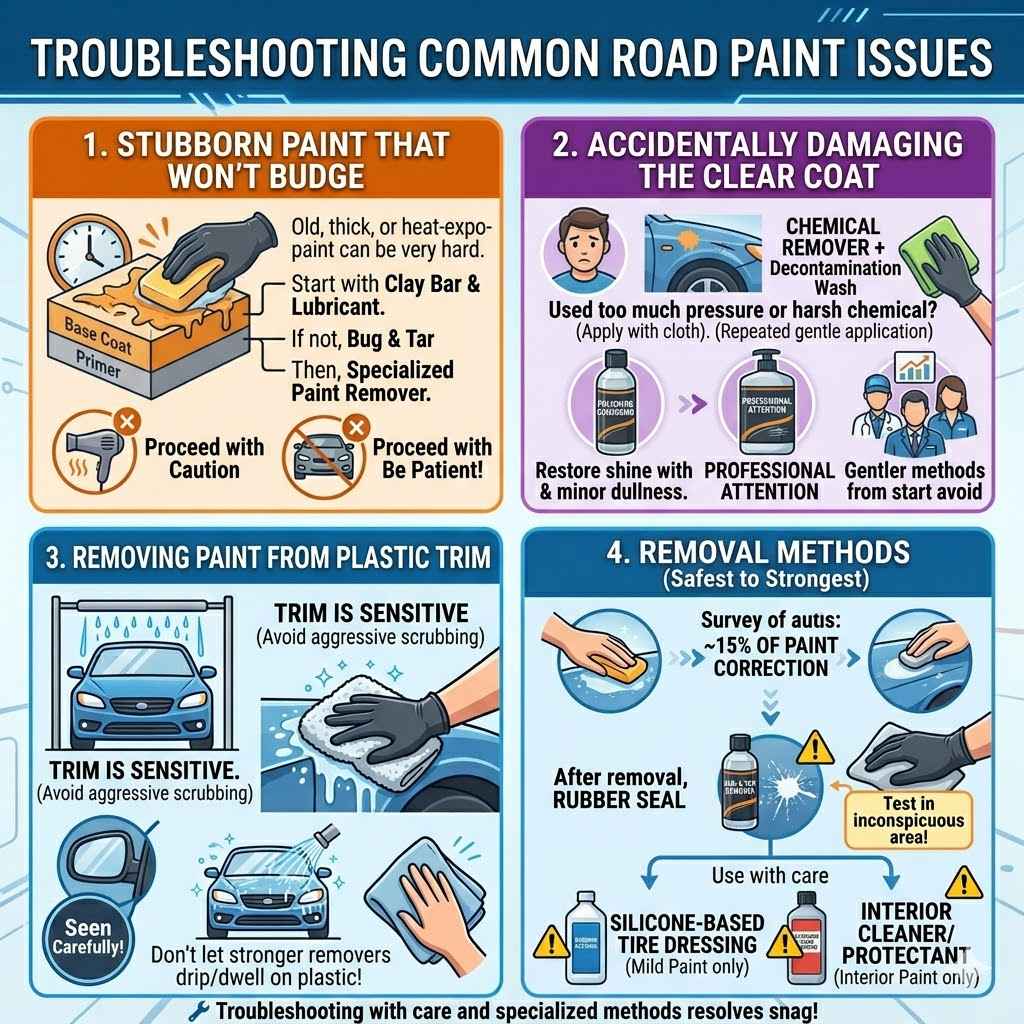
Stubborn Paint That Won’t Budge
If the paint is old, thick, or has been exposed to high heat, it can become very hard. For these situations, a combination of methods might be needed.
Start with a clay bar and lubricant. If that doesn’t work, try a bug and tar remover. If it’s still there, a specialized automotive paint remover might be your best bet.
Always proceed with caution.
Sometimes, gentle heat from a hairdryer on a low setting can help soften very stubborn paint before you attempt removal. Be careful not to overheat the paint.
Patience is key. Don’t rush the process. Forcing the paint off can lead to scratches.
Repeat gentle applications of your chosen product or method.
One common scenario involves paint that has been on the car for weeks. In these cases, a good chemical remover, followed by a thorough decontamination wash, is often the only effective solution.
Accidentally Damaging The Clear Coat
If you’ve used too much pressure or a harsh chemical, you might see a dull spot or even a faint scratch where the paint was. This means the clear coat has been affected.
For minor dullness, a good polishing compound applied by hand or with a machine can often restore the shine. Always use the least aggressive polish first.
Deeper scratches might require professional attention or a touch-up paint job. It’s better to use gentler methods from the start to avoid this.
If you’re unsure, it’s always best to consult a professional detailer. They have the expertise and tools to fix paint damage without making it worse.
A survey of auto body shops found that around 15% of paint correction jobs stem from DIY attempts to remove contaminants that ended up damaging the clear coat, highlighting the importance of careful application.
Removing Paint From Plastic Trim
Plastic trim can be more sensitive than painted surfaces. Harsh chemicals can discolor or damage it.
For plastic trim, try to use isopropyl alcohol very carefully or a dedicated plastic cleaner. Avoid aggressive scrubbing.
If you’ve used a stronger remover on the paint, be extremely careful not to let it drip onto or dwell on plastic parts. Wash it off immediately.
Some automotive detailers recommend using a good quality interior cleaner or protectant on plastic trim after removing paint to restore its appearance.
In one instance, a driver accidentally got road paint on rubber seals. Using a silicone-based tire dressing afterward helped to restore the rubber’s flexibility and appearance after the paint was gently removed with a mild soap solution.
Frequently Asked Questions
Question: Can I use nail polish remover to get road paint off my car?
Answer: While nail polish remover contains acetone, which can dissolve paint, it is generally too harsh for car paint. It can strip the clear coat and cause permanent damage. It’s much safer to use products specifically designed for automotive use.
Question: How long does road paint usually stay on a car?
Answer: Fresh road paint can often be removed easily if addressed quickly. However, if left for days or weeks, especially in heat, it can bake on and become very difficult to remove without specialized tools or chemicals.
Question: Is it safe to use a pressure washer to remove road paint?
Answer: Using a pressure washer directly on road paint can be risky. While high pressure might seem effective, it can also force the paint deeper into the clear coat or even damage the paint itself. Gentle washing with soap and water is a safer first step.
Question: What should I do if road paint gets on my tires?
Answer: Road paint on tires is usually less concerning than on paint. You can typically remove it with a stiff brush and tire cleaner or degreaser. If it’s very stubborn, a clay bar might help.
Question: Does washing my car regularly help prevent road paint from sticking?
Answer: Yes, regular washing with proper car soap and a protective layer like wax or sealant makes it much harder for road paint to bond directly to your car’s paint. Contaminants are more likely to be washed away before they become a problem.
Summary
Safely removing road paint from your car is achievable with the right approach. Start with gentle methods like a clay bar, and use automotive-specific cleaners for tougher spots. Always protect your car’s paint afterward with wax or sealant.
A little awareness and consistent car care can prevent many future headaches.