Best Car Wash Mitts for Scratch-Free Cleaning (2026): We Compared
The safest car wash mitt is a plush microfiber or wool mitt used with two buckets; choose deep-pile for dirtier cars and a softer, lighter mitt for well-kept paint. A bad mitt or dirty wash technique can drag grit across the clear coat and leave swirls you pay to correct. This guide compares the best scratch-free options by material, fit, absorbency, and care so you can match the mitt to your wash method.
Quick picks
- Top pick for most cars: AIDEA Chenille Microfiber Mitt. It is a safe default for regular paint care because it is plush, lint-free, and machine washable.
- Best for paint-sensitive owners: Chemical Guys Chenille Microfiber Mitt. Based on the published details, its soft chenille construction and double pack format suit careful panel-by-panel washing.
- Best for long wash sessions: The Rag Company Chenille Microfiber Mitt. Double-sided construction gives you more usable surface before you need to swap or rinse.
- Best budget buy: Mkobon Chenille Microfiber Mitt. The 3-pack lowers cost per wash if you want separate mitts for paint, lower panels, and maintenance duty.
- Best natural-fiber option: Tru Lamb Lambswool Mitt or Gracefur Lambswool Mitt. These suit buyers who prefer wool over synthetic pile, but they need more careful drying and grit control.
Quick comparison
| Product | Badge | Best for | Price | ||
|---|---|---|---|---|---|
 |
AIDEA Car Wash Mitt Microfiber-2PK, Car Wash Brush, Green,AIDEA | Our pick | 7.12" x 10.14" · 2PK · Green | $9.99
Price as of 21 Oct 2026
|
View |
 |
Mkobon 3 Pack Chenille Microfiber Car Wash Mitt, 7" x 9.6",Mkobon | Also great | 7" x 9.6" · 3 Pack · Green | $6.99
Price as of 21 Oct 2026
|
View |
 |
Tru Lamb Natural Lambskin Wool Car Wash Mitt – LargeTru Lamb | Also great | 12" x 8" · Large · Lambswool | $10.99
Price as of 21 Oct 2026
|
View |
 |
Chemical Guys, Chenille Microfiber Wash Mitt for Cars,Chemical Guys | Upgrade pick | 2 Pack · Lime Green · Chenille | $17.98
Price as of 21 Oct 2026
|
View |
 |
Ultra-Soft Lambswool Car Wash Mitt, Thumb Design,Gracefur | Pair with it | Thumb Design · Ultra-Soft · Lambswool | $20.99
Price as of 21 Oct 2026
|
View |
Use the table to match mitt design to your paint risk, hand size, and wash method. Pick the one that fits your routine and keeps you from cross-using the same mitt on dirtier panels.
How we chose
We compared each mitt on four things that matter more than a generic “microfiber” label: pile type and density, seam and cuff design, absorbency, and care demands. We also weighed how each option fits two-bucket washes, rinseless washing, and foam-cannon prep.
Paint-finish risk came first. Seam placement, fiber density, and whether the mitt is edgeless or double-sided can change how likely a mistake is to mark soft clear coat.
We also looked at cleanup and replacement clues. A mitt that holds grit, keeps detergent residue, or loses softness after a few washes stops being a safe choice, even if the listing still says scratch-free.
Microfiber chenille mitt: best for most cars
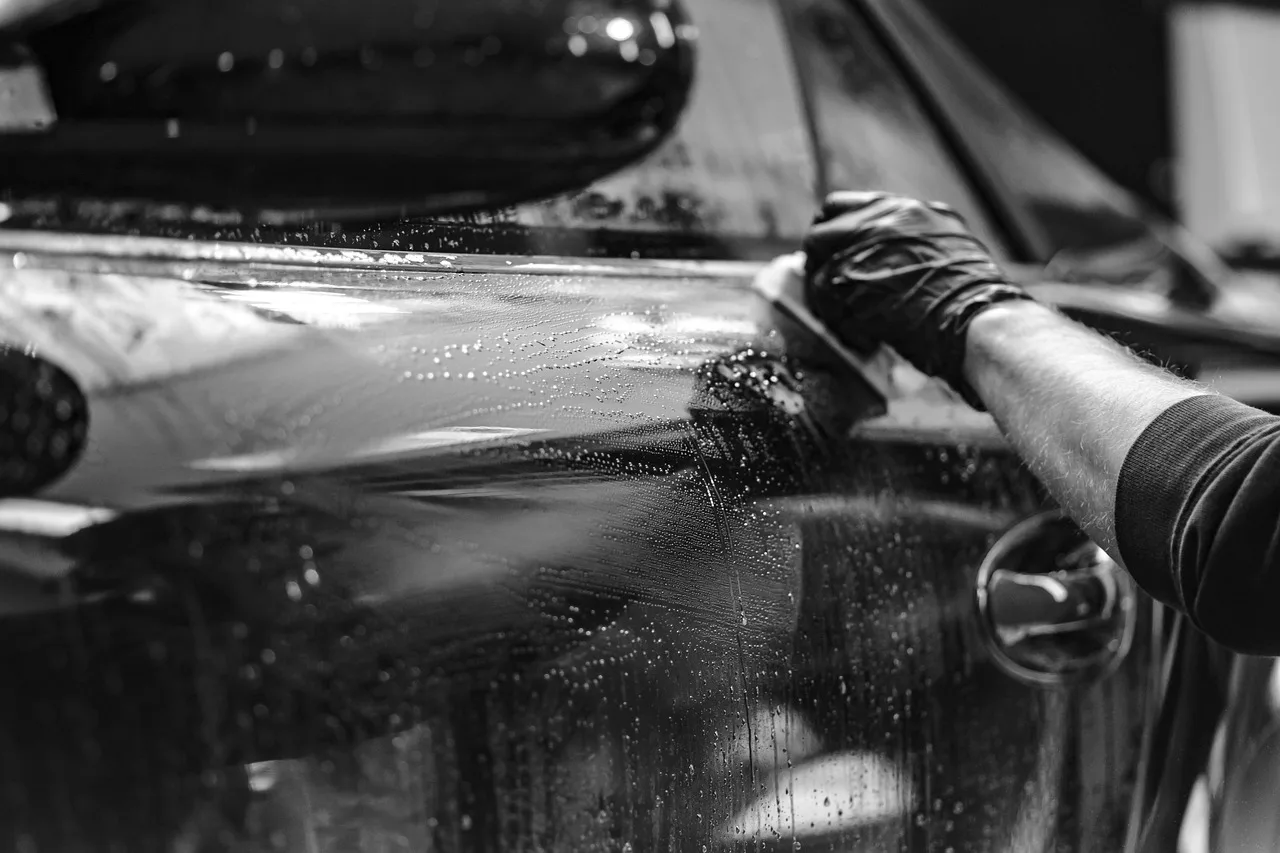
A plush microfiber chenille mitt used with proper soap and a two-bucket method is commonly presented as a safe mainstream choice for most owners. Chenille strands help hold wash solution and pull dirt away from the paint surface, which lowers the chance of dragging grit across clear coat when you rinse often and keep the mitt clean.
Why chenille is the safe default
Chenille microfiber is the baseline to start with because it combines soft pile fibers, strong water retention, and a lint-free finish. That matters on painted panels, glass, and chrome because better lubrication reduces friction while the deep strands keep debris away from direct contact.
AIDEA uses premium chenille microfiber for cleaning and describes the mitt as scratch-free and lint-free. Chemical Guys also sells a chenille microfiber mitt that is safe on paint, glass, chrome, and plastic, which makes it easier to keep one mitt in the wash routine without guessing where it belongs.
Where it works best on the vehicle
Use chenille on upper panels first: roof, hood, glass, and the top half of the doors. That order keeps the cleanest mitt on the cleanest surfaces before you move to lower panels, where road film and grit build up faster.
Say your sedan has light dust on the roof and heavier grime behind the rear wheels. A chenille mitt can handle the roof and upper doors well, but you should not take that same mitt straight to the rocker panels without a rinse or a second mitt.
Pros and trade-offs
- Soft pile fibers help reduce paint contact risk.
- High absorbency means fewer bucket dips and better lubrication.
- Machine washable and reusable, which supports long-term value.
- Can still trap grit if you overload it on dirty lower panels.
- Most chenille mitts are not ideal if you want maximum seam protection.
Edgeless microfiber mitt: best for paint-sensitive owners
An edgeless microfiber mitt is the better pick when you care most about reducing seam-related marks on soft paint, dark finishes, or freshly corrected panels. The point is not that seams always scratch. It is that fewer hard edges and cleaner finishing around the perimeter reduce one common failure point.
Why seam reduction matters
Seams, cuff edges, and bulky stitching can create small pressure points if the mitt folds awkwardly over a panel edge or if grit collects near the opening. An edgeless design reduces that risk, especially on narrow body lines, glossy black trim, and fresh clear coat.
A rival microfiber towel guide recommends GSM between 380 and 1300, and it notes that edgeless designs prevent scratches. That is a towel guide, not a mitt standard, but the same logic applies: fewer exposed edges usually means less chance of a contact problem.
Who should pay for this style?
Choose edgeless construction if your paint shows marring easily, if you wash a dark vehicle, or if you want the lowest seam risk available in a synthetic mitt. It also suits detailers who prefer careful hand placement and work slower around badges, grilles, and sharp panel transitions.
If you wash a truck with heavy lower-body contamination, an edgeless mitt still helps, but it will not cancel out poor technique. Two-bucket washing and a separate mitt for dirty panels matter more than the label alone.
Pros and trade-offs: reduced seam scratching risk
- Reduced seam scratching risk.
- Clean edge finishing suits paint-sensitive users.
- Good fit for careful panel-by-panel washing.
- Usually costs more than basic chenille mitts.
- Still needs strict wash-care to avoid grit retention.
Double-sided mitt: best for longer washes
A double-sided mitt is useful when you want more usable surface area before you need to rinse, flip, or change tools. That helps on larger vehicles and on longer maintenance washes, where a second texture can make the mitt feel less loaded during the final panels.
When extra usable surface helps
The Rag Company mitts are described as double-sided and come in lime green and blue. That design gives you more working surface, which can help during extended wash sessions on SUVs, trucks, or vehicles with repeated contact points such as mirrors, grilles, and lower doors.
A double-sided mitt can also make sense when you separate tasks by texture. One side can stay on upper panels while the other side handles slightly dirtier sections, as long as you still rinse often and do not treat the two sides as a replacement for proper panel sequencing.
Best wash methods for this design
Double-sided mitts suit two-bucket washing best because you can keep one side cleaner, then flip or re-lather without reaching for a fresh tool every minute. They also work with foam-cannon prep, where the initial foam layer helps the fibers glide before contact.
They are less useful if you wash with minimal water or if you do not rinse between panels. In that case, the extra surface can just hold more grime.
Pros and trade-offs: extended usable surface
- Extended usable surface for long wash sessions.
- Useful on larger vehicles and maintenance washes.
- Can reduce how often you need to switch mitts.
- More surface can also mean more places to trap grit.
- Not a substitute for separate mitts for wheels and paint.
Wash mitt decision table
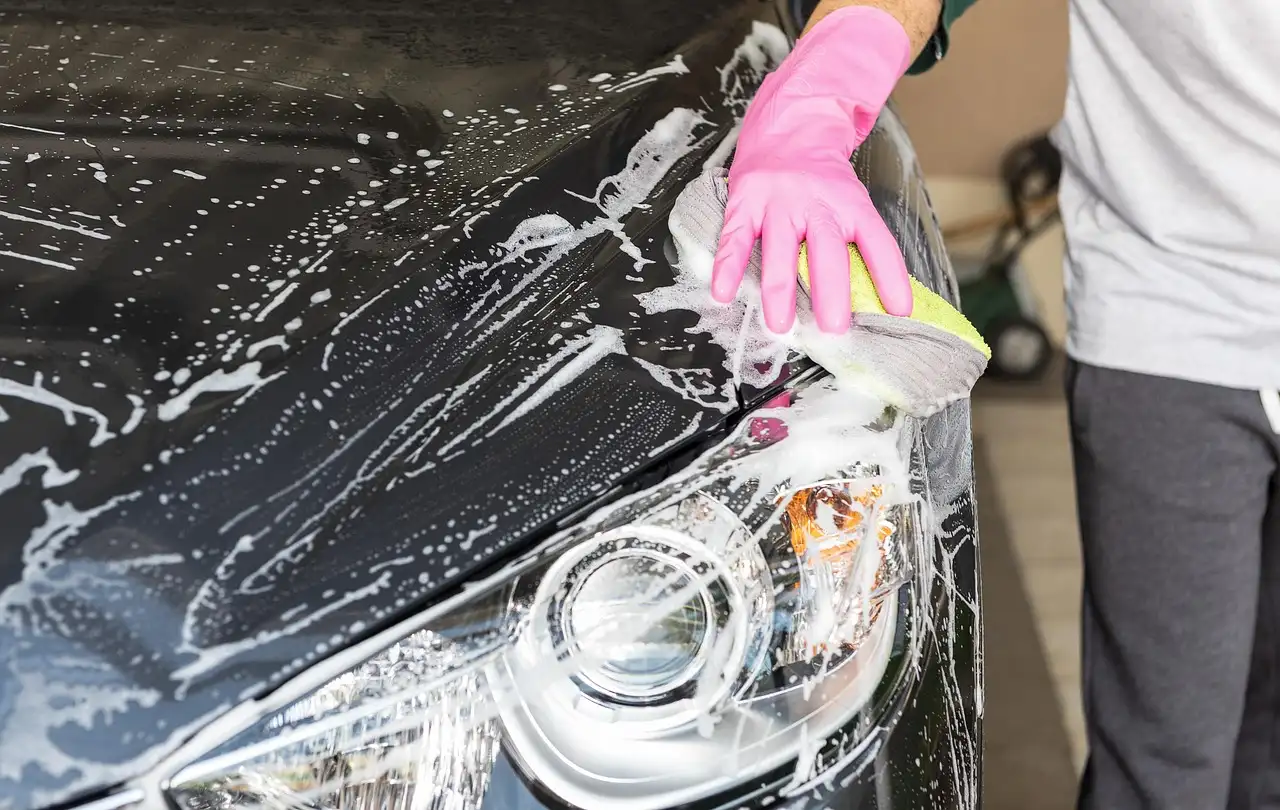
This table matches mitt type to hand size, finish sensitivity, contamination level, washing method, and care needs. Use it as a buying filter, not a style chart. The safest mitt is the one that matches your panels, your grip, and your cleaning routine.
| Mitt type | Fiber type | Seam style | Absorbency | Best panel use | Hand size | Washing method | Care requirements | When to replace |
|---|---|---|---|---|---|---|---|---|
| Chenille microfiber | Soft pile microfiber chenille | Standard stitched edge or cuff | High water holding capacity | Roof, hood, upper doors, glass | Regular to large | Two-bucket, foam cannon, maintenance wash | Wash without fabric softener; air dry or low heat; shake out grit after rinsing | When pile mats down, lint appears, or odor stays after washing |
| Edgeless microfiber | Dense microfiber with finished edge control | Reduced seam exposure | Moderate to high | Dark paint, soft clear coat, corrected panels | Regular | Two-bucket, careful hand wash, rinseless wash | Rinse thoroughly; avoid heat damage; keep separate from wheel duty | When edges fray or the mitt starts dragging instead of gliding |
| Double-sided mitt | Chenille microfiber on both sides | Standard stitched perimeter | High | Larger vehicles, longer sessions, mixed panel work | Large | Two-bucket, foam cannon, truck wash | Rinse between panels; inspect both sides for trapped grit; machine wash carefully | When one side stays rough or fibers stay clumped after washing |
| Lambswool mitt | Natural wool fibers | Thumbed cuff or knit cuff | Very high | Paint and glass, especially on well-kept vehicles | Large | Two-bucket, gentle hand washing | Dry fully; avoid harsh detergent and fabric softener; keep grit out of the base | When the wool compacts, smells after drying, or sheds excessively |
| Economy chenille pack | Chenille microfiber | Basic seam finish | High | Split duties across paint, lower panels, and backup use | Regular | Two-bucket or rinseless maintenance | Rotate often; do not carry one mitt from wheels back to paint | When the cost per wash no longer beats a better mitt |
AIDEA chenille microfiber mitt: best for most cars
The AIDEA mitt is the safest everyday buy for most DIY owners because it uses premium chenille microfiber, is described as scratch-free and lint-free, and comes as a regular-size two-pack. That makes it a practical default for paint, glass, and general exterior washing without pushing you into a specialty design.
The main drawback is that it stays a conventional chenille mitt, so it still depends on your technique. If you use it on lower panels after wheels, or let detergent residue build up, the mitt can still carry contamination into the next wash.
Chemical Guys chenille microfiber mitt: best for balanced value
This Chemical Guys mitt makes sense if you want a known chenille microfiber format with broad surface compatibility. The published details say it is ultra-soft, traps dirt, works on paint, glass, chrome, and plastic, and is machine washable and reusable.
The drawback is price relative to some alternatives. At $17.98 for a two-pack, it is harder to justify purely on cost if you only need a basic maintenance mitt and do not value the brand’s broader surface claim.
The Rag Company chenille mitt: best for long wash sessions
The Rag Company mitt is a strong choice for longer wash sessions because it is chenille microfiber, described as double-sided, and sold in lime green and blue. Double-sided construction gives you more usable surface before the mitt feels overloaded, which helps on bigger vehicles or when you take your time on each panel.
The drawback is that the listing emphasizes construction more than fit detail, so buyers with smaller hands may want to pay close attention to the mitt’s shape and cuff feel before choosing it for regular use.
Mkobon chenille microfiber mitt: best budget pack
The Mkobon three-pack is the budget play for owners who want multiple clean mitts on hand. It is premium ultra-soft chenille microfiber on both sides, highly absorbent, machine washable, and sold with no lint or shedding claim in the published details.
The trade-off is that a low price can tempt overuse. If you stretch one mitt too far into lower-body grime or skip proper care, the savings disappear fast because a cheap mitt that holds grit is no bargain.
Tru Lamb lambswool mitt: best natural-fiber option
The Tru Lamb mitt is the natural-fiber option in this set. It uses lambswool, comes in a large 12″ x 8″ format, and includes a thumb design plus a flexible cotton knit cuff. That makes it appealing for users who want a stable grip and a more traditional wool contact surface.
The drawback is care and contamination control. Wool can hold a lot of solution, but it also needs careful drying and cleaner handling than a simple synthetic chenille mitt, especially if you wash lower panels or wheels nearby.
Gracefur lambswool mitt: best for careful paint work
Gracefur’s lambswool mitt is another natural-fiber option for buyers who prefer wool over synthetic pile. The published details describe genuine sheepskin wool fibers, a thumb design, and absorbent fibers that hold water and rich suds, which suits careful paint washing with plenty of lubrication.
The drawback is the same one most wool mitts share: you need to keep it clean, dry it well, and avoid using it as a catch-all tool. If grit gets trapped near the base or cuff, the softness no longer protects the paint as intended.
Which one should you buy?
The safest default for most owners is the AIDEA chenille microfiber mitt. It gives you a scratch-free, lint-free, machine-washable baseline without asking you to manage a specialty shape or finish. If your paint is very sensitive, move up to an edgeless-style preference. If you wash larger vehicles, the Rag Company double-sided mitt is easier to live with.
For budget buyers, the Mkobon three-pack makes sense if you want dedicated mitts for separate tasks. For natural-fiber fans, choose one of the lambswool options only if you are willing to be strict about drying and contamination control.
Price-per-wash matters. A $6.99 three-pack can be cheaper over time than a single higher-priced mitt if you rotate them correctly and replace them before the fibers mat down. But a mitt with better seam finishing or more usable surface can still be the lower-risk buy if your paint is soft.
Picture a crossover with road film on the lower doors and a clean roof after a light rain. A good setup is one chenille mitt for upper panels and a second mitt, or at least a separate pass, for the lower half. That keeps contamination from moving back onto the clean surfaces.
- Match the mitt to your paint risk first, not the price tag.
- Choose chenille for general use, edgeless for seam-sensitive paint, and double-sided for longer sessions.
- Keep wheels, lower panels, and paint separated whenever possible.
- Wash the mitt with residue-free detergent and no fabric softener.
- Replace it when the fibers mat, fray, smell after washing, or feel rough on the paint.
Frequently asked questions
What is the best car wash mitt for scratch-free cleaning?
A plush chenille microfiber mitt is the safest mainstream choice for scratch-free cleaning, especially when paired with a two-bucket method and a proper car wash soap. If your paint is sensitive or dark, an edgeless microfiber option lowers seam-related risk. The mitt helps; the wash method does the rest.
Are microfiber car wash mitts safer than sponges?
Yes, in most cases. Microfiber mitts hold more suds and keep dirt in the pile instead of dragging it across the panel the way a basic sponge can. That said, a dirty microfiber mitt is still unsafe, so rinse often and keep one mitt away from wheel grime.
What material should a scratch-free wash mitt be made of?
Soft microfiber chenille is the best all-around synthetic material for most owners, while lambswool is the natural-fiber alternative for careful washing. The important part is not the label alone; it is the pile density, seam finish, and how well the mitt holds lubricant and releases grit.
How do I choose a car wash mitt that won’t swirl paint?
Look for a soft pile, high absorbency, and low seam exposure. Then match the mitt to your car’s contamination level. Upper panels can take a general chenille mitt, but lower panels need more rinsing, and wheels should usually get their own tool.
What’s the difference between chenille and regular microfiber wash mitts?
Chenille mitts use plush strands that hold more solution and help keep dirt away from the paint surface. Regular microfiber mitts can still be safe, but they often have a flatter face and less pile depth. For most DIY washes, chenille gives you more lubrication and better grit control.
How often should I wash a microfiber car wash mitt?
Wash it after each use, especially if it touched road film, lower panels, or bug debris. Use a mild detergent, skip fabric softener, and dry it fully before storage. If residue, odor, or stiffness remains after washing, the mitt needs closer inspection or replacement.
What size car wash mitt is best for larger hands?
Look for a regular-to-large fit with a secure cuff and enough interior room that your fingers do not bunch up. Larger hands benefit from mitts with a thumb design or a more generous opening, because a secure grip reduces slipping when the mitt gets heavy with water.
Can I use the same wash mitt on wheels and paint?
You should not, unless you want contamination transfer. Wheels carry brake dust and heavier grit that do not belong on paint. If you must use one mitt for multiple areas, clean the wheels last and retire that mitt from paint duty afterward.
Products related to this article
Sponsored / affiliate links. As an Amazon Associate I earn from qualifying purchases. I may earn additional commission from eligible campaigns.