Best Car Wash Mitts for Scratch-Free Results (2026): We Compared
For most cars, the best wash mitt is a plush microfiber or wool mitt paired with a clean rinse-bucket routine; choose chenille for larger vehicles or gentler maintenance washes, and retire any mitt that still feels gritty after rinsing. Use the wrong mitt, or a dirty one, and you can drag grit across clear coat, leaving swirls and wash scratches that cost time and correction work. This guide compares the best car wash mitts by paint risk, vehicle size, contamination control, and wash workflow.
Quick comparison
| Product | Badge | Best for | Price | ||
|---|---|---|---|---|---|
 |
Ultra Plush Microfiber Car Wash Mitt – Scratch-Free,SwiftJet | Our pick | Chenille · Microfiber · Machine Washable | $8.78
Price as of 22 Oct 2026
|
View |
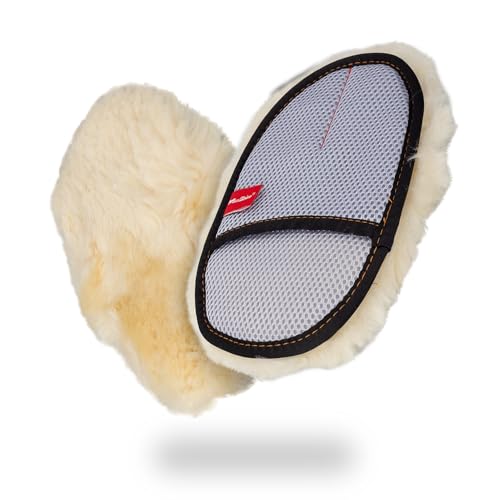 |
Maxshine Universal Premium Sheepskin Wool Wash Mitt –Maxshine | Upgrade pick | Lambswool · Natural · Professional | $20.99
Price as of 22 Oct 2026
|
View |
 |
AIDEA Car Wash Mitt Microfiber-2PK, Car Wash Brush, Green,AIDEA | Also great | 2-Pack · Microfiber · Regular Size | $9.99
Price as of 22 Oct 2026
|
View |
 |
Salt Shift 2-in-1 Wash Mitt – Microfiber Car Washing withSalt Shift | Pair with it | 2-in-1 · Mesh Bug Remover · Dual-Sided | $14.99
Price as of 22 Oct 2026
|
View |
The real trade-off is not softness alone. It is how much contamination a mitt can hold, how well it rinses out, and whether its shape helps you control pressure on the paint during a full wash.
Use the table below to match mitt construction to your rinse routine, vehicle size, and paint sensitivity.
How we chose
We compared construction, cuff control, size, wash workflow, and maintenance. The goal was to sort mitts by contamination risk, not by plushness alone.
Also check published product details and buyer feedback for absorption, linting, and whether a mitt suits the two-bucket method, coated paint, or larger panels.
Maintenance mattered too. A mitt that is easy to rinse, launder, dry, and store is less likely to turn into a grit trap on the next wash.
| Mitt | Construction | Best for | Key advantage | Main drawback |
|---|---|---|---|---|
| SwiftJet Ultra Plush Microfiber Car Wash Mitt | Chenille microfiber, machine washable | General use, larger panels, foam-and-water washing | Strong suds retention and easy coverage | Can feel bulky on tight trim and mirror caps |
| Maxshine Premium Sheepskin Wool Wash Mitt | Natural lambswool | Paint-sensitive owners who want a very gentle touch | Very soft contact and dirt held deep in the fibers | Natural wool needs more careful drying and storage |
| AIDEA Car Wash Mitt Microfiber-2PK | Premium chenille microfiber, elastic cuff | Two-bucket washing, multi-car households | Two-pack value with secure cuff control | Regular-size shape is not ideal for very large vehicles |
| Salt Shift 2-in-1 Wash Mitt | Dual-sided microfiber with mesh bug remover | Front-end bug removal plus full-car wash | One mitt handles bugs and regular washing | Mesh side adds complexity and can be too aggressive if misused |
Microfiber wash mitt: best overall
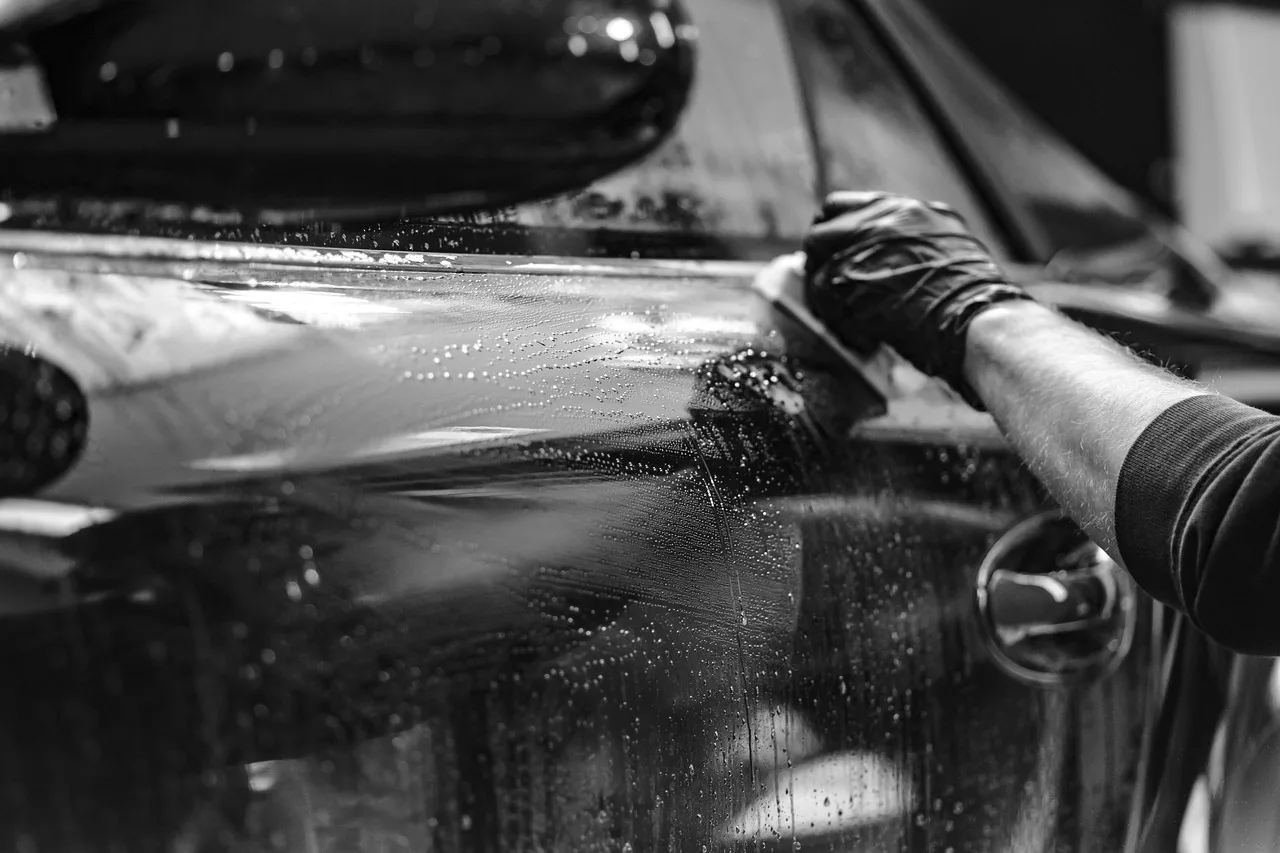
Choose this style if you want a safe, general-purpose mitt for daily-driver paint. Dense microfiber pile holds road film and dust away from the panel, and the fibers are a better choice than a sponge because they keep contamination in the pile while staying compatible with car shampoo and the two-bucket method.
For a simple wash routine, this is the easiest middle ground. It fits the common need: soft contact, strong soap carry, and a surface that can be rinsed repeatedly without losing the whole wash to one gritty swipe.
The downside is that not every microfiber mitt is equally controlled in the hand. If the cuff is loose, the mitt can twist when wet, and if it becomes saturated, it may start dragging instead of gliding.
Why it works for daily drivers
A microfiber wash mitt works well on clear coats that see regular road film, dust, and light traffic grime. The pile helps hold dirt inside the fibers instead of pressing it flat against the finish, and lint-free options are a good fit when you want a cleaner rinse on dark paint.
Pair it with pH-neutral car shampoo. That keeps lubrication high enough to reduce friction on coated, waxed, and protected paint without forcing the mitt to work dry.
Where it can fall short
If you wash a very dirty vehicle without frequent rinsing, even a good microfiber mitt can become loaded with grit. That is when lower-panel cross-contamination becomes a problem, especially if you keep moving from rocker panels back up to the doors without rinsing first.
A common first-timer mistake is to keep using the same loaded face after the mitt starts to feel heavy and sticky. That is the point where wash scratches are more likely.
Chenille microfiber wash mitt: best for suds
Pick chenille when you want strong suds retention and a soft touch on paint. The noodle-style fibers hold shampoo well, so they work nicely for all-around washing, especially on larger vehicles where you want to cover more panel area before reloading the mitt.
This style is often sold in 2-packs, which helps with a front-to-back workflow or a separate mitt for upper and lower panels. That can lower contamination risk when you keep one mitt cleaner for the top half and retire the dirtier one to the rockers and rear bumper.
The trade-off is control. Chenille can feel a little bulkier than a flatter microfiber mitt, and if the strands are fully saturated, the mitt can hold a lot of water and become less precise in tight creases.
Best use cases
Chenille suits maintenance washes on daily drivers, SUVs, and trucks where you want extra soap feel and forgiving contact. It also fits owners who rinse often and prefer a mitt that stays wet and slick through a full pass across a large door or hood.
For the two-bucket method, chenille is a solid match because it rinses, re-soaps, and returns to the panel without needing much pressure.
Trade-offs versus plush pile mitts
Chenille is not automatically better than a denser microfiber weave. On heavily contaminated cars, the deeper pile of some microfiber mitts can be easier to manage because you can feel when the mitt starts loading up and needs a rinse.
If you wash in a dusty driveway or on a long-neglected finish, the main risk is saturated-mitt drag. When that starts, stop and rinse before continuing.
70/30 Korean microfiber mitt: best for pro use
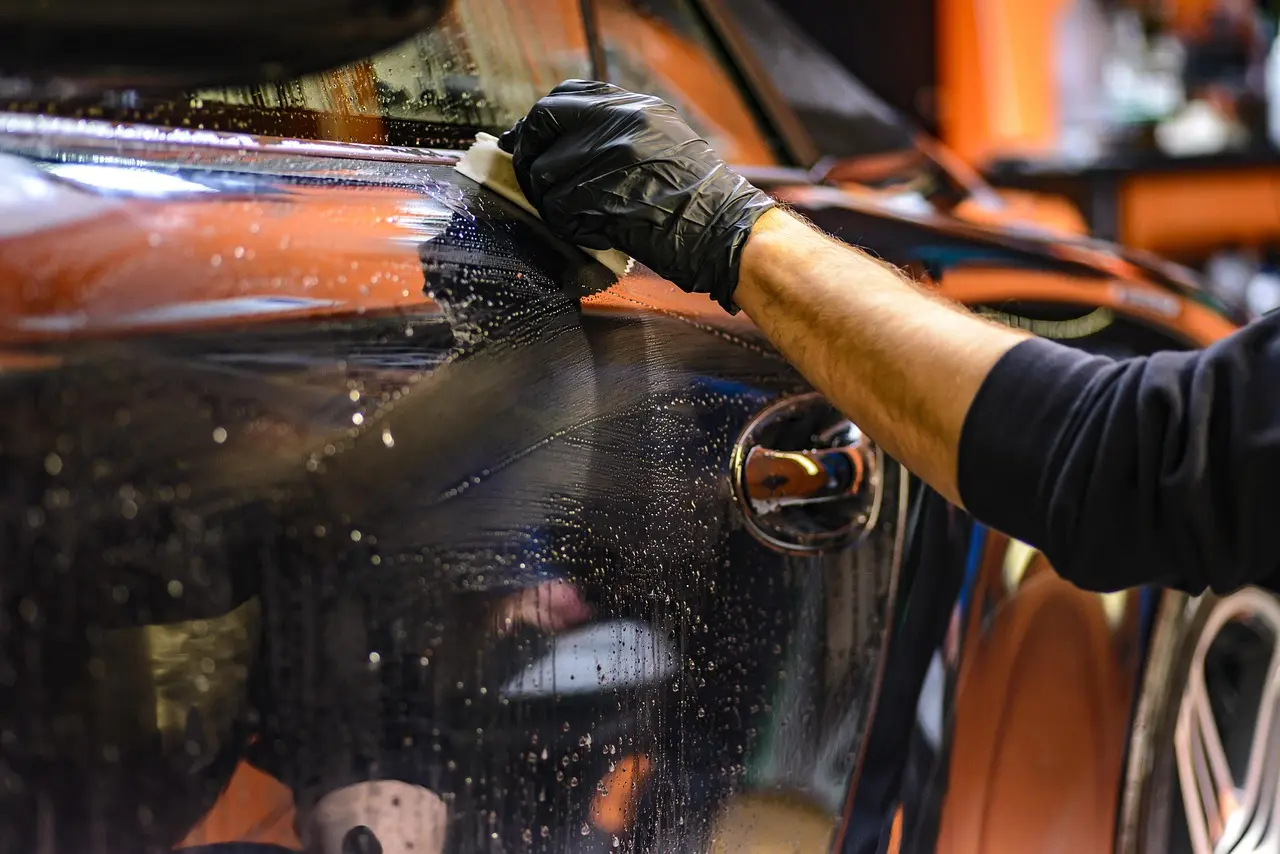
This is the best pick for buyers who want a premium blend construction with strong absorbency and lint-free performance. A 70/30 Korean microfiber blend is common in pro-grade mitts, and it is often paired with foam padding for a fuller feel in the hand.
That matters when you want a mitt that stays controlled through a detailed wash, especially on ceramic-coated paint that benefits from high lubrication and soft microfiber. The dual-sided layout also makes it easier to separate bug work from general body washing.
The drawback is cost and complexity. A premium mitt can be more than you need for a lightly used commuter car, and the bug-remover side is not something to use casually on paint if it has picked up heavy debris.
Why premium blends matter
Compared with simpler mitts, a 70/30 Korean microfiber blend usually aims for better absorbency and a softer, more controlled glide. That helps when you want a mitt that sheds rinse water well enough to stay lubricated between passes.
For detailers and careful owners, the appeal is consistency. A high-quality blend is easier to keep lint-free and easier to handle while you work panel by panel.
When the extra cost makes sense
Spend more when the vehicle has delicate paint, a ceramic coating, or frequent contact washing. The extra headroom helps when your workflow depends on a clean rinse bucket, a pH-neutral shampoo, and careful panel sequencing.
It is less attractive if you rarely wash at home or tend to use a mitt until it is visibly tired. In that case, replacement interval matters more than premium fiber grade.
Which wash mitt fits your car?
| Paint type | Vehicle size | Wash frequency | Contamination level | Best mitt construction | Cuff/size preference | Likely failure mode to avoid |
|---|---|---|---|---|---|---|
| Daily-driver clear coat | Compact car | Weekly to biweekly | Light road film | Plush microfiber wash mitt | Snug elastic cuff, regular size | Overworking one loaded face until it drags |
| Daily-driver clear coat | SUV or truck | Weekly | Moderate grime | Chenille microfiber wash mitt | Larger hand opening, secure cuff | Saturated mitt drag on lower panels |
| Ceramic-coated paint | Any size | Regular maintenance wash | Low to moderate | 70/30 Korean microfiber blend | Controlled fit, secure cuff | Using too little lubrication |
| Waxed or sealed paint | Mid-size sedan | Every 1 to 2 weeks | Light | Microfiber wash mitt | Medium size, easy thumb control | Cross-contaminating upper panels with rocker grime |
| Heavily used weekend car | Any size | Occasional | Higher | Plush microfiber or chenille, plus a separate wheel mitt | Secure cuff, easy rinse-out shape | Reusing the same mitt after a drop |
Picture a ceramic-coated hatchback that gets washed every seven days. A soft microfiber or 70/30 blend mitt, plus pH-neutral shampoo and a rinse bucket, is the right workflow because the paint is already protected but still needs high lubrication to avoid drag.
Suppose a full-size SUV comes home with winter road film on the lower doors. A chenille mitt can work well on the upper surfaces, but the lower panels should be treated as the dirtiest zone and rinsed more often to avoid moving grit back up the body.
Which one should you buy?
Start with the wash pattern, not the price tag. If you want the safest all-around choice for a typical car, pick the SwiftJet chenille microfiber mitt or the AIDEA two-pack and use one mitt for cleaner panels and one for the dirtier lower half.
Choose the Maxshine wool mitt when you want a very gentle, premium feel and are willing to handle drying and storage more carefully. Choose the Salt Shift mitt when bug work matters and you want one tool with a separate cleaning side.
If you wash one vehicle only and want a simple single-purchase answer, microfiber is the safer default. If you wash larger vehicles or want more suds retention, chenille is often the better workflow fit.
How the details change the choice
The elastic wrist cuff matters more than many shoppers expect. It improves grip, helps control a wet mitt, and reduces slippage when you are reaching over a roof or down a tall door.
Size matters too. STORM’s published working size of 22 × 18 cm and weight of 115 g show the kind of hand-friendly footprint many shoppers are looking for: enough coverage to work quickly, but not so much bulk that the mitt becomes awkward.
Published product details also help separate the field. Mechanic Insider lists AIDEA, Meguiar’s, Chemical Guys, Amazon Basics, and The Rag Company among common options, while Cars Techie describes The Rag Company Cyclone Ultra as a 70/30 blend Korean microfiber mitt. Mechanic Insider also notes that Meguiar’s X3002 is a microfiber wash mitt, and that The Rag Company Cyclone Ultra comes as a 2-Pack.
Maintenance and cost of ownership
Buy with replacement in mind. A multi-pack can make sense if you wash often, because a second mitt lets you retire one for lower panels or replace a worn mitt sooner without stopping your routine.
Wash mitts should be cleaned with microfiber detergent, then air-dried fully before storage. Avoid fabric softener and bleach; both can hurt softness, absorbency, and the way the fibers hold dirt on the next wash.
Dry the mitt in open air, not balled up in a closed bucket or trunk organizer. Mildew and trapped moisture are avoidable, and they can turn a good mitt into a bad one fast.
Are microfiber wash mitts better than chenille?
Neither one wins every time. Microfiber wash mitts usually feel more controlled and can be better when contamination risk is higher, while chenille microfiber mitts hold more suds and suit bigger panels or gentler maintenance washes. The better choice depends on your paint, vehicle size, and rinse routine.
If you already rinse often and work top to bottom, chenille can be the more comfortable all-around option. If you want tighter control on delicate or darker paint, plush microfiber often has the edge.
Where microfiber has the edge
Microfiber is the safer default when you want a mitt that keeps dirt in the pile, works with car shampoo, and suits the two-bucket method. It is also a strong choice when you want a lint-free finish on dark colors.
Where chenille has the edge
Chenille is better when you want heavy suds retention and a forgiving feel over broad body panels. It is also common in two-packs, which helps owners separate cleaner upper panels from dirtier lower-body work.
What size wash mitt should you buy?
Buy a size that matches your hand, your vehicle, and how much surface you cover before rinsing. A medium or regular-size mitt is usually the easiest to control, while larger mitts can speed up washing on SUVs and trucks if the cuff keeps them from slipping.
Too small, and you lose coverage. Too large, and the mitt can feel sloppy when wet, especially if you are working around badges, mirrors, and tight trim.
Fit and control matter as much as coverage
An elastic wrist cuff is worth paying for because it improves grip and keeps the mitt from rotating in the hand. That matters any time you lift a loaded mitt from the rinse bucket and move back to the panel.
A good fit also helps you avoid dropping the mitt. If it hits the ground, retire it from paint duty until it has been fully cleaned and inspected.
Are wash mitts safe for ceramic coatings?
Yes, if you use the right mitt and the right wash routine. Ceramic-coated paint benefits from high lubrication, soft microfiber contact, and a careful rinse-bucket setup, so a good microfiber or premium blend mitt paired with pH-neutral shampoo is a solid choice.
The coating does not make careless washing safe. You still need to rinse often, keep the mitt clean, and avoid dragging grit from the lower panels back across the upper paint.
What ceramic-coated cars need
A soft microfiber wash mitt with good absorbency is usually the best fit. Lint-free performance helps too, especially if the car is dark and you want a cleaner post-wash look after drying.
What to avoid on coated paint
A dirty mitt, too little lubricant, or a mitt that has been dropped on the ground is the real problem. Those are the conditions that turn a safe wash into a scratch risk.
Frequently asked questions
What is the best car wash mitt for scratch-free results?
A plush microfiber or wool mitt is the safest starting point for scratch-free washing, especially when paired with a rinse bucket, a wash bucket, and pH-neutral shampoo. The key is not only softness but also how well the mitt keeps grit away from the paint and releases it during rinsing.
Are wash mitts safe for ceramic coated cars?
Yes, as long as you keep the lubrication high and the mitt clean. Ceramic-coated paint likes soft microfiber contact and careful technique. A good mitt can work very well, but a dry or contaminated one can still scratch.
How do I clean a car wash mitt after use?
Rinse it thoroughly, wash it with microfiber detergent, and air-dry it completely before storage. Avoid fabric softener and bleach, since both can reduce absorbency and interfere with the fibers’ ability to hold dirt away from the paint next time.
Which wash mitt works best for the two-bucket method?
Any soft microfiber or chenille mitt can work with the two-bucket method, but a mitt with good rinsing behavior and an elastic cuff is easier to control. The method depends on frequent rinsing in a clean bucket, not on a single magic mitt.
Can I use the same wash mitt for paint and wheels?
It is better not to. Wheels carry brake dust and heavier contamination, and that debris can transfer to paint. Use a separate mitt for wheels, or at least reserve the paint mitt for the body and retire it from wheel duty immediately.
Do wash mitts prevent swirl marks and micro-scratches?
They reduce the risk, but they do not prevent every mark. A clean, lubricated mitt used with a safe wash routine is much better than a sponge, yet saturated mitt drag, dropped-mitt contamination, and poor rinsing can still leave damage.
What size wash mitt is best for washing a car?
The best size is the one you can control while it is wet. Regular-size mitts are easier for most people to handle, while larger mitts suit big panels and larger vehicles. If the mitt twists or slips, the size is wrong for your hand.
Products related to this article
Sponsored / affiliate links. As an Amazon Associate I earn from qualifying purchases. I may earn additional commission from eligible campaigns.