How to Jack a Car: Easy Steps for Safe and Quick Tire Changes
Have you ever found yourself stuck on the side of the road with a flat tire and no idea how to fix it? Knowing how to jack a car safely can save you time, money, and stress.
Whether you’re changing a tire or doing basic maintenance, mastering this skill puts you in control. In this guide, you’ll learn simple, step-by-step instructions that anyone can follow. By the end, you’ll feel confident and ready to handle your car like a pro.
Keep reading to discover the easy way to jack your car without risking damage or injury.
Credit: lifelanes.progressive.com
Preparing Your Car
Choose a flat and hard surfaceto park your car. Avoid slopes or soft ground like grass or dirt. This keeps the car stable while jacking.
Pull the parking brakefirmly. This stops the car from moving. Always double-check that it is fully set before starting.
Gather all tools needed: a jack, jack stands, and a lug wrench. Keep them close by for easy access. Safety first.
Positioning The Jack
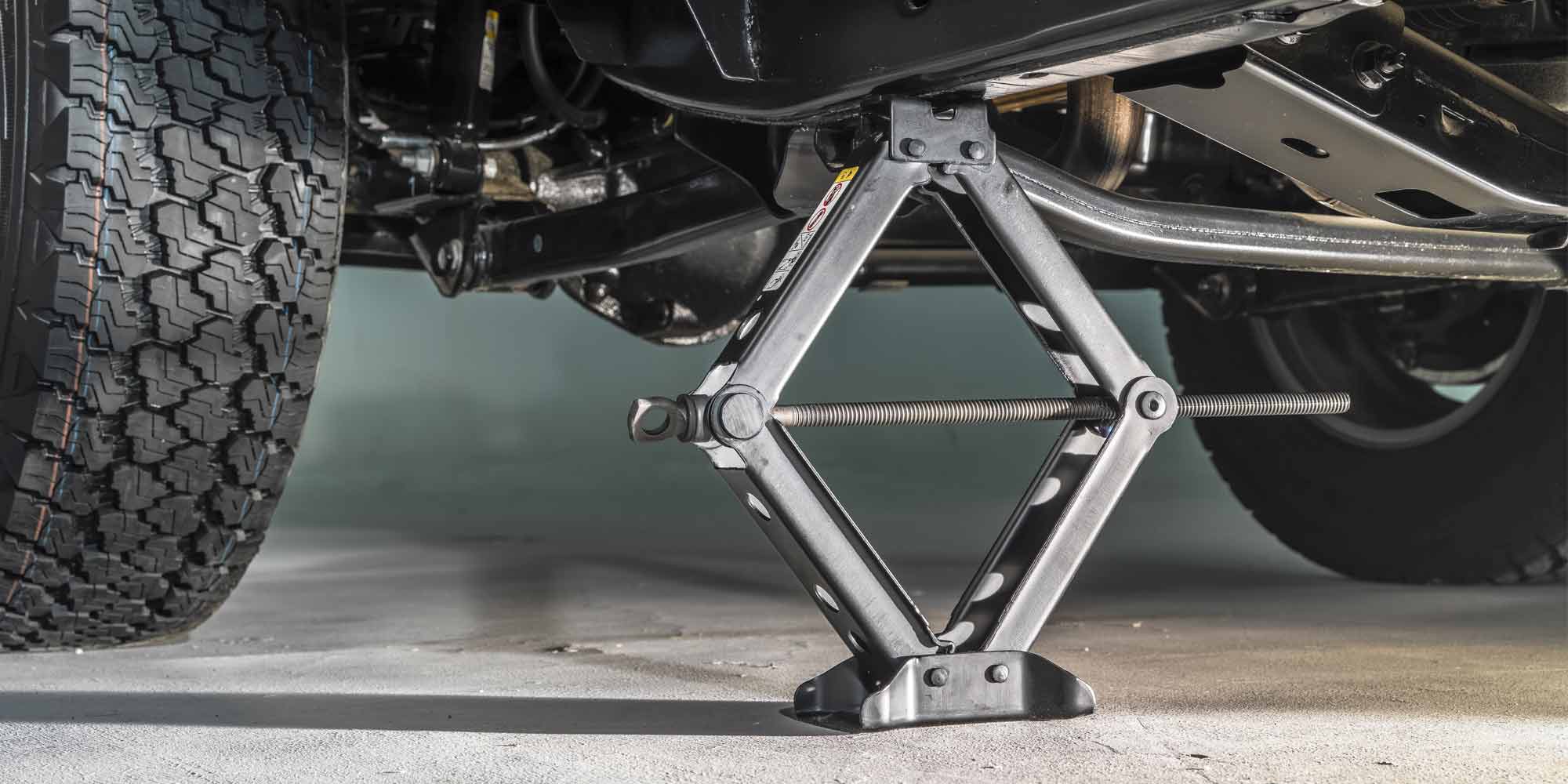
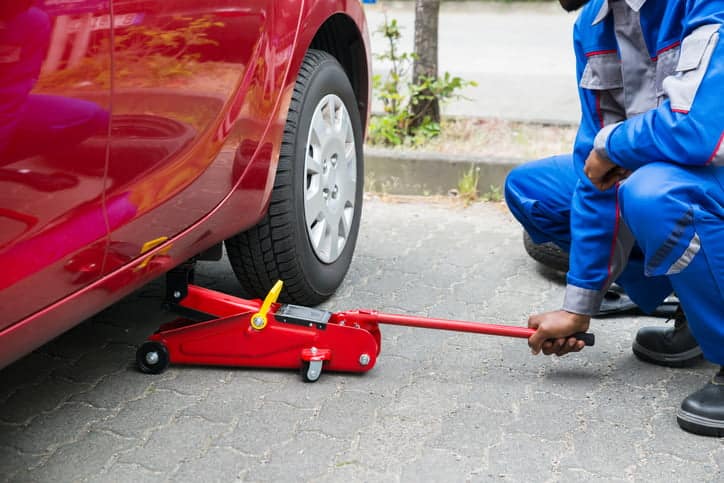
Find the jack pointsunder the car first. These spots are made to hold the jack safely. Usually, they are near the wheels or under the frame. Check the car manual if unsure. Placing the jack here prevents damage and keeps the car steady.
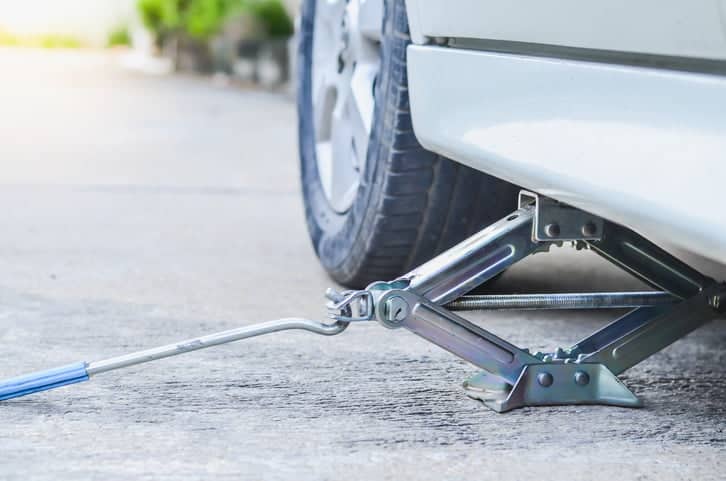
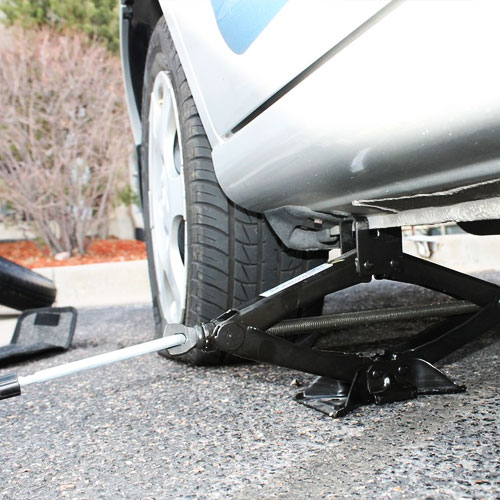
Set the jack on a flat, hard surfaceto stop slipping. Dirt or soft ground can make the jack fall. Align the jack with the car’s jack point. Lift the car slowly and watch if the jack stays firm. Stop if it moves or feels unstable.
Lifting The Car Safely
Place the jack on a flat, solid surface. Avoid soft or uneven ground. This prevents slipping or sinking. Align the jack’s lifting pad with the car’s designated jacking point. These points are usually marked under the car. Pump the jack handle slowly and steadily. Stop if you feel resistance or hear unusual sounds.
Check the car’s stability after lifting. The car should not rock or move. If it does, lower the car and reposition the jack. Use wheel chocks on the opposite wheels. This adds extra security and stops rolling.
Removing And Replacing The Tire
Loosen the lug nutsslightly before lifting the car. Use a wrench to turn them counterclockwise. Do not remove them yet. This helps to avoid spinning the tire while jacking.
Remove the flat tireafter the car is lifted. Unscrew the lug nuts all the way and keep them safe. Pull the tire straight off the wheel hub. Place it under the car for safety.
Mount the spare tireby aligning it with the wheel studs. Push the tire onto the hub as far as it goes. Hand-tighten the lug nuts to hold the tire in place.
Tighten the lug nutsin a star pattern. Use the wrench to secure them firmly. Lower the car carefully to the ground. Give the lug nuts a final tight turn for safety.
Lowering The Car
Slowly lower the car by turning the jack handle carefully. This controls the descent and keeps the car stable. Make sure the car touches the ground evenly.
After the car is fully lowered, remove the jack gently. Pull it straight out from under the car to avoid damage. Keep the jack in a safe place for later use.
Credit: diamondvalleytowing.com
Final Safety Checks
Check each lug nutfor tightness after lowering the car. Use a lug wrenchto make sure nuts are secure. Loose nuts can cause the wheel to fall off while driving.
Put all tools back in their proper storageplace. This includes the jack, wrench, and spare tire. Keep tools organized for easy access later.
Store the flat tiresafely in your trunk. Place it where it won’t roll or move around. Secure it with straps or cords if possible.
Credit: www.holtsauto.com
Frequently Asked Questions
What Tools Do I Need To Jack A Car Safely?
You need a quality car jack, jack stands, wheel chocks, and gloves. These tools ensure safety and stability while lifting your car.
Where Is The Correct Spot To Place A Car Jack?
Place the jack under the vehicle’s jacking point, usually near the tire. Check your car manual for exact locations to avoid damage.
How Do I Prevent A Car From Slipping Off The Jack?
Always use jack stands after lifting and apply wheel chocks on opposite wheels. Never rely solely on the jack for support.
Can I Jack A Car On Uneven Ground?
No, always jack your car on a flat, stable surface. Uneven ground increases the risk of the car slipping or the jack tipping over.
Conclusion
Jacking a car safely takes care and the right steps. Always find a flat spot and set the parking brake first. Place the jack under the car’s strong points. Lift the car slowly and watch for any movement. Never put your body under a car without support stands.
Knowing these basics helps you fix tires or do small repairs. Practice helps you feel more confident. Stay safe, take your time, and keep these tips in mind. You can handle car jacking with ease and care.