How to Keep Mice Away From Cars: What Works and What Doesn’t
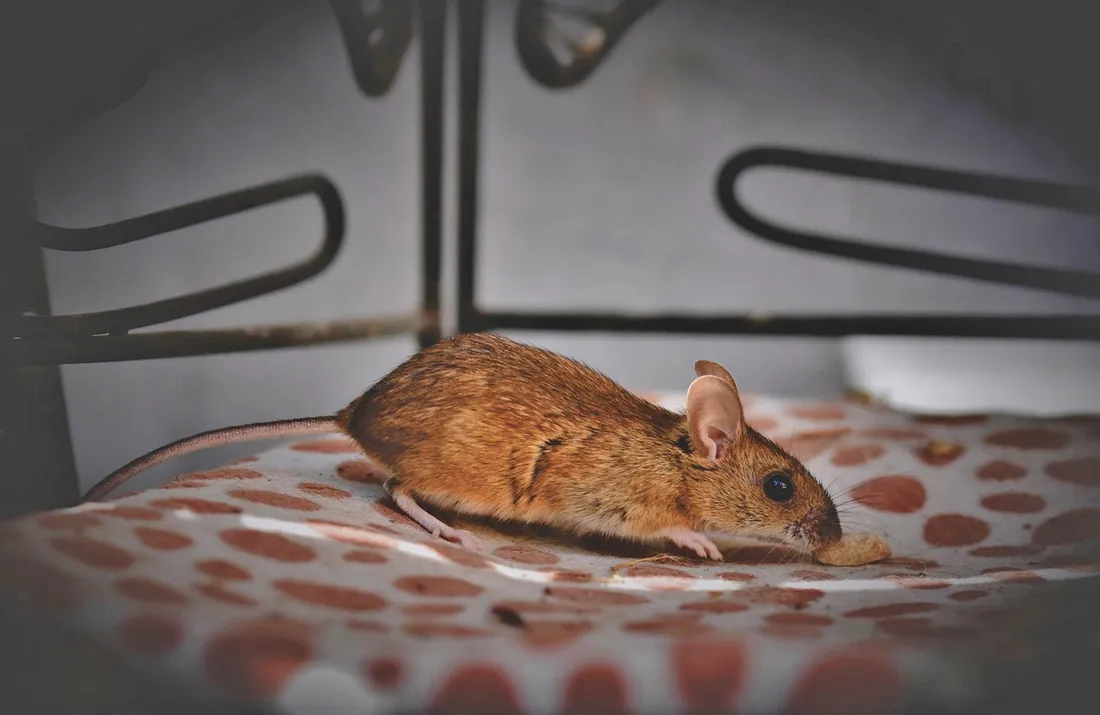
The most reliable way to keep mice away from a car is to remove what draws them, close the gaps they use and trap early, not to rely on scents. UC IPM calls exclusion the most successful and permanent form of house mouse control, while Extension specialists say peppermint will not deter mice. In vehicles, mice can gnaw electrical wires and gas lines, so catching a problem early matters. This guide covers why cars attract mice, signs to check, what works and what the evidence does not support, poison cautions and safe cleanup.
The Rodent Risk: Mice In Cars
Best Snap Trap Pick for the Garage

|
Victor Wide Pedal Mouse Traps, 12-Pack Reusable snap traps with a large pedal and two trigger-sensitivity settings. They remove mice that are already around the garage or parking spot; they do not keep new ones out.
|
As an Amazon Associate we earn from qualifying purchases. Spec-based pick from the listing, not a hands-on test.
The CDC says rodents may build nests in cars, trucks, campers and other vehicles, especially ones used infrequently. An Extension specialist answering a question about a parked camper van explained that vehicles stored outside are usually damaged by rats or native rodents that already live nearby and then find shelter and food inside. UC IPM adds that house mice gnaw electrical wires and gas lines in structures and vehicles, run along wire cables, and can squeeze through an opening only 3/8 inch wide. The CDC says rodents enter the passenger compartment through ducting, rusted areas and cable conduit, so the cabin air system and any rust hole count as entry points too.
Signs Mice Are Already in Your Car
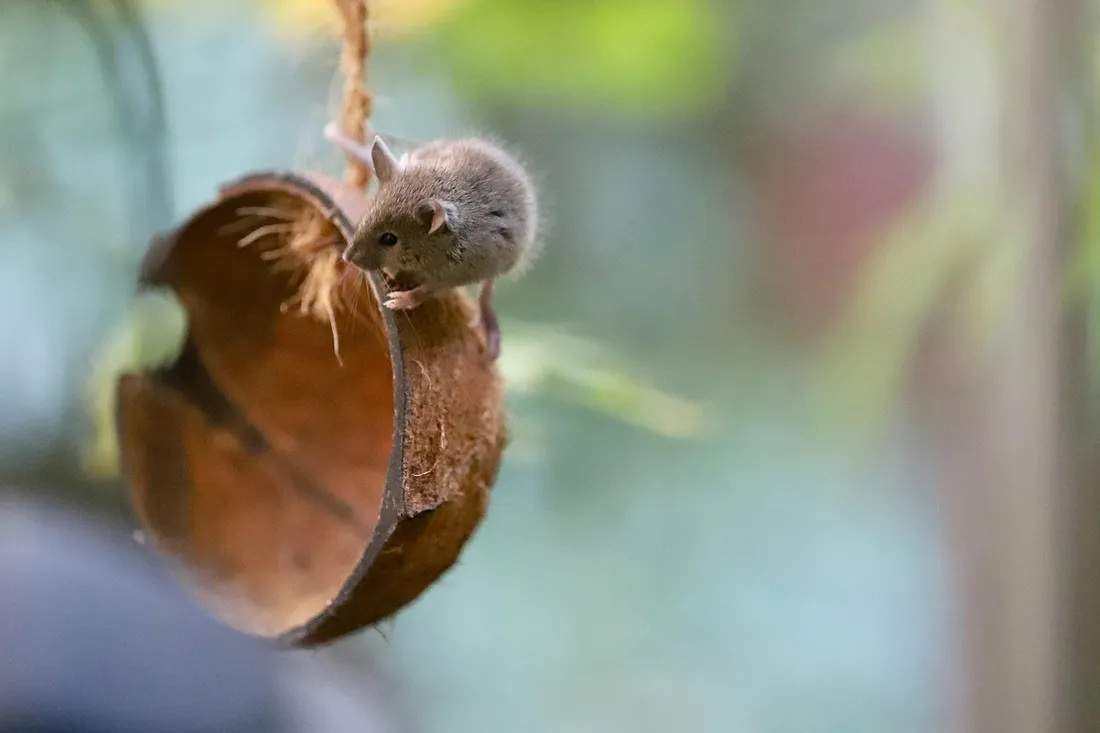
UC IPM says droppings and gnaw marks reveal mouse activity, that nests are made of finely shredded paper or other fibrous material in sheltered spots, and that large or long-term infestations give off a musky odor.
| Sign | Where to look | What to do |
|---|---|---|
| Droppings | Trunk corners, under seats, glove box, engine bay shelves | Do not sweep or vacuum them; see the cleanup section. |
| Shredded nesting material | Air intake, air filter box, cabin vents | The CDC says to remove nesting material and the air filter from the intake, then fit a new filter. |
| Gnaw marks or chewed wiring | Wire looms, hoses, fuel lines | Have a mechanic inspect before you drive. |
| Food stashes and wrappers | Seat gaps, door pockets, trunk | Remove them; the CDC says to leave no food in the car. |
The CDC advises airing out a vehicle that has sat idle for an extended period and inspecting the air intakes and filters before starting the engine. Do not treat chewed wiring as cosmetic: UC IPM says many fires of unknown origin are believed to be caused by rodents gnawing on wires.
Preventative Measures
- Park on a hard surface away from habitat. An Extension specialist suggested hard concrete, away from rodent habitat, so the vehicle does not sit in an ocean of habitat. Tall grass, brush piles and clutter beside a parking spot all offer cover.
- Keep food out of the car. UC IPM adds that poor sanitation attracts mice and lets them thrive, and that mice with few places to hide and nest cannot survive in large numbers.
- Check a stored car before each start. Because the CDC says infrequently used vehicles are the ones rodents nest in, look at the air intake, filters and cabin first.
For more on how mice reach a vehicle, see how mice can get in your car.
Natural Deterrents
Peppermint oil is the most repeated home remedy, and where the evidence is weakest. An Extension specialist in Deschutes County, Oregon, told a reader that peppermint is not going to deter mice, recommending trapping, removing food and blocking entrances with material mice cannot chew. Oregon State University Extension said there has been no detailed research on peppermint oil for mice and that any general deterrent effect lasts only about two hours.
| Common idea | What the sources say | Takeaway |
|---|---|---|
| Peppermint oil spray or pouches | Extension specialists: not going to deter mice; no detailed research; effect about two hours | Do not rely on it. |
| Ultrasonic repellers | UC IPM: limited use, directional, fades with distance; little evidence such devices drive out established mice | Not dependable for a parked car. |
| Mothballs | EPA: illegal naphthalene mothballs are hazardous to young children. UC IPM: using a pesticide against its label is illegal | Skip them. |
| Releasing a trapped mouse elsewhere | UC IPM: mice moved up to half a mile can find their way back; illegal in California without a permit | Dispose of trapped mice instead. |
| Cedar, dog hair, human hair, dryer sheets | Not among the control methods in UC IPM house mouse guidance | Treat as unproven. |
Rodent-proofing Your Space
The garage or carport is where you have the most control. UC IPM says to eliminate all gaps and openings larger than 1/4 inch, since house mice can squeeze under gaps 1/4 inch tall. The UC IPM house mouse Pest Notes lists what holds up and what does not.
| Material | Verdict |
|---|---|
| Steel wool | Good temporary plug, but may rust over time (UC IPM) |
| Hardware cloth with 1/4 inch squares | Named by an Extension specialist as an unchewable blocking material |
| Metal or concrete | Use around pipes, vents and utility cables (UC IPM) |
| Plastic screening, rubber, vinyl, expanding foam, wood | Ineffective: mice gnaw through them (UC IPM) |
UC IPM also says doors and windows should fit tightly, and that metal on door edges may be needed to stop gnawing.
Repellent Devices And Solutions
UC IPM says mice are easily frightened by strange noises but quickly become accustomed to regularly repeated sounds. Ultrasonic sound is directional, does not penetrate behind objects such as an engine block, and loses intensity quickly with distance, and there is little evidence that sound, magnetic or vibration devices drive established mice out or prevent them. Commercial sprays and pouches are sold as repellents, but the extension sources above do not show that they protect vehicles. If you try one, treat it as an extra and follow the label: UC IPM states that the label is the law.
Setting The Traps
For a few mice, UC IPM calls trapping the preferred method in homes and garages. It avoids rodenticides, shows whether it worked, and lets you dispose of the mouse so there is no hidden dead-mouse odor.
- Place snap traps behind objects and in dark corners where droppings or gnaw marks show activity, close to walls so the mouse crosses the trigger.
- Wide trigger plates have higher catch rates. Set triggers lightly, and use a small amount of bait: the best bait is often food the mice already eat, and a ball of cotton wool or dental floss can work. Peanut butter can pose allergy risks.
- Set pairs of traps 1 to 2 inches apart and use enough to make the trapping period short and decisive.
- Keep traps away from children and pets. UC IPM says not to use glue boards where children or pets can touch them.
This guide places traps in the garage or parking area. Traps inside the cabin or engine bay are outside what the sources cover, so ask a mechanic before improvising one near wiring or moving parts. The CDC does say snap traps and poison baits are effective in stopping rodent access to vehicles.
Rodenticides and Poison: Cautions
Poison has the most downsides for a vehicle. The EPA rodenticide safety review says non-target wildlife and pets can be poisoned if they eat rodents that consumed certain poisons, and requires consumer products to be sold with bait stations that securely contain block or paste bait, with no loose bait.
- Station tiers matter. EPA’s household guide says Tier 1 stations resist tampering by young children and dogs and are weather-resistant, while Tier 4 stations may only be used indoors where no young children or pets go. Read the label for allowed locations.
- Dying mice may hide. UC IPM says mice stay within about 30 feet of the nest, so poisoned mice often die inside the structure. The Extension specialist warned against dying animals seeking shelter deep inside a home or a vehicle.
- Secondary poisoning is real. UC IPM says bromethalin can pass through the food chain to predators that eat poisoned mice.
Protecting Your Wiring
UC IPM lists plastic, rubber, vinyl and foam among the materials mice gnaw through, so do not count on a wrap or plug of those to stop one. Ask a mechanic or dealer what protection exists for your specific vehicle, since no source read for this guide gives make-specific wiring steps.
- If a warning light, dead circuit or burning smell appears after a car has sat, stop and have it inspected before driving on.
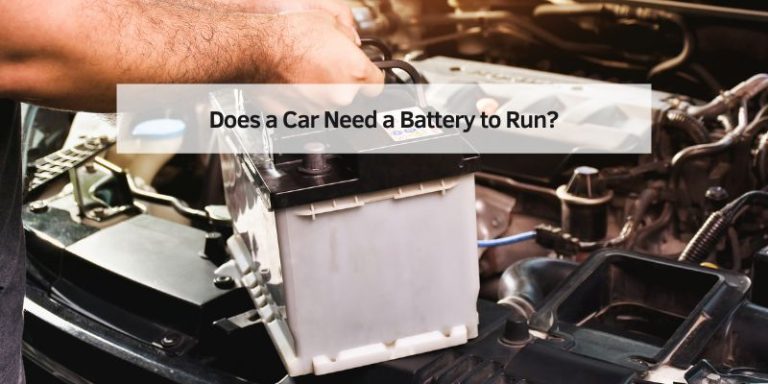
- The CDC says to remove the battery cables before inspecting an engine compartment, and to reconnect them once the area is dry. A mechanic can do this.
- Coverage depends on your policy and warranty, so read our guide on whether car insurance covers rodent damage and ask your insurer or dealer.
More: preventing rodents from chewing car wires and deterring rodents from the engine.
Cleaning Up Safely After Mice
UC IPM says house mice carry diseases such as leptospirosis, salmonella and lymphocytic choriomeningitis (LCM), and that LCM is caught from fresh urine, droppings, saliva or nesting material. The CDC guidance on cleaning up after rodents says diseases spread mainly when people breathe in contaminated air, so do not vacuum or sweep droppings, urine or nests. For a vehicle, it says to work in a well-ventilated space and consult a qualified mechanic.
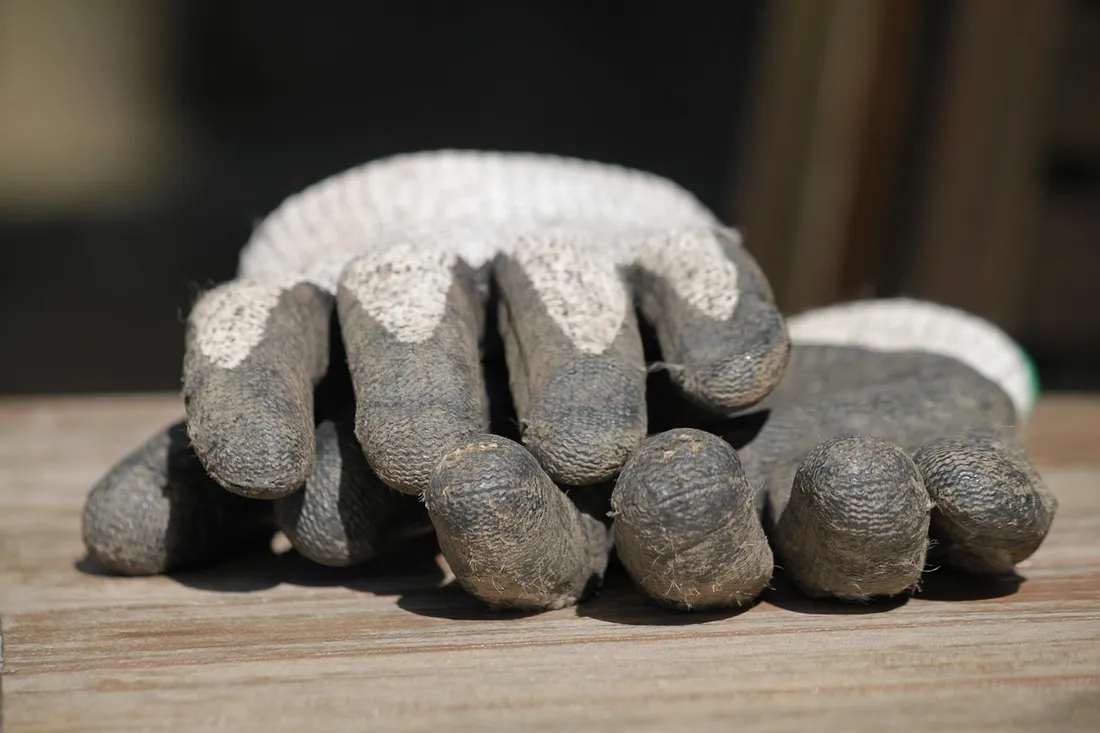
- Open the hood, doors and trunk for 20 minutes. Wear plastic gloves and a long-sleeved shirt.
- Remove the battery cables before inspecting the engine compartment, and check the air intakes and filters.
- Do not use a vacuum or high-pressure sprayer until droppings and surfaces are disinfected.
- Spray with an EPA-registered disinfectant or bleach solution (1.5 cups household bleach in 1 gallon of water, mixed fresh) until soaked. Wait 5 minutes or as the label says, wipe with paper towels and bin them in a covered garbage can.
- Clean the rest of the area with disinfectant and reconnect the battery when it is dry. Replace the air filter if nesting was in the intake.
- Wash gloved hands, remove the gloves, then wash again with soap and warm water.
For dead mice and nests, spray with disinfectant, wait, and seal everything in a plastic bag inside a second bag. For a heavy infestation the CDC lists coveralls, goggles and a HEPA respirator, which is a job for a professional. Related: removing mouse odor from a vehicle and getting a rodent out of your car.
Regular Maintenance Routines
Open the hood and look at the air filter box, wire looms and corners of the engine bay whenever you check fluids, and look in the trunk, under seats and in vents for droppings or shredded material. Re-walk the garage each autumn: UC IPM notes outdoor mice frequently move indoors when nights turn colder.
Behavioral Changes
Take food, wrappers and pet treats out of the car every time, park away from brush and clutter, and do not leave a car for weeks without a check.
Professional Assistance
Call a mechanic for chewed wiring, hoses or fuel lines. The CDC says to contact a professional rodent exterminating service when rodents have reached heating and cooling ventilation systems. A pest professional can also locate entry points and handle any bait program safely. See also rat protection for cars.
What this guide does not cover:
- Make-specific wiring protection or warranty terms
- Placing traps or bait inside the cabin or engine bay
- Repair prices
Conclusion
Keep food out, park away from habitat, seal gaps with metal materials, trap early and clean up with gloves and disinfectant, never by sweeping. Skip the peppermint, ultrasonic and mothball shortcuts, and get chewed wiring inspected before you drive.
FAQs
Does peppermint oil keep mice out of a car?
An Extension specialist in Deschutes County, Oregon, said peppermint is not going to deter mice, and Oregon State University Extension notes there is no detailed research on it, with any general deterrent effect lasting only about two hours. Seal gaps, remove food and trap instead.
Do ultrasonic repellers work on mice in vehicles?
UC IPM says ultrasonic sound has very limited use because it is directional and fades with distance, and there is little evidence that sound, magnetic or vibration devices drive established house mice out or prevent them.
What is the best way to keep mice out of a stored car?
UC IPM calls exclusion the most successful and permanent control, and an Extension specialist advises parking on a hard surface away from rodent habitat. The CDC says rodents nest in vehicles used infrequently and that no food should be left in the car.
Is it safe to use poison bait around a car?
EPA says consumer rodenticides must come with bait stations to protect children and pets, and UC IPM warns that poisoned mice often die inside the structure where they nested. Read the label for where a station may be used, and try traps first.
How do I clean mouse droppings out of a car?
The CDC says not to vacuum or sweep droppings. Wear rubber or plastic gloves, spray with a disinfectant until soaked, wait 5 minutes or as the label says, wipe up with paper towels and wash your hands. The CDC also says to remove the battery cables before inspecting the engine compartment.
Products related to this article
Sponsored / affiliate links. As an Amazon Associate I earn from qualifying purchases. I may earn additional commission from eligible campaigns.
 Headliner Repair Glue, Car Headliner Adhesive with Brush, Car Roof Liner Fabric Adhesive, Upholstery Glue for Cars,Headliner Repair Kit, Suitable for Automotive interiors, Fabric, Leather
 Car A/C Repair Kit, 270PCS Rubber O-Ring Seal Kit + 40PCS Car Air Conditioner Valve Core Kit for R12 R134a A/C with Remover & Install Tool+10pcs R134a AC Valve Caps, Fix Refrigeration System