Rat & Rodent Repellent for Cars: Spray vs. Tape vs. Ultrasonic
Capsaicin-infused rodent tape and steel wool mesh block rats and mice from car wiring more reliably than peppermint sprays or ultrasonic devices, though no method is foolproof. A single chewed wire runs $200 to $400 to fix, and a full wiring harness replacement can reach $1,000 to $5,000 or more. This guide compares what the evidence actually supports for each method, plus real product picks.
Insert your Affiliate Disclosure reusable block here.
Quick Answer
Capsaicin-treated rodent tape and steel wool mesh are the two methods with real independent backing (Consumer Reports names both). Peppermint sprays need reapplication every 2-3 days to stay effective, and ultrasonic/strobe devices have no FTC-verified evidence of working on rodents at all — treat them as a cheap extra layer, not a standalone fix.
Why Rodents Chew Car Wiring (And Why It’s Expensive)
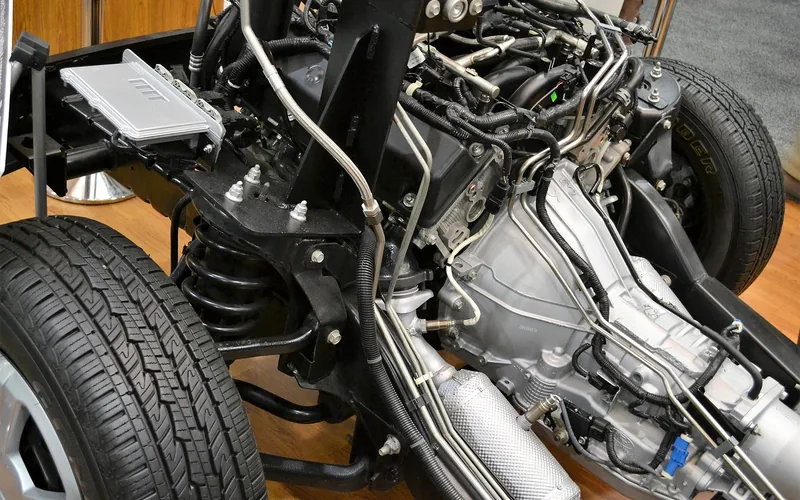
Rats, mice, and squirrels chew car wiring because the soy-based insulation used on many modern wiring harnesses is edible to them, and a parked engine bay offers warmth, shelter from predators, and nesting material in one place. Rodents don’t need to be hungry to chew — their front teeth never stop growing, so gnawing on something firm is how they file them down.
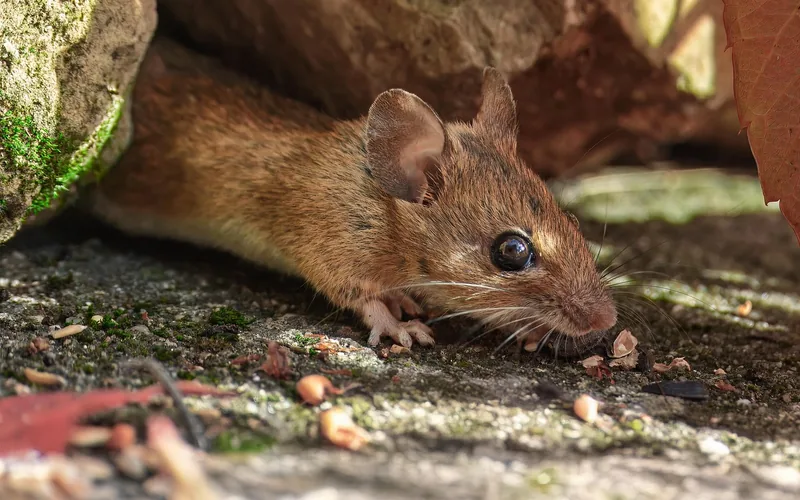
The damage adds up fast once chewing starts. Wiring harness damage, clogged air intakes from stashed acorns, chewed power steering lines, and blocked AC ducts are all documented rodent-damage patterns in vehicles.
📊 A single chewed wire typically costs $200 to $400 to repair, and a full wiring harness replacement can run $1,000 to $5,000 or more. — Source: Consumer Reports, 2026
“Chewed wires are a serious concern and will require professional assessment and potentially repair.”
— John Ibbotson, Chief Mechanic, Consumer Reports
If you’d rather work through every possible prevention habit — parking spots, yard cleanup, seasonal timing — our full guide to preventing rats and rodents in your car covers that ground in more depth. This page focuses specifically on which repellent products are actually worth buying.
What Actually Works: Comparing Rodent Deterrent Methods
Four product categories dominate the rodent-repellent market for cars: adhesive deterrent tape, physical mesh barriers, scent-based sprays, and electronic ultrasonic/strobe devices. They are not equally effective — independent reviewers and regulators have looked at each category, and the results aren’t close.
| Method | Real-World Evidence | Maintenance | Best For |
|---|---|---|---|
| Capsaicin/DNB tape | Named by Consumer Reports as a potentially effective option | None once wrapped | Wiring harness protection |
| Steel wool / mesh barrier | Physical barrier method recommended by Consumer Reports | Durable, rarely needs redoing | Blocking vents and entry gaps |
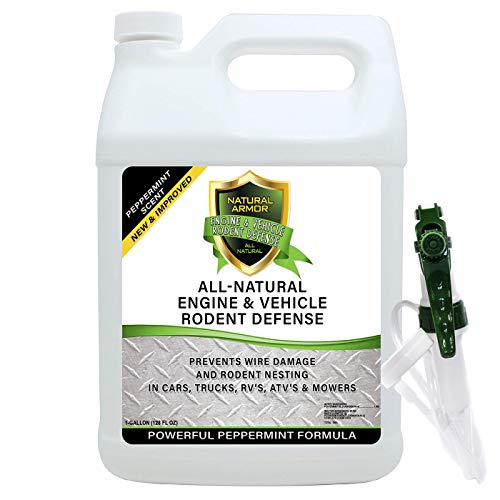
| Peppermint oil spray | Consumer Reports says it “lacks scientific validation”; scent evaporates fast | Reapply every 2-3 days | Cheap, short-term top-up |
| Ultrasonic + strobe device | FTC: no independently verified evidence these repel rodents | Battery/12V, no reapplication | A low-cost extra layer only |
Best Rodent Tape Pick
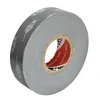
Honda 4019-2317 Rodent Tape
Capsaicin-infused OEM wire wrap that Honda dealerships actually install on new vehicles in high rodent-activity areas.
- Best for: Wrapping exposed wiring harnesses and hoses with a permanent, no-reapplication barrier
- Why we picked it: It’s the exact tape Honda installs, and Consumer Reports names it as one of the few methods with real backing
- Main drawback: Pricier per foot than generic tape, and it only protects the wires you actually wrap
Compare more rat & rodent protection options
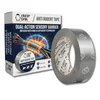 Option 1 Capsaicin & DNB Anti-Chew Tape
|
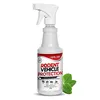 Option 2 Mighty Mint Peppermint Spray
|
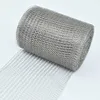 Option 3 Stainless Steel Wire Mesh
|
As an Amazon Associate we earn from qualifying purchases.
How to Apply Rodent Deterrent Tape to Your Car’s Wiring
Capsaicin-treated tape only protects the sections of wire it’s actually wrapped around, so focus on the harness runs closest to the firewall, near the battery, and anywhere you’ve already seen chew marks or nesting material.
- Park and disconnect: Let the engine cool completely, open the hood, and disconnect the negative battery terminal before touching any wiring.
- Locate exposed wiring: Identify the main wiring harness runs, hoses, and any spots showing chew marks, gnaw dust, or nesting material.
- Wrap the tape: Wrap the tape tightly around each exposed bundle, overlapping every pass by about half the tape’s width so no bare wire shows through.
- Reconnect and test: Reconnect the battery terminal, start the engine, and confirm everything runs normally before closing the hood.
Do Ultrasonic Rodent Repellers and Strobe Lights Actually Work?
No independent testing has confirmed that ultrasonic devices reliably repel rodents, and the Federal Trade Commission has warned manufacturers for decades that efficacy claims for these devices must be backed by real scientific evidence — evidence that, in most cases, doesn’t exist. Between 1985 and 1997 alone, the FTC took enforcement action against six companies for false or unsubstantiated ultrasonic pest-repellent claims.
The core problem is habituation: rodents may notice the sound at first, but studies cited by the FTC show they typically become accustomed to it within days and return to the same nesting spot regardless. Strobe lights face the same lack of independent verification — the flashing may startle a rodent once, but nothing published shows it keeps them away long-term. That doesn’t mean these devices are useless as a $20-$30 add-on layer, but don’t rely on one as your only defense.
If rodents have already gotten into your engine bay, cleanup matters as much as prevention — dried droppings can carry hantavirus risk. Our guide on how to safely deter rodents and clean an infested engine bay covers the disinfection steps in detail.
Frequently Asked Questions
How Often Should I Reapply Rodent Repellent Spray?
Reapply peppermint oil spray every 2 to 3 days for it to stay effective, not once a month. The scent is volatile and evaporates quickly in a ventilated engine bay, and a single rainfall can wash it off completely. If you want a set-it-and-forget-it option, capsaicin tape or a physical mesh barrier requires far less maintenance.
Can Ultrasonic Devices Keep Rodents Away From Cars?
There’s no independently verified evidence that they do. The FTC has repeatedly warned sellers of ultrasonic pest-control devices that efficacy claims aren’t backed by reliable science, and rodents tend to get used to the sound within days. Treat an ultrasonic device as a cheap extra layer, not your primary protection.
What Makes Strobe Lights Effective Against Rodents?
Strobe lights may startle a rodent the first time it encounters one, but there’s no independent research confirming they deter rodents over the long term. Manufacturers often bundle strobes with ultrasonic sound as a combo feature, but neither component has solid evidence behind it on its own.
Is Winter a High-Risk Time for Rodent Damage?
Yes. Rodents seek warmth during cold months, and a recently driven engine retains heat for hours after you park it, making it an attractive nesting spot. Vehicles that sit parked for days at a time in fall and winter are at the highest risk of a rodent moving in.
Are Rodent Repellents Safe for Car Components?
Capsaicin tape, steel wool mesh, and peppermint sprays sold specifically for automotive use are formulated to avoid damaging wires, plastics, hoses, and painted surfaces. Always check the product label before applying anything to painted body panels, and avoid spraying directly onto electrical connectors.
Does Car Insurance Cover Rodent Damage to Wiring?
Only if you carry comprehensive coverage — liability-only policies won’t pay for chewed wires. Comprehensive typically treats rodent damage as a non-collision claim, similar to hail, but you’ll still owe your deductible before coverage kicks in. See our full breakdown of whether car insurance covers rodent damage for how to file a claim.
What’s the Single Most Effective Rodent Repellent for a Car?
Capsaicin-infused tape wrapped directly around exposed wiring, combined with steel wool packed into entry gaps, is the combination with the strongest real-world backing. Sprays and electronic devices can supplement that protection, but neither has been shown to work reliably on its own.
Protecting your car from rodents comes down to picking a method with real evidence behind it, not just the loudest marketing claims. Capsaicin tape and physical mesh barriers cost more upfront and take a few extra minutes to install, but they don’t need the constant reapplication that sprays do, and they don’t rely on unproven ultrasonic technology. Wrap the vulnerable wiring, seal the entry points, and you’ll cut your odds of a $200-plus repair bill dramatically.
Products related to this article
Sponsored / affiliate links. As an Amazon Associate I earn from qualifying purchases. I may earn additional commission from eligible campaigns.