How to Make Your Car Sound Louder Without Breaking the Law
So, you want to learn How to Make Your Car Sound Louder Safely? It’s a common desire! Many people want a more exciting sound from their vehicle. However, it can seem tricky for beginners. Don’t worry, it’s easier than you think! We’ll explore the safest ways to make your car sound louder, step by step. Get ready to discover the secrets to a more powerful exhaust note without getting into trouble.
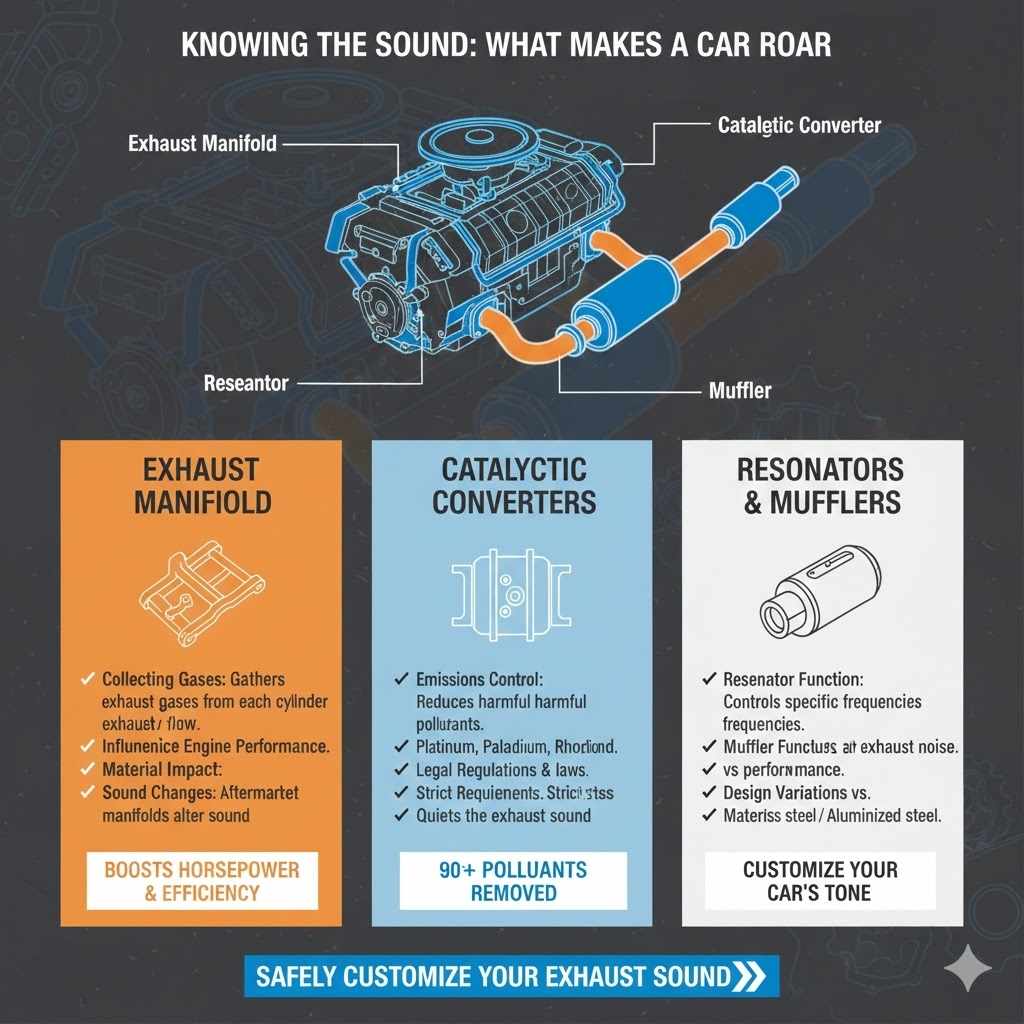
Knowing the Sound: What Makes a Car Roar
Understanding the different components of your car’s exhaust system is the first step. The exhaust system’s main job is to channel exhaust gases from the engine to the atmosphere. It also reduces noise and controls emissions. Knowing these parts helps you figure out how to safely change the sound. Components like the exhaust manifold, catalytic converter, resonators, and muffler play a vital role. When gases from the engine are expelled, they pass through a series of these parts.
Each component affects the sound. The exhaust manifold collects gases leaving the engine. The catalytic converter changes harmful substances into less harmful ones. The resonator and muffler specifically change the sound. By understanding how each part impacts the noise, you can think about making changes safely. It helps avoid illegal modifications or damage to the car. Your goal is a better sound and compliance with the law.
Exhaust Manifold and Its Importance
The exhaust manifold is a crucial part. It’s usually made of cast iron or stainless steel and collects exhaust gases from each cylinder of the engine. Think of it as the starting point of the exhaust system. The manifold design affects how efficiently the engine works. It also impacts the sound. After exhaust leaves the manifold, it moves on to other components like the catalytic converter. Changes to the exhaust manifold can affect both engine performance and the sound profile. Replacing the stock manifold with an aftermarket one can change the exhaust sound.
- Collecting Gases: The primary role of the exhaust manifold is to gather exhaust gases. These gases come from each cylinder after combustion.
- Influencing Engine Performance: The design of the manifold impacts engine performance. It impacts how efficiently exhaust gases leave the engine.
- Material Impact: Exhaust manifolds are usually made from cast iron or stainless steel. Stainless steel manifolds are often chosen for their durability.
- Sound Changes: Altering the manifold can lead to changes in the exhaust sound. Performance manifolds can change the sound.
Did you know that exhaust manifolds can be designed to enhance engine performance? This occurs by optimizing the flow of exhaust gases. Research suggests that a well-designed manifold can boost horsepower. It can improve the overall efficiency of your engine.
Catalytic Converters and Emissions
The catalytic converter is designed to clean the exhaust gases. It takes dangerous pollutants and converts them into less harmful substances. These include carbon dioxide and water. The converter contains a catalyst, often platinum, palladium, or rhodium. These are metals that speed up the chemical reactions needed to clean the exhaust. Many jurisdictions have strict rules about catalytic converters. Altering or removing them may be illegal. It can also lead to higher emissions. The converter’s impact on sound is also important, as it can reduce the noise.
- Emissions Control: Catalytic converters are essential for reducing emissions. They lower the amounts of pollutants released by your car.
- Catalyst Materials: The catalyst inside the converter is generally made of precious metals like platinum.
- Legal Requirements: Catalytic converters are subject to legal rules. Modifying or removing them can break these rules.
- Sound Effects: Catalytic converters affect the exhaust sound. They usually quiet it.
According to the Environmental Protection Agency (EPA), over 90% of harmful pollutants are removed by a well-functioning catalytic converter. This fact highlights the importance of keeping it in good shape for environmental reasons. Replacing the converter with a high-flow version is often done by enthusiasts, but it needs careful consideration. This is due to legal requirements and emissions standards.
Resonators and Mufflers: The Sound Designers
Resonators and mufflers are the key components of the exhaust system when we consider the sound. They are designed specifically to change the noise from the engine. The resonator helps reduce certain frequencies. This can smooth out the sound. The muffler does the heavy lifting, reducing overall noise. Different muffler designs create different sounds. Some mufflers are designed for a deep, throaty sound. Others focus on performance and minimal noise reduction. Knowing how these parts work lets you customize the sound while staying within legal limits.
- Resonator Function: The resonator helps control specific sound frequencies. It can lessen rasp or drone.
- Muffler Function: The muffler is designed to reduce overall exhaust noise.
- Design Variations: Different types of mufflers are made to generate various sounds. These include styles for a deep rumble or performance focus.
- Material: Mufflers come in various materials. These include stainless steel and aluminized steel, which affect their durability and the resulting sound.
The construction of a muffler greatly affects the sound. For instance, a straight-through muffler gives a louder, more direct sound. A chambered muffler produces a quieter, more refined tone. A study by the Society of Automotive Engineers (SAE) found that muffler design significantly impacts noise levels. It can be a difference of several decibels depending on the construction style.
Choosing Safe Upgrades
When you’re trying to figure out How to Make Your Car Sound Louder Safely, safety and the law should be your top priorities. There are many options to consider for exhaust modifications. From changing the muffler to installing a complete exhaust system. It’s key to choose upgrades that are legal in your area. This will avoid potential fines. It also makes sure your car follows emission standards. Research your local regulations. This will help you know the limits on noise levels and emissions. Always pick parts from trusted brands that meet those standards. Proper installation is critical. Consider having modifications done by a professional. This guarantees everything is put together correctly, and you avoid damage to your vehicle. Finally, check your work. Ensure that your modifications provide the sound you desire while being safe and legal.
Several modifications can make your car sound louder. These include changing the muffler and replacing the entire exhaust system. However, each option has factors to consider for safety, performance, and legal compliance.
Muffler Modifications
Swapping your factory muffler for an aftermarket one is a simple and effective method. There’s a wide range of mufflers available. These include options with different sound profiles. These include options designed to boost performance. The important thing is to pick a muffler that’s street legal. Make sure it complies with noise regulations in your place. Look for mufflers made from durable materials like stainless steel. This will give you a long life. The installation is generally simple. It often involves cutting the existing pipe and welding or clamping the new muffler into place. You can do this at home with the right tools. Otherwise, a professional can install it. This is a good option if you’re not comfortable. This can change the sound significantly. The sound you get will depend on your choice.
- Muffler Types: Several types of mufflers are available. They range from straight-through designs for a louder sound to chambered designs for a deeper tone.
- Material: Mufflers are usually made of stainless steel or aluminized steel. Stainless steel is known for its durability.
- Legal Considerations: Always ensure that the muffler meets local noise regulations.
- Installation: Muffler replacement can be done at home. Otherwise, a professional can install it for you.
In a test of different muffler designs, a leading automotive magazine found that a performance muffler could increase horsepower. It could improve the exhaust note. The increase in horsepower depends on the make and model of the car. It can change the sound from a quiet purr to a more aggressive tone. The choice of muffler can change the overall tone.
Exhaust System Replacements
Replacing the entire exhaust system is another option for improving sound. This often includes headers, a cat-back system, and sometimes a complete header-back system. Headers
- Headers: Headers improve exhaust flow. They replace the factory exhaust manifold.
- Cat-Back Systems: These systems begin behind the catalytic converter. They offer upgrades to pipes, resonators, and mufflers.
- Full Systems: A complete exhaust system replacement includes headers and cat-back components.
- Performance Gains: Exhaust system upgrades often bring performance benefits, such as more horsepower.
According to a report by the Specialty Equipment Market Association (SEMA), exhaust upgrades are one of the most popular modifications for vehicle owners. The modifications are a way to customize the car’s performance. The exhaust can make your car sound louder. The modification can also improve engine performance. It can also bring an improvement in horsepower, depending on the parts selected and installed.
Staying Legal and Safe
For How to Make Your Car Sound Louder Safely, always consider legal limits. Noise regulations vary from place to place. They usually set limits on the decibel levels your car can make. Noise laws are generally enforced by law enforcement through sound level tests. The tests can include roadside inspections. Also, inspections can happen during safety checks. If your car is too loud, you could get a fine or be forced to modify it back to the original sound level. Emission laws also matter. Removing or changing emissions control devices such as the catalytic converter is illegal in most places. It can lead to severe fines. Always check the local laws before making any changes to your exhaust.
Safety is also important. Always wear proper safety gear when working on your car. This includes eye protection and gloves. If you are doing exhaust work, make sure your car is securely lifted. Make sure it’s on jack stands. The exhaust system can become hot when the car is running. So, wait for it to cool down before you start working on it. Have a plan for how to remove old parts. Prepare to install the new parts. If you are not familiar with the work, think about hiring a qualified mechanic to do the job.
Understanding Noise Regulations
Noise regulations are set by state, county, and local governments. They limit how loud your car can be. The limits often depend on things like the time of day, location, and type of vehicle. Noise limits can be measured in decibels (dB). Police use sound meters to measure the noise level. If your car is over the allowed limit, you can be cited. Regulations vary across different areas. So, check local laws for specifics. Some areas also have limits for the exhaust noise level, and others have rules about modifying the exhaust system. This includes banning certain types of modifications.
- Decibel Limits: Most areas use decibel levels to measure noise. You can have a sound test to see if your car exceeds the limits.
- Location and Time: Noise limits can change according to the location. Also, noise can depend on the time of day.
- Enforcement: Police typically enforce noise regulations. They give tickets for vehicles that break the rules.
- Consequences: If you violate noise laws, you can receive fines. Also, you might have to correct the exhaust sound.
A study by the National Highway Traffic Safety Administration (NHTSA) showed that excessive noise can impact public safety. Excess noise can affect driver and pedestrian attention. This information helps underscore the importance of abiding by noise regulations. It keeps a safe environment for everyone.
Emissions and Legal Compliance
Emissions laws focus on reducing air pollution. Federal and state laws set emissions standards. These standards limit the pollutants your car can emit. The catalytic converter is a vital part of the emissions control system. It reduces dangerous substances from the exhaust. Modifying or removing the catalytic converter is illegal in many places. It leads to fines. It can even mean failing emissions tests. When picking exhaust parts, choose items that meet the existing emissions standards. After any changes, have your car checked. This confirms that it still complies with the law. This helps you to make sure your car remains legal and eco-friendly.
- Federal and State Laws: Emissions laws are generally found at the state and federal levels. They set standards for car emissions.
- Catalytic Converters: Catalytic converters are key components for reducing emissions. Tampering with or removing them is illegal.
- Aftermarket Parts: When choosing aftermarket parts, select components that meet or surpass emissions standards.
- Testing and Inspections: Ensure your car passes emissions tests after modifications. This ensures you are in compliance.
The EPA has a set of guidelines. The guidelines help car owners comply with federal emissions laws. The guidelines give details about what modifications are allowed and what is not. If you are uncertain about a part, check the EPA guidelines. Then, confirm the legal status of the product. This helps you avoid fines. Also, this helps ensure your car meets regulations.
Step-by-Step for Safer Sound
Learning How to Make Your Car Sound Louder Safely involves planning and care. Follow these steps to improve your car’s sound without breaking the law. Begin with research. This is where you learn the laws in your area. Next, think about what sound you want. Select the parts that will help you reach that sound. Always pick parts from well-known brands that meet the legal standards. When doing the work, wear safety gear. Be careful and follow the instructions. If you’re not comfortable, get a pro to install the parts. After the work is finished, check your car. Make sure everything is correct and that it has the sound you wanted.
These actions ensure a legal, safe, and enjoyable experience.
Researching and Planning
Begin by learning your local regulations. Know the rules in your area. These may cover noise levels and emissions standards. You can usually find this information on your local government’s website. Next, decide what sound you want. Consider the different types of exhaust modifications. This helps you select parts that match your sound goal. Decide your budget. Exhaust upgrades vary in price. Plan how much you are willing to spend. This keeps your project within your financial reach. Then, check the reviews. Read about different parts and brands. See which ones are known to be reliable. Always choose parts that meet or exceed local laws. This step is key to avoiding legal issues. The right preparation and planning makes the whole job easy.
- Local Regulations: Understand noise and emissions laws. They vary by location.
- Desired Sound: Pick the exhaust sound you want. This lets you select the right parts.
- Budget Planning: Decide how much you are prepared to spend. The cost of exhaust parts varies.
- Product Research: Read reviews of different parts. Choose items from trusted brands.
To avoid problems, study your car’s specific make and model. Determine what exhaust parts fit your vehicle. This helps prevent buying incompatible parts. Use online forums and product reviews to get expert advice. Research also helps you to find parts that are tested. This can guarantee that they match the laws in your area.
Choosing and Installing Parts
When selecting parts, pick items from trusted brands. These brands meet legal standards. Check that the components fit your car’s make and model. Be sure the components meet emissions standards. Installation can often be done at home. If you are skilled, you can replace the muffler. More involved installations may be best left to experts. For safety, wear gloves and eye protection. Make sure your car is lifted securely on jack stands. Follow the manufacturer’s instructions for the parts. If unsure, get a professional. A professional will guarantee that the work is done correctly. That way, you’ll meet legal requirements.
- Trusted Brands: Buy parts from reliable brands. Make sure that they meet the law.
- Compatibility: Check that the components fit your specific car make and model.
- Safety Gear: Wear gloves and eye protection when working on your car.
- Installation: If needed, get professional installation. A pro guarantees your safety.
When installing a muffler, use the right tools. Use wrenches and sockets. This helps you to remove the existing parts. Use a torque wrench to tighten the new parts. This helps make sure they’re installed to the correct specifications. When installing a complete exhaust system, it is often best to have a professional do the job. If you are inexperienced, you should have them do it. They will ensure everything works as it should.
- Muffler
- Full System Installation Scenario: You desire better performance and sound. You choose a cat-back exhaust system. After research, you select a system that is legal in your area. Because of the job’s complexity, you take the car to a professional mechanic. The mechanic installs the system. The car gets a louder sound and better performance. This improves the driving experience.

Frequently Asked Questions
Question: Is it legal to make my car louder?
Answer: It depends on where you live. You can make your car louder if it meets local noise regulations and emissions standards. Research your local laws for specifics.
Question: What’s the easiest way to make my car sound louder?
Answer: Replacing your muffler is often the easiest and most effective way. There are several aftermarket options.
Question: Can I remove the catalytic converter to make my car louder?
Answer: Removing the catalytic converter is illegal in most places. It violates emissions laws. It is also harmful to the environment.
Question: How can I tell if my exhaust is too loud?
Answer: If your exhaust exceeds the local decibel limits, it is too loud. You might be able to get a warning or citation. If you are uncertain, you can have a test completed at a shop.
Question: Who should install my exhaust system?
Answer: If you are not familiar with car work, hiring a professional mechanic is best. This ensures the work is done correctly and safely. It also helps guarantee compliance with all legal requirements.
Final Thoughts
Learning How to Make Your Car Sound Louder Safely requires careful thought. You should understand your car’s exhaust system, noise and emission laws, and available modification options. Replacing your muffler or getting a cat-back system are common options to change the sound. Always choose parts that meet local legal requirements. Take safety precautions when working on your car. Ensure compliance by choosing trusted brands and proper installation. Remember to consider all factors. Make an informed decision. With careful planning and attention, you can achieve a more exciting exhaust sound. At the same time, you remain within the boundaries of the law. So, research your options, pick high-quality parts, and have fun. Enjoy the sound of your modified exhaust!