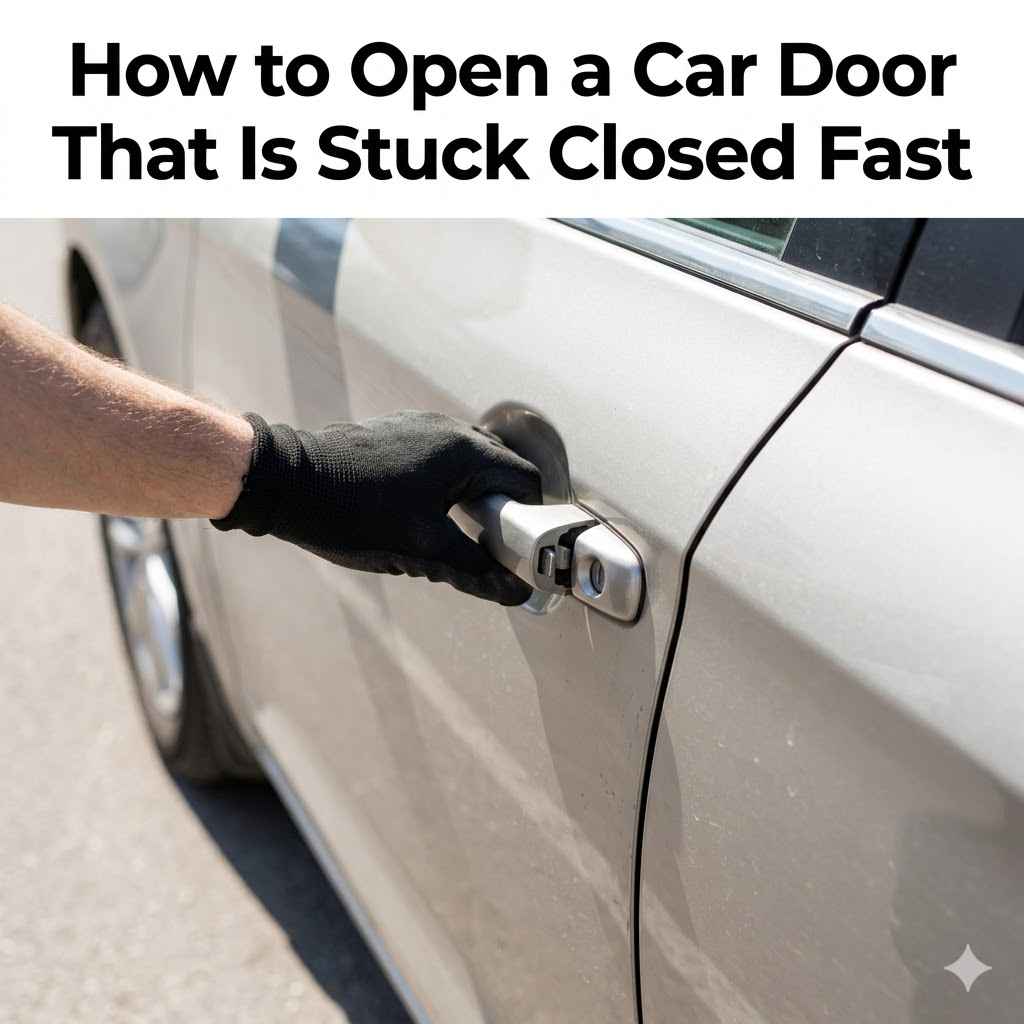
How to Open a Car Door That Is Stuck Closed Fast
Sometimes a car door just will not budge. It can be a real head-scratcher when you need to get in or out quickly. Beginners often find this situation tricky because they might not know what steps to try first.
Don’t worry, though. This guide will walk you through simple, easy-to-follow tricks. We’ll cover common reasons why a door gets stuck and show you exactly what to do.
Get ready to learn how to solve this problem fast.
Why Car Doors Get Stuck And How To Open Them
A stuck car door can happen for many reasons, from a simple mechanical issue to more complex problems with the locking system or even weather conditions. When you’re in a hurry, finding out How to Open a Car Door That Is Stuck Closed Fast is a top priority. This section will explore the common culprits behind a stubborn car door and provide initial, easy-to-try solutions that most people can do without special tools.
Understanding these reasons is the first step to quickly resolving the issue.
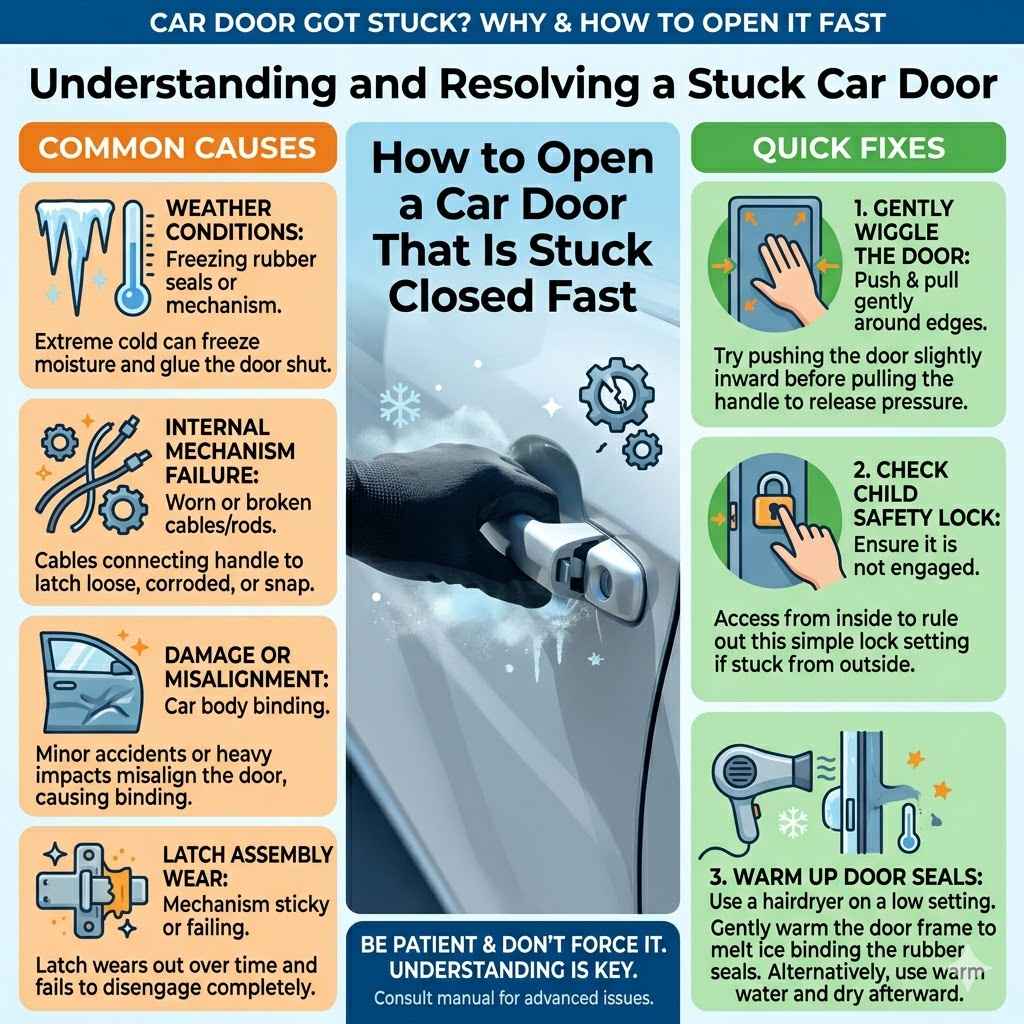
Common Causes for a Stuck Door
Car doors can get stuck for a variety of reasons, and often it’s a combination of factors. One of the most frequent causes is related to the weather. Extreme temperatures, especially cold, can cause the rubber seals around the door to freeze, making it difficult to open.
Moisture can seep into the mechanism and then freeze, effectively gluing the door shut.
Another common issue is a problem with the door’s internal locking mechanism. The cables or rods that connect the door handle to the latch might become loose, corroded, or even break. This means that when you pull the handle, the latch isn’t being released properly.
This is particularly common in older vehicles or those that have been exposed to harsh elements for a long time.
Sometimes, the door might be stuck due to damage. A minor accident or even just a heavy impact could misalign the door or damage its frame, causing it to bind against the car’s body. This makes it physically harder to pull the door open.
The latch assembly itself can also wear out over time, becoming sticky or failing to disengage completely.
Quick Fixes for a Stuck Door
Gently Wiggle the Door
This is the first and simplest thing to try. Sometimes, a door is just a bit jammed. Try pushing or pulling gently on different parts of the door, especially around the edges. You can also try to push the door inward slightly before pulling the handle. This can sometimes release the pressure on the latch and allow it to disengage. Be patient and don’t force it too hard, as this could cause more damage.
Check the Child Safety Lock
It sounds basic, but sometimes the child safety lock on the inside of the door can be the culprit if you’re trying to open it from the outside. Ensure this lock is not engaged. If you can access the door from the inside, check this setting. This is more common if the door is stuck from the inside, but it’s worth a quick check to rule out simple solutions.
Warm Up the Door Seals
If it’s cold outside, the rubber seals around the door can freeze. You can try warming them up. Use a hairdryer on a low setting to gently warm the area around the door frame. Alternatively, you can try pouring warm (not boiling hot) water around the edges of the door. This helps to melt any ice that might be binding the door shut. Be sure to dry the area afterward to prevent refreezing.
Dealing With Specific Car Door Problems
When a car door refuses to open, it’s often because of a specific issue with the locking mechanism, the handle linkage, or even an electronic fault in modern cars. This section delves deeper into these specific problems. We’ll explain how these systems work and what might go wrong, giving you a better idea of why your door is stuck.
Knowing the ‘why’ helps in choosing the right solution to get your door open fast.
Issues with Door Latches and Cables
The door latch is a crucial part of your car door’s operation. It’s a mechanism located on the edge of the door that hooks onto the striker plate on the car’s body, keeping the door closed. When you operate the door handle (either the inside or outside one), it pulls a cable or rod that actuates the latch, causing it to release.
Over time, these cables can stretch, fray, or break. The rods can also become disconnected or bent. If this happens, pulling the door handle won’t trigger the latch to open.
You might feel a difference in the handle’s resistance – it might feel loose or simply not do anything. Corrosion can also seize up the internal parts of the latch itself, preventing it from moving freely.
Troubleshooting Latch and Cable Problems
Listen for the Latch Mechanism
When you pull the door handle, try to listen for any clicking or movement from inside the door panel. If you hear nothing, it strongly suggests a problem with the cable or rod linkage. If you hear some sound but the door still doesn’t open, the latch itself might be jammed or faulty.
Check for Handle Play
Gently pull the interior and exterior door handles. If they feel unusually loose or have excessive play, it indicates that the connection to the latch mechanism is compromised. A healthy handle will have some resistance and a distinct feel when it engages the latch.
Lubrication for Sticky Latches
If the door opens sometimes and not others, the latch might be sticky. Applying a lubricant like WD-40 or a silicone spray into the latch mechanism (often accessible through a small opening or by removing the door panel) can sometimes free it up. You’ll need to spray it directly into the latch assembly where the bolts connect to the car body.
Electronic Locking Systems and Faults
Many modern cars have electronic locking systems, often integrated with the car’s remote key fob or central locking button. These systems use electric actuators to lock and unlock the doors. A central control unit manages these actuators, responding to commands from the key fob or interior buttons.
If your car door is stuck and you suspect an electronic issue, it could be a problem with the actuator itself, a blown fuse for the door lock system, or a fault in the wiring harness connecting the actuator to the control module. Sometimes, a software glitch in the car’s computer can also cause doors to malfunction.
Identifying Electronic Lock Issues
Test All Doors with the Key Fob
Try unlocking all the doors using your key fob. If only one door doesn’t respond, it points towards an issue specific to that door’s actuator or wiring. If multiple doors are affected, it might be a more widespread electrical problem.
Check Fuses
Consult your car’s owner’s manual to locate the fuse box and identify the fuse related to the door lock system. A blown fuse can easily cause the electronic locks to stop working, preventing the door from opening even with the handle. Replacing a blown fuse is a relatively simple fix.
Listen for Actuator Sounds
When you try to unlock the car electronically, listen closely for any humming or clicking sounds from the affected door. If you hear nothing, the actuator might be dead or not receiving power. If you hear a faint buzz but no movement, the actuator might be struggling or jammed.
Advanced Techniques for Stubborn Doors
Sometimes, the simple tricks aren’t enough, and you need to explore more advanced methods to get a stuck car door open. This could involve carefully prying the door open or accessing internal components. These methods require a bit more care and knowledge to avoid causing damage to your vehicle.
We’ll discuss these techniques, emphasizing safety and effectiveness in getting that door open fast.
Prying the Door Open Carefully
If the door is stuck due to binding or a slightly misaligned frame, careful prying might be necessary. This should be a last resort and done with extreme caution. The goal is to apply pressure in a way that might help the latch release or the door edge clear the frame.
You would typically use tools like a trim removal tool, a rubber mallet, or even a pry bar with a cloth wrapped around it to protect the paint. The key is to apply force evenly and strategically. Never use excessive force, as this can bend the door frame, damage the paint, or break the door itself.
Steps for Careful Prying
Identify Binding Points
Visually inspect the door and frame for any obvious signs of rubbing or binding. Often, a door gets stuck because a specific area is catching.
Use Protective Materials
Place a thin piece of plastic, a cloth, or a dedicated paint protector between your tool and the car’s body to prevent scratches.
Apply Gradual Pressure
the door is catching.
Work With the Handle
While applying gentle prying pressure, have someone else try to operate the door handle. The combination of prying and handle action might be enough to release the latch or free the binding.
Tapping Can Help
Sometimes, gently tapping around the door frame with a rubber mallet can help dislodge a frozen or slightly bound latch. The vibrations can be enough to break the seal or free up a stuck component.
Accessing the Door Mechanism Internally
If external methods fail, accessing the door’s internal mechanism might be the only way to manually release the latch. This usually involves removing the interior door panel. This is a more involved process and requires patience and the right tools.
The door panel is typically held in place by screws, clips, and sometimes adhesive. Once removed, you can get a clear view of the cables, rods, and latch assembly. You can then manually try to pull on the cables or push on the rods to disengage the latch.
This often requires a bit of trial and error to figure out which component does what.
Steps for Internal Access
Gather Necessary Tools
You will likely need a Phillips head screwdriver, a flathead screwdriver, a trim removal tool kit, and possibly a socket set.
Locate and Remove Screws
Most door panels have screws hidden behind trim pieces or under armrests. Carefully pry off these trim pieces with a trim tool to expose the screws. Remove all visible screws.
Pry Off the Door Panel
Once screws are removed, use the trim removal tool to gently pry the panel away from the door frame. Start at a corner and work your way around, releasing the clips that hold it in place. Be gentle to avoid breaking the clips or the panel.
Disconnect Components
After the panel is loose, carefully pull it away from the door. You may need to disconnect electrical connectors for power windows or speakers.
Manually Operate the Latch
With the internal mechanism exposed, you can now identify the cables and rods connected to the door handle and the latch assembly. Try pulling the cables or pushing the rods in different directions to manually trigger the latch release. This might take some experimentation to find the correct action.
When to Call a Professional
While many car door issues can be resolved with DIY methods, some problems are beyond the scope of a beginner or even an intermediate car enthusiast. In these situations, it’s always best to seek help from a professional. This ensures the problem is fixed correctly without causing further damage to your vehicle.
Knowing when to stop and call for help is crucial for a fast and effective resolution.
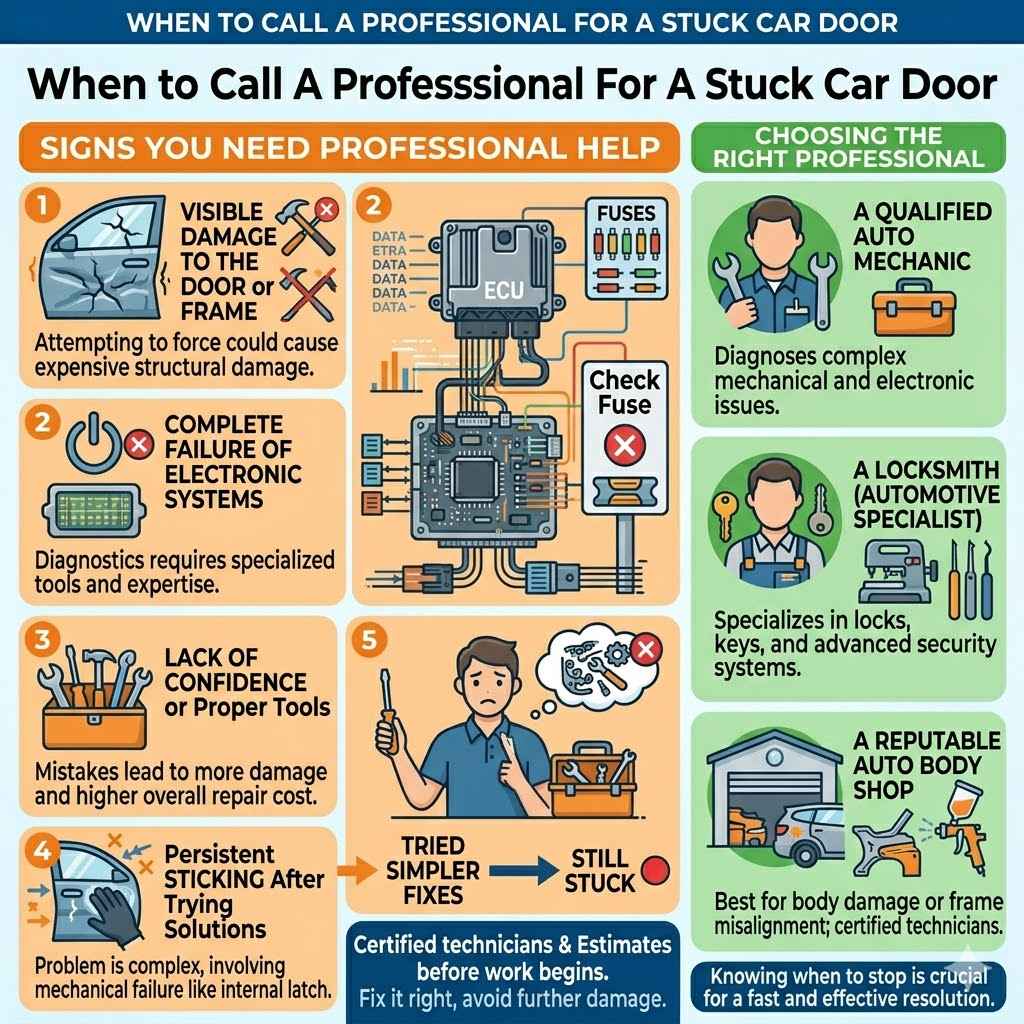
Signs You Need Professional Help
Visible Damage to the Door or Frame
If you notice significant dents, bends, or misalignment in the door or its frame, attempting to force it open could cause much more expensive damage. A professional body shop or mechanic can assess the structural integrity and repair it properly.
Complete Failure of Electronic Systems
If you’ve checked fuses and basic electronic functions and the door still won’t open, the issue might be with the car’s complex electronic control unit or intricate wiring. Diagnosing and repairing these systems often requires specialized tools and expertise.
Lack of Confidence or Proper Tools
If you’re not comfortable with disassembling car parts or don’t have the necessary tools, it’s wise to leave it to the experts. Attempting repairs without the right equipment can lead to mistakes, damaged parts, and a higher overall repair cost.
Persistent Sticking After Trying Solutions
If you’ve tried all the recommended simple fixes and advanced techniques and the door remains stuck, it’s a clear indicator that the problem is more complex and requires professional attention. This might involve internal latch failure, damaged locking rods, or other mechanical issues.
Choosing the Right Professional
For a stuck car door, your first point of call should usually be a qualified auto mechanic or a locksmith specializing in automotive services. They have the experience and tools to diagnose the exact cause of the problem.
If the issue is related to body damage or frame misalignment, a reputable auto body shop is the best option. They can address both the mechanical problem and any cosmetic or structural damage. Always look for certified technicians and ask for estimates before any work begins.
Frequently Asked Questions
Question: My car door is stuck shut in the winter, what’s the first thing I should try?
Answer: If it’s cold, try warming up the rubber door seals with a hairdryer on a low setting or by carefully pouring warm water around the door’s edges. This can help melt any ice that’s causing the door to stick.
Question: The inside door handle feels loose, but the door won’t open. What could be wrong?
Answer: A loose interior door handle usually means the cable or rod connecting it to the latch mechanism has stretched, disconnected, or broken. This prevents the handle from activating the latch.
Question: Can I use a coat hanger to open my car door if it’s stuck?
Answer: While a coat hanger might seem like a useful tool, it’s generally not effective for opening a stuck car door and can easily scratch your paint or damage the door seal if used incorrectly.
Question: My car’s electronic locks aren’t working for one door. Where should I start looking?
Answer: Begin by checking the fuse for your car’s door lock system in your owner’s manual. If the fuse is fine, the issue might be with the door’s electric actuator or the wiring to it.
Question: How much force is too much when trying to open a stuck door?
Answer: Any force that makes you worry about breaking something or causing visible damage is too much. Overly aggressive pulling or prying can bend the door, damage the frame, or break internal components.
Summary
Knowing how to open a car door that is stuck closed fast is a valuable skill. We’ve covered common reasons like frozen seals and mechanical issues. Simple steps like wiggling the door or warming seals can often help.
If these don’t work, exploring internal mechanisms or calling a professional might be necessary. You now have the knowledge to tackle most stuck door situations with confidence.