3 Best Car Trim Removal Tools for DIY Repairs (2026): We Compared
The best car trim removal tools are a single push-pin tool for clips, a nylon-safe set for painted panels, and a heavy-duty steel set for stubborn fasteners. Pick the wrong one and you can bend clips, mar trim, or crack a panel, which turns a cheap job into replacement parts. This guide compares those three tool types by the jobs they handle best, with buying points you can check before you spend.
Quick comparison
| Product | Badge | Best for | Price | ||
|---|---|---|---|---|---|
 |
Tresalto Auto Trim Removal Tool Kit – 5 Piece set for Dash,Tresalto | Our pick | 5-piece · Nylon fiber · Blue finish | $7.95
Price as of 19 Oct 2026
|
View |
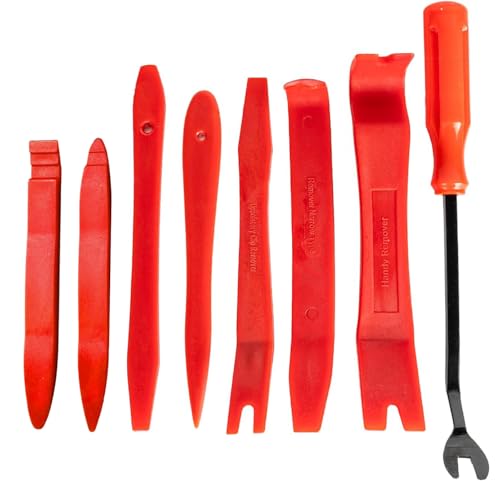 |
Auto Trim Removal Tool Set (No Scratch Plastic Pry ToolSunplusTrade | Also great | 8-piece · Nylon fiber · High quality | $9.99
Price as of 19 Oct 2026
|
View |
 |
SARDVISA Metal Auto Trim Removal Tools, Stainless Steel, 2SARDVISA | Upgrade pick | 2-pack · Stainless steel · Polished surface | $15.99
Price as of 19 Oct 2026
|
View |
The real choice is not “best tool,” but best tool for the failure mode you expect. Soft interior trim calls for nylon, stubborn fasteners call for steel, and one-off push-pin removal often needs nothing more than a single angled tool.
How we chose
Four factors matter more than brand hype: surface risk, reach, leverage, and fastener type. A tool that is safe on soft-touch trim can still be too flexible for a stuck bumper clip.
Kit size should be weighed against actual ownership value. A 24-piece box makes sense mainly if you work on different interiors, fasteners, and trim depths often enough to keep the pieces organized.
Finally, storage matters. Multi-piece kits lose value fast when the parts scatter in a drawer or trunk pouch.
| Product type | Material | Weight | Best use | One-line take |
|---|---|---|---|---|
| CRAFTSMAN Plastic Clip Removal Tool | Plastic clip tool with angled head | 3.87 ounces | Quick push-pin removal | Best when you want one light tool for a fast job. |
| OEMTOOLS nylon trim tool set | Impact-resistant nylon | 7.5 ounces | Scratch-free interior trim | Best for painted panels, soft plastics, and molding edges. |
| ROTATION heavy-duty set | Chrome-vanadium steel | 2.94 pounds | Door panels and stubborn clips | Best when you need stiffness and deeper pry force. |
| Eaukar 24 Pcs Auto Trim Removal Tool Kit | Mixed steel and nylon | 1.19 pounds | Mixed jobs and broad coverage | Best value if you need many shapes and do not mind sorting pieces. |
Which trim tool for which job?
Choose by the fastener, not by the biggest kit. Push pins reward a straight pull, door panels need controlled pry angles, and stubborn exterior trim often needs steel because flex wastes force and can round off a clip before it releases.
| Job | Material | Leverage | Scratch risk | Best use | Avoid if |
|---|---|---|---|---|---|
| Push pins | Single push-pin tool or clip pliers | Low to moderate | Low if aligned correctly | Interior retainers, splash shields, panel fasteners | You need broad prying force or a deep side-access gap |
| Door panels | Nylon-safe set or steel set with care | Moderate | Moderate to low with nylon | Door cards, radio bezels, molding edges, dashboards near paint | The panel is painted, soft-touch, or close to a visible finish |
| Stubborn exterior trim | Chrome-vanadium steel | High | Higher | Bumper clips, stuck molding, deep cavity fasteners | The trim is delicate, glossy, or sitting beside exposed paint |
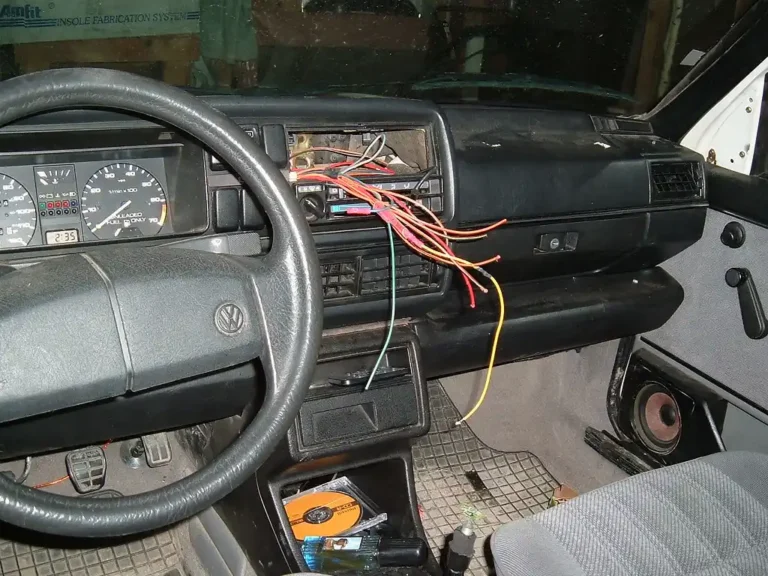
Short tools help in tight dashboard spaces because they clear nearby switches and bezels without flexing into them. Long tools, about 10 inches or more, help when the clip sits deep in a door cavity and reach matters more than finesse.
Say your radio bezel sits under a tight dash lip and the retainer is only visible through a narrow gap. A short nylon pry tool lets you work without dragging steel across the console, while a longer bar may simply be too bulky for the opening.
A common first-timer mistake is forcing a big pry bar into a tiny slot because it “looks stronger.” That often bends the trim tab, not the tool, and leaves you with a broken retainer behind the panel.
CRAFTSMAN Plastic Clip Removal Tool: best for quick push-pin jobs

This single-tool format suits fast push-pin work when you do not want a full kit on the bench. The angled head helps get under retainers, and the 3.87-ounce weight keeps it easy to maneuver in a door jamb, splash shield, or interior panel edge.
It is the clearest buy for one job: removing push-pin retainers without carrying extra pieces. The 4.8-star rating from 874 ratings suggests buyers like its simplicity, and the tool form is easy to stash in a glove box or door pocket.
The drawback is obvious. It is not a substitute for a full pry set when you face deep door cavities, brittle clips, or a mix of panel styles. One tool solves one problem well.
Eaukar 24 Pcs Auto Trim Removal Tool Kit: best for mixed jobs
This is the broadest low-cost option in the group, and its mixed steel-and-nylon layout matters. The 24-piece count and 1.19-pound weight make it useful when you want many shapes for different fastener angles, interior pieces, and trim depths.
That variety helps if you work across door panels, dashboards, and exterior trim often enough to need options. The added pieces also matter when one shape is too thick or too short for a particular gap.
The trade-off is organization. A 24-piece kit can turn into clutter quickly, so a storage case or pouch matters more here than it does on a single-tool purchase. It is overkill if you only need a push-pin remover or a basic 5-piece interior set.
OEMTOOLS nylon trim tool set: best for scratch-free trim
This 5-piece set uses impact-resistant nylon and weighs 7.5 ounces, which makes it the safest fit for paint-adjacent trim, soft plastics, and molded interior panels. Nylon flexes slightly instead of gouging, so it is the better call near visible finishes.
That matters around dashboards, radio bezels, and interior molding where a slip can leave a permanent mark. A compact 5-piece kit is enough if your work stays inside the cabin and your main concern is avoiding scratches.
Its limit is stiffness. Nylon is the safer material, but it is not the strongest choice for stubborn bumper clips or heavily seized fasteners. If the clip is truly stuck, steel is the better tool.
ROTATION 6-Piece heavy duty car vehicle trim clip removal set: best for stubborn clips
This set is built for force, not delicacy. It uses chrome-vanadium steel, includes 6 tools, weighs 2.94 pounds, and carries a 4.7-star rating from 745 ratings. That weight and material choice point to higher pry force and less bending under load.
That makes it a better match for door panels, bumper clips, and stubborn exterior trim than a soft nylon kit. Chrome-vanadium steel is the right answer when the fastener resists release and a flexible tool just wastes motion.
The drawback is surface risk. Steel can mar paint and soft plastics if you slip, so it belongs on tougher jobs and in controlled hands. It also takes more room than a single tool, which matters in tight cabin spaces.
Choose CRAFTSMAN if… / Choose OEMTOOLS if… / Choose ROTATION if…
Choose the CRAFTSMAN tool if you mainly fight push pins, want one light piece, and need a fast answer for splash shields or small interior fasteners. It is also the simplest choice if you want the least clutter.
Choose OEMTOOLS if your priority is scratch control around painted trim, soft plastics, or dashboard edges. A 5-piece nylon set is enough when you need multiple angles, but not a drawer full of tools.
Choose ROTATION if the clip is stubborn, the panel is deep, or the part has already started to bind. The steel build and heavier feel make sense when bending resistance matters more than surface softness.
Do you need clip pliers?
Clip pliers are worth it when you need to pull push pins and panel fasteners straight out instead of prying at an angle. That straight-line motion reduces twisting, which helps prevent broken clips and torn mounting holes. Pry tools still do most of the panel separation work.
Use pliers when the fastener head is exposed enough to grab cleanly. If the retainer sits flush or hidden under trim, start with a pry tool and only switch to pliers once the clip body is reachable.
They matter most on door panels, splash shields, and fasteners that have already loosened but still hang in the hole. They are not a replacement for a pry bar on trim seams.
Can you use a screwdriver instead?
You can, but you should not. Screwdrivers spread force poorly on trim, and their narrow edges can scratch paint, mar soft plastics, and crack brittle clips before the fastener releases. A trim tool gives you a wider, safer contact patch.
The failure usually starts with the finish, then the clip. A slipped screwdriver can leave a visible gouge on a bezel or door card long before the retainer lets go.
If the only tool available is a screwdriver, stop and get the right one. The repair cost of a scratched panel is usually higher than the cost of a basic trim tool.
What size kit do you actually need?
Buy for the job you do most often. A single push-pin tool works for quick fastener removal, a 5-piece nylon set covers most interior trim work, and a 24-piece kit makes sense only when you need many shapes, angles, and fastener styles. Bigger is not automatically better.
Storage case or pouch quality becomes more important as the kit gets larger. That is especially true for 18-piece-and-up sets, where loose tools waste time and disappear under seats or in drawers.
If your work is mostly one car, one cabin, and one type of fastener, a smaller kit is usually the smarter purchase. If you maintain multiple vehicles or trim types, the broader set earns its keep.
Which trim tool to buy by scenario?
Need one tool for weekly push-pin work on splash shields? Start with the CRAFTSMAN single tool. Need a cabin-safe set for dashboards, radio bezels, and painted trim? Buy the OEMTOOLS nylon set. Need force for door panels and stubborn clips? Choose the ROTATION steel set.
Suppose a door panel has three push pins near the lower edge and one clipped bezel near the mirror sail panel. A clip tool or pliers removes the pins cleanly, while a nylon pry tool handles the bezel without scuffing the surrounding trim.
What should you look for in a car trim tool set?
Look for the right material, the right shape, and a size that fits your usual work. For interior trim, impact-resistant nylon is safer around paint and soft plastics. For stubborn clips, chrome-vanadium steel gives you the force and bend resistance that lighter plastics cannot match.
Also check handle shape, tool angle, and whether the kit includes a storage case. An organized set is easier to keep complete, especially when it includes many pieces.
Car trim removal tools checklist
If a clip breaks, do not reinstall the panel with missing retainers and hope for the best. That usually leads to rattles, loose trim, or a panel that pops free again.
- Remove the broken retainer from the panel or body side.
- Match the replacement by shape, stem diameter, and head style.
- Check for hidden pieces left in the hole before reassembly.
- Replace any fastener that has visible stress whitening or bent legs.
- Keep a small assortment of common push-pin sizes in a labeled bag.
Frequently asked questions
What is the best car trim removal tool for door panels?
For most door panels, a nylon-safe set is the best starting point because it gives you enough pry options without scratching painted edges or soft-touch trim. If the panel uses stubborn clips or sits deep in the door cavity, a steel set may be the better follow-up tool for the hardest fasteners.
Are nylon trim removal tools better than metal ones?
Nylon is better when surface protection matters, especially around paint, bezels, and soft plastics. Metal is better when the fastener is stubborn or buried deeper than a flexible plastic tool can comfortably reach. The safer material is not always the stronger one, so choose by the failure case.
Do I need clip pliers or just pry tools?
If you deal with push pins or panel fasteners often, clip pliers are useful because they pull straight out and reduce twisting. Pry tools still do the main separation work on trim seams, so most buyers need both only if they remove a lot of fasteners rather than just panels.
Which trim removal tool is best for avoiding scratches?
Impact-resistant nylon is the best choice for avoiding scratches. It is the safer option around painted panels, glossy bezels, and soft plastics because it flexes slightly instead of digging in. Metal tools can still be useful, but they demand more care and should stay off delicate surfaces when possible.
What size trim removal tool kit do I actually need?
If you only remove the occasional push pin, a single tool is enough. A 5-piece nylon set suits most interior work. A 24-piece kit makes sense only if you want many shapes for varied jobs and are willing to keep the set organized in a case or pouch.
Can I use a screwdriver instead of a trim removal tool?
You can physically use one, but it is a poor substitute. Screwdrivers concentrate force and scratch paint more easily, especially when they slip off a brittle clip or catch on a soft edge. A trim tool spreads the load better and is much less likely to damage the finish.
What is the best trim removal tool for tight dashboard gaps?
A short nylon pry tool is usually the best fit for tight dashboard gaps because it clears nearby switches and bezels without overreaching. When the cavity is deeper, a longer tool, 10 inches or more, can help, but only if the opening is wide enough to accept the extra length.
Products related to this article
Sponsored / affiliate links. As an Amazon Associate I earn from qualifying purchases. I may earn additional commission from eligible campaigns.