Simple Car Maintenance Tips for Busy Schedules (2026)
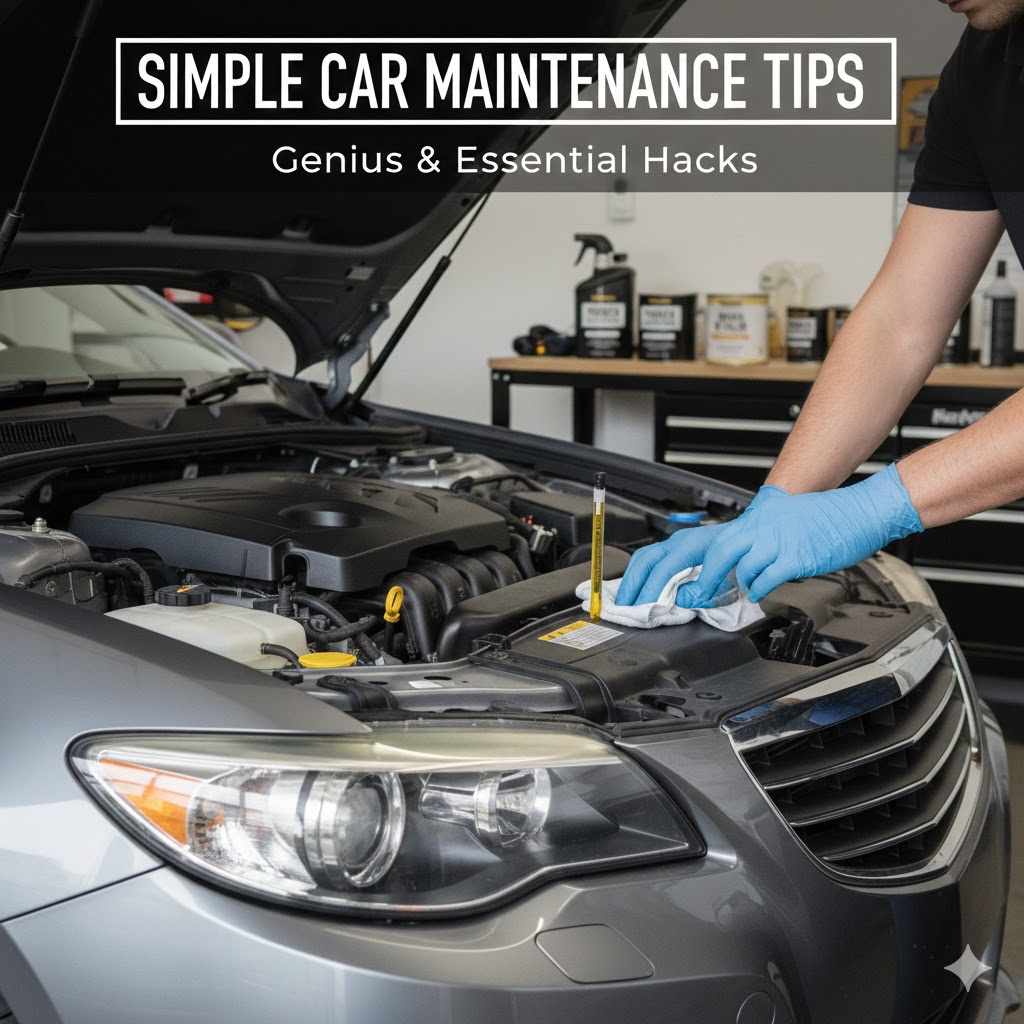
Simple car maintenance tips include regularly checking your tire pressure, monitoring fluid levels like oil and coolant, replacing worn wiper blades, and keeping your battery terminals clean. These quick tasks prevent costly repairs and keep your car running safely and efficiently, even with a busy schedule.
Does the thought of car maintenance make you nervous? You are not alone. Many people feel overwhelmed by what goes on under the hood. They worry about high repair bills and confusing mechanic jargon. It feels like you need to be an expert just to keep your car safe on the road.
But I have great news for you. You don’t need to be a mechanic to take great care of your car. With a few simple checks and clever hacks, you can save money, avoid breakdowns, and feel confident behind the wheel. In this guide, I’ll show you the essential, easy-to-learn secrets to keeping your car in top shape. Let’s get started!
Quick Answer
The best simple car maintenance habits are: check tire pressure and fluid levels monthly, replace wiper blades when they streak, clean battery terminals every 3-6 months, rotate tires every 5,000-8,000 miles, and change oil every 5,000-10,000 miles (not the outdated “3,000-mile rule”). Each takes five minutes or less and can prevent hundreds of dollars in repairs.
Why Basic Car Care Matters (More Than You Think!)
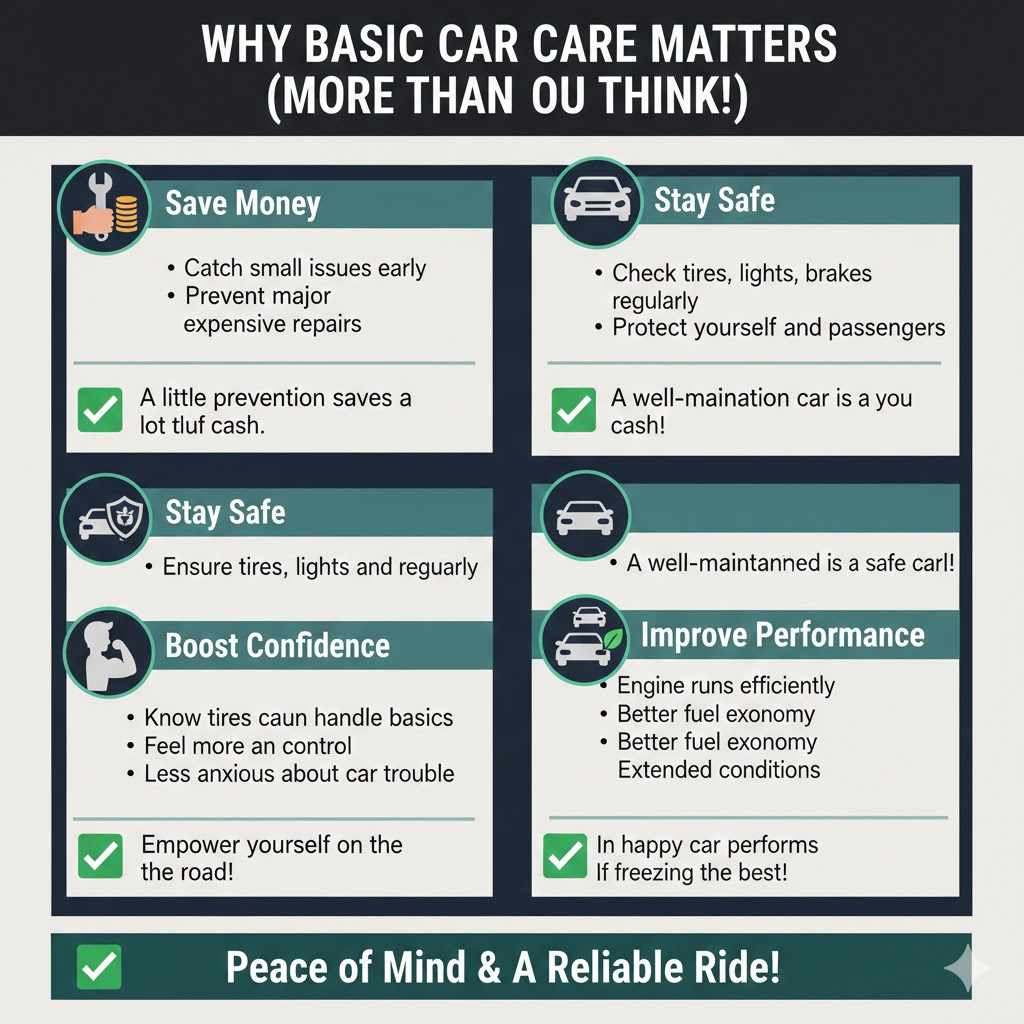
Taking a few minutes each month for simple maintenance is one of the smartest things you can do as a car owner. It’s not just about avoiding big repair bills; it’s about your peace of mind and safety. Think of it like a regular health check-up for your car.
- Save Money: Catching a small issue, like low tire pressure, can prevent a major, expensive problem later, like a blowout or poor fuel economy. A little prevention saves a lot of cash.
- Stay Safe: Simple checks on your tires, lights, and brakes ensure your car is safe for you and your passengers. A well-maintained car is a reliable car.
- Boost Confidence: Knowing you can handle the basics feels amazing. You’ll feel more in control and less anxious about car trouble.
- Improve Performance: A happy car runs better! Clean fluids and properly inflated tires help your engine perform its best and use less fuel.
The Best Car Maintenance Tips at a Glance (Quick Checklist)
Short on time? Here are the best car maintenance tips ranked by impact, so you can knock out the highest-value tasks first even on a packed schedule.
- Check tire pressure monthly. Takes two minutes, prevents blowouts, and can improve fuel economy by up to 3%.
- Check oil level and color monthly. Catches leaks and low levels before they cause engine damage.
- Replace wiper blades every 6-12 months (or as soon as they streak).
- Clean battery terminals every 3-6 months. Corrosion is one of the most common causes of no-start problems.
- Rotate tires every 5,000-8,000 miles to promote even wear and extend tread life.
- Change oil every 5,000-10,000 miles for modern synthetic oil — not the outdated “every 3,000 miles” rule. Check your owner’s manual for your exact interval.
- Replace cabin and engine air filters annually. Cheap insurance for air quality and fuel efficiency.
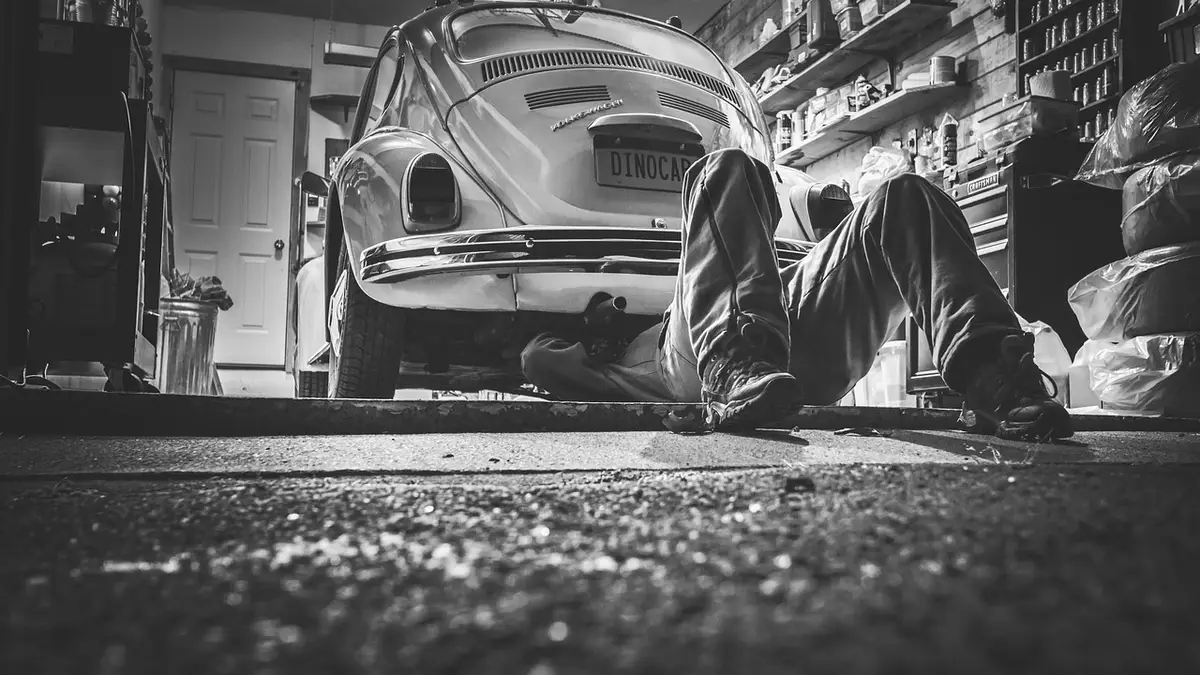
Our Top Pick
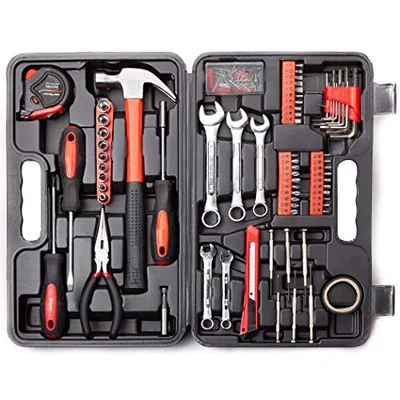
CARTMAN 148-Piece Automotive & Household Tool Set
Best for: Building a complete basic toolbox in one purchase.
Why we picked it: Covers sockets, wrenches, screwdrivers, and pliers — enough to handle every DIY task in this guide, from battery terminals to wiper blades.
Main drawback: Chrome-plated finish is fine for occasional use but not built for daily professional shop work.
View Our Pick on Amazon
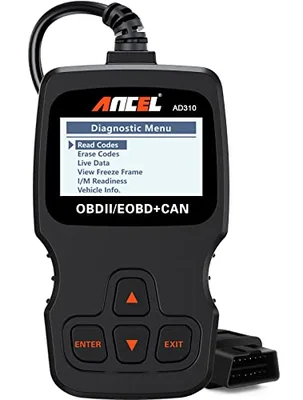 ANCEL AD310 OBD2 Scanner Best for: Decoding a Check Engine light before it turns into a surprise repair bill. Why we picked it: Plugs into any 1996+ car and reads the exact trouble code in seconds. Main drawback: Only clears basic codes — won’t diagnose deeper electrical issues. Check on Amazon |
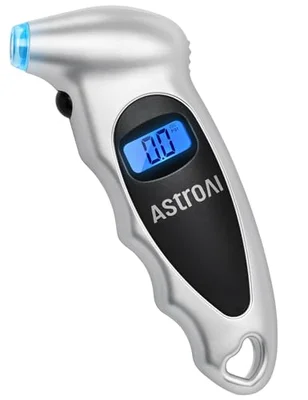 AstroAI Digital Tire Pressure Gauge Best for: Getting an accurate monthly tire pressure reading (far more reliable than eyeballing it). Why we picked it: Calibrated to +/-1 PSI accuracy with a bright, easy-to-read backlit display. Main drawback: Runs on a coin-cell battery that eventually needs replacing. Check on Amazon |
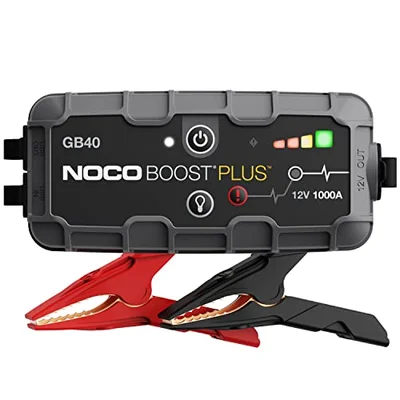 NOCO Boost GB40 Jump Starter Best for: Reviving a weak battery yourself instead of waiting on roadside assistance. Why we picked it: Pairs perfectly with the battery-terminal cleaning tips in this guide — a clean, charged battery starts every time. Main drawback: Needs to be recharged every few months even if unused. Check on Amazon |
The 5-Minute Monthly Car Checkup
You don’t need hours to keep your car healthy. Dedicate just five minutes once a month to this quick walk-around inspection. It’s the easiest way to spot potential issues before they become serious headaches. Grab a coffee, head outside, and let’s do this together.
The Tire Check
Your tires are your car’s only connection to the road. Giving them a quick look is crucial.
- Check the Pressure: Use a simple tire pressure gauge to check each tire. The correct pressure is listed on a sticker inside your driver’s side door jamb, not on the tire itself.
- Look for Wear: Are the tires wearing down evenly? Any visible bumps, cracks, or nails stuck in the tread?
- Check the Tread Depth: A classic hack is the “quarter test.” Stick a quarter upside down into the tire tread. If you can see the top of Washington’s head, your tread is low and it’s time to think about new tires.
The Fluid Spot-Check
You don’t need to pull out every dipstick right now. Just take a peek under the car where you normally park. Do you see any new drips or puddles on the ground? A small spot can be the first sign of a leak. Brown or black fluid could be oil, while green, pink, or orange fluid is likely coolant.
The Lights & Wipers Test
This is easiest with a friend, but you can do it alone too.
- Lights: Turn on your car and test your headlights (both high and low beams), turn signals, brake lights, and reverse lights. You can check the brake lights by backing up toward a garage door or storefront window at night and looking for the reflection.
- Wipers: Squirt your windshield washer fluid. Do the wipers clear the glass cleanly, or do they leave streaks? If they streak, it’s time for new blades.
Genius Hack #1: Master Your Car’s Fluids
Fluids are the lifeblood of your vehicle. Keeping them at the right levels is one of the most important maintenance tasks you can perform. It sounds technical, but it’s surprisingly simple.
Checking Your Engine Oil
Engine oil keeps all the moving parts of your engine lubricated. Running low on oil can cause catastrophic engine damage. Most modern cars with synthetic oil go 5,000-10,000 miles between changes — not the outdated “every 3,000 miles” rule — but the exact number depends on your car and driving conditions. See our guide on when to schedule your first oil change for the specifics.
- Park on Level Ground: Make sure your car is parked on a flat surface. For the most accurate reading, check the oil when the engine is cool or has been off for at least 10 minutes.
- Find the Dipstick: Open the hood and find the oil dipstick. It usually has a brightly colored handle (often yellow or orange) and might have an oil can symbol on it.
- Pull, Wipe, and Dip: Pull the dipstick all the way out. Use a paper towel or rag to wipe it clean. Then, push it all the way back in, wait a second, and pull it out again.
- Read the Level: Look at the tip of the dipstick. You will see two marks, sometimes labeled “MIN” and “MAX” or “ADD” and “FULL.” The oil level should be between these two marks. If it’s below the “ADD” line, you need to add more oil.
Topping Up Windshield Washer Fluid
This is the easiest win in car maintenance! There’s nothing more frustrating than a dirty windshield you can’t clean.
- Find the reservoir under the hood. It’s usually a large plastic tank with a symbol of a windshield and a water spray.
- Unscrew the cap and pour in windshield washer fluid until it’s full. You can buy this fluid at any gas station or auto parts store.
- In a pinch, you can use water, but proper fluid has cleaning agents and won’t freeze in the winter.
A Quick Guide to Other Key Fluids
Some fluids are just for checking, while others are best left to a professional. Here’s a quick rundown.
| Fluid Type | What It Does | How to Check | DIY or Pro? |
|---|---|---|---|
| Engine Coolant (Antifreeze) | Keeps your engine from overheating or freezing. | Look at the see-through reservoir. The level should be between the “MIN” and “MAX” lines. NEVER open the radiator cap when the engine is hot. | DIY for topping up. For a full flush, see our coolant flush interval guide. |
| Brake Fluid | Powers your brakes. This is a critical safety system. | The reservoir is usually small and located at the back of the engine bay. The fluid should be clear or slightly yellow. | Pro. If the fluid is low or dark brown, have a mechanic inspect your brake system immediately. |
| Transmission Fluid | Lubricates your transmission’s gears. | Some cars have a dipstick (check your owner’s manual). The check procedure can be tricky. | Pro. This is a sealed system on many modern cars. Let a professional handle it. |
Genius Hack #2: Tire TLC for Safety & Savings
Proper tire care is non-negotiable for safety. It also helps your tires last longer and improves your car’s fuel efficiency, saving you money at the pump. If you’ve recently had new tires installed, it’s also worth checking whether an alignment is needed — see does a car need an alignment after new tires for what mechanics actually recommend.
Why Tire Pressure is a Big Deal
According to the National Highway Traffic Safety Administration (NHTSA), under-inflated tires are a leading cause of tire failure. Low pressure causes the tires to flex more, building up heat and increasing the risk of a blowout. It also wears them out faster and makes your engine work harder, wasting gas.
- When to Check: Check your tire pressure at least once a month and before any long road trips.
- How to Check: Always check the pressure when the tires are “cold”—meaning the car has been parked for at least three hours or hasn’t been driven more than a mile.
- Where to Find the Right PSI: The correct pressure (measured in PSI, or pounds per square inch) is on a sticker inside the driver’s side door jamb or in your owner’s manual. Do not use the number printed on the tire itself; that is the maximum pressure the tire can hold, not the recommended pressure for your vehicle.
Genius Hack #3: Keep Your Vision Crystal Clear
Being able to see clearly is paramount for safe driving. Thankfully, keeping your windows, wipers, and lights in top shape is easy and cheap.
Replacing Wiper Blades in Under 5 Minutes
Don’t pay a shop to do this! It’s one of the most satisfying DIY tasks. New blades are inexpensive, and you can change them in the parking lot of the auto parts store.
- Buy the Right Blades: Your local auto parts store will have a guide to help you find the exact size blades for your car’s make and model.
- Lift the Wiper Arm: Pull the wiper arm away from the windshield. It should lock into an upright position.
- Remove the Old Blade: Look for a small tab or button where the blade connects to the arm. Press this tab and slide the old blade off. It might take a little wiggle.
- Install the New Blade: Slide the new blade onto the arm until it clicks securely into place.
- Gently Lower the Arm: Carefully place the wiper arm back against the windshield. Repeat for the other side, and you’re done!
The Toothpaste Trick for Hazy Headlights
Over time, the plastic on modern headlights can get yellow and hazy, reducing their brightness. A simple household item can help restore them.
- What You Need: Regular white toothpaste (not the gel kind), a cloth, water, and some car wax or sealant.
- The Process: Clean the headlight with soap and water. Apply a generous amount of toothpaste to a cloth and scrub the headlight in small circles. You’ll feel the surface getting smoother.
- Rinse and Protect: Rinse the toothpaste off completely and dry the headlight. To keep it clear for longer, apply a layer of car wax or a UV sealant.
Genius Hack #4: Battery Basics for Reliable Starts
Your car battery works hard every day. A little attention can prevent that dreaded clicking sound when you try to start your car. For a deeper diagnostic than the visual checks below, see our guide on how to check car battery health with a multimeter.
Spotting a Weak Battery
A battery usually gives a few warning signs before it fails completely. Look out for:
- The engine cranks slowly when you try to start it.
- Your headlights seem dim, especially when the engine is off.
- You see a battery warning light on your dashboard.
- A clicking sound instead of the engine starting.
Cleaning Battery Terminals
Corrosion on the battery terminals (the metal posts where the cables connect) can prevent a good electrical connection. It often looks like a white or greenish powdery substance. Not sure which cable to disconnect first? Check which cable goes on a car battery first before you start.
Safety First: Always wear gloves and eye protection when working near a battery.
- Disconnect the Battery: Disconnect the negative (-) terminal first, then the positive (+) terminal.
- Make a Cleaning Paste: Mix a tablespoon of baking soda with a little water to create a paste.
- Scrub the Terminals: Apply the paste to the terminals and the cable connectors. Use an old toothbrush or a wire brush to scrub away the corrosion. You’ll see it bubble as it works.
- Rinse and Dry: Wipe the terminals clean with a damp cloth and then dry them thoroughly.
- Reconnect: Reconnect the positive (+) terminal first, then the negative (-) terminal.
Putting It All Together: Your Simple Maintenance Schedule
Feeling overwhelmed? Don’t be. Here is a simple schedule you can follow to stay on top of everything.
| Frequency | Maintenance Task | Why It’s Important |
|---|---|---|
| Monthly | Check tire pressure. Check oil level. Check windshield washer fluid. Visually inspect lights and tires. | Catches the most common issues that affect safety and performance. |
| Every 3-6 Months | Clean battery terminals. Rotate tires (or have a shop do it). Check coolant level. Inspect wiper blades for wear. | Promotes even tire wear and ensures your electrical and cooling systems are healthy. |
| Annually | Replace engine air filter. Replace cabin air filter. Get a professional oil change and inspection (or every 5,000-10,000 miles for synthetic oil, whichever comes first). | Keeps your engine and your cabin air clean. A pro can spot issues you might miss. |
EV vs. Gas Car Maintenance: What’s Different in 2026
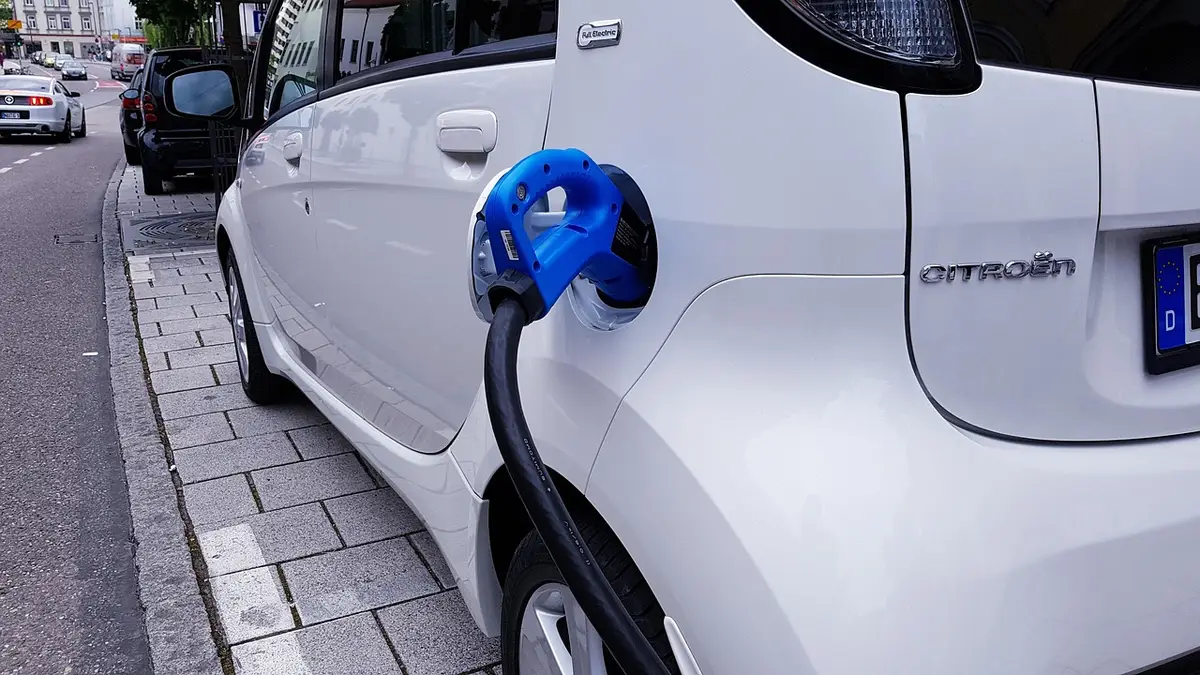
If you’re driving (or considering) an electric vehicle, your maintenance checklist looks different. An electric motor has roughly 20 moving parts, compared to about 2,000 in a modern gas engine, so several items on this page simply don’t apply.
What EVs Skip Entirely
Electric vehicles never need oil changes, spark plugs, timing belts, fuel filters, exhaust repairs, or traditional transmission service. That alone eliminates most of the “Genius Hacks” fluid and engine tasks covered above.
What EVs Still Need (and Where They Cost More)
- Tires wear faster. EV tires wear about 20-30% faster than tires on a comparable gas car, thanks to instant torque and extra battery weight. A tire set that lasts 40,000-50,000 miles on a gas sedan might only last 30,000-40,000 miles on the electric version.
- Brake fluid still needs a flush. Regenerative braking means EV brake pads barely wear, but the fluid still sits in the lines and absorbs moisture over time. Most automakers recommend flushing it every 2 years or 25,000 miles regardless of pad condition.
- Battery coolant has its own interval. The battery pack’s cooling system typically lasts 100,000-150,000 miles, but it must use the exact fluid specified by the manufacturer — substituting regular engine coolant can damage the pack.
- Cabin air filters and brake inspections still apply just like a gas car.
The upside: EV maintenance runs about $0.061 per mile versus roughly $0.101 per mile for a gas car. At 15,000 miles a year, that’s about $915 for an EV versus $1,515 for a gas vehicle — a savings of roughly $600 annually, even accounting for the faster tire wear.
Seasonal Checklist for Any Vehicle
A few tasks are worth doing by season, whether you drive gas or electric.
- Winter: Test your battery (cold weather is hardest on a weak one), check antifreeze/coolant levels, and consider winter tires if you’re in a snowy climate.
- Summer: Have the AC serviced if it’s not blowing cold, and top up coolant before long, hot drives.
- EV owners: Keep software up to date for efficiency improvements, and precondition the cabin while still plugged in to save range.
When to Skip the DIY and Call a Professional
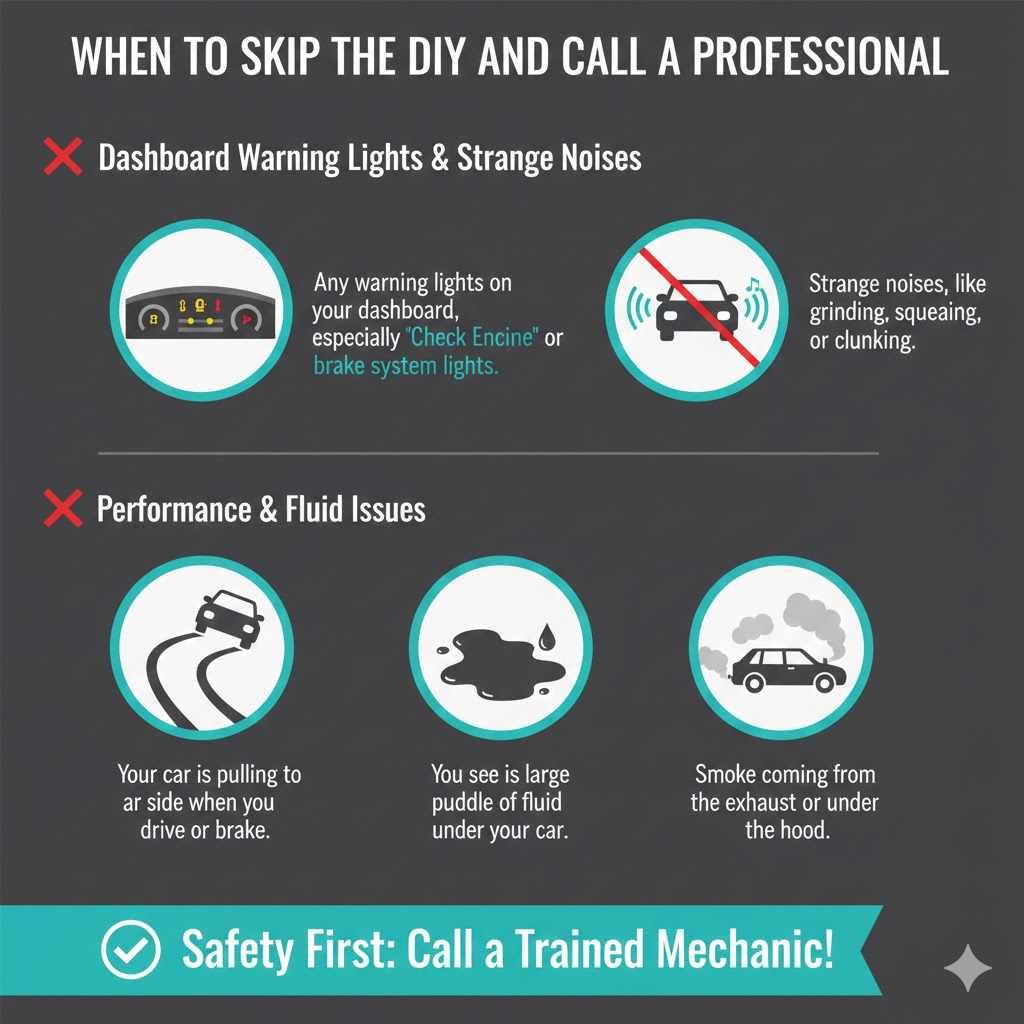
Knowing your limits is just as important as knowing how to do a task. While these hacks are great, some jobs are best left to a trained mechanic with the right tools. Call a professional if you notice:
- Any warning lights on your dashboard, especially the “Check Engine” or brake system lights.
- Strange noises, like grinding, squealing, or clunking — a squeal when braking often points to worn pads. See our guide on how to fix squeaky brakes for what to check first.
- Your car is pulling to one side when you drive or brake.
- You see a large puddle of fluid under your car.
- Smoke coming from the exhaust or under the hood.
- The brakes feel spongy, soft, or are hard to press.
Frequently Asked Questions (FAQ)
How often should I check my oil?
It’s a great habit to check your engine oil once a month. If you have an older car or are about to go on a long road trip, checking it more often is a smart idea. It only takes two minutes and can save you from major engine trouble.
What’s the easiest car maintenance task for a total beginner?
Topping up your windshield washer fluid is by far the easiest and most rewarding task. You can’t mess it up! Finding the reservoir, opening the cap, and pouring in the fluid gives you an instant confidence boost.
Can I really use toothpaste to clean my headlights?
Yes, it actually works for light to moderate haziness! The mild abrasives in regular paste-style toothpaste help polish the surface of the plastic headlight lens. It’s a great, cheap trick, but for heavily oxidized lights, a dedicated headlight restoration kit will give better, longer-lasting results.
What should I do if my “Check Engine” light comes on?
Don’t panic, but don’t ignore it. First, check that your gas cap is on tight—a loose gas cap is a common cause. If the light stays on, it means the car’s computer has detected a problem. You should get it checked by a mechanic soon. If the light is flashing, pull over safely and call for a tow, as this signals a serious problem.
How much money can I really save with basic maintenance?
You can save hundreds, or even thousands, of dollars over the life of your car. For example, keeping your tires properly inflated can improve gas mileage by up to 3%. Replacing your own air filter can save you $50 or more compared to a shop. Most importantly, catching a small oil leak early can prevent a multi-thousand-dollar engine replacement.
Is it hard to change my own wiper blades?
Not at all! It’s one of the simplest DIY jobs. It typically takes less than 10 minutes for both blades and requires no special tools. Most auto parts stores will even help you install them for free if you buy the blades there. It’s a perfect first-time repair.
What’s the single best car maintenance tip for beginners?
If you only do one thing, check your tire pressure once a month. It takes about two minutes, costs nothing, and directly prevents blowouts while improving fuel economy. Topping up windshield washer fluid is easier for a total first-timer, but tire pressure has the biggest safety and money impact for the time it takes.
Does an electric car need less maintenance than a gas car?
Yes, overall. EVs skip oil changes, spark plugs, timing belts, and exhaust work entirely, and typically cost about 40% less to maintain per mile than a gas car. However, EVs still need tire rotations (often more frequently, since EV tires wear 20-30% faster), cabin air filter changes, and a periodic brake fluid flush even though the pads themselves barely wear.
Your Journey to Car Confidence Starts Now
See? Car maintenance doesn’t have to be a scary or expensive mystery. By mastering these simple tips and genius hacks, you’ve already taken a huge step toward becoming a more confident and empowered car owner. You now have the knowledge to keep your car running smoothly, ensure your safety on the road, and save a significant amount of money.
Remember, every small check you perform is an investment in your vehicle’s health and your own peace of mind. Start with the 5-minute monthly checkup and build from there. Before you know it, these tasks will become second nature. You’ve got this!
Products related to this article
Sponsored / affiliate links. As an Amazon Associate I earn from qualifying purchases. I may earn additional commission from eligible campaigns.