How to Open a Frozen Car Door: A Diagnostic Guide
It’s 6:30 AM, it’s 14 degrees outside, and your car door is sealed shut. You pull the handle, nothing. You pull harder, still nothing. You start to worry about the paint, the seal, or the lock mechanism. This happens to millions of drivers every winter, but the fix is rarely about brute force. It’s about figuring out where the ice is actually doing the damage.
Most frozen doors fall into one of three categories: the rubber seal is frozen to the frame, the lock cylinder is jammed, or the latch mechanism itself is stuck. The right fix depends on which one you’re dealing with. This guide walks you through a quick diagnosis and then the safest, fastest way to fix each problem without cracking your paint or snapping your key.

Subzero
Lock De-Icer & Lubricant, 18.5mL
- 18.5mL, of de-icer
- Used for car doors, ski racks, luggage, padlocks, home and garage doors, mailboxes and more.
- Thaws frozen locks instantly and lubricates lock cylinder
If you find that the lock cylinder is the culprit, a small bottle of lock de-icer is one of the few tools that actually solves the problem instantly. It thaws the ice and lubricates the cylinder in one pass, and it’s small enough to keep in a coat pocket all season.
Why Your Car Door Freezes Shut (The Real Culprits)
Ice is not the enemy. Moisture is. A door freezes shut because water got into a place it shouldn’t have and then turned to ice. The three failure points are distinct, and treating the wrong one wastes your time.
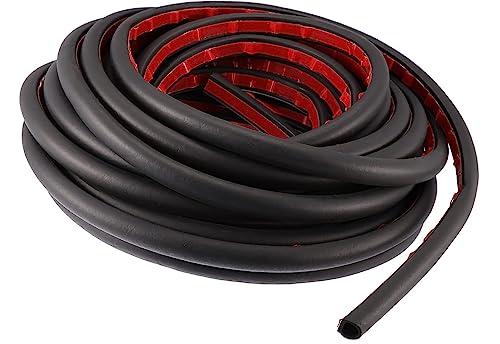
The rubber seal. The weatherstripping around your door is porous. Over time, it absorbs moisture. When temperatures drop below 32°F, that moisture freezes and bonds the seal to the metal door frame. This is the most common cause, and it usually happens after a thaw followed by a hard freeze.
The lock cylinder. Water gets into the keyhole through rain, snow, or a car wash. Inside the cylinder, it freezes and prevents the tumblers from moving. You’ll know this is the problem because the key goes in but won’t turn, or it turns halfway and stops.
The latch mechanism. The latch lives inside the door, and it has springs and pivots that need to move freely. If moisture gets into the latch and freezes, the handle will pull but the door won’t open. The door might feel solid, not frozen to the frame, but the mechanism just won’t release.
Here’s a quick diagnostic test. Look at the gap between the door and the frame. If you see ice crystals or a white frost line along the rubber, it’s the seal. If the gap is clean but the key won’t turn, it’s the cylinder. If both seem fine and the handle moves but the door stays shut, it’s the latch.
The Fastest Safe Method: Thawing the Seal with Heat
For a frozen seal, heat is the answer. But the way you apply it matters. A hair dryer is the best tool because it produces a wide, gentle stream of warm air that won’t damage paint or rubber.
Plug in the dryer and set it to medium heat, not high. Hold the nozzle about six inches away from the door seam and move it slowly along the entire edge of the door. Start at the bottom hinge and work your way up to the top. Spend about 20 seconds per foot of seal. You’re not trying to melt ice instantly; you’re raising the temperature of the rubber above freezing so the bond releases.
For a heat gun, be more careful. Heat guns run much hotter than hair dryers. Keep the nozzle at least 12 inches away and use the lowest temperature setting. Never hold it in one spot for more than 10 seconds. Focus on the metal frame, not the rubber itself, and keep the gun moving constantly. If the paint starts to feel hot to the touch, you’re too close or too slow.
As you heat the seam, gently pull the door handle from the outside. Don’t yank it. The goal is to feel the moment the seal releases. Once it pops, open the door fully and wipe the rubber seal dry with a clean cloth. That last step is critical because any water left behind will refreeze.
How to Unstick a Frozen Lock Cylinder (Without Breaking Your Key)
If the key won’t turn, stop forcing it. A brass or steel key can snap off inside the cylinder, and extracting a broken key from a frozen lock is a nightmare you don’t want.
The best fix is a commercial lock de-icer. These products come in small bottles with a nozzle that fits into the keyhole. A few squirts deliver a chemical that melts ice on contact and leaves a lubricating film behind. This is the fastest method, and it works in seconds. The Subzero Lock De-Icer is a solid option because it’s small enough to keep in a jacket pocket and works on more than just car doors.
If you don’t have de-icer, there’s a DIY alternative that works in a pinch. Mix two parts rubbing alcohol with one part water in a small spray bottle. Spray it directly into the keyhole. The alcohol lowers the freezing point of water, so it melts the ice and prevents it from refreezing immediately. Insert the key and wiggle it gently. Don’t force it. Once the key turns, work the lock back and forth a few times to distribute the lubricant.
Avoid using graphite powder in a frozen lock. Graphite is a dry lubricant that works great in normal conditions, but it won’t melt ice. You’ll just be pushing graphite powder into a block of ice. Use a wet lubricant like silicone spray or the de-icer instead.
The Push and Pull Technique for Stubborn Latches
When the seal and the lock are fine but the door still won’t open, the latch is frozen. This is trickier because you can’t directly access the mechanism. However, you can often free it by changing the force you apply to the door.
Stand outside the car and press your shoulder against the door near the handle. Push inward firmly while you pull the handle. The inward pressure takes tension off the latch, giving it a better chance to release. If that doesn’t work, try the opposite. Pull the door outward while you pull the handle. The idea is to rock the latch free from the ice that’s binding it.
If rocking doesn’t work, you need to heat the latch area. The latch is usually located near the handle, but it’s inside the door. Use a hair dryer on the area around the handle and the edge of the door where the latch meets the frame. Heat for two to three minutes, then try the push and pull again.
One more trick: use a key fob or a credit card to tap the latch area from the outside. A few sharp taps can break up the ice crystals inside the latch. It’s not a guaranteed fix, but it’s worth trying before you escalate to more invasive methods.
What NOT to Do: Common Mistakes That Crack Paint and Break Seals
Some methods are popular because they’re quick, not because they’re safe. Avoid these at all costs.
Don’t pour boiling water on the door. This is the worst advice that circulates every winter. Boiling water can crack your windshield if it splashes, and it can warp the door panel or damage the paint. Even warm water from a faucet is risky because it will refreeze quickly and make the situation worse.
Don’t use a pry bar or a screwdriver. Wedging a tool between the door and the frame will dent the metal, scratch the paint, and permanently deform the rubber seal. The seal is designed to be flexible, not to be pried open.
Don’t yank the handle with all your strength. You can snap the cable that connects the handle to the latch. That’s a repair that costs a few hundred dollars and requires removing the door panel. A frozen door is a temporary problem; a broken handle is a permanent one.
If you must use warm water, here’s the safe way. Fill a spray bottle with lukewarm water (not hot) and spray it along the seam. Then immediately dry the area with a towel. The towel is essential because it removes the moisture before it can refreeze. But honestly, a hair dryer is a better tool for this job.
Emergency Hacks: Opening the Door With Zero Tools
You’re in a parking lot without a hair dryer or de-icer. What do you do? You have more options than you think.
Body heat. Press the palm of your hand flat against the frozen seal and hold it there for 30 seconds. Your body heat is enough to melt a thin layer of ice. Move your hand along the seam and repeat. It’s slow, but it works for mild freezing.
A credit card. Slide a plastic card (not your main credit card, use an old one) into the gap between the door and the frame. Work it along the seal to break the ice bond. This works best on the seal, not the latch. Be careful not to bend the card or scratch the paint.
Use the other doors. If the driver’s door is frozen, try the passenger door. It faces away from the wind and might have less ice. Once you’re inside, you can reach across and unlock the frozen door from the inside. The latch mechanism is usually easier to free from the inside because you can apply force in a different direction.
Check the sun. If it’s morning, park the car so the frozen door faces the sun. The sun’s heat, even on a cold day, can thaw a thin layer of ice in 15 to 20 minutes. It’s not fast, but it requires zero effort.
How to Prevent Frozen Doors All Winter (Seals, Latches, and Locks)
Prevention is about removing moisture before it has a chance to freeze. Do this once a month and you’ll rarely deal with a frozen door again.
Treat the rubber seals. Apply a silicone-based lubricant to all the door seals. Silicone repels water and keeps the rubber flexible. Use a clean cloth to apply a thin layer. Don’t use petroleum-based products like WD-40 on rubber; they can degrade the seal over time.
Lubricate the locks. A graphite lubricant or a lock de-icer with lubricating properties should be applied to each lock cylinder before the first hard freeze. This keeps the tumblers moving freely and prevents moisture from getting a foothold.
Grease the latch mechanism. This is the step most people skip. Open the door and find the latch on the edge of the door. Spray a small amount of dielectric grease or white lithium grease into the mechanism. This protects the springs and pivots from moisture. It’s a five-minute job that prevents the most frustrating type of frozen door.
Wipe down after car washes. A car wash in winter is a recipe for frozen doors. After you drive through, open all the doors and dry the seals and the door jambs with a towel. Pay special attention to the bottom of the door where water pools.
If you park outside, consider a car cover. It’s not practical for daily use, but for a weekend or a long trip, it keeps snow and ice off the seals entirely.
Frequently Asked Questions About Frozen Car Doors
Why does my car door freeze shut from the inside?
This happens when moisture gets into the door cavity and freezes the latch mechanism. The handle moves, but the latch won’t release. You’ll need to access the latch from inside the car, which is easier if you climb in from the passenger side. Once inside, pull the handle and push the door outward with your shoulder simultaneously.
Can I use cooking spray to unfreeze a car door?
Yes, in a pinch. Cooking spray like Pam is a lubricant, and it can help break the ice bond on a rubber seal. Spray it on the seam and wait a few minutes. It won’t melt ice like a de-icer, but it reduces friction so the door can slide free. It’s not a long-term solution because it attracts dust and dirt.
Is it safe to use a blowtorch on a frozen car door?
No. Never use an open flame anywhere near your car. The risk of igniting fuel vapors, melting plastic trim, or damaging the paint is too high. A heat gun on its lowest setting is the hottest tool you should ever use, and even that requires caution. Stick to a hair dryer.
Why does my door freeze shut after I wash my car?
Car washes leave water in the door seals, the lock cylinders, and the latch mechanisms. That water freezes overnight. Always dry the seals and door jambs with a towel after a wash. You can also spray a silicone lubricant on the seals to push out the water and leave a protective barrier.
How long does lock de-icer take to work?
Most commercial de-icers work within 10 to 30 seconds. The chemical reaction that melts ice is nearly instant. If it doesn’t work, the problem might not be ice. The lock cylinder could be mechanically worn out. If de-icer doesn’t work after two applications, you’re dealing with a broken lock, not a frozen one.
What to Do Next Time the Temperature Drops
- Diagnose before you act: check the seal, the lock, and the latch. Treating the wrong part wastes time.
- Keep a hair dryer or a small bottle of lock de-icer in your car or coat pocket. It’s the single best investment for winter car care.
- Never pour hot water on the door. The refreeze risk and paint damage are not worth it.
- Use silicone spray on the rubber seals and dielectric grease on the latches before the first freeze. It takes ten minutes and prevents the whole problem.
- If you’re stuck without tools, use body heat on the seal or try the passenger door. Don’t force the handle.
- If the key won’t turn, stop pushing. A broken key in a frozen lock is a much bigger problem than a frozen door.
- For a deeper look at stuck doors, check out this stuck door guide for more scenarios. And if you’re dealing with a broken handle, this broken handle fix covers that separate issue.
Products related to this article
Sponsored / affiliate links. As an Amazon Associate I earn from qualifying purchases. I may earn additional commission from eligible campaigns.