What Is The Best 4-Cylinder Engine And Radiator Combo?
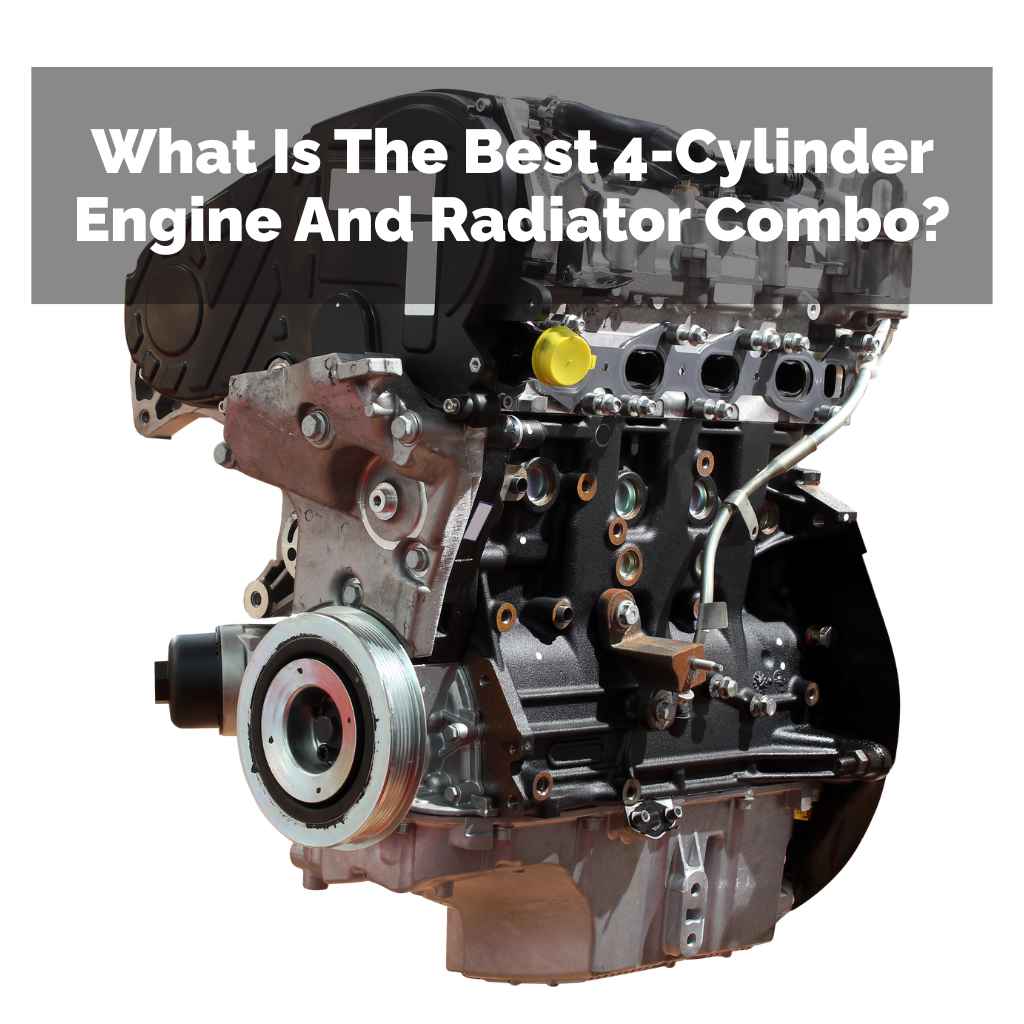
The best 4-cylinder engine and radiator combo is one where the radiator’s cooling capacity precisely matches the engine’s heat output. This ensures optimal engine temperature, preventing overheating and maximizing performance and lifespan. Factors like radiator size, material, fin density, and coolant flow rate are crucial for this balance.
Understanding Engine Heat and Radiator Function
Your car’s engine is basically a controlled explosion machine. Every time fuel burns, it makes power. But it also makes a lot of heat.
Think of it like a very busy oven. This heat needs to go somewhere. If it stays in the engine, things get bad very fast.
Metal parts can warp. Gaskets can fail. It’s a recipe for disaster.
Your engine has a special liquid called coolant. This coolant flows through the engine. It picks up the extra heat.
Then, it travels to the radiator.
The radiator is like a big metal maze. It has many thin tubes. Hot coolant flows through these tubes.
Outside the tubes are many thin metal fins. These fins catch the air as you drive. The air passes over the fins.
This cools down the coolant inside the tubes. Then, the cooler coolant goes back to the engine. It picks up more heat.
This cycle keeps happening. It’s a smart system. But it needs to be sized just right.
A small radiator can’t cool enough. A huge radiator might be overkill and heavy. It all depends on how much heat the engine makes.
A 4-cylinder engine is common. It has four cylinders. These push pistons up and down.
This makes the engine turn. They are known for being good on gas. They are also lighter than bigger engines.
But even with fewer cylinders, they still create heat. A well-matched radiator is vital. It’s not just about keeping it cool.
It’s about keeping it at the perfect temperature. Too cold is also not good. The engine runs best at a specific warmth.
The thermostat in your car helps with this. It controls coolant flow. But the radiator is the main heat remover.
What Makes a “Best” Radiator for a 4-Cylinder?
When we talk about the “best” radiator, we mean one that works perfectly for its engine. It’s not about having the biggest or the fanciest one. It’s about a perfect match.
For a 4-cylinder engine, this match is crucial. The engine might not produce as much heat as a V8. But it still needs effective cooling.
A good radiator will have enough surface area. This is where the heat can escape into the air. It needs to handle the amount of coolant flowing through it.
Material matters a lot. Old radiators were often made of brass and copper. These materials are great at moving heat.
They are also quite durable. However, they can be heavy. They can also be more expensive.
Today, many radiators are made of aluminum. Aluminum is lighter. It’s also cheaper to make.
Modern aluminum radiators are designed very well. They can be just as effective as older copper ones. They often have plastic tanks on the top and bottom.
These tanks hold the coolant. They connect to the metal core where the cooling happens.
The “core” is the part with all the tubes and fins. The thickness of this core is important. A thicker core means more coolant can be held.
It also means more surface area for cooling. Radiators can be single-row, double-row, or even triple-row. More rows generally mean more cooling power.
But they also mean less space for airflow. So, engineers have to find a balance. Fin density is also a factor.
More fins packed closely together can remove more heat. But they can also get clogged with dirt. This can block airflow.
It’s a complex design task.
The connection to the engine is also key. The radiator needs to fit perfectly. It needs to connect to the hoses correctly.
The mounting points must align. A poorly fitted radiator can leak. It can also cause other parts to strain.
The fan that pulls air through the radiator is also part of the system. This fan can be belt-driven or electric. Electric fans are more common now.
They can turn on and off as needed. This saves energy. It also means cooling can be controlled precisely.
My Own Radiator Nightmare (And What I Learned)
I remember one summer, my trusty old sedan started acting strange. It was an older 4-cylinder model. I loved that car.
It was a little beat up but reliable. We were driving up a long, steep hill in the desert. The temperature gauge started creeping up.
Slowly at first. Then, it shot into the red zone. My heart sank.
I immediately pulled over. Steam was hissing from under the hood. It was a classic overheating scene.
I felt a wave of panic. This could mean a huge repair bill.
I waited for it to cool down. I added water to the coolant reservoir, even though I knew it wasn’t ideal. When I started it again, the gauge still climbed fast.
I ended up needing a tow truck. The mechanic told me the radiator was failing. It was old and full of gunk.
The fins were mostly corroded. It just couldn’t do its job anymore. He said that even though it was a 4-cylinder, it needed a robust cooling system.
He explained that my original radiator was probably okay when the car was new. But over years of use, sediment builds up. Tiny leaks can form.
The metal can corrode. Air can get into the system. All these things reduce its efficiency.
He
Radiator Core Materials: Pros and Cons
Copper/Brass:
- Pros: Excellent heat conductivity, very durable, repairable.
- Cons: Heavy, expensive, prone to corrosion from certain coolants over time.
Aluminum:
- Pros: Lightweight, less expensive than copper/brass, good heat conductivity, resistant to internal corrosion.
- Cons: Tanks (often plastic) can crack, can be harder to repair than metal cores, can corrode externally if exposed to road salt.
Factors Influencing Radiator Choice for 4-Cylinder Engines
Choosing the right radiator for a 4-cylinder engine involves looking at several things. It’s not a one-size-fits-all situation. The type of driving you do is a big factor.
If you mostly drive in the city, stop-and-go traffic, your engine can build heat. You need a radiator that cools well at lower speeds. This often means a good fan setup is important.
Electric fans that kick on regularly help a lot.
If you do a lot of highway driving, you get good airflow naturally. But if you tow things or climb mountains, your engine works much harder. It creates more heat.
In these cases, a radiator with a higher cooling capacity is needed. This might mean a thicker core or more rows. The climate where you live also plays a role.
Hot climates mean the engine is always fighting against high ambient temperatures. Cold climates are less demanding on the cooling system in winter.
The car’s original design is also important. Manufacturers design cooling systems for a reason. They pick a radiator that is adequate for normal use.
But if you modify your engine, like adding a turbocharger, it will make more power and more heat. Then, you’ll need an upgraded radiator. Even small modifications can increase heat output.
Things like performance exhaust systems can sometimes make an engine run hotter. Always consider the engine’s specific needs.
The coolant itself is also a factor. Using the correct type of coolant is essential. Different coolants have different properties.
Some are better at heat transfer. Some offer better corrosion protection. Mixing coolants can cause problems.
It can create sludge. This sludge can clog the radiator. It can reduce its ability to cool.
So, sticking to the manufacturer’s recommendation is usually best. Or using a high-quality aftermarket coolant designed for your car.
Quick Scan: Radiator Performance Factors
Airflow: Crucial at all speeds. Higher fin density helps, but can clog.
Core Thickness: More rows = more coolant = more cooling. Balance with airflow.
Material: Aluminum is light and common. Copper/Brass is heavy but durable.
Coolant Capacity: More coolant can absorb more heat.
Fan Support: Electric fans offer better control and efficiency.
When Is Your 4-Cylinder Radiator “Good Enough”?
For most everyday drivers, the original radiator that came with the car is often good enough. Car manufacturers do a lot of testing. They engineer the cooling system to handle typical driving conditions.
This means city driving, highway commutes, and normal weather. If your car is running fine, and the temperature gauge stays in the middle, your radiator is likely doing its job. It’s a sign of a healthy system.
However, “good enough” can change. If your car is getting older, the radiator’s performance might be declining. Even if it’s not failing completely, it might not be as efficient as it once was.
This can lead to the temperature gauge creeping up more often. Especially in hot weather or during hard acceleration. This is when you might start thinking about an upgrade or a replacement.
If you’re planning on keeping your car for a long time, replacing the radiator with a high-quality one can be a good preventative measure. It’s often easier and cheaper to replace it before it fails. A failed radiator can cause your engine to overheat severely.
This can lead to much more expensive repairs. Think of it like changing your oil. You do it regularly to keep the engine healthy.
Replacing a radiator is similar. It’s proactive maintenance.
So, when is it time to consider a change? Look for signs. Are you seeing coolant leaks?
Is the coolant discolored or gritty? Are the fins on the radiator bent or corroded? Is the temperature gauge acting erratically?
These are all indicators that your radiator might be nearing the end of its useful life. For a standard 4-cylinder in normal use, a direct-fit replacement from a reputable brand is usually the best choice. It will meet the original specifications.
Myth vs. Reality: Radiator Longevity
Myth: Radiators last forever.
Reality: Radiators have a lifespan. Internal corrosion and external damage can degrade performance over time. Typical lifespan can be 5-10 years or more, but varies greatly with maintenance.
Myth: Any coolant is fine if it keeps the engine cool.
Reality: Using the wrong coolant can cause serious internal damage and corrosion. Always use the type recommended by your car’s manufacturer or a compatible high-quality alternative.
Myth: A bigger radiator is always better.
Reality: A radiator must be matched to the engine’s heat output and airflow. An oversized radiator can be heavy, expensive, and may not cool properly if airflow isn’t optimized.
Choosing the Right Radiator: Key Specifications
When you go to buy a new radiator for your 4-cylinder, you’ll see different options. Understanding the specs helps you pick the right one. The core size is very important.
This is how wide and tall the cooling area is. More surface area usually means better cooling. Look for radiators that offer a slightly larger core than the original, if available.
This gives you a little extra cooling margin.
Row count is another spec. As mentioned, single, double, or triple rows. For most 4-cylinder cars, a double-row radiator is often a good upgrade over a single-row stock unit.
It offers better cooling without sacrificing too much airflow. A triple-row might be overkill unless you have a heavily modified engine or do extreme towing. Always check how much space you have in your car’s engine bay.
Fin density is measured in fins per inch (FPI). Higher FPI means more fins, which can cool better. But, as I learned, it can also trap more dirt and debris.
For typical driving, a moderate FPI is usually best. Look for radiators with a good balance. Some radiators also have different fin designs.
These can improve airflow and cooling efficiency. Check product descriptions for details on fin design.
The material, as we discussed, is usually aluminum now. Ensure the tanks are well-made and securely attached to the core. Check for quality welding or crimping.
Inlet and outlet sizes are also critical. These must match your car’s coolant hoses perfectly. A mismatch means you can’t connect the hoses properly.
This will cause leaks and prevent the system from working.
Finally, mounting is key. The radiator needs to bolt into the correct spots on your car. Most aftermarket radiators are designed as direct fits.
This means they use the factory mounting locations. This makes installation much easier. Always double-check that the radiator you are considering is listed as compatible with your specific car model and year.
Radiator Specs at a Glance
| Spec | What it Means | For a 4-Cylinder: Good Choice |
| Core Size (Rows) | Number of layers for coolant flow | Double-row often ideal upgrade |
| Fin Density (FPI) | Fins per inch for heat exchange | Moderate is balanced; check design |
| Material | Aluminum (common), Copper/Brass (older) | Aluminum is lighter, cost-effective |
| Connection Sizes | Inlet/outlet hose diameters | Must match factory hoses exactly |
| Mounting Type | How it attaches to the car | Direct-fit is easiest |
Performance Radiators vs. Stock Replacements
When you’re looking for a new radiator, you’ll see two main types. Stock replacement radiators are made to be identical to your car’s original unit. They fit perfectly.
They have the same cooling capacity. They are a great choice if your car is used for daily driving. And you haven’t made any major engine modifications.
They are also usually the most affordable option. They restore your car’s cooling to its factory level.
Performance radiators are different. They are designed to provide more cooling than stock. They might have a thicker core.
They might have more rows. They could have a higher fin density or a special fin design. These are often made from all-aluminum.
They are built for demanding situations. This includes track use, racing, or heavily modified engines. They can handle more heat.
They can keep the engine cooler under extreme stress.
For a typical 4-cylinder engine, a performance radiator is often more than you need. Unless you’ve upgraded the engine significantly. Adding a turbocharger or supercharger will definitely increase heat output.
So will aggressive engine tuning. In these cases, a performance radiator is a smart investment. It prevents overheating.
It helps maintain engine performance. It can even help extend the life of modified engine components.
When considering a performance radiator, check the material. Look for all-aluminum construction for the best heat transfer and weight savings. Also, check the specific features.
Does it offer a thicker core? Does it have a specific fin design for better airflow? Make sure it’s from a reputable brand known for quality.
And confirm it’s compatible with your engine setup. A performance radiator is a great upgrade if your engine demands it.
The Role of Coolant in the Combo
The radiator and engine work together. But the coolant is the messenger. It’s what carries the heat.
The type of coolant you use is incredibly important. Most modern cars use a 50/50 mix of antifreeze and distilled water. Antifreeze, or engine coolant concentrate, does more than just prevent freezing.
It also raises the boiling point of the water. This is crucial. It helps the radiator work better in hot weather.
There are different types of coolant. The most common are Ethylene Glycol based. These come in different colors like green, orange, pink, or yellow.
The color doesn’t always mean it’s a different chemical type. It’s more for identification. Always check your car’s manual for the recommended coolant type.
Using the wrong type can cause serious damage.
For instance, if you mix different types of coolant, they can react. This can form a gel-like substance. This gunk can clog your radiator.
It can block coolant passages. It can lead to overheating. It can also cause corrosion.
Some coolants have special additives. These protect your engine’s metal parts. They prevent rust and scale buildup.
These are vital for the long-term health of your cooling system.
When you get a new radiator, it’s the perfect time to flush and refill your entire cooling system. This removes old, degraded coolant. It also flushes out any sediment or rust that may have built up.
Using fresh, correct coolant ensures your new radiator can perform at its best. It also protects your engine. Think of the coolant as the lifeblood of your cooling system.
Keep it clean and pure.
Coolant Compatibility Checklist
- Always check your owner’s manual for the recommended coolant type.
- Never mix different types of coolant unless specifically instructed by the manufacturer.
- Use distilled water for mixing with antifreeze concentrate. Tap water contains minerals that can cause scale buildup.
- Flush the system regularly according to your car’s maintenance schedule.
- Inspect coolant condition periodically. Look for discoloration or debris.
Common Issues and Troubleshooting
Even with the best combo, things can go wrong. One common issue is a leaky radiator. You might see puddles of coolant under your car.
Or notice the coolant level dropping. Leaks can happen at the core, the tanks, or the hose connections. Sometimes, a small leak can be temporarily fixed with a stop-leak product.
But it’s usually a sign the radiator needs replacement.
Another problem is clogged radiator fins. Road debris, leaves, and dirt can get stuck between the fins. This blocks airflow.
It makes the radiator less effective. You might notice the temperature rising more quickly. Cleaning the fins carefully with a hose can help.
Do this when the engine is cool. Be gentle so you don’t bend the fins.
Inside the radiator, sediment buildup is a big issue. This happens over time if the coolant isn’t flushed. The sediment blocks the small tubes.
This stops coolant from flowing. It drastically reduces cooling. Symptoms include the engine running hotter than normal.
Especially when idling or in slow traffic. Regular coolant flushes are the best way to prevent this.
Sometimes, the issue isn’t the radiator itself. It could be the thermostat. The thermostat controls coolant flow.
If it gets stuck closed, coolant can’t reach the radiator. The engine overheats quickly. If it gets stuck open, the engine might run too cool.
Another possibility is a faulty radiator fan. If the fan doesn’t turn on, you won’t get enough airflow at low speeds. This will cause overheating.
Lastly, air in the cooling system is a common problem. Air pockets can form. They prevent coolant from reaching certain parts.
This leads to hot spots. And inefficient cooling. Air is usually removed during a proper cooling system flush and refill.
If you suspect an air pocket, a mechanic can “burp” the system to remove it.
Troubleshooting Quick Guide
Symptom: Temperature gauge climbs too high.
- Check: Coolant level, radiator fins (clogged?), fan operation, thermostat.
Symptom: Coolant leaks under the car.
- Check: Radiator core, tanks, hose connections. Look for obvious damage or drips.
Symptom: Engine runs too cool.
- Check: Thermostat (stuck open?).
Symptom: Heater blows cold air.
- Check: Coolant level, possible air in the system.
When to Consider an Upgrade for Your 4-Cylinder
For many drivers, the original radiator is perfectly fine. But there are times when an upgrade makes sense. If you’ve made your 4-cylinder engine more powerful, it will create more heat.
Turbocharging, supercharging, or significant internal engine work all increase heat output. A stock radiator won’t be able to keep up. You’ll need a radiator with higher cooling capacity.
This is where performance radiators shine.
If you live in an area with extreme heat, or if you frequently drive in stop-and-go traffic for long periods, your stock radiator might be struggling. Even if it’s not failing, it might be operating at its limit. An upgraded radiator with a larger core or better airflow design can provide a buffer.
It will keep temperatures more stable. This is better for engine longevity.
Do you use your vehicle for towing? Even light towing puts extra strain on the engine. This generates more heat.
If you tow trailers, boats, or campers with your 4-cylinder car, consider a radiator upgrade. It will help prevent the engine from overheating during towing. This is especially important in hilly or hot conditions.
Another reason to upgrade is if you’re rebuilding or restoring your car. Sometimes, the original radiator is beyond repair. Or you might want to improve the overall performance and reliability.
In these cases, installing a modern, high-quality aluminum radiator can be a great choice. It offers better cooling and is lighter than older brass radiators.
Finally, if you’re simply planning to keep your car for many more years, an upgraded radiator can be a wise investment. It’s a proactive measure. It ensures your cooling system is robust.
It can prevent potential future overheating issues. Especially as the car ages and original parts start to wear out. Always ensure the upgrade is from a reputable brand and designed for your specific vehicle.

The “Best” Combo: A Synthesis
So, what is the “best” 4-cylinder engine and radiator combo? It’s not a single part number. It’s a relationship.
The best combo is one where the radiator is perfectly matched to the engine’s demands. For a stock 4-cylinder engine used for daily driving, the original equipment manufacturer (OEM) radiator, or a high-quality direct-fit replacement, is usually the best choice. It’s engineered to do the job reliably.
If your 4-cylinder engine has been upgraded with performance parts like a turbo or supercharger, then a performance aluminum radiator with a thicker core and improved fin design becomes the best choice. This ensures it can handle the increased heat output. Brands like Mishimoto, Koyo, or CSF often offer excellent performance options.
For those who live in very hot climates, or frequently tow, a heavy-duty radiator, often a double-row or even triple-row aluminum unit, offers superior cooling capacity. This provides that extra margin of safety needed for demanding conditions.
The “best” also includes the supporting cast: the correct type and mixture of coolant, a properly functioning thermostat, and a reliable cooling fan. All these parts work together. A great radiator won’t do its job if the coolant is bad or the fan isn’t working.
Ultimately, the best combo prioritizes maintaining the engine within its optimal operating temperature range. This leads to better performance, improved fuel economy, and a longer engine life. It’s about finding that sweet spot where cooling is effective but not excessive, ensuring your 4-cylinder engine runs smoothly for years to come.
Frequently Asked Questions About 4-Cylinder Radiators
Is an aluminum radiator better than a copper radiator for a 4-cylinder engine?
Aluminum radiators are generally preferred today for 4-cylinder engines. They are significantly lighter than copper/brass radiators, which can help with overall vehicle weight. Aluminum also offers excellent heat dissipation and is less expensive to manufacture.
While copper/brass is very durable and repairable, the weight and cost often make aluminum the better choice for most applications.
How often should I replace the radiator in my 4-cylinder car?
There’s no strict mileage rule for replacing a radiator. Many last the life of the car with proper maintenance. However, it’s wise to inspect it during regular maintenance.
Signs of wear include leaks, corrosion, or frequent overheating. Many mechanics recommend replacement around 80,000 to 100,000 miles as a preventative measure, especially on older vehicles.
Can I use a radiator from a different car model for my 4-cylinder engine?
It’s generally not recommended to use a radiator from a different car model unless it’s a direct-fit aftermarket replacement specifically designed for your vehicle. Radiators are engineered for specific engine cooling needs, hose connection sizes, and mounting points. Using an incompatible radiator can lead to leaks, poor cooling, and potentially damage your engine.
What does it mean if my 4-cylinder car’s temperature gauge is always low?
If your temperature gauge consistently reads lower than normal, it often indicates a faulty thermostat. The thermostat might be stuck open, preventing the engine from reaching its optimal operating temperature. This can affect engine performance and fuel efficiency.
It’s a good idea to have this checked by a mechanic.
Do I need a special radiator for a turbocharged 4-cylinder engine?
Yes, absolutely. Turbocharged 4-cylinder engines produce significantly more heat than naturally aspirated ones. A standard, stock radiator will likely not be sufficient.
You will need an upgraded, high-performance radiator with a larger core, better heat dissipation, and a design that can handle the increased thermal load to prevent overheating and maintain engine performance.
Can I just top off my radiator with water if it’s low?
You can top off with water in an emergency, but it’s not a long-term solution. Water alone has a lower boiling point than a 50/50 mix of antifreeze and water. This means it won’t cool as effectively in hot weather and can freeze in cold weather.
Using the correct coolant mixture is crucial for optimal cooling and system protection.
Final Thoughts
Keeping your 4-cylinder engine cool is vital. The radiator plays a huge role. It’s a hard worker.
Choosing the right radiator means looking at your engine’s needs. And how you drive. A good match ensures your engine runs smoothly.
It helps prevent costly problems. Pay attention to your car. Listen to its signs.
And always keep that cooling system in top shape.
Products related to this article
Sponsored / affiliate links. As an Amazon Associate I earn from qualifying purchases. I may earn additional commission from eligible campaigns.