Do All Vehicles Have Two Knock Sensors? Here Is The Truth
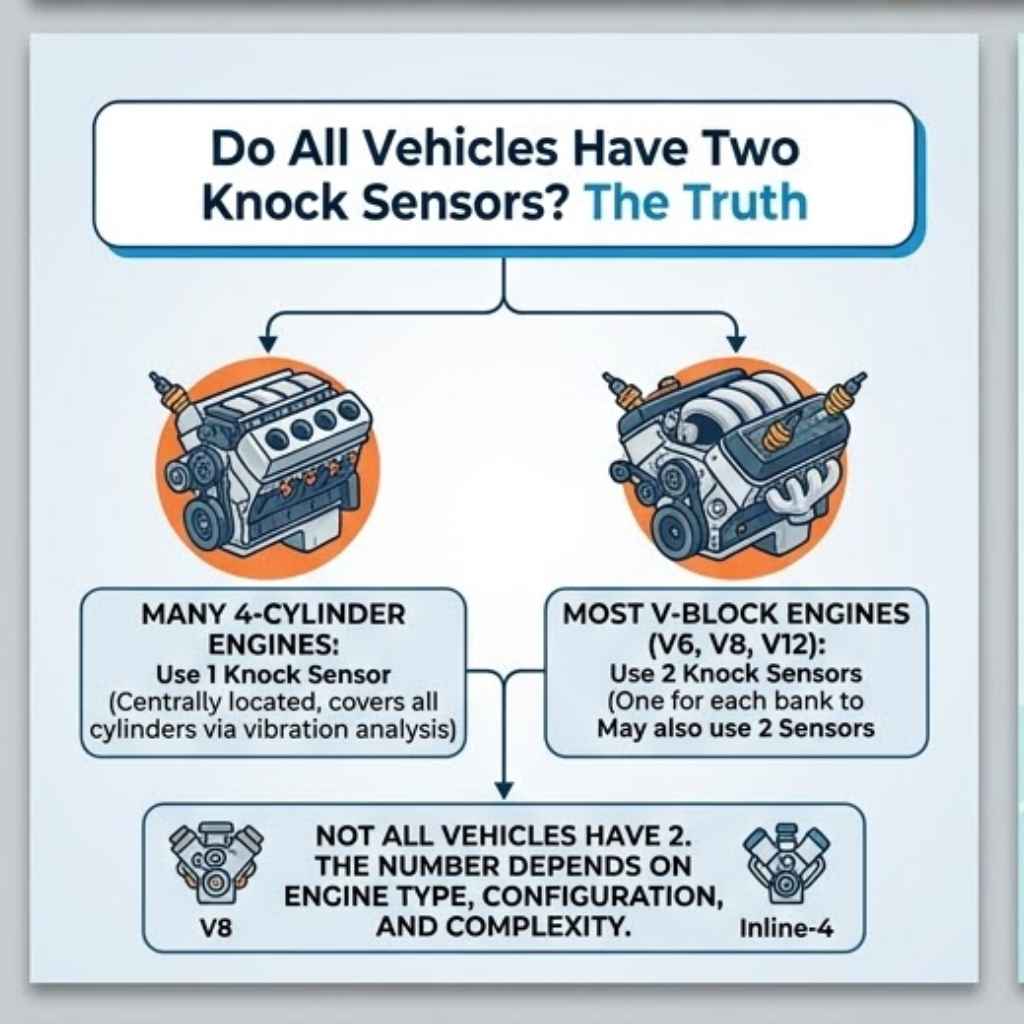
The truth is, not all vehicles have exactly two knock sensors. The number varies based on the vehicle’s make, model, year, and engine design. Many modern cars use one or two, but some older or specialized engines might have more or fewer. Their main job is to protect your engine from harmful “knocking” or “pinging.”
Understanding Knock Sensors and Engine Knock
So, what exactly is a knock sensor? Think of it as a tiny bodyguard for your engine. Its main job is to listen for a specific type of sound. This sound is called engine knock, or sometimes pinging.
Engine knock happens when the fuel in your engine’s cylinder doesn’t burn smoothly. Instead of a nice, even burn, it explodes unevenly. This creates a sharp, metallic sound. It’s like a tiny hammer hitting the inside of your engine.
This uncontrolled explosion can cause serious damage over time. It puts a lot of stress on engine parts like the pistons and connecting rods. It can also hurt your engine’s performance and fuel efficiency.
Your car’s computer, the Engine Control Unit (ECU), needs to know if this knock is happening. That’s where the knock sensor comes in. It picks up the vibrations caused by the knocking sound. It then sends a signal to the ECU.
When the ECU gets this signal, it makes a quick adjustment. It usually retards the ignition timing. This means the spark plug fires a little later. This change helps the fuel burn more evenly and stops the knocking. It’s a clever system designed to keep your engine running smoothly and safely.
Why the Number of Knock Sensors Varies
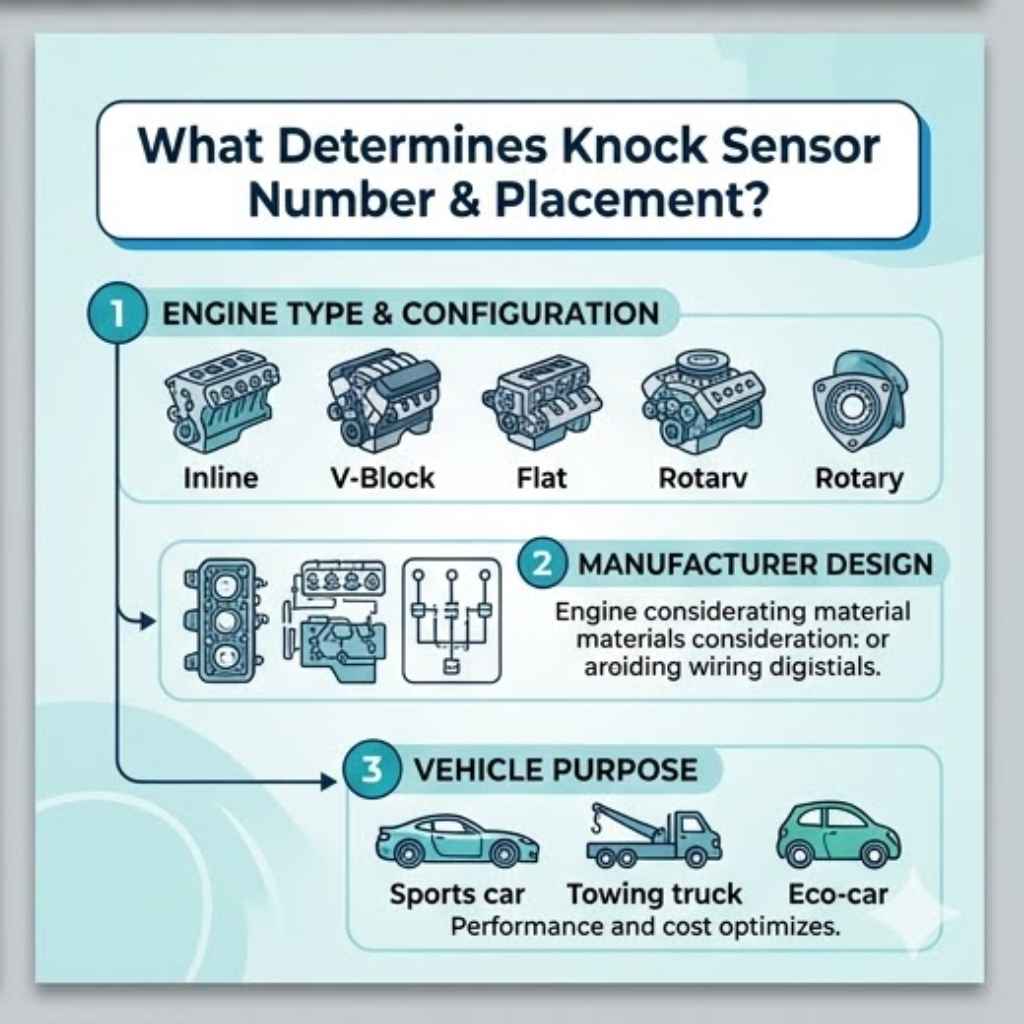
You might be wondering why some cars have one and others have two. It really comes down to how the engine is designed.
Think about a typical engine. It has several cylinders where the fuel burns. Each cylinder needs to be monitored.
Some engines have a simpler design. Maybe they have fewer cylinders, or the cylinders are arranged in a way that one sensor can effectively “hear” what’s happening across most of them. In these cases, a single knock sensor might be enough. It’s often placed in a central location where it can best pick up vibrations from all the cylinders.
Other engines are more complex. They might have more cylinders, or the cylinders are arranged in a V-shape or a flat configuration. In these designs, a single sensor might not get a clear enough signal from all parts of the engine. To ensure good coverage, engineers might add a second knock sensor. This second sensor could monitor a different set of cylinders. For example, in a V6 engine, one sensor might listen to the passenger side cylinders, and another to the driver’s side.
In very high-performance engines or some specialized applications, you might even find more than two. These engines operate under more extreme conditions. They need very precise control to avoid knock. More sensors can give the ECU a more detailed picture of what’s happening in each combustion event.
Where to Find Knock Sensors
If you’re curious and want to look for them on your own car, knowing where they are can help. Knock sensors are usually located on the engine block itself. This is the main metal part that houses the cylinders.
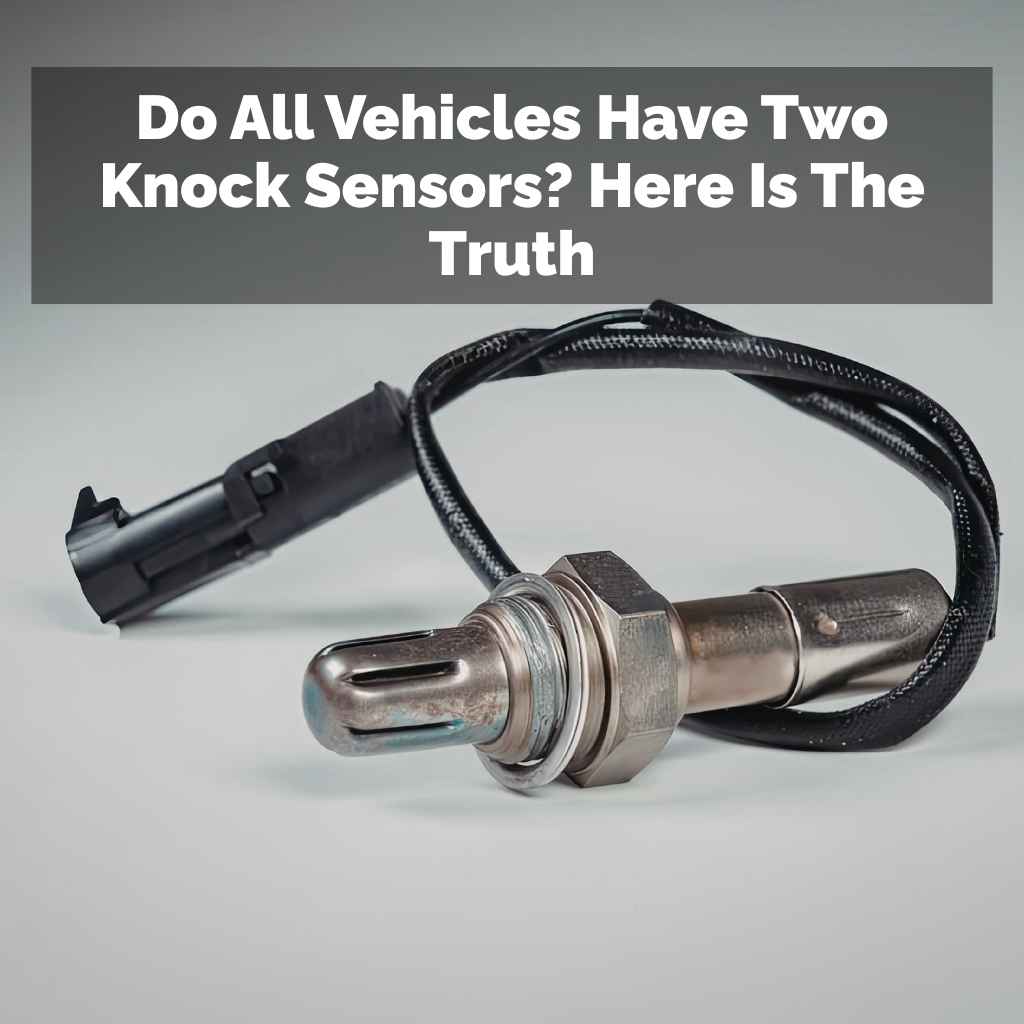
They are often threaded into a hole in the block. They look like small, metal cylinders. They usually have a wire connector attached to them. This connector plugs into the wiring harness that goes to the ECU.
Because they need to pick up vibrations, they are mounted directly to the engine block. This ensures they are sensitive to the tiny tremors caused by engine knock.
On an inline engine (where cylinders are in a straight line), a single sensor might be placed near the middle. On a V-engine, you’ll typically find one on each side of the ‘V’. The exact location can vary a lot depending on the car’s make and model. It’s always best to consult your car’s repair manual if you want to pinpoint the exact location.
What Happens When a Knock Sensor Fails
A failing knock sensor can cause a few noticeable issues. Since the sensor’s job is to detect knock and tell the ECU to adjust timing, its failure means the ECU can’t do that job.
One common sign is that your check engine light will come on. This is the first alert that something isn’t quite right with your engine’s systems. The car’s computer knows the sensor isn’t working as it should.
You might also notice a change in how your car runs. Because the ECU can’t detect knock, it won’t be able to retard the timing when it should. This can lead to the engine knocking or pinging, especially when you accelerate or go uphill. This sound is your engine telling you it’s under stress.
Another symptom could be a drop in performance. Your car might feel less powerful. It might also be less fuel-efficient. This happens because the engine isn’t running at its optimal settings. The ECU might try to compensate by using a “limp mode” or a default timing setting. This setting is often safe but not efficient.
In some cases, a faulty knock sensor can cause the engine to run rough. You might feel vibrations or notice an uneven idle. This is because the engine’s combustion isn’t as smooth as it should be.
Diagnosing Knock Sensor Issues
If you suspect a knock sensor problem, a mechanic can help. They have specialized tools to diagnose these issues.
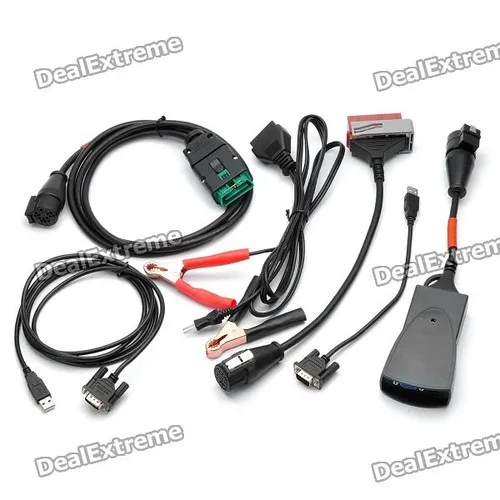
The most common tool is an OBD-II scanner. This device plugs into a port in your car, usually under the dashboard. It reads diagnostic trouble codes (DTCs) that the ECU has stored. A faulty knock sensor will often trigger specific codes, like P0325 or P0330.
The mechanic can also listen to the engine. They might use a mechanic’s stethoscope to isolate the sound of the knock. They can also check the sensor’s wiring for any damage. Sometimes, the problem isn’t the sensor itself but a loose connection or a damaged wire.
Testing the sensor itself is also possible. They can measure its resistance or check its output signal while the engine is running. This helps confirm if the sensor is sending the correct information to the ECU.
Common Misconceptions About Knock Sensors
There are a few ideas people have that aren’t quite right about knock sensors. Let’s clear those up.
One common thought is that if you don’t hear knocking, your knock sensor isn’t needed or doesn’t work. This isn’t true. The knock sensor is a preventative tool. It stops the knocking from happening in the first place. You don’t hear it because it’s doing its job well.
Another idea is that all cars with V-engines have two knock sensors, and all inline engines have one. While this is often true, it’s not a strict rule. Engine design is complex. Some inline engines might have two sensors for very precise control. Some V-engines might use a single sensor if its placement is optimal.
Some people also think that if you have a bad knock sensor, you’ll always hear loud knocking. While knocking can happen, it’s not guaranteed. The ECU might still try to manage timing based on other sensor inputs. So, the lack of audible knock doesn’t mean the sensor is working perfectly.
The Role of Knock Sensors in Modern Engine Management
Modern cars have very sophisticated engine management systems. Knock sensors are a critical part of this. They help the ECU maintain peak engine performance and efficiency.
The ECU uses information from many sensors. This includes the mass airflow sensor, oxygen sensors, throttle position sensor, and others. The knock sensor adds another layer of vital data. It tells the ECU about the combustion process itself.
This allows the ECU to fine-tune the ignition timing. It can also adjust fuel injection. It does this in real-time, many times per second. This constant adjustment ensures the engine is always running in its optimal state. It helps maximize power when you need it and save fuel when you don’t.
Impact on Fuel Economy
A working knock sensor system is important for good fuel economy. When the engine knocks, it means the fuel is not burning efficiently. This wasted energy translates directly into lower miles per gallon.
By preventing knock, the knock sensor system ensures that the fuel is used effectively. The ECU can also use more advanced ignition timing strategies. These strategies can improve fuel economy. For example, some systems can use a slightly more aggressive timing when conditions are right. This can extract more energy from the fuel. But they need the knock sensor to know when it’s safe to do so.
If your knock sensor is faulty, the ECU might default to a safer but less efficient timing. This can result in poorer fuel economy. You might notice you’re filling up the gas tank more often.
When Knocking is Normal (and When It Isn’t)
It’s important to distinguish between slight, occasional pinging and consistent, loud knocking.
A very light pinging sound under heavy acceleration, especially on a hot day, might sometimes be considered normal for some engines. It means the engine is just starting to experience slight detonation. The knock sensor should catch it quickly.
However, consistent or loud knocking sounds are never normal. This is a sign of a more serious problem. It could be a faulty knock sensor. It could also be that the sensor is working, but something else is causing the engine to knock severely. This could be using the wrong type of fuel, carbon buildup in the cylinders, or mechanical issues.
Checking Your Car’s Manual
The best way to know for sure about your specific vehicle is to check its owner’s manual. Or, if you’re really digging into it, a service manual for your car will have diagrams and exact specifications. These resources are invaluable. They will tell you what components your engine has. They will show you where they are located.
They can confirm if your car is equipped with one knock sensor, two, or even more. This takes the guesswork out of it. It gives you reliable information specific to your car.
The Cost of Knock Sensor Replacement
If you do need to replace a knock sensor, the cost can vary. The part itself is usually not very expensive. It might range from $30 to $100. The labor costs are what add to the total price.
If the sensor is easily accessible, a mechanic might be able to
It’s always a good idea to get a quote from a trusted mechanic before proceeding with any repairs.
Alternatives and Related Systems
While the knock sensor is key, other systems work with it to protect the engine.
The ECU is the brain of it all. It takes input from the knock sensor and other sensors. It then makes decisions about ignition timing and fuel.
Spark plugs and ignition coils are also related. If these are worn or malfunctioning, they can cause incomplete combustion. This can sometimes lead to knocking.
Using the correct octane fuel is also crucial. Lower octane fuels are more prone to knocking. If your car is designed for premium fuel and you use regular, you might experience knock. The knock sensor might be working, but it’s fighting against a fuel that’s not suited for the engine.
My Own Experience with a Pinging Engine
I remember one time when I was driving my old sedan. It was a hot summer day, and I was going up a long, steep hill. Suddenly, I heard it – a distinct pinging sound. It wasn’t super loud, but it was definitely there. My first thought was, “Oh no, what’s that?”
I wasn’t sure if it was the knock sensor or something else. I usually put regular gas in that car, but I was getting worried. The pinging continued for a bit as I kept accelerating. I eased off the gas a little, and the sound went away.
When I got home, I made a mental note to check it out. I decided to fill up with a higher octane fuel the next time. I also looked up the specs for my car. It turned out my car did have one knock sensor. It was located on the side of the engine block.
The next time I refueled, I went for the premium stuff. I drove the same route, up that same hill. To my relief, the pinging sound was gone. It seemed like the engine was just a bit too eager to knock with the regular gas under that kind of stress. This experience really showed me how important it is to match your fuel to your car’s needs. It also made me appreciate the silent work of that knock sensor. It was trying its best, but the fuel made its job much harder.
Common Questions About Knock Sensors
How many knock sensors does a 4-cylinder car typically have?
Most 4-cylinder cars have one knock sensor. It’s usually placed in a central spot on the engine block to monitor all cylinders. However, some performance-oriented 4-cylinder engines might have two.
Can a car have more than two knock sensors?
Yes, it’s possible. High-performance engines or engines with many cylinders (like V8s or V12s) might have more than two knock sensors. This allows for more precise monitoring of each cylinder’s combustion.
What happens if I ignore a faulty knock sensor?
Ignoring a faulty knock sensor can lead to engine damage over time. The engine might knock, which puts extra stress on parts. This can reduce your car’s lifespan and increase repair costs.
You’ll likely also experience worse fuel economy and performance.
Is the knock sensor the same as a detonation sensor?
Yes, knock sensor and detonation sensor are often used interchangeably. They both refer to the same device that detects abnormal combustion in the engine cylinders.
How can I test my knock sensor myself?
Testing a knock sensor typically requires specialized tools like an OBD-II scanner to read codes or an oscilloscope to check the sensor’s signal. It’s usually best left to a professional mechanic. Simple visual checks for loose connections or damage are possible but won’t confirm functionality.
Does a knock sensor affect emissions?
Indirectly, yes. If a knock sensor is faulty, the engine may run less efficiently or produce more unburned fuel due to improper timing. This can lead to increased emissions.
The check engine light will also illuminate, indicating a problem that could affect emissions testing.
In Summary: The Sensor Count Isn’t Fixed
So, to circle back to our main question: Do all vehicles have two knock sensors? The clear answer is no. The number of knock sensors a vehicle has depends greatly on its engineering. From one to two, and sometimes more, their purpose remains the same: to protect your engine. Understanding their role helps you appreciate your car’s complex systems. Keeping them in good working order is key for a healthy, efficient, and long-lasting engine.
Products related to this article
Sponsored / affiliate links. As an Amazon Associate I earn from qualifying purchases. I may earn additional commission from eligible campaigns.