How to Open Car Door with Broken Handle: Genius Fix
If your car door handle is broken and you’re stuck, there are clever DIY solutions to get it open. This guide will walk you through simple, effective methods to access your car, even with a broken exterior handle, providing peace of mind and saving you a trip to the mechanic for minor inconveniences.
It’s a frustrating moment: you reach for your car door handle, and it either stays put or comes off in your hand. A broken car door handle can feel like a major roadblock, especially if it’s your primary way of getting into your vehicle. But don’t despair! Many times, this common issue can be resolved with a bit of ingenuity and some readily available tools. This guide is designed to help you navigate this situation like a pro, showing you how to open your car door with a broken handle using simple, effective techniques. We’ll break down the process into easy-to-follow steps, empowering you to get back on the road quickly and affordably.
Understanding Why Your Car Door Handle Broke
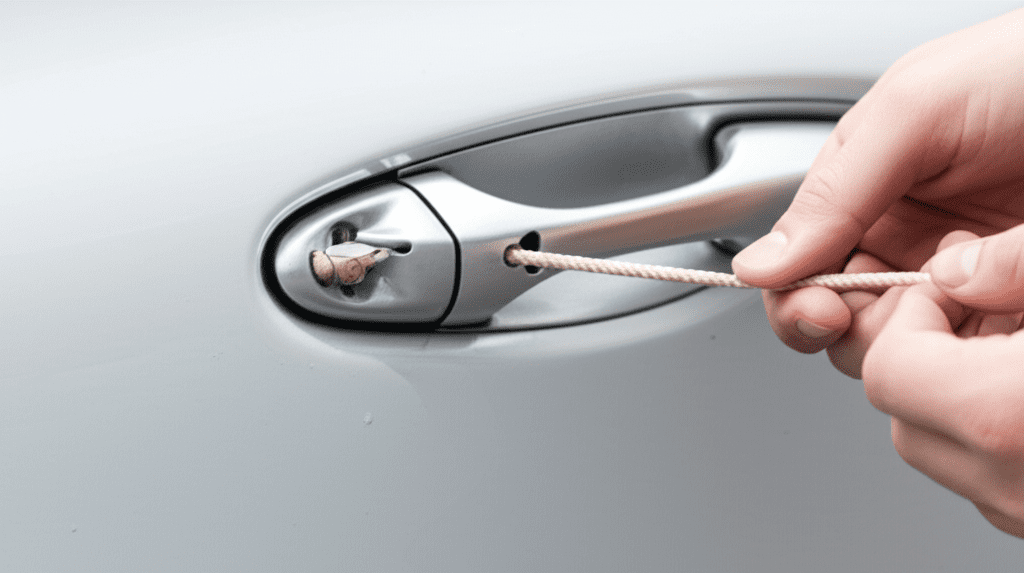
Before we dive into the fixes, it’s helpful to understand why car door handles break. Most often, it’s due to wear and tear over time. The constant use, exposure to weather elements, and the mechanical stress placed on the handle and its internal components can lead to fatigue and eventual breakage. Sometimes, a sudden jolt or an accident can also cause damage. The internal mechanism, a series of rods and springs, can also fail, making the exterior handle feel loose or completely useless.
Common causes include:
- Material Fatigue: Plastic or metal parts can weaken over years of use.
- Corrosion: Rust can affect the metal components, making them brittle or seized.
- Impact Damage: Accidental bumps or minor collisions.
- Internal Mechanism Failure: Worn-out springs, clips, or linkage rods.
- Extreme Temperatures: Very cold or hot weather can stress the materials.
DIY Solutions: How to Open Your Car Door with a Broken Handle
Navigating a car with a broken door handle can be a challenge, but many solutions don’t require extensive mechanical knowledge. These methods focus on bypassing the broken external component to engage the internal latching mechanism. Safety and careful handling are key throughout these processes.
Accessing the Interior Handle
If the exterior handle is broken, the good news is that the interior door handle usually still works. This is the most straightforward scenario for gaining access. If you can get into the car through another door, you can then use the interior handle to open the affected door from the inside.
Steps to Use the Interior Handle:
- Unlock the Car: Ensure the car is unlocked using your key fob or by manually unlocking it with the key if possible.
- Enter Through Another Door: If the problematic door is a passenger or rear door, enter the vehicle through a working door.
- Pull the Interior Handle: Locate the interior door handle on the door that has the broken exterior handle.
- Pull Firmly: Pull the interior handle. This should disengage the latch mechanism, allowing you to push the door open.
- If Stuck: If pulling the interior handle doesn’t work, you might need to gently push the door from the inside while pulling the handle. Sometimes, the door panel can put pressure on the latch, and a gentle push can release it.
When the Exterior Handle is Completely Off
This is where things get trickier. If the entire exterior handle has detached, you’ll need to find a way to manipulate the internal linkage that the handle normally operates.
Method 1: Using a Coat Hanger or Thin Wire
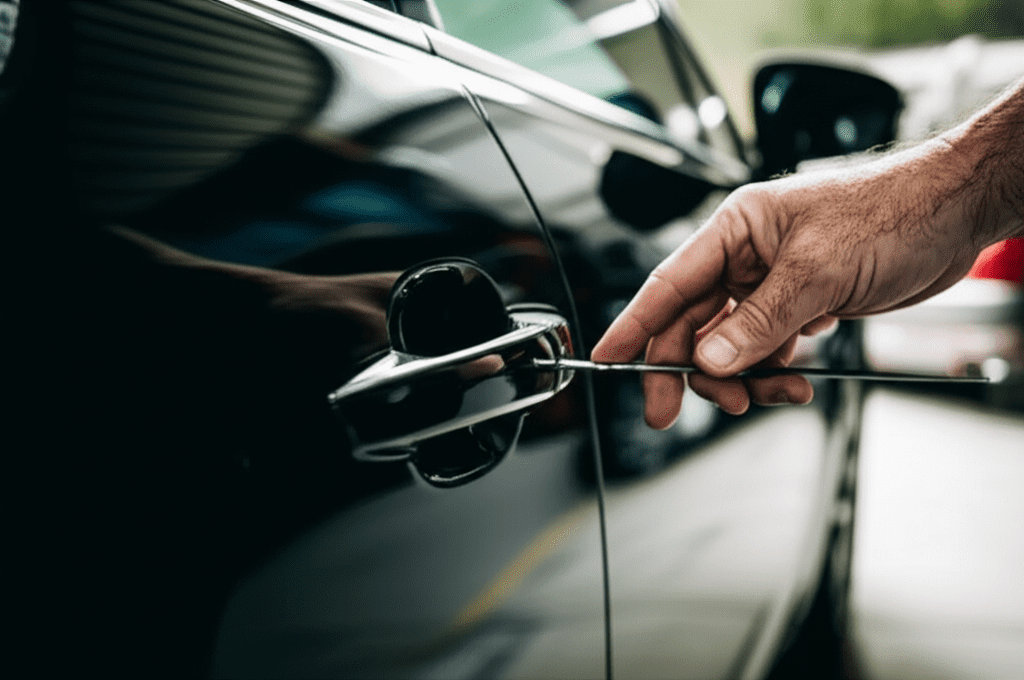
This classic DIY trick involves reaching into the door cavity and manually pulling on the release lever or rod.
Tools Needed:
- Wire coat hanger
- Pliers (optional, for bending the hanger)
- Gloves (to protect your hands)
- Shop towel or rag
Step-by-Step Guide:
- Prepare the Hanger: Straighten out a wire coat hanger as much as possible. Use pliers to create a small hook at one end.
- Locate the Gap: Identify the gap between the door and the car body where the handle normally sits. If the handle is completely missing, there will be a larger opening. If it’s hanging loose, you’ll work around it.
- Insert the Hanger: Carefully insert the hooked end of the coat hanger into the gap, trying to angle it towards the inside of the door.
- Feel for the Mechanism: Gently probe around inside the door cavity. You’re looking for the metal rod or lever that the exterior handle connects to. This rod typically runs from the handle towards the latch mechanism. You can often find diagrams online for your specific car model to help visualize this. For example, searching for “[Your Car Make Model Year] door handle linkage diagram” can be very helpful.
- Hook and Pull: Once you feel a rod, try to hook it with the wire hanger’s hook. Once hooked, pull firmly but steadily on the hanger. This action should mimic pulling the handle and release the door latch.
- Protect the Paint: Place a shop towel or rag in the gap to prevent the metal hanger from scratching your car’s paint.
- If it Doesn’t Work: You may need to try different angles or positions. Patience is key.
Method 2: Reaching Through the Window Gap (If Possible)
For some cars, especially if the window can be lowered slightly or has a gap, you might be able to reach the interior door lock or handle directly.
Tools Needed:
- Thin, sturdy object (e.g., ruler, long screwdriver, slim metal rod)
- Gloves
Step-by-Step Guide:
- Lower the Window (If Possible): If the window mechanism still works, lower it enough to create a gap you can reach through.
- Access the Interior: Insert your chosen tool into the window gap.
- Manipulate Lubricant: Aim to manipulate the interior door handle or, if accessible, the lock mechanism itself.
- Lock Manipulation: Some older car designs might allow you to directly push or prod the lock linkage through this gap.
- Glove Up: Wear gloves as the edges of the window frame can be sharp.
Dealing with a Broken Exterior Door Handle Lever
If the main part of the exterior handle is intact but the lever you pull has snapped or detached, you might be able to manually operate the connected rod.
Method: Manual Rod Manipulation
This involves directly accessing and pulling the rod connected to the broken lever.
Tools Needed:
- Pliers or a small pry tool
- Gloves
Step-by-Step Guide:
- Examine the Broken Part: Look closely at the handle. Is there a small hole or a piece of the lever remaining that you can grip?
- Grip and Pull: If you can grip enough of the broken lever, use pliers to try and pull it outwards, mimicking the action of the original handle.
- Access the Rod: If the lever is completely gone, you may need to carefully pry off a small piece of the door panel trim around the handle assembly to expose the rod. Be gentle to avoid breaking more plastic.
- Pull the Rod: Once the rod is exposed, grip it with pliers and pull it outwards. This should unlatch the door.
- Consider a Temporary Fix: If you can identify the rod, you might be able to attach a temporary grip or loop to it for easier pulling in the future, although a permanent repair is recommended.
Temporary Fixes and When to Repair
While these methods can help you open a stuck car door, they are often temporary solutions. It’s important to address the underlying issue to ensure proper function and security.
Temporary Measures
- Duct Tape: You can sometimes use strong duct tape to reattach a loose handle piece temporarily, giving you enough leverage to open the door.
- Adhesive: For small breaks in plastic handles, a strong plastic adhesive might hold long enough for a few uses.
When to Get a Professional Repair
It’s crucial to repair or replace a broken door handle for several reasons:
- Security: A broken handle can compromise your car’s security, making it easier for thieves to access your vehicle.
- Weatherproofing: The handle assembly often seals against the door. A broken or missing part can allow water and debris to enter the door cavity, leading to rust and damage to internal components like the window regulator and lock mechanism. You can learn more about car door sealing and weatherstripping from resources like the U.S. Department of Transportation’s Federal Highway Administration, which discusses vehicle aerodynamics and sealing.
- Proper Function: You want your door to open and close reliably and securely.
- Resale Value: A damaged exterior component can detract from your car’s appearance and value.
If you’re not comfortable performing the repair yourself, or if manual manipulation doesn’t work, it’s time to visit a qualified mechanic. They have the specialized tools and knowledge to replace the handle and ensure all internal components are working correctly.
Replacing a Car Door Handle: A DIY Overview
If you’re handy and want to tackle the replacement yourself, here’s a general overview. The process varies significantly by car make and model, so always consult a repair manual specific to your vehicle.
General Steps for Door Handle Replacement:
- Gather Parts: Purchase a replacement door handle assembly for your specific car model. Ensure it’s compatible with your vehicle’s year and trim level. Websites like RockAuto are excellent resources for finding OEM and aftermarket parts.
- Remove Interior Door Panel: This is usually the most involved step. You’ll need to identify and remove screws, often hidden behind trim pieces or in door pulls. Clips also hold the panel in place, requiring careful prying.
- Disconnect Linkages: Once the panel is off, you’ll see the internal door structure. Disconnect the rods and cables connected to the old door handle that come from the lock mechanism and the interior handle.
- Remove Old Handle: The exterior handle is typically held in place by a few bolts or nuts from the inside of the door. Remove these.
- Install New Handle: Fit the new handle into place from the outside, then secure it with the bolts or nuts from the inside. Reconnect the linkage rods and cables to the new handle.
- Reassemble Door Panel: Carefully reattach the interior door panel, ensuring all clips snap into place and all screws are tightened.
- Test Functionality: Open and close the door several times to check that the new handle and the locking mechanism work perfectly.
Always check resources like the National Highway Traffic Safety Administration (NHTSA) for safety recalls or important vehicle maintenance information that might pertain to your car.
Common Door Handle Materials and Their Durability
Car door handles are typically made from a few key materials, each with its own pros and cons regarding durability and failure points:
| Material | Pros | Cons | Typical Failure Points |
|---|---|---|---|
| ABS Plastic | Lightweight, Cost-effective, Can be molded into complex shapes, Good for painted finishes. | Can become brittle over time, especially with UV exposure. Not as strong as metal. | Cracking or breaking at stress points, especially around the lever mechanism. Wear on internal moving parts within the plastic housing. |
| Chrome-Plated Plastic | Aesthetically pleasing, mimics metal appearance, relatively inexpensive. | Chrome plating can chip or peel, revealing the plastic underneath which then degrades faster. Less durable than solid metal. | Peeling chrome, cracking of the underlying plastic from impact or temperature changes. |
| Die-Cast Metal (e.g., Zinc Alloy) | Stronger and more durable than plastic, better resistance to temperature fluctuations. | Heavier, more expensive to manufacture, can corrode if plating is damaged. | Corrosion on unpainted surfaces, wear on the internal linkage points, or eventual fatigue failure under constant stress. |
| Aluminum | Lightweight, corrosion-resistant, strong. | More expensive than steel or plastic, can be susceptible to bending under extreme force. | Bending from forceful impact, wear on pivot points of the handle mechanism. |
Understanding the material of your car’s handles can give you an idea of their expected lifespan and potential failure modes. For instance, if you have plastic handles, you might notice them becoming less flexible and more prone to cracking in extreme weather.

Frequently Asked Questions (FAQ)
Q1: How can I prevent my car door handle from breaking?
A: While wear and tear are inevitable, you can prolong the life of your handles by being gentle, especially in extreme cold when plastic can be more brittle. Regularly cleaning and checking for early signs of wear or damage can also help.
Q2: Is it safe to drive with a broken exterior door handle?
A: It can be a security risk as it might make it easier for someone to enter your car. Also, if the handle area doesn’t seal properly, water and dirt can get into the door, damaging internal components. It’s best to get it fixed.
Q3: Can I use WD-40 on a sticky door handle?
A: WD-40 can help free up seized mechanical parts sometimes, but it’s often a temporary fix and can attract dust. If your handle is stiff due to a broken internal part, WD-40 won’t fix the breakage. For lubrication of moving parts within the door mechanism, a silicone spray or white lithium grease might be more appropriate, used sparingly.
Q4: My door handle is just loose, not broken off. What should I do?
A: A loose handle often means a connection has come undone internally. This could be a clip that has popped off a rod, or a bolt has loosened. You might need to remove the interior door panel to reattach the linkage or tighten any mounting bolts. If you’re unsure, a mechanic can quickly diagnose and fix this.
Q5: What if none of these methods work for my car?
A: Every car model is different. If you’ve tried these DIY methods and cannot open the door, it’s advisable to call a locksmith or roadside assistance. They have specialized tools and experience with various vehicle access issues and can help without causing further damage.
Q6: How much does it typically cost to replace a car door handle?
A: The cost varies greatly depending on the car model and whether you do it yourself or go to a mechanic. The part itself can range from $20 to $100+, and labor at a shop could add another $100 to $300+. DIY replacement saves on labor costs.
Conclusion
Dealing with a broken car door handle can seem like a big problem, but as you’ve seen, it’s often a situation you can manage with some common tools and a bit of patience. Whether you’re using a coat hanger to hook an internal mechanism or carefully reaching through a window gap, these DIY solutions can get you back inside your car when you need it most. Remember, these are often temporary fixes. Prioritize safety, security, and the longevity of your vehicle by planning a proper repair or replacement. With the right guidance, you can confidently tackle common car issues and keep your vehicle in great shape, saving both time and money.