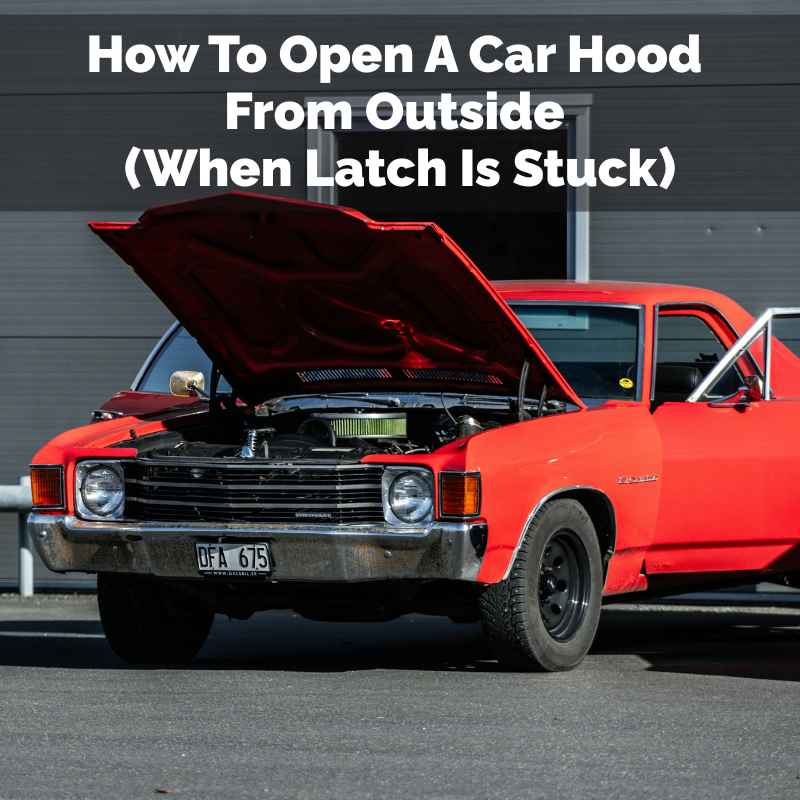
How to Open a Car Hood From Outside (No Keys or Interior Access)
If your hood release lever pulls just fine but the hood still won’t pop, or if the interior lever feels loose or broken, this is not the guide for you — head to our broken hood cable guide or broken hood latch guide instead, since those cover the grille/coat-hanger workaround for an actually faulty release mechanism step by step.
This guide covers something different: what to do when you have no way to reach the interior lever at all — because you’re locked out, you don’t have a key, or you’re checking a used car on a dealer’s lot before you’ve even bought it. It also covers the one step that genuinely does happen from outside the car on every single hood opening, even when everything works perfectly: releasing the secondary safety latch.
So what can you actually do from outside when that’s the situation? Despite what plenty of forum posts and old how-to videos suggest, reaching for a coat hanger through the grille isn’t the fix here — that trick only works once the interior lever has already done its job. What actually matters is whether you have any way to get inside the car at all, and there’s one small exterior step almost every car does let you take.
Quick Answer
Most cars don’t have a standalone exterior hood release — the interior lever has to trigger the primary latch first. What you can always do from outside is release the secondary safety latch, usually a small hook or lever felt along the front edge of the hood, once the primary latch has already popped. If you have zero interior access (locked out, no key, buying a used car), unlocking the car or asking the seller to open the hood is the reliable fix — not reaching for a cable blind.
There’s No Universal “Hood Key” Like There Sometimes Is for Trunks
Some cars have a keyed or button-operated exterior trunk release, so it’s a fair question to wonder whether hoods work the same way. They almost never do. Automakers deliberately design hood releases to require interior access, precisely so a stranger in a parking lot can’t pop your hood and tamper with the battery, wiring, or engine while you’re inside a store.
That security-by-design choice is exactly why “opening a hood from outside” in the normal, everyday sense doesn’t mean bypassing the interior lever — it means finishing the one step of the process that always happens outside the car: releasing the secondary safety latch after the interior lever has already done its job.
The Secondary Safety Latch: The Real “From Outside” Step Everyone Does
Nearly every modern hood has two latches, not one. Pulling the interior lever only releases the primary latch, which lets the hood pop up an inch or two before it’s caught by a second, purely mechanical safety catch. That secondary latch exists so the hood can’t fly open at highway speed if the interior lever is ever bumped or pulled by accident while you’re driving.
By design, this secondary latch will not release on its own and doesn’t respond to the interior lever at all — it has to be found and disengaged by hand from outside the car, every time, even on a car with a perfectly healthy cable and latch. This is the step people usually mean when they search for how to open a hood “from outside.”
How to Find and Release the Secondary Latch
- Have someone pull the interior release lever, or confirm it’s already been pulled and the hood has a small gap at the front.
- Run your fingers along the underside of the front edge of the hood, at or near the center, close to where it meets the grille.
- Feel for a small lever, hook, or tab — it usually needs to be pushed sideways or pressed to release.
- Once it releases, lift the hood the rest of the way; most hoods then hold themselves open with a prop rod or gas struts.
- If you can’t feel it by touch, a flashlight or headlamp help a lot, since the latch is often tucked in shadow.

What to Do If You Have Zero Interior Access (Locked Out or No Key)
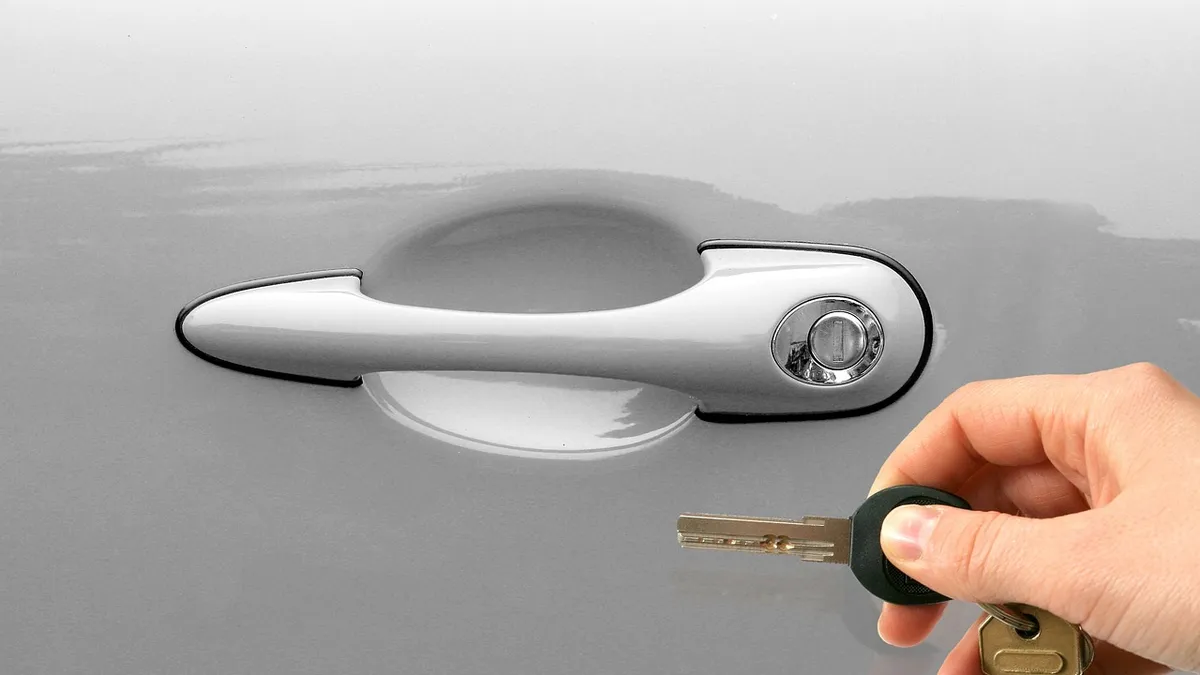
If you’re standing outside a car you can’t get into at all, the reliable answer is to get into the car first, then use the interior lever normally. Trying to blindly locate and pull a release cable through a grille gap you’ve never seen before — on a car you may not even know the layout of — is a last resort, not a dependable first step.
Realistic Options When You’re Locked Out
- Use a spare key or key fob if one exists, then pop the hood normally from inside.
- Call roadside assistance or a locksmith — unlocking a door is a routine, low-damage job for a professional, unlike blindly fishing for a hood cable.
- Try a legitimate door-unlocking method if you own the car and it’s just a lockout, not a broken mechanism — see our guide to unlocking a car door with a hanger.
- Only attempt the grille/underneath cable trick as a last resort, and only if you already know your specific car has accessible latch hardware — see the section below.
When the Grille or Underneath Cable Trick Actually Works (and When It Doesn’t)
You may have seen advice suggesting you reach the release cable directly through the grille or from underneath the car, bypassing the interior lever entirely. This can work on some older or simpler vehicles where the latch sits in the open. On many modern vehicles, though, the latch is shielded behind bumper covers, active grille shutters, radar or camera brackets, and aero shrouds, with no practical external access point at all.
This method also assumes you already know your specific vehicle’s engine bay layout, which usually isn’t realistic if you’re standing in a parking lot without a key. It’s really a workaround for a broken cable or latch on a car you already own and can identify the parts of — not a general-purpose “no key needed” trick.
If that’s actually your situation, here’s how to tell which guide you need:
Pulls With No Resistance or Just Clicks?
If the interior lever feels loose, pulls with no tension, or you hear a click but the hood stays shut, the release cable has likely stretched, snapped, or come loose from its mount. See our How to Open a Car Hood With a Broken Cable guide for the full grille and coat-hanger method.
Cable Feels Tight, But the Hood Still Won’t Budge?
If the lever has normal tension and resistance but the hood still won’t pop, the latch mechanism itself is likely jammed with rust, dirt, or debris rather than the cable being at fault. See our How to Open a Car Hood With a Broken Latch guide and How to Fix a Car Hood Latch for full diagnosis and repair steps.
Inspecting a Used Car at a Dealer Lot Without a Key?
If you’re shopping for a used car and want to check the engine bay before a test drive, the simple answer is to ask. A reputable dealer keeps keys on-site and will open the hood on request as a normal part of letting you look the car over — there’s no need to attempt any manual bypass on a vehicle you don’t own yet.
Consumer advocacy guides consistently recommend a full walk-around plus an under-the-hood look as part of any pre-purchase inspection, and a dealer should have no problem accommodating that. If a private seller refuses to pop the hood or hesitates when asked, treat that as a red flag worth walking away from rather than a puzzle to solve yourself.
For extra peace of mind, many buyers also pay for an independent pre-purchase inspection at a mechanic’s shop, which typically runs $100–$150 and includes a proper look under the hood.
Tools That Help With a Low-Visibility Hood Check
Since the realistic actions covered here are locating and feeling for a small latch tab — not yanking on a cable — the most useful tools are ones that help you see and probe gently, without scratching paint or trim.
Our Top Pick
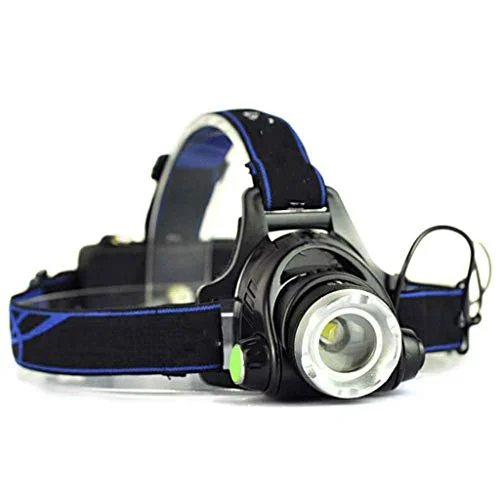
TEOYETTSF Rechargeable LED Headlamp
Best for: Lighting up a dark grille gap or under-bumper latch area hands-free
Why we picked it: Zoomable, waterproof, and leaves both hands free to feel for the secondary latch or check a used car’s engine bay
Main drawback: The head strap feels a bit bulky for just a quick 30-second check
View Our Pick on Amazon
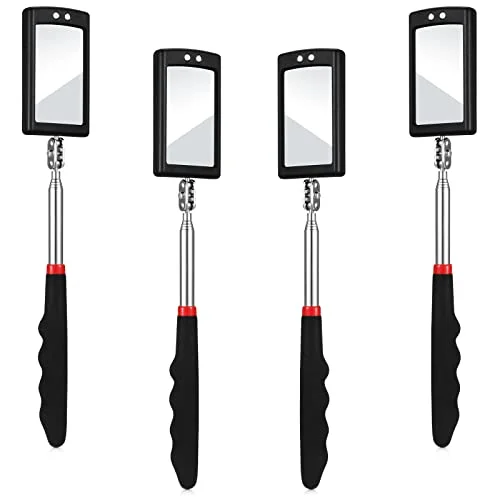 BBTO Telescoping Inspection Mirror Best for: Seeing around tight grille corners without removing any panels Why we picked it: Flexible gooseneck and built-in LED let you peek behind the bumper cover first Main drawback: Small mirror head takes some practice to angle correctly |
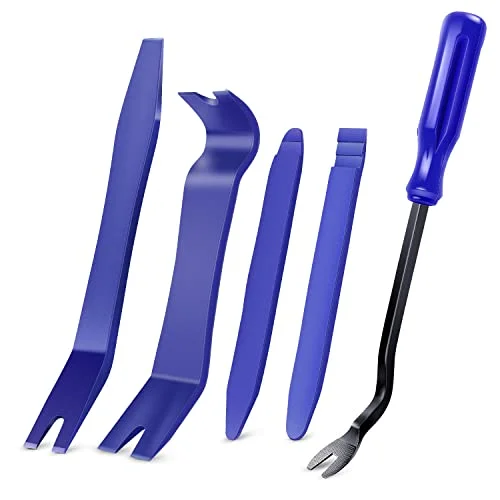 GOOACC No-Scratch Trim Tool Kit Best for: Gently feeling for a stuck secondary latch tab without scratching paint Why we picked it: Nylon construction won’t mar clips, grille slats, or paint like a metal screwdriver can Main drawback: Not rigid enough to force open a genuinely broken or rusted latch |
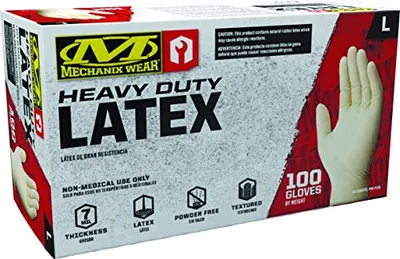 Mechanix Wear Latex Disposable Gloves Powder-Free Textured 100 Pack Best for: Keeping hands clean and protected in a dirty, sharp-edged engine bay Why we picked it: Impact-resistant padding still allows enough finger dexterity to locate a small latch tab Main drawback: Bulkier than bare hands for very fine, tight-space work |
Maintenance Tip: Keep the Secondary Latch Free of Rust and Debris
A secondary latch that’s caked in road grime or surface rust can be harder to find and release by feel, even though it isn’t truly broken. Twice a year, especially before winter in areas that use road salt, spray a light coat of silicone spray or white lithium grease on both latches and their pivot points, then work the hood open and closed a few times to work it in.
Closing the hood with a firm, controlled push rather than a slam also reduces wear on both latches over time.
When to Call a Professional
If you can’t locate the secondary latch by feel after a few minutes, if you’re not confident about reaching into an engine bay you don’t know well, or if this is genuinely a broken-cable or broken-latch situation rather than a no-access one, stop and call a mechanic or locksmith. Forcing unfamiliar parts risks damaging the latch, hinges, or surrounding bodywork, which turns a simple fix into a costlier repair.
Final Thoughts
Opening a hood “from outside” almost always means one of two things: releasing the secondary safety latch after the interior lever has done its job, or getting into a car you currently can’t access at all. Neither one requires blindly fishing for a cable through the grille. If your actual problem is a broken cable or a jammed latch on a car you already own, our dedicated guides above walk through that repair step by step.
Frequently Asked Questions
Can you open a car hood from outside without going inside the car at all?
On the vast majority of vehicles, no. The primary latch must first be released from the interior lever; the only part of the process that genuinely happens from outside the car is disengaging the secondary safety latch afterward.
What is the secondary hood latch, and why won’t it open the hood by itself?
The secondary latch is a spring-loaded safety catch near the front edge of the hood that only engages after the primary latch has already released. It exists to stop the hood from flying open at speed if the interior lever is triggered accidentally, and it always has to be found and released manually by hand.
I’m locked out of my car — how do I check the oil or open the hood?
Get into the car first. Use a spare key, call roadside assistance or a locksmith, or try a legitimate lockout method for your own vehicle. Trying to locate and pull a hood release cable you’ve never seen before is far less reliable than simply unlocking a door.
Can I ask a car dealership to open the hood before a test drive?
Yes, and you should. Reputable dealers keep keys on-site and will pop the hood on request as a normal part of letting you inspect the car. If a private seller won’t open the hood for you, treat that as a warning sign.
My interior hood release lever pulls but the hood stays shut — what’s wrong?
That usually points to a stretched, broken, or disconnected release cable rather than a no-access problem. See our full How to Open a Car Hood With a Broken Cable guide for the grille and coat-hanger workaround.
The lever feels tight and normal, but the hood still won’t budge — what’s wrong?
If the cable has normal tension, the latch mechanism itself is likely jammed with rust or debris. See our How to Open a Car Hood With a Broken Latch and How to Fix a Car Hood Latch guides for diagnosis and repair steps.
Products related to this article
Sponsored / affiliate links. As an Amazon Associate I earn from qualifying purchases. I may earn additional commission from eligible campaigns.