How to Fix a Car Hood Latch: Won’t Latch, Sticks or Pops Up
A hood that will not latch, sticks, or rises on the secondary catch is a safety problem before it is an annoyance: a hood that opens at speed blocks your view. This guide covers the latch assembly itself, from cleaning and greasing to alignment and when to replace it, using what the makers’ own bulletins and a federal rule say, and it includes a symptom chart that tells you which fixes are DIY and which belong in a shop.
Quick Answer
Most hood latch trouble is a dirty, dry or corroded latch. Cycle the secondary lever, clean it, brush on non-aerosol white lithium grease, and test. If the hood still will not latch positively, or it ever pops up while driving, do not drive the car: the alignment, striker or latch needs a technician.
How to Fix a Car Hood Latch That Sticks or Will Not Close
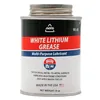
Best Brush-On Latch Grease Pick
|
AGS Lith-Ease White Lithium Grease, 8 oz Brush-Top Can
|
As an Amazon Associate we earn from qualifying purchases. Picks are based on listing specs, not hands-on testing.
Start with the part everyone skips: confirm the hood really latches. Closed properly, the hood should sit snug against its rubber bumpers and not lift when you try to raise the front edge. If it does not hold, do not use the car until it is sorted out.
Safety first: do not drive with a hood that does not latch
The federal standard 49 CFR 571.113 (FMVSS 113) on eCFR says each hood must have a latch system, and a front-opening hood that can block the driver’s forward view when open must have a second latch position or a second latch system. That is why a hood often lifts a few inches and stops when the primary latch lets go. It is a backup. A hood riding only on its secondary catch is one failure from opening, and GM’s recall notice for the 2013 to 2015 Chevrolet Spark says that if both latches fail to engage, the hood may open unexpectedly and increase the risk of a crash.
- If the hood is not latched positively, do not drive. Have the car towed if you must move it.
- If the hood pops up while you are driving, slow down smoothly, look through the gap or around the hood edge, and stop in a safe place. Do not keep driving to a shop.
- Check for open recalls by VIN on the NHTSA recall site. Hood latch and striker recalls exist, including the Spark case above.
How a Hood Latch Works and Where It Is
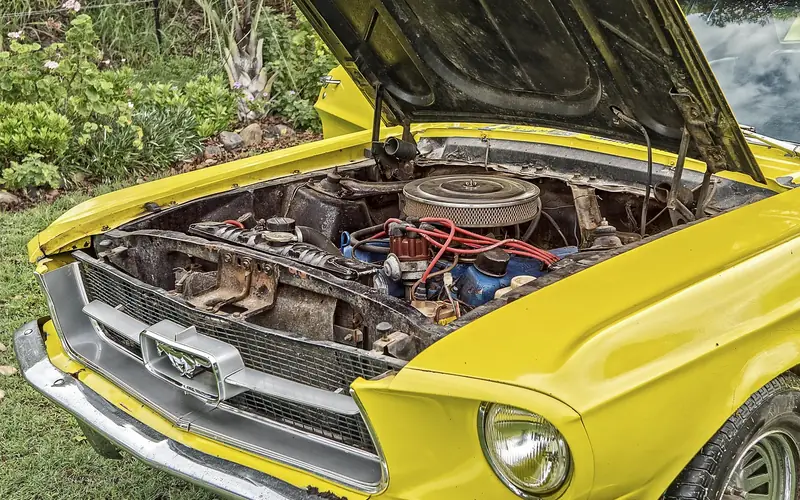
The hood latch is at the front of the engine bay on the body, behind the grille. A striker, usually a loop or hook, hangs from the underside of the hood and drops into it. You release the primary latch from inside the car with a lever and cable (see our guide to opening a hood with a broken cable if the lever does nothing), and then a secondary lever, usually under the front edge, releases the safety catch. Rubber bump stops on the hood or body set its height and press it against the latch.
So three things must agree for the hood to latch: the latch must move freely, the striker must line up with it, and the bumpers must hold the hood at the right height. Nearly every fault below is one of those three.
Hood Will Not Latch or Close: Symptom, Cause and Fix
This table pulls together what the makers’ bulletins and recalls we read say. The DIY column is our judgment: several of these bulletins state that they are for trained technicians and not for do-it-yourselfers, so treat adjustment as shop work unless your owner’s manual covers it.
| Symptom | Likely cause (per maker bulletins) | Fix | DIY or pro |
|---|---|---|---|
| Hood bounces back or needs a hard push | Latch dirty or stiff; latch out of line with striker (Ford 24-2233, 2024 Ranger); rubber bumpers set too high | Clean and grease the latch; a technician centers the latch on the striker and resets the bumpers | DIY for cleaning; pro for alignment |
| Hood stops on the first (secondary) position and will not go down further | Hood obstructed by cargo or the hood seal; latch or hood mis-adjusted; rubber bumpers over-engaged (GM 25-NA-034, Silverado EV) | Clear any obstruction, check the bumpers, have the latch reset or aligned | Pro |
| Secondary lever sticks or does not snap back | Dirt, old grease or corrosion at the pivot (Nissan R22A2 and R1413; GM Spark recall) | Cycle, clean, grease; replace the latch if it still will not move freely | DIY clean and grease; pro to replace |
| Hood sits uneven, rattles or vibrates | Hood height or alignment off at the hinges or bumpers (Subaru 12-229-17) | Technician adjusts hinges and bumpers and checks the safety latch | Pro |
| Hood opened or lifted while driving | Latch failure, corroded striker or secondary latch, or an unlatched hood | Stop. Do not drive. Get a technician to inspect and check recalls | Pro, with tow |
| Release lever feels slack and hood will not open | Cable stretched or detached, not the latch | See our broken-cable guide | Pro or DIY by model |
The bulletins are for specific models. We use them as examples of how makers diagnose these faults, not as a diagnosis of your car.
Cleaning and Lubricating a Stuck Hood Latch
Nissan’s bulletins for 2013 to 2016 Pathfinder (R22A2) and 2013 Altima (R1413) give the clearest maker procedure we found, and it differs from a lot of advice online. They do not spray grease at the latch. They clean it, dry it, and brush on non-aerosol white lithium grease, and they say not to use spray-on grease. Your car’s manual may say something different, so check it first.
- Open the hood and prop it securely. If the hood will not open, stop here and deal with the release cable first.
- Test the secondary lever. Move it five times. Nissan’s check is whether the latch snaps back to closed quickly without sticking. If it does, it may need only cleaning and grease. If it does not, go on.
- Free and clean the pivot. The Altima bulletin applies rust penetrant to the pivot pin and between the lever and body, cycles the lever 10 to 15 times, then cleans off the old lubricant and debris with brake cleaner or a similar cleaner. Wear eye protection, as Nissan notes for blowing parts dry, and wipe off excess so nothing pools.
- Let it dry, then grease by hand. Brush a small amount of non-aerosol white lithium grease onto the pivot and between the lever and latch body, then cycle the lever again.
- Check the result. The lever should move freely. If it does not, repeat. If you cannot get smooth movement, the Nissan bulletins say to replace the latch assembly.
- Close the hood and test. Lower it gently, confirm it latches positively, and try to lift the front edge to check.
Keep fingers out of the latch while you cycle it, and never reach in under a hood that is not propped securely. We did not find a maker source that names a spray lubricant or silicone for hood latches, so this guide does not recommend one. For general lubricant choices elsewhere on the car, see our guide on grease for car door hinges.
Aligning the Hood Latch and Hood Bumpers
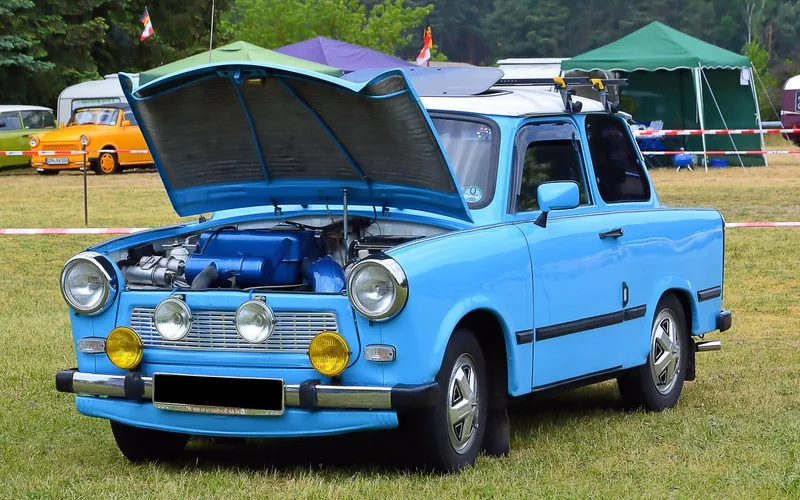
If cleaning does not cure it, the cause is often alignment. The three maker documents we read describe the same idea with different numbers:
- Ford 24-2233 (2024 Ranger): the hood needed extra effort to engage the primary latch because the latch was misaligned to the striker. The fix winds the bump stop rubbers fully in and backs them out 3.25 turns, tests by dropping the hood from 12 to 13 inches (about 300 to 330 mm) above the latch, then centers the latch on the striker if needed. Ford says the secondary latch was unaffected and the hood stayed secured, and that TSB procedures are not for do-it-yourselfers.
- Subaru 12-229-17 (2018 Legacy and Outback): the closed hood should sit snug against both hood bumpers, and the safety latch should catch under the weight of the hood. If it does not, the striker is adjusted left or right with a dead-blow hammer. Subaru says its bulletins are for professional technicians.
- GM 25-NA-034 (2024 to 2025 Silverado EV): a hood that cannot reach the fully latched position can stay on the secondary position. Listed causes include obstruction, a latch or hood out of adjustment and over-engaged rubber bumpers.
The common thread is that bumper height and latch position affect each other. Winding a bumper up lifts the hood off the latch and can stop it engaging, so a small change can make a big difference. Move one thing at a time, and if the hood will not stay down, do not drive. For power-cinching latches, GM warns that using a screwdriver in place of the striker can damage the latch or ajar switch, so leave those to a dealer.
When to Replace the Hood Latch Assembly
Replace the latch or striker when the maker’s own procedure says the part is no longer serviceable, not when you simply run out of patience. From the documents above:
- The latch lever still sticks after cleaning and greasing, which is Nissan’s trigger for replacing the assembly.
- The striker or secondary lever is corroded at the pivot. GM’s Spark recall replaces both the hood striker and the hood latch.
- The latch is bent, cracked or will not hold the hood on its primary position even after alignment (our judgment, not a maker rule).
Before paying for a part, enter your VIN on the NHTSA recall site. A hood latch or striker recall repair is free at a dealer, and that is the cheapest outcome. We did not find a reliable independent price for the part and labor, so ask a shop for a written quote.
What Most Guides Miss About Hood Latch Problems
- Spray grease is not what the makers specify. Nissan’s bulletins use non-aerosol grease applied with a brush.
- Bumpers matter as much as the latch. Ford, GM and Subaru all treat bumper height as part of the fix.
- The secondary latch is a backup, not the system. FMVSS 113 asks for a second position; it does not make a half-latched hood safe to drive on.
- A recall may already cover it. Hood latch and striker recalls are real, so check your VIN first.
Hood Latch Maintenance Schedule
We found no maker interval for hood latch cleaning, so this is our suggestion, not a maker rule: check the secondary lever when you check oil or washer fluid, and clean and grease it once a year, or sooner if you drive on salted roads. Close the hood gently instead of slamming it, and fix a lever that has started to stick before it fails.
Frequently Asked Questions
Can I drive with a hood latch that does not latch?
No. Do not drive with a hood that does not latch positively. Federal rule FMVSS 113 requires a front-opening hood that can block the driver’s view when open to have a second latch position or a second latch, but that is a backup, not a license to drive on it. GM’s recall notice for one model says that if both the primary and secondary latch fail to engage, the hood may open unexpectedly and increase the risk of a crash. Have it fixed before you drive, or have the car towed.
Where is the hood latch located?
At the front of the engine bay, on the body behind the grille, with the striker (a loop or hook) on the hood’s underside. The secondary lever is usually reached by feeling under the front edge of the hood, but its position and movement vary by vehicle, so check your owner’s manual.
Why will my hood not close or latch?
The usual causes in maker bulletins are a stiff or dirty latch, a latch that is out of line with the striker, rubber hood bumpers wound too high, or something blocking the hood such as a cargo item or hood seal. Cleaning and greasing the latch comes first. Alignment and bumper changes are a technician job per the makers’ own bulletins.
What lubricant should I use on a hood latch?
Check your owner’s manual first. Nissan’s bulletins for the Altima and Pathfinder clean the latch with a rust penetrant or cleaner, dry it, then brush on non-aerosol white lithium grease and say not to use spray-on grease. We did not find a maker source that names silicone spray for hood latches.
How do I know when to replace the hood latch assembly?
When the secondary lever or latch still does not move freely after cleaning and greasing, the bulletins we read say to replace it. Replace it too if the latch is bent, cracked or will not hold the hood shut, and check for open recalls on your VIN first.
Can I adjust the hood bumpers myself?
They are simple rubber stops, and some owners adjust them, but the bulletins we read are written for trained technicians and warn against do-it-yourself work. Over-winding them can stop the hood from latching, so if you change them, make small changes and test after each one. If the hood still will not latch, stop and have a shop do it.
Conclusion
A hood latch problem is usually dirt, dryness or a few turns of misalignment, and the fixes you can safely do yourself are cleaning and brush-on grease. Alignment, strikers and replacement are technician jobs, and a hood that will not latch positively means the car stays parked. Check your owner’s manual and your VIN for recalls before you start.
Products related to this article
Sponsored / affiliate links. As an Amazon Associate I earn from qualifying purchases. I may earn additional commission from eligible campaigns.