How To Secure A Canoe To A Car Safely For Any Trip
Getting your canoe from point A to point B is a big part of the fun. But if it’s not tied down right, it can become a real headache. You want to feel sure that your canoe is safe and sound.
This guide will walk you through everything. You’ll learn how to make sure your canoe stays put. This is true no matter where you’re going.
Securing a canoe to a car safely involves using the right equipment like roof racks, straps, and tie-down ropes. It requires careful placement of the canoe on the rack, proper tensioning of straps to prevent shifting, and securing it at multiple points to ensure stability during transit.
Understanding Canoe Car-Top Transport
Taking a canoe on a road trip is exciting. It means new water adventures await. But the journey itself needs planning.
Many people worry about their canoe coming loose. This fear is valid. A unsecured canoe is dangerous.
It can cause accidents. It can also damage your car or the canoe.
Understanding how to secure a canoe starts with knowing your gear. You need a good roof rack system. This is the base for everything else.
Then you need strong straps. Rope is also very important. Each piece plays a vital role.
They work together to keep your canoe stable.
The weight and shape of a canoe are tricky. They can catch wind. This is especially true at higher speeds.
This is why the tie-down method matters so much. It’s not just about holding it down. It’s about holding it down right.
This keeps you and others safe.
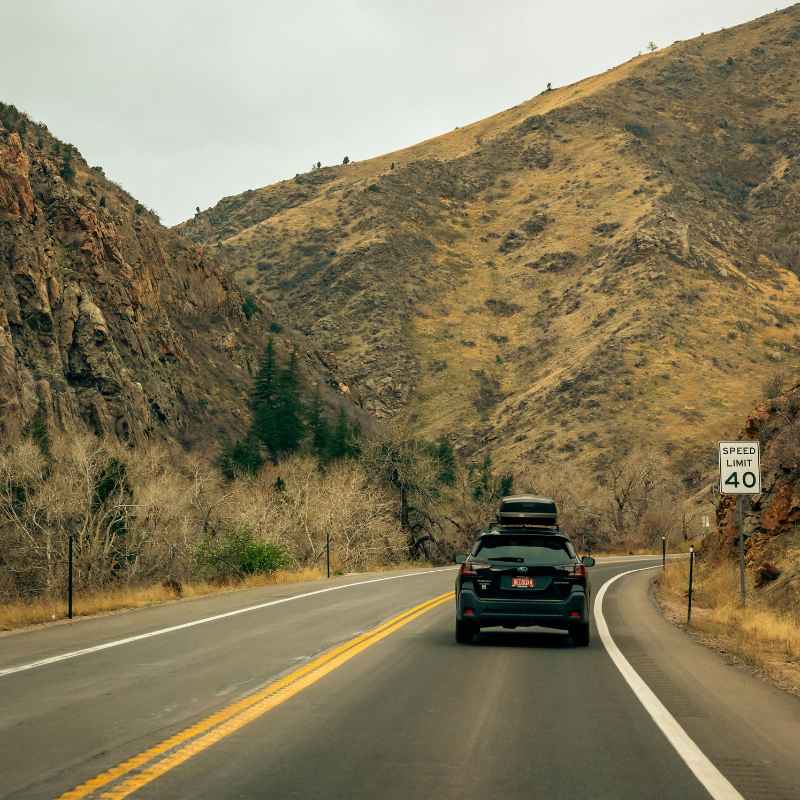
My Canoe Journey Scare
I remember one trip in particular. It was a crisp fall morning. The leaves were bright red and gold.
I was heading to a lake I’d wanted to paddle for ages. I’d loaded my canoe myself. I thought I’d done a pretty good job.
I used the straps that came with my roof rack.
About an hour into the drive, on a stretch of highway, I heard a strange flapping sound. It wasn’t a tire. It was a bit rhythmic.
My stomach dropped. I checked my mirrors. Nothing seemed obviously wrong.
But the sound kept going. It grew louder. I pulled over to a rest stop.
When I got out, I saw it. One side of the canoe had shifted. It was hanging a bit over the edge of the rack.
The straps had loosened somehow. I must not have tightened them enough. Or maybe they slipped.
My heart was pounding. It felt like a disaster. I spent a good 20 minutes re-securing it.
I added extra rope. I double-checked everything. That day taught me a huge lesson about being truly meticulous.
Roof Rack Basics
Roof racks are your foundation. They are bars that attach to your car’s roof. Look for racks made for your car model. Universal racks can work but might need careful fitting.
The best racks are strong and wide enough. This gives your canoe a good base.
Choosing the Right Roof Rack System
Not all roof racks are the same. Some cars come with factory-installed side rails. Others need a clamp-on system.
You might have a sedan, SUV, or truck. Each vehicle type can need a different rack setup.
Crossbars are key. These are the horizontal bars. They connect the side rails or towers. Longer crossbars are better for canoes.
They offer more stability. They spread the weight well. Check the weight limit of your rack.
Your canoe plus rack should be within this limit.
Consider dedicated canoe carriers. These are special attachments. They cradle your canoe. Examples include saddles or J-cradles.
Saddles conform to the hull shape. They reduce pressure points. J-cradles hold the canoe on its side.
This can save space. They often provide a more secure fit.
When picking a system, think about how often you’ll transport. For occasional trips, a basic crossbar system might do. For frequent travelers, investing in a more specialized carrier makes sense.
Always read reviews. See what other canoeists recommend for your car type.
Types of Canoe Carriers
- Hull-Down Saddles: These cup the canoe’s hull. They offer good grip.
- J-Cradles: These hold the canoe on its side. They are space-saving.
- Rollers: These help load heavy canoes onto the rack.
- Load Bars: Basic bars work for many. They require careful strapping.
The Essential Gear for Securing Your Canoe
Beyond the roof rack itself, you need specific items. These are your tools for safety.
Straps are your main line of defense. You need cam straps. These are webbing straps with a buckle. The buckle has a cam mechanism.
This lets you tighten them very well. They are strong and won’t easily loosen. Avoid ratchet straps for canoes.
They can over-tighten. They can crush the hull.
Look for straps that are at least 12 feet long. This gives you enough length to go around the canoe and rack. The straps should be wide, about 1 inch or more.
This distributes pressure better. Bright colors are a plus. They help you see the straps easily.
Rope is crucial for extra security. Use sturdy nylon or polyester rope. About 30 feet is a good amount. You’ll use this for bow and stern tie-downs.
This is sometimes called “worry-free” tie-downs. They prevent the canoe from lifting or shifting forward or backward.
Consider padding. Some racks come with padding. If yours doesn’t, use foam blocks or pool noodles. Place these between the canoe and the crossbars.
This protects the hull. It also prevents slippage.
A ladder or step stool is helpful. Lifting a canoe onto a car can be hard. A small step stool or a truck bed extender can make loading much easier. This is especially true for taller vehicles.
Quick Checklist for Gear
- Roof rack system (crossbars, towers)
- Cam straps (2 to 4, 12+ feet each)
- Strong rope (30+ feet)
- Padding for crossbars
- Gloves (optional, for grip)
- Ladder or step stool (optional)
Step-by-Step: Loading Your Canoe
Loading a canoe can be a two-person job. If you’re alone, it takes more effort. Plan ahead.
Position your car. Find a clear, flat area. This makes loading safer. Center your car in the space.
Make sure you have room to walk around.
Prepare the rack. If using padding, place it on the crossbars now. If using specific carriers like saddles, ensure they are positioned correctly.
Lift the canoe. If you have a helper, one person at each end is best. Lift with your legs, not your back. Guide the canoe onto the rack.
If you’re alone, you might need to lift one end at a time. Slide it into place.
Center the canoe. Make sure the canoe is balanced on the rack. The weight should be distributed evenly. The bow and stern should extend a similar amount past the car’s front and back.
Check your car’s manual for any specific loading guidelines.
Secure the canoe. This is the most important step.
Loading Tips
- Two people make it easy. Coordinate lifts.
- Solo loading? Use a kayak loader or a truck bed roller if you have one. Or, lift one end, then the other.
- Protect your car. Place a blanket or towel on the rear of your car. This stops scratches if the canoe slips during loading.
Mastering the Tie-Down Technique
This is where many people make mistakes. Getting the tie-downs right is critical for safety.
Use cam straps for the main hold. Place one strap over the canoe. Loop it under the crossbar. Bring it back over the canoe.
Connect the buckle. Pull the strap to tighten. Repeat for the second crossbar.
You want the canoe to feel snug. It shouldn’t move when you push on it.
How to tighten cam straps: Thread the strap through the buckle. Pull the loose end firmly. The cam lock will grip.
Keep pulling until the strap is tight. Do not overtighten. You don’t want to warp the hull.
Just snug and secure.
Bow and Stern Tie-Downs (Worry-Free): These prevent forward or backward movement. They also stop the canoe from lifting in wind.
- Find a solid attachment point on your car’s frame. Many cars have tow hooks or loops under the bumper. If not, you might need to get aftermarket anchors.
- Attach one end of your rope to the canoe’s bow handle or a strong deck loop.
- Run the rope down and under the car’s frame or a secure anchor point.
- Bring the rope back up to the canoe’s bow handle or loop.
- Tie a secure knot, like a taut-line hitch. This lets you adjust tension later.
- Repeat this process for the stern.
Check the tension. The rope should be taut, but not so tight it bends the canoe. It should stop any slack or wobble.
Tie-Down Knot Guide
- Taut-line Hitch: Great for adjustable tension. Use it for bow and stern ropes.
- Bowline Knot: Creates a secure loop. Good for attaching ropes to the canoe.
What to Check Before You Drive
This is the final safety sweep. Don’t skip it. It’s your last chance to catch a problem.
Give it a shake. Gently try to push and pull the canoe. Does it shift? Does it move at all on the rack?
If it moves, tighten the straps more. Or add rope.
Check strap buckles. Make sure they are locked. Ensure no part of the strap is loose and flapping.
Inspect bow and stern lines. Are they taut? Are the knots secure? Do they look like they will hold?
Look at the canoe itself. Is it sitting evenly? Is it centered? Are there any signs of stress on the hull from the straps?
Clear the area. Make sure no straps or ropes are dragging on the ground. This can be dangerous.
Visibility. If your canoe extends far beyond your car’s width or length, you may need flags. Check local laws. Orange flags are common.
They alert other drivers.
Pre-Drive Safety Sweep
- Wiggle Test: Push, pull, and lift.
- Strap Check: Buckles secure? No slack?
- Rope Check: Taut and tied?
- Canoe Position: Centered and stable?
- Road Clearance: Nothing dragging?
- Visibility: Flags needed?
Real-World Context: Long Trips vs. Short Hauls
The way you secure a canoe can vary slightly. It depends on your trip.
Short trips around town. If you’re just going a few miles on quiet roads, your basic tie-downs might be enough. But being thorough is always best. Even short trips can have unexpected highway sections.
Long highway drives. These are where careful tie-downs are most critical. You’ll encounter higher speeds and crosswinds. Vibration is also a factor.
You need to ensure everything stays tight. You might want to plan stops to re-check your straps. Every couple of hours is a good idea.
Different weather conditions. Rain can make straps slick. Wind requires extra attention. Snow and ice can affect traction and handling.
Always be aware of the weather. Adjust your tie-down strategy if needed. A bit of extra rope can’t hurt in bad weather.
Terrain matters too. Driving on bumpy roads puts more stress on your setup. If you’ll be on gravel or uneven surfaces, double-check your knots and strap tension more often.
Trip Considerations
- Short trips: Basic checks are good.
- Long trips: Plan for re-checks.
- Windy conditions: Extra vigilance needed.
- Rough roads: More stress on ties.
Common Mistakes to Avoid
Knowing what not to do is as important as knowing what to do. Many common errors can be avoided with a little awareness.
Mistake 1: Using the wrong straps. Ratchet straps are a big no-no for canoes. They can easily overtighten. This can damage the canoe’s hull.
Stick to cam straps.
Mistake 2: Not using bow and stern tie-downs. Many people just strap the canoe to the roof rack. This leaves it vulnerable to lifting or sliding forward. Bow and stern lines are essential for stability.
Mistake 3: Loose straps. This is the most common and dangerous mistake. Straps that aren’t tight enough will loosen over time. This can cause the canoe to shift or even come off.
Mistake 4: Overloading the rack. Make sure your roof rack system has a weight capacity. Your canoe’s weight, plus any accessories, must be within this limit.
Mistake 5: Not checking attachment points. Ensure the points on your car where you tie down ropes are strong. Weak points can fail.
Mistake 6: Forgetting a pre-drive check. That quick wiggle test can catch a problem before it becomes a disaster.
Common Pitfalls
- Using ratchet straps instead of cam straps.
- Skipping bow and stern tie-downs.
- Leaving straps or ropes too loose.
- Ignoring the roof rack’s weight limit.
- Using weak tie-down points on the car.
- Skipping the final safety check.
What This Means for Your Canoe Adventures
The main takeaway is that securing your canoe isn’t a suggestion; it’s a necessity.
When it’s normal: It’s normal for a well-secured canoe to feel very solid. You should be able to push on it moderately, and it shouldn’t budge. The straps should be snug, and the canoe should sit evenly on the rack.
When to worry: If you hear any flapping, creaking, or rattling sounds from the canoe while driving, that’s a clear sign to stop. If you notice the canoe has shifted on the rack, or if straps look loose, that’s a serious concern. Also, if you feel the car handling differently, pulling to one side, or if the steering feels off, pull over immediately.
Simple checks you can do: Before every trip, do the wiggle test. Look at your straps and ropes. Make sure they are secure.
A quick visual inspection of the canoe’s position on the rack is also smart.
Thinking about these checks means you are being responsible. It shows you care about safety. For yourself and everyone else on the road.
Quick Fixes and Tips for Better Security
Sometimes, small adjustments make a big difference. Here are a few extra tips:
Add extra straps. If you have a very long or heavy canoe, consider using more than two main straps. Four straps, one near each end of the crossbars, can add extra security.
Use a locking strap system. Some racks come with lockable straps. This is a great deterrent against theft. It also ensures straps can’t be accidentally loosened.
Consider a cockpit cover. If you’re not using a dedicated canoe carrier, a cockpit cover can help the canoe sit more snugly. It can also prevent water from pooling on top.
Wrap excess strap. Once your straps are tight, take the excess webbing. Wrap it around the buckle or crossbar. Secure it with a rubber band or zip tie.
This stops the excess strap from flapping. It also prevents it from getting caught.
Keep spare straps and rope. It’s a good idea to have an extra set of straps and some rope in your car. If one fails, you have a backup.
Pro Tips for Peace of Mind
- More is more: Use extra straps if you feel unsure.
- Lock it down: Anti-theft locking straps are worth it.
- Neatness counts: Secure all loose ends of straps.
- Be prepared: Carry spares of your essential gear.
Frequently Asked Questions About Canoe Car-Top Transport
Is it safe to transport a canoe on a car without a roof rack?
It is generally not recommended. While some people try to use makeshift methods, they are often unsafe. A proper roof rack provides a secure and stable platform.
Without it, the risk of the canoe shifting or coming loose is very high. This can cause serious accidents.
How do I know if my canoe is too heavy for my car’s roof rack?
Check the manufacturer’s specifications for your car’s roof rack system. This will state the maximum weight capacity. Your canoe’s weight, plus the weight of the rack and any accessories, should be below this limit.
If you’re unsure, err on the side of caution. You may need a stronger rack or a different transport method.
What is the best way to tie down a canoe that has an unusual hull shape?
Canoes with very rounded or unusual hull shapes can be trickier. Using padded saddles designed for specific hull types can help. Ensure the straps fit snugly against the hull without creating pressure points.
Sometimes, using extra padding between the canoe and the rack is necessary.
Can I use bungee cords to tie down my canoe?
No, bungee cords are not suitable for securing a canoe. They stretch and can come loose easily. They also don’t provide consistent tension.
Bungee cords can lead to the canoe shifting or falling off the vehicle. Always use sturdy cam straps and rope.
How tight should the straps be?
Straps should be snug and secure. You want the canoe to feel like part of the car. It should not shift when you push on it.
However, you should not overtighten to the point where you can see the hull deforming or hear creaking sounds. The goal is secure stability, not crushing the canoe.
What are the legal requirements for transporting a canoe on a car?
Laws vary by state and region. Generally, you need to ensure your cargo is safely secured. This means it should not obstruct your vision or the vision of other drivers.
Overhanging items may require warning flags, especially at night or if they extend beyond a certain length or width. Check your local Department of Transportation for specific rules.
Final Thoughts on Safe Canoe Transport
Transporting your canoe safely is a skill. It takes practice and attention to detail. By using the right gear and following these steps, you can have peace of mind.
Your canoe will be ready for adventure. Always prioritize safety. Enjoy the journey to the water!
Products related to this article
Sponsored / affiliate links. As an Amazon Associate I earn from qualifying purchases. I may earn additional commission from eligible campaigns.
 TOBBOMEY 10ps Car Seat Cover Hooks - Seat Cover Clips - Auto Cushion Mat Fixing Hooks Hanger Fastener for Vehicle Replacements Accessories
 Edinstry Car Backup Camera,HD Night Vision Rear View Camera, License Plate Camera with 9 LED Lights Rear Camera, Wide View Angle, IP69K Waterproof Reverse Vehicle Camera for Cars, SUV, Trucks