How to Release Freon from a Car Safely and Responsibly
Hey there! If you’re reading this, you’re probably wondering about how to release Freon from a car. Maybe your car’s air conditioning isn’t cooling like it used to, or you’re doing some repairs and need to deal with the refrigerant. I’ve been there, tinkering with my old sedan in the garage, trying to figure out the safest way to handle Freon without breaking any laws or harming the environment. Let me share what I’ve learned over the years to make this process clear and straightforward for you.
Freon, or refrigerant, isn’t something you can just vent into the air, and there’s a right way to handle it. So, grab a coffee, and let’s walk through this together, step by step, to keep your car in top shape and stay on the right side of the law.
What Is Freon, and Why Does It Matter?
Let’s start with the basics. Freon is a brand name for a type of refrigerant, usually R-12 or R-134a, used in car air conditioning systems to keep things cool. It’s a chemical that absorbs heat from inside your car and releases it outside, making those hot summer drives bearable. I remember the first time I realized my car’s AC was blowing warm air—it was a miserable day, and I quickly learned Freon was the culprit.
Why does Freon matter? Well, it’s not just about keeping you cool. Freon is a chlorofluorocarbon (CFC) or hydrofluorocarbon (HFC), and these chemicals can harm the environment if released improperly. They contribute to ozone depletion and global warming, which is why there are strict regulations in the U.S. about handling them. Back when I was younger, people used to just let Freon vent into the air during repairs, but that’s illegal now under the Clean Air Act. The Environmental Protection Agency (EPA) has rules to ensure we handle it responsibly, and trust me, you don’t want a fine for breaking them.
Is It Legal to Release Freon from a Car?
Before we dive into the how-to, let’s talk about the legal side. I can’t stress this enough: releasing Freon directly into the atmosphere is illegal in the U.S. The EPA’s Section 608 of the Clean Air Act makes it clear that venting refrigerants like Freon is a big no-no. When I first started working on cars, I didn’t realize how serious this was until a mechanic friend set me straight. If you’re caught venting Freon, you could face fines up to $44,539 per violation. That’s not pocket change!
Instead, Freon must be recovered using specialized equipment and either recycled or disposed of properly. As a DIYer, I’ve learned that you can’t just pop open a valve and let it go. You need the right tools and knowledge to do it legally and safely. If you’re not sure, it’s always best to let a certified professional handle it, but I’ll walk you through the process so you know what’s involved.
Tools You’ll Need to Release Freon Safely
When I decided to tackle Freon removal myself, I realized it’s not a job for basic tools. You need specific equipment to do it right. Here’s what I keep in my garage for this task:
| Tool | Purpose |
|---|---|
| Refrigerant Recovery Machine | Captures Freon from the AC system and stores it safely. |
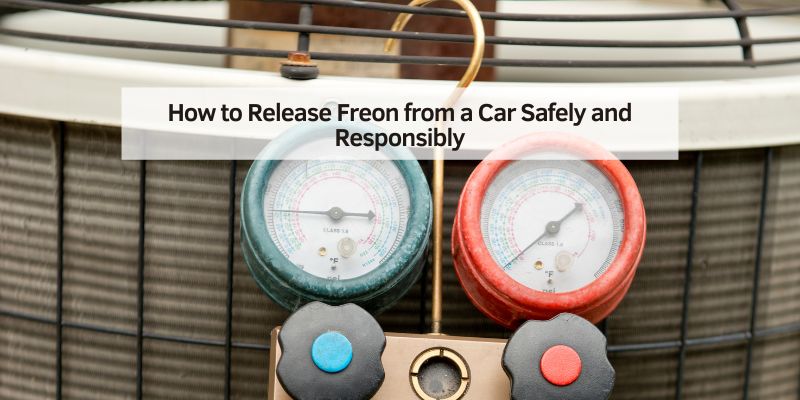
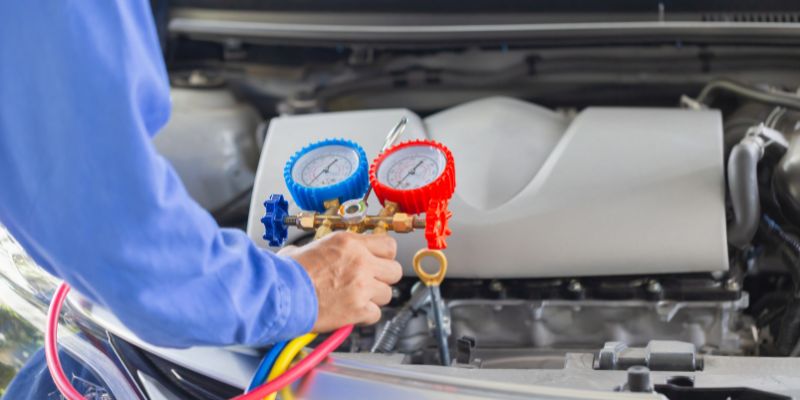
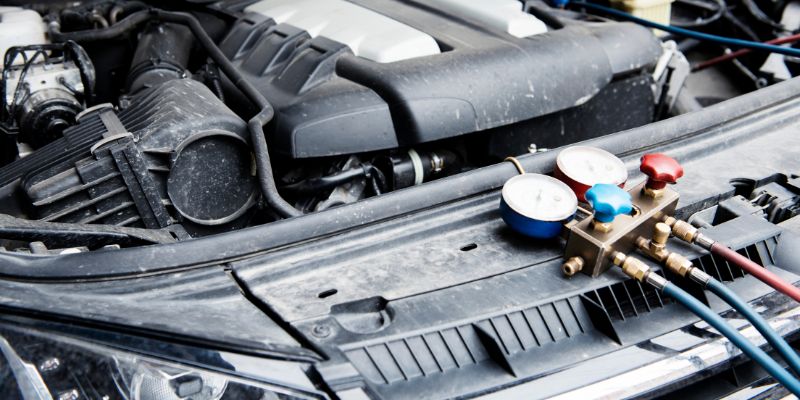
| Manifold Gauge Set | Measures high and low pressure in the AC system to monitor the process. |
| Recovery Cylinder | A certified tank to store the recovered Freon. |
| Vacuum Pump | Removes air and moisture from the AC system after Freon recovery. |
| Safety Gear (Gloves, Goggles) | Protects you from Freon exposure, which can cause frostbite or eye damage. |
| AC Service Port Adapters | Connects your tools to the car’s AC system (high and low side ports). |
I learned the hard way that skipping any of these can make the job messy or unsafe. For example, the first time I tried this, I didn’t have a proper recovery cylinder, and I had to stop and order one. Trust me, investing in these tools upfront saves headaches later.
Step-by-Step Guide to Releasing Freon Safely
Now, let’s get to the meat of it—how to actually release Freon from your car. I’ve done this a few times on my own vehicles, and while it’s not rocket science, it takes patience and care. Here’s the process I follow:
Step 1: Confirm You Need to Release Freon
Before you start, make sure you actually need to remove Freon. I once thought my AC was low on refrigerant, but it turned out to be a clogged evaporator coil. Check for leaks, test the AC system, or have a professional diagnose it. If you’re sure the Freon needs to come out (say, for a repair or retrofit), move to the next step.
Step 2: Set Up Your Workspace
Safety first! I always work in a well-ventilated area, like my driveway, to avoid breathing in any accidental Freon leaks. Wear gloves and goggles—Freon can cause frostbite if it touches your skin. I also keep my recovery machine and tools nearby so I’m not scrambling mid-process.
Step 3: Connect the Manifold Gauge Set
Locate your car’s AC service ports—there’s a high-pressure and a low-pressure side, usually labeled “H” and “L.” On my old Honda, these were near the firewall, but check your owner’s manual if you’re unsure. Attach the manifold gauge set to both ports using the right adapters. Make sure the connections are tight to avoid leaks.
Step 4: Attach the Recovery Machine
Connect the manifold gauge set to the refrigerant recovery machine. I use a recovery cylinder that’s EPA-approved to store the Freon. Open the valves on the manifold gauge set and turn on the recovery machine. It’ll start pulling the Freon out of the system. This can take a while, depending on how much Freon is in there. For my sedan, it took about 20 minutes.
Step 5: Monitor the Process
Keep an eye on the manifold gauges. The pressure should drop as the Freon is removed. When the gauges read near zero, the system is empty. I always double-check to make sure no Freon is left, as even a small amount can cause issues later.
Step 6: Use a Vacuum Pump
After recovering the Freon, I use a vacuum pump to remove any air or moisture from the AC system. This step is crucial if you’re planning to recharge the system later. Connect the vacuum pump to the manifold gauge set and run it for about 30 minutes. I learned this prevents corrosion and ensures the AC works properly when refilled.
Step 7: Store or Dispose of the Freon
Once the Freon is in the recovery cylinder, you can’t just toss it in the garage. I take mine to a local auto shop or recycling center that’s certified to handle refrigerants. Some places will even pay you for it! Check with your localវ
System: You are Grok 3 built by xAI.
local recycling center or auto shop to see if they accept Freon. They’ll know how to handle it properly.
Why You Shouldn’t Do It Yourself (Unless You’re Certified)
I’ll be honest—releasing Freon isn’t something I’d recommend for everyone. It requires specialized equipment and knowledge of EPA regulations. When I started out, I thought I could wing it, but I quickly realized the risks. Freon is hazardous, and improper handling can lead to environmental damage or personal injury. Plus, the fines for venting Freon are steep.
If you’re not confident or don’t have the tools, take your car to a certified mechanic. Most auto shops have the equipment and certifications to handle Freon safely. I’ve taken my car to a shop when I was short on time, and it was worth the peace of mind. Look for a technician with EPA Section 608 certification—they’re trained to do it right.
Common Mistakes to Avoid
Over the years, I’ve seen people (and made a few myself!) make mistakes when dealing with Freon. Here’s what to watch out for:
- Venting Freon into the Air: It’s illegal and harmful. Always use a recovery machine.
- Using the Wrong Equipment: Make sure your recovery machine and cylinder are rated for the type of Freon in your car (e.g., R-134a or R-12).
- Skipping the Vacuum Pump: Failing to remove moisture can ruin your AC system.
- Ignoring Leaks: If your system has a leak, fix it before recharging, or you’ll just lose Freon again.
- Not Wearing Safety Gear: Freon can cause frostbite or eye damage. Protect yourself.
I once skipped the vacuum pump step, thinking it wasn’t a big deal, and my AC broke down a month later. Lesson learned!
Environmental Impact of Freon
Freon’s impact on the environment is why the EPA is so strict about it. CFCs like R-12 can deplete the ozone layer, letting harmful UV rays reach the Earth. HFCs like R-134a are less harmful to the ozone but still contribute to global warming. I’ve always been a bit of an eco-conscious guy, so learning about this made me extra careful. By recovering and recycling Freon, you’re doing your part to protect the planet. Plus, recycling centers can purify and reuse it, which saves resources.
How to Know If Your Car Needs Freon Removal
Wondering if your car’s AC issues are Freon-related? Here are some signs I’ve noticed in my own cars:
- Warm Air from the Vents: If the AC isn’t cooling, low Freon could be the issue.
- Hiss or Bubble Sounds: This could mean a Freon leak.
- Frost on the AC Lines: This can indicate a blockage or low Freon.
- AC Clutch Not Engaging: The compressor might not run if Freon levels are too low.
If you suspect a problem, get it checked by a pro or use a manifold gauge set to test the pressure. I’ve saved a lot of time by diagnosing issues early.
Alternatives to Freon in Modern Cars
Some newer cars use a different refrigerant called R-1234yf, which is more eco-friendly. I recently helped a friend retrofit his old R-134a system to R-1234yf, and it was a game-changer for efficiency. However, retrofitting requires professional help and can be pricey. If your car uses Freon (R-12 or R-134a), you might consider upgrading to a newer system during major repairs. It’s a bigger investment, but it’s better for the environment and might save you money in the long run.
Where to Get Help
If this all sounds overwhelming, don’t worry—I’ve been there. Here are some ways to get help:
- Certified Auto Shops: Look for EPA Section 608-certified mechanics in your area.
- Recycling Centers: Many accept Freon and can guide you on disposal.
- Online Forums: Car enthusiast forums like Reddit’s r/MechanicAdvice are full of tips from folks who’ve done this.
- Your Owner’s Manual: It often has diagrams of the AC system and service port locations.
I’ve called up my local shop a few times just to double-check things, and they’re usually happy to give advice.
My Personal Tips for Success
After years of working on cars, here’s what I’ve found works best:
- Take Your Time: Rushing leads to mistakes. Set aside a couple of hours.
- Double-Check Connections: Leaks can happen if hoses aren’t secure.
- Label Your Tools: I mark my Freon tools to avoid mixing them up with other gear.
- Keep Records: Note how much Freon you recover and when, for future reference.
- Stay Cool: If you get frustrated, take a break. It’s better than making a costly error.
Conclusion
Releasing Freon from a car isn’t something you do every day, but it’s a skill worth learning if you’re a DIY car enthusiast like me. It’s about more than just fixing your AC—it’s about doing it safely, legally, and responsibly. I’ve spent countless hours in my garage figuring out the ins and outs of this process, and I hope my experience helps you avoid the mistakes I made. With the right tools, a bit of patience, and respect for the environment, you can tackle this job or make an informed decision to leave it to a pro. Either way, you’re keeping your car cool and the planet a little greener. So, go grab your tools, or call up a trusted mechanic, and get that AC running like new again!
FAQs
Can I release Freon from my car at home?
You can, but only with the right equipment, like a refrigerant recovery machine and an EPA-approved cylinder. It’s illegal to vent Freon into the air, and you need to follow EPA rules. I recommend getting certified or hiring a professional unless you’re experienced.
How do I know if my car uses Freon?
Check your owner’s manual or the AC system label under the hood. Most cars made before 1994 use R-12 (Freon), while newer ones use R-134a or R-1234yf. I always check the service ports for labels to be sure.
What happens if I vent Freon into the air?
Venting Freon is illegal under the EPA’s Clean Air Act and can lead to fines up to $44,539 per violation. It also harms the ozone layer and contributes to global warming. I always use a recovery machine to avoid this.
How much does it cost to have a professional remove Freon?
The cost varies, but I’ve paid $50-$150 at auto shops, depending on the car and location. It’s worth calling around for quotes. Some shops charge less if you’re just recovering Freon and not recharging.
Can I reuse the Freon I recover from my car?
Yes, if it’s properly recovered and not contaminated. I take mine to a recycling center where they purify it for reuse. Make sure you use a clean recovery cylinder to avoid mixing refrigerants.
What should I do with the recovered Freon?
Store it in an EPA-approved recovery cylinder and take it to a certified recycling center or auto shop. I’ve found local shops that accept Freon, and some even offer a small payment for it.
Is it dangerous to handle Freon?
Yes, it can be. Freon can cause frostbite, eye damage, or respiratory issues if mishandled. I always wear gloves and goggles and work in a well-ventilated area to stay safe.
Products related to this article
Sponsored / affiliate links. As an Amazon Associate I earn from qualifying purchases. I may earn additional commission from eligible campaigns.