Best Car Wash Supplies for Winter Use: We Compared
The best car wash supplies for winter use are a pH-neutral shampoo, a rinseless wash for low-water days, two microfiber drying towels, a wheel cleaner, and a winter-safe sealant. If temperatures are below about 32°F, skip a full hose wash unless you can dry fast and keep doors, locks, and glass from refreezing. Salt left on paint, seals, and wheels does real damage.
Quick comparison
| Product | Badge | Best for | Price | ||
|---|---|---|---|---|---|
 |
QUIVR Rogue pH Neutral Foaming Car Wash SoapQUIVR | Our pick | 1 gallon · pH neutral · foam soap concentrate | $74.99
Price as of 13 Nov 2026
|
View |
 |
Optimum No Rinse Wash and Shine Version 5Optimum Polymer Technologies, Inc. | Also great | 1 gallon · rinseless wash · indoor detailing | $44.99
Price as of 13 Nov 2026
|
View |
 |
Tool Daily Foam Cannon with 1/4 Inch Quick Connector 1 LiterTool Daily | Pair with it | 1 liter · pressure-washer foam cannon · 5 tips | $17.99
Price as of 13 Nov 2026
|
View |
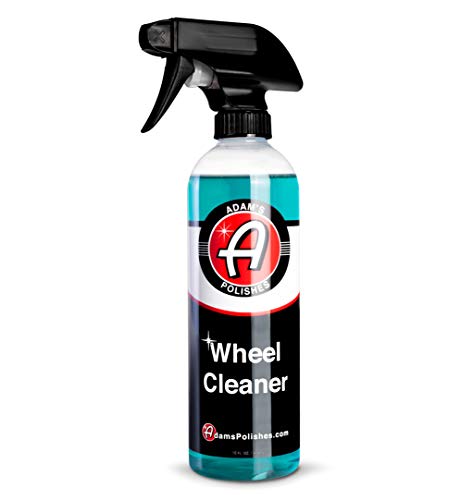 |
Adam’s Polishes Wheel Cleaner 16ozAdam’s Polishes | Pair with it | 16 oz · wheel cleaner · brake dust remover | $16.99
Price as of 13 Nov 2026
|
View |
 |
Autofiber Amphibian Dual Microfiber Car Drying TowelAutofiber | Budget pick | 20 x 30 in · microfiber drying towel · dual sided | $19.95
Price as of 13 Nov 2026
|
View |
Use the table below to match the kit to your weather, parking setup, and washing style. Think in three steps, before washing, during washing, and after washing.
The right product mix moves salt off the car instead of leaving streaks, frozen seals, or grit dragged across the paint.
How we chose
We compared the products by winter compatibility, rinse behavior, freeze risk during the dry step, and the use case each one fits. The product details here come from manufacturer listings and published buyer feedback.
We also looked for supplies that work in cold water, leave less residue, and fit a winter wash kit without extra gimmicks.
QUIVR Rogue pH Neutral Foaming Car Wash Soap: best for cold-water hand washing
This soap fits drivers who still wash by hand in cold weather and want a clear-coat-safe shampoo that rinses clean. The manufacturer lists it as a pH-neutral foam concentrate, and the product details say it is meant to be gentle on painted and ceramic-coated vehicles.
Its main winter value is simple: thick foam helps lift road grime, salt, and mud so less grit stays on the mitt. That matters when the car is covered in dirty slush film and you want easy rinsing without a sticky residue.
The drawback is cost. At $74.99 for a gallon, it is not the cheapest route for a basic winter kit, and a foaming soap still works best when you give the car a proper rinse before and after the wash.
Optimum No Rinse Wash and Shine: best for garage-kept or low-water washing
This is the better fit for garage-kept cars, apartment parking, or any winter day when a full hose wash is risky. The listing says it is a rinseless wash, safe on paint, glass, trim, and interiors, and useful for indoor or off-season detailing.
In freezing weather, that matters because you can clean light winter film with far less water. It also helps drivers who need a controlled wash for spots that collect salt residue without blasting the whole car with cold runoff.
The drawback is that it is not the best choice for heavy slush or packed winter mud. You still need clean towels, careful section-by-section work, and a surface that is not coated in abrasive dirt.
Tool Daily Foam Cannon: best for pressure-washer prewash
This foam cannon fits drivers who already use a pressure washer and want more cleaning power before a hand wash. The listing says it uses a quick connector, includes five nozzle tips, and lets you adjust foam output for different washes.
That makes it useful as a winter prewash tool when the goal is to loosen salt film and knock off loose grime before touching the paint. It is also a practical match for touchless-style washing, where the first pass does the heavy lifting.
The drawback is that it depends on a pressure washer, so it is not a stand-alone winter solution. If your setup does not already include that tool, this adds another piece of equipment to manage in cold weather.
Adam’s Polishes Wheel Cleaner: best for salt and brake dust on wheels

This is the wheel cleaner for drivers whose wheels turn white with road salt or dark with brake dust. The product details say it targets dirty wheels and brake dust, is safe on many common wheel finishes, and is meant to work with a wheel brush.
That combination matters in winter because wheels collect the worst grime first. A spray-and-rinse cleaner can remove that film without making you scrub a frozen wheel face for too long.
The drawback is that wheel cleaners are more specific than shampoo. You still need the right brush and the right wheel finish, so check the manufacturer’s listing for your model before using it on sensitive finishes.
Autofiber Amphibian Dual Microfiber Drying Towel: best for fast, streak-free drying
This towel is the strongest fit for winter drying, where the goal is to remove water before it turns into ice. The listing calls out a 20 x 30 in drying towel with a plush side, a twist side, and hidden-edge construction that reduces snagging.
Large, absorbent microfiber matters most when you are working against falling temperatures. A towel that drinks water quickly gives you less time for door edges, mirrors, and glass to freeze over.
The drawback is that a single towel is never enough for a heavily wet vehicle. In winter, keep more than one clean towel ready so a saturated one does not leave streaks or drag grit back across the paint.
Which one should you buy?
If you want the cheapest useful start, buy the soap and a drying towel first. Those two items cover the biggest winter problems: grime left on the paint and water left to freeze.
If you drive salted roads daily, add the wheel cleaner next. Wheels collect corrosive film fast, and a dedicated cleaner keeps you from scrubbing that dirt into the finish.
If you have a pressure washer, the foam cannon makes the most sense as a prewash tool. If you do not, the rinseless wash is the better low-water option for garage-kept cars and light winter film.
For protection, use a spray sealant, wax, or sealant product that is approved for winter use and reapply it on the interval listed by the manufacturer. A fresh layer helps shed salt and makes later washes easier.
Suppose your car sits outside in a heavy-snow region and comes home with packed slush at 6 p.m. A full wash may be a bad idea if the temperature drops fast afterward; the safer choice is to rinse the underbody, clean the wheels, dry the jambs, and wait for a warmer window before doing the full exterior.
Winter wash-safe soap: best for cold-water hand washing
Winter soap should rinse clean, stay clear-coat-safe, and work in cold or lukewarm water. That matters because thick winter road film is usually a mix of salt, oily grime, and wet mud, and a soap that leaves residue can make streaking worse during the dry step.
What to pair it
Use a two-bucket wash setup with a wash bucket, a rinse bucket, and a grit guard or dirt-trap insert. That lowers the chance of dragging salt crystals across the paint, which is one of the fastest ways to add winter swirl marks.
A soft wash mitt belongs here too. Keep a separate mitt for the lower panels if the car is especially dirty, since the lower half takes the worst road film.
When a touchless formula makes more sense
Go touchless or low-contact when the car is coated in slush, when temperatures are dropping, or when your wash area is too cold for careful hand work. A pressure-washer prewash can lift enough dirt that you need fewer passes with the mitt.
Can I wash my car when it is below freezing?
Yes, but only if you can control water, drying time, and the freeze risk on seals, glass, and locks. If the vehicle will sit outside wet in subfreezing air, a full hose wash is usually a poor choice because doors and mirrors can ice up quickly.
How to avoid re-freezing on doors, glass, and seals
Open and close doors only when needed. Dry the door jambs, mirrors, fuel door area, and lower edges of the glass first, since those are the spots most likely to freeze shut or leave a trail of refrozen water.
Use a clean microfiber towel, not a damp one that has already picked up salt. A wet towel can smear residue onto the seal and make later freezing worse.
When to wait for warmer conditions
Wait if the forecast shows a fast temperature drop, heavy wind, or nighttime freezing right after the wash. CDC advises listening to weather forecasts regularly before winter storms, and that advice applies to wash planning too.
A short delay can prevent frozen doors, streaked glass, and a half-finished wash that leaves water in the wrong places.
Microfiber drying towels: best for fast, streak-free drying
Winter drying towels should be large, highly absorbent, lint-free, and safe on paint. The right towel pulls water off the surface quickly enough to reduce freeze-up, which matters more than polish at this stage of the wash.
How to dry before ice forms
Work from the roof down, then move to glass, mirrors, door handles, and the lower panels. Those spots hold water longer and freeze first, so a fast pass there can prevent small ice patches from forming while you finish the rest of the car.
Keep one towel for upper panels and a second for the dirtier lower areas. If a towel feels loaded or gritty, stop using it on paint.
Why towel size and absorbency matter
A larger towel gives you more surface area and fewer passes over the panel. That reduces the chance of streaking and limits the time water sits on the finish in cold air.
In winter, a small towel can leave you chasing drips. A big one lets you finish sooner, which is the real goal when the body panels are trying to turn wet into icy.
How do you dry a car fast in winter?
Dry fast by removing standing water first, then moving to the seams and hidden edges before the temperature drops further. A blower works well for mirrors, badges, trim, and crevices, while a microfiber towel handles broad panels and glass.
Blower vs. towel drying
A blower reduces contact on the paint and helps push water out of emblems, mirrors, and seams where towels struggle. A towel is still the best tool for flat panels, but a blower can save time in the places where trapped water later freezes.
Use both if you can. The blower handles the awkward spots, and the towel finishes the panels with less risk of dragging residual grit.
Where salt film and hard water streaks show up first
Lower doors, rocker panels, mirror housings, and the rear hatch area usually show the first streaks. Those are also the areas most likely to carry road salt and splashback, so they deserve the cleanest towel and the most careful drying.
A common first-timer mistake is drying only the visible panels and skipping the seams. That leaves water trapped in the places most likely to freeze overnight.
Winter wash kit decision table
| Use case | Minimum recommended products | Cold-weather risk | Replacement cadence |
|---|---|---|---|
| Salted commuter | Winter soap, two-bucket setup, wheel cleaner, two microfiber drying towels, winter sealant | Salt buildup, streaking on glass, frozen door seals | Soap and wheel cleaner as needed; sealant every 1 to 3 months depending on the label |
| Garage-kept weekend car | Rinseless wash, drying towel, spray sealant, interior moisture control, windshield washer fluid | Light grime becomes streaks if left too long | Rinseless wash and towels on hand; sealant by label interval |
| Touchless-only driver | Foam cannon or touchless-compatible soap, undercarriage rinse tool or pressure washer, winter washer fluid | Salt remains on lower panels if the rinse is incomplete | Soap on a regular wash cycle; rinse tool checked each season |
| Heavy-snow region | Snow brush, ice scraper, winter soap, wheel cleaner, undercarriage rinse, large microfiber towels, sealant | Ice on jambs, frozen trim, packed slush under the car | Brush and scraper every season; towels replaced when they lose absorbency |
What the table means in practice
If your winter includes slush, road salt, and a nightly freeze, the bare minimum is not enough. You need a way to loosen grime, a way to rinse salt from the underbody, and a way to dry the car before water becomes ice.
Rubber floor mats and interior moisture control matter too. They make it easier to dump slush, wipe salt staining, and keep the cabin from turning damp and musty after every storm.
Frequently asked questions
What car wash supplies work best in freezing weather?
The most useful winter supplies are pH-neutral soap, a rinseless wash, microfiber drying towels, a snow brush and ice scraper, a wheel cleaner, winter washer fluid, and a sealant or wax that stands up to repeated washing. If you use a hose, add an undercarriage rinse tool or pressure washer.
What soap and towels are safest for winter car washing?
Use a clear-coat-safe, pH-neutral soap that rinses easily in cold water or lukewarm water. Pair it with large microfiber drying towels that are lint-free and absorbent, because winter grime and hard water spots are more likely to streak if the towel is small or dirty.
Should I use warm water for winter car washing?
Warm or tepid water can help, but only within the limits of your vehicle manual and your wash setup. The bigger issue is not warmth itself. It is whether the water stays manageable, rinses clean, and does not leave panels wet long enough to freeze.
How often should I wash a car in winter?
A common winter rule is every 2–3 weeks, or sooner after heavy salt exposure. Glowcaro lists that interval for winter car care, and the exact timing should still depend on how much salt, slush, and road film your car picks up.
Products related to this article
Sponsored / affiliate links. As an Amazon Associate I earn from qualifying purchases. I may earn additional commission from eligible campaigns.