How to Remove a Dent in Car Door: Easy DIY Solutions
Have you ever looked at your car and felt a pang of frustration upon spotting a dent in the door? You know how it feels to see a blemish on your beloved vehicle, ruining its sleek appearance.
But here’s the good news: you can fix it yourself. Yes, with just a few simple tools and techniques, you can restore your car door to its former glory. Imagine the satisfaction of smoothing out that dent without having to visit a costly repair shop.
You’ll discover easy-to-follow steps that will guide you through the process. Whether you’re dealing with a minor ding or a more noticeable dent, you’ll learn how to tackle it with confidence. Keep reading to find out how you can turn that frustrating imperfection into a quick DIY project. Your car deserves to look its best, and you’re just a few steps away from making that happen.
Tools And Materials Needed
Many tools help to fix a car dent. Rubber mallet and dent puller are important. Sandpaper smoothens the surface. Body filler fills the dent. Primer prepares the area for paint. Spray paint matches the car color. Clean rags wipe away dirt. Safety goggles protect eyes. Gloves keep hands safe. Bucket holds water. Hairdryer can heat the dent area. Hot glue gun sticks the dent puller.
Warm water makes metal flexible. Cold water helps the dent pop out. Soft towel dries the car door. Masking tape covers areas not to paint. Heat gun softens the metal. Paintbrush touches up small areas. Dust mask keeps dust away. Screwdriver helps remove door parts. Panel beaters fix large dents. Utility knife cuts tape.
Assessing The Dent
First, look closely at the dent. Is it big or small? A large dent might need special tools. A small dent can be fixed easily. Check if the dent is deep. A deep dent is more tricky to fix. Use a ruler to measure the size. Write it down. It helps to know the size later.
Where is the dent on the door? Check if it is near the edge. Dents near edges are harder to fix. Is it in the middle? Middle dents are easier. Look for any curves or lines near the dent. They may change how you fix it. Flat areas are simple to work on. Curved areas need more care.
Using Hot Water And Plunger
First, park the car in a safe spot. Make sure there is enough light. Clean the door with a cloth to remove dirt. Dirt can scratch the paint. Boil some water until it gets very hot. Be careful not to spill. Pour the hot water over the dent. This softens the metal. Let it sit for a few seconds.
Take a rubber plunger from the bathroom. Place it over the dent. Push firmly on the plunger. Pull back quickly. Repeat this step several times. The dent should pop out. If it doesn’t, try again. Ensure the plunger creates a strong seal. This helps pull the metal back. Check the dent from different angles. Make sure it looks good.
Hair Dryer And Compressed Air Method
First, plug in a hair dryerand turn it on. Hold the dryer about six inches away. Move it around the dent for about one minute. The goal is to make the metal warm. Do nottouch the metal to check the heat. It can be very hot. Keep the dryer moving all the time. This helps the heat spread evenly.
After heating, grab a can of compressed air. Turn the can upside down and spray the dent. The cold air will make the metal contract. You might hear a popping sound. This is the dent moving back into place. Repeat if needed, but be careful with the cold. It can hurt your skin.
Dry Ice Application
Dry ice is very cold. It can hurt your skin. Always wear gloves. Use a maskto avoid breathing in fumes. Keep dry ice away from kids and pets. Store it in a cool, safe place. Ventilatethe area well. This helps to keep you safe.
First, clean the car door. Make it free of dirt. Next, put on your safety gear. Take a piece of dry ice. Hold it with gloves. Rub it on the dent. Move in circles. The dent should start to pop out. This happens because of the cold. If not, try again. The dent might need more time.
Credit: collisioncenterofandover.com
Dent Repair Kits
Dent repair kits come in different types. Puller kits use suction cups. They pull the dent out. Glue kits use special glue. They stick to the dent. Tapping kits use small hammers. They tap the dent back in place. Each kit works differently. Choosing the right kit is important. Consider the size and location of the dent. Some kits work better on small dents. Others work best on bigger dents.
Read the instructions carefully. Clean the dent area first. Attach the tool to the dent. Follow the steps. If using a puller kit, press down firmly. For glue kits, apply glue to the tool. Wait for it to dry. Then pull gently. For tapping kits, use soft taps. Check the progress after each step. Be patient. Dents take time to fix. Repeat if needed. Safety is key. Wear gloves and eye protection.
When To Seek Professional Help
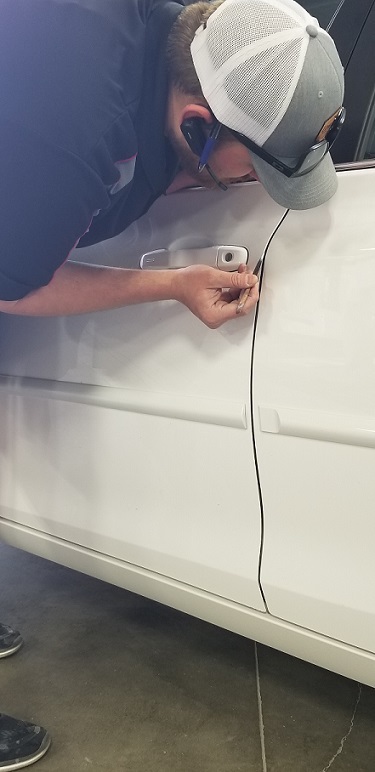
Consider professional help when a dent is deep or the paint is damaged. DIY methods might worsen complex issues. Experts ensure a flawless finish and prevent further harm.
Complex Dents
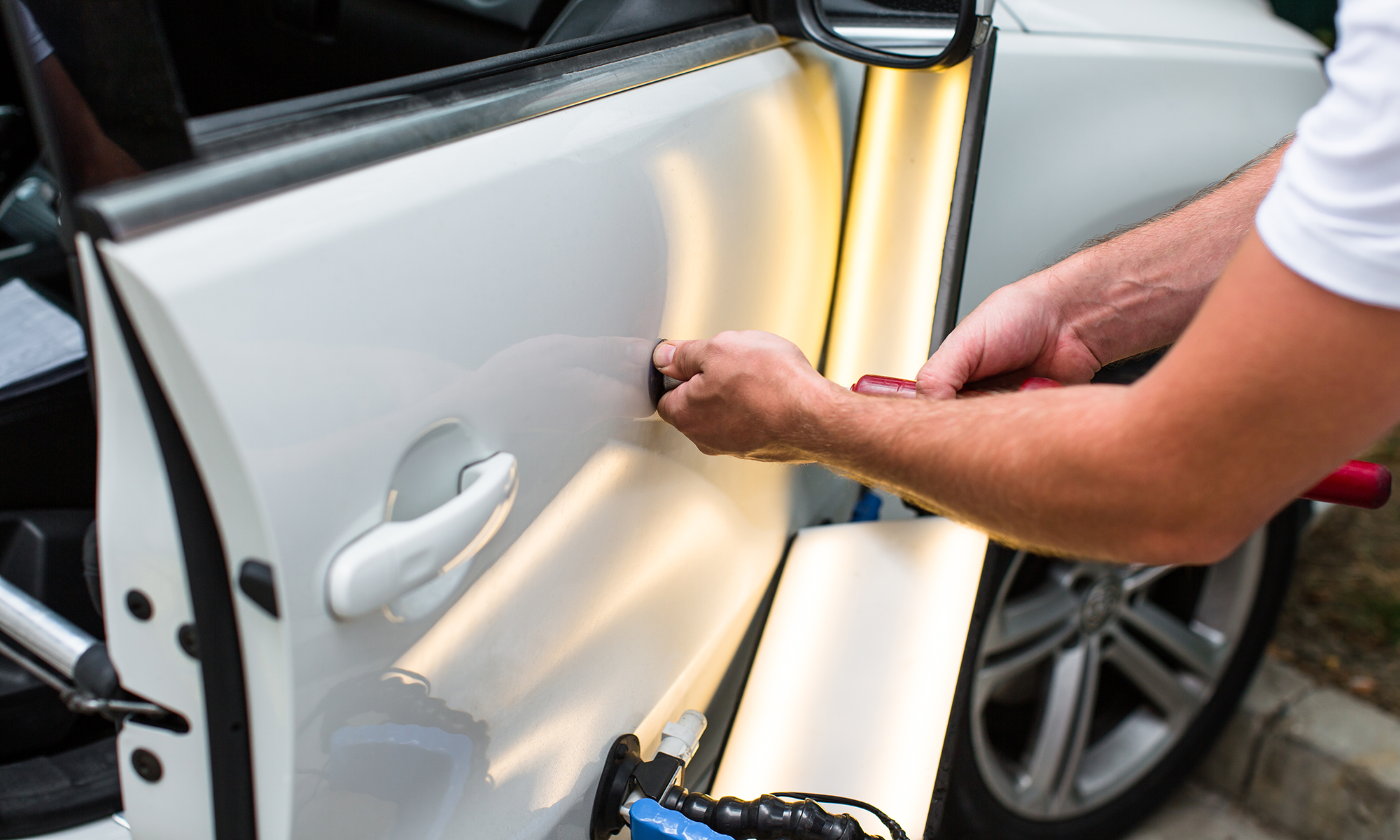
Some dents are too big. They are hard to fix alone. These are complex dents. They might need special tools. Or expert skills. A professional knows what to do. This keeps the car safe. And looking good. Trying to fix alone can make it worse. The dent could get bigger. Or paint might chip off. Professionals avoid such problems. They know the right steps. And have lots of experience.
Preventing Further Damage
Small mistakes can cause more damage. Like using wrong tools. Or pressing too hard. This can scratch the paint. Or bend the metal. A professional avoids these mistakes. They protect your car. And keep it looking new. It saves money in the long run. Fixing a bad repair can cost a lot. Letting experts handle it is wise.
Credit: www.endurancewarranty.com
Maintaining Your Car’s Appearance
Keep your car looking shiny. Regular checkups help spot dentsearly. A small dent can become a big problem. Visit a mechanic every few months. They can find hidden issues. Cleaning your car is important too. Dust and dirt can hide dents. Make it a habit to check your car often.
Protecting your car is easy. Park in safe spots. Choose places with no risk of bumps. Use a car cover to protect the surface. This guards against scratches and dents. Be careful when opening your car door. Avoid hitting other cars. These simple steps keep your car safe and beautiful.

Credit: www.youtube.com
Frequently Asked Questions
How Do I Fix A Dent In A Car Door?
To fix a dent in a car door, try a plunger or hair dryer. Use the plunger to pop the dent out. Alternatively, use heat from a hair dryer, then cool the area with compressed air. This helps the metal reshape.
Professional repair is recommended for deep dents.
Can Hot Water Remove Dents From Car Doors?
Yes, hot water can help remove small dents from car doors. Pour hot water over the dented area to soften the metal. Then, use a plunger to pull out the dent. This method works best on plastic bumpers or small dents.
For larger dents, professional repair might be necessary.
What’s The Cost To Repair A Car Door Dent?
The cost to repair a car door dent varies. Small dents can be fixed for $50 to $150. Larger or more complex dents may cost between $200 and $500. Prices can differ based on location and repair shop. It’s advisable to get multiple quotes for the best deal.
Can Diy Methods Damage Car Paint?
Yes, DIY methods can potentially damage car paint. Using excessive force or incorrect tools can scratch or chip the paint. When attempting DIY repairs, be cautious and gentle. It’s best to consult professionals for significant dents to avoid costly paint damage.
Conclusion
Fixing dents in your car door saves time and money. DIY methods like using hot water or a plunger are effective. These techniques require minimal tools. Always check for paint damage first. Use professional help if needed. Regular maintenance keeps your car in top shape.
Practice caution to avoid future dents. Simple steps make a big difference. A little effort goes a long way. Your car deserves care and attention. Keep it looking great with easy fixes. Enjoy your smooth, dent-free ride. Appreciate the results of your hard work.
Safe travels!