How to Remove a Dent in Car Door: Expert DIY Tips
Picture this: you’re walking back to your car after a long day at work or a fun outing, only to find an unsightly dent in your car door. It’s frustrating, isn’t it?
But before you let it ruin your day, imagine this—what if you could fix it yourself, quickly and easily? You might think removing a dent requires professional help or expensive equipment, but that’s not always true. In fact, with a few simple techniques, you can restore your car door to its former glory without the stress or the hefty repair bill.
Stick around, and you’ll discover the secrets to fixing that dent, saving you both time and money. Ready to take charge and get your car looking its best again? Let’s dive in!

Credit: www.youtube.com
Tools And Materials Needed
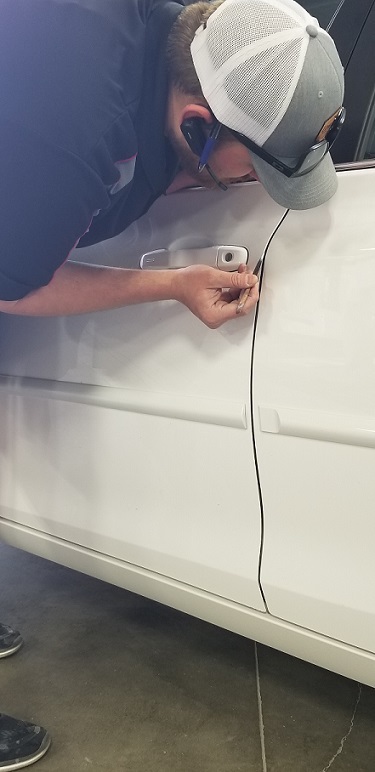
Fixing a car dent needs special tools. A dent pulleris important. It can pull out small dents. A rubber mallethelps shape the metal. Don’t forget the suction cup. It sticks to the door and pulls the dent. A heat gunmakes the metal soft. This helps in reshaping. You need sandpapertoo. It smooths out rough spots. Paintand primercover any scratches. Get a clean clothto wipe the area. Safety glovesprotect your hands. Always wear them. Make sure to have these materialsready. They make the job easier.
Credit: collisioncenterofandover.com
Assessing The Damage
First, check the shape of the dent. Some dents are round. Others are long and narrow. A round dent may be easier to fix. Look for any sharp edgeson the dent. Sharp edges mean the metal is stretched. Stretched metal can be harder to fix. Consider if the dent is near a door handle. Dents near handles might need special care.
Measure the size of the dent. Use a ruler to see how wide it is. Small dents might be easier to fix. Check the depth of the dent. Deep dents may need more work. Look at the dent from the side. This helps see how deep it is. Small and shallow dents are often less challenging.
Safety Precautions
Wearing protective gear keeps you safe. Gloves protect your hands from sharp edges. Safety glasses shield your eyes from flying debris. Ear protection guards against loud noises. Dust masks help you breathe clean air. Closed-toe shoes protect your feet from heavy objects.
Clear the area before starting. Remove obstacles to avoid accidents. Ensure good lighting to see clearly. Lay down a mat to protect the ground. Organize tools for easy access. Check the weather if working outside. Keep a first-aid kit nearby for emergencies.
Credit: www.endurancewarranty.com
DIY Dent Removal Methods
A plunger can help with small car dents. First, wet the dent and the plunger. Then, push and pull the plunger on the dent. The suction can pop out the dent. Make sure to use a clean plunger. It should be free from dirt or debris.
Boil water in a kettle or pot. Carefully pour the hot water on the dent. Push from behind the dent while the material is soft. Use gloves to protect your hands. Be careful with hot water.
Wear gloves to hold a piece of dry ice. Rub it on the dent for a few seconds. The dent may pop out due to the cold. Do not touch dry ice with bare hands. It can burn your skin.
Use a hair dryer on the dent for about a minute. The heat will expand the metal. Then, spray the dent with compressed air. The cold will make the dent pop out. Keep a safe distance from the car paint.
Professional Tools For DIY
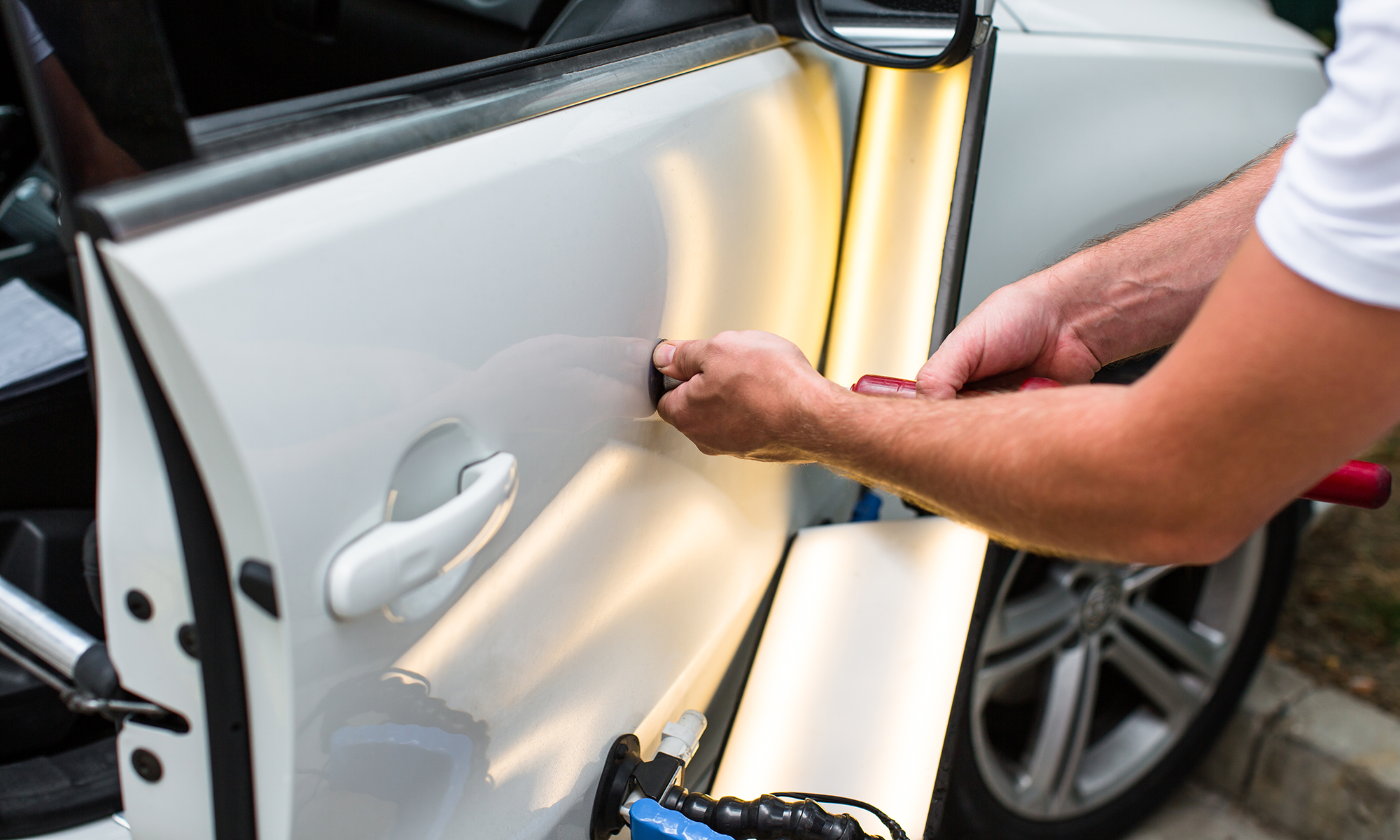
Dent repair kits help fix small dents at home. These kits include tools like glue guns and pulling tabs. The glue sticks to the dent. Then, the tab pulls the dent out. This is easy and safe for beginners. Always follow the kit’s instructions. This helps prevent damage to your car.
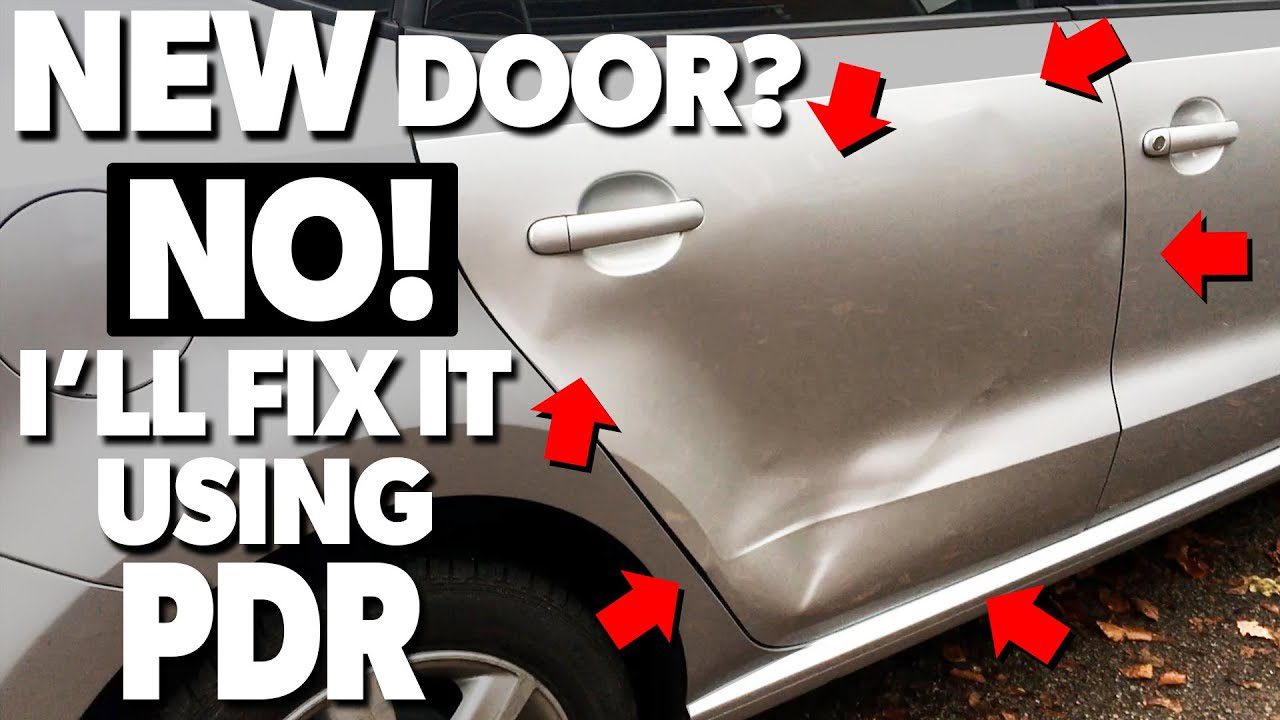
PDR stands for Paintless Dent Repair. PDR rods are special tools. They push dents from the inside. These rods are long and thin. They reach tricky spots in the car door. Using PDR tools needs some skill. Practice makes it easier. With time, you can get better at this.
Finishing Touches
Removing a dent from a car door can be simple with the right tools. Use a plunger or hairdryer to gently fix minor dents. These methods offer effective solutions for small damages without professional help.
Cleaning The Area
Make sure the area around the dent is cleanand dry. Use a soft cloth and gentle soap. This removes any dirt and dust. It also helps you see the dent better. Be careful not to scratch the paint. Use a microfiber cloth for best results. Rinse with clean water and dry with a towel.
Polishing And Waxing
Apply car polish to the repaired area. This makes the surface smooth and shiny. Use a small amount of polish. Rub it gently with a clean cloth. Make circular motions for best results. After polishing, apply wax to protect the paint. Wax helps keep the car looking new. Let it dry, then buff with another cloth. Your car door should now look great!
When To Seek Professional Help
Professional help is needed when a car door dent is deep or on a crease. DIY methods might worsen these issues. Skilled technicians use special tools for a smooth fix.
Complex Dents
Some dents are tricky. They may be deep or have sharp edges. These types can harm the car’s shape. Fixing them at home might not work. Experts use special tools to fix such dents. They know how to handle complex problems. This ensures the car looks good again.
Paint Damage Concerns
Paint is important for car looks. Dents can crack or chip the paint. This leads to rust. Fixing paint is not easy at home. Professionals have the right skills to match the paint color. They make sure the repair blends well. This keeps the car looking new. Choosing the right help saves time and keeps the car in top shape.
Preventing Future Dents
Avoid future dents by parking away from crowded areas. Covering your car can also protect it from minor impacts. Regularly check surroundings before opening doors to prevent accidental damage.
Parking Strategies
Choosing the right parking spot is important. Park away from crowded areas. Look for spots with less traffic. Avoid tight spaces between cars. Always park in a safe area. Watch for nearby obstacles like shopping carts. Be cautious when opening car doors. Check for nearby cars before parking. These steps help keep your car dent-free.
Protective Accessories
Car accessories can help a lot. Door guards protect from side impacts. Use bumper protectors to shield from rear bumps. Car covers keep your car safe from falling objects. Consider using wheel locks to prevent theft. Window visors keep rain out. These tools protect your car from dents. They are easy to use and install.
Frequently Asked Questions
How Do I Fix A Small Dent Myself?
You can fix small dents using a plunger or hairdryer. A plunger helps pull out the dent. Alternatively, heat the dent with a hairdryer and cool it using compressed air to make it pop out.
Can Boiling Water Remove Car Dents?
Boiling water can help remove dents in plastic car parts. Pour it over the dent to make the plastic pliable. Then, push the dent from the inside. This method is effective for minor dents in bumpers.
What Tools Are Needed For Dent Removal?
Common tools for dent removal include a plunger, hairdryer, and compressed air. Professional kits may have specialized tools like dent pullers and glue tabs. These tools help efficiently remove and repair car dents.
Is Dent Removal Expensive?
Dent removal costs vary depending on the dent’s size and location. DIY methods are cost-effective for small dents. Professional services can range from $50 to $150 for minor repairs. Larger dents may incur higher costs.
Conclusion
Removing a dent from a car door isn’t as hard as it seems. Simple tools and a bit of patience can often do the trick. Try using a plunger or hot water to pop out the dent. For stubborn dents, consider a hairdryer and compressed air.
These methods are cost-effective and easy to try at home. Always ensure safety first when using tools. If the dent persists, seeking professional help is wise. Keeping your car looking good enhances its value and appeal. Now, you can confidently tackle those unsightly dents yourself.