Best Non Toxic Air Fresheners for Car (2026): We Compared
Top pick: Vergali Activated Charcoal Odor Absorber is the broadest fit for most drivers because it removes odor molecules without adding fragrance, works passively, and can be recharged in sunlight. It is the safer starting point for smoke, pet, and musty cabin odors when you do not want a scent layer on top.
Quick comparison
| Product | Badge | Best for | Price | ||
|---|---|---|---|---|---|
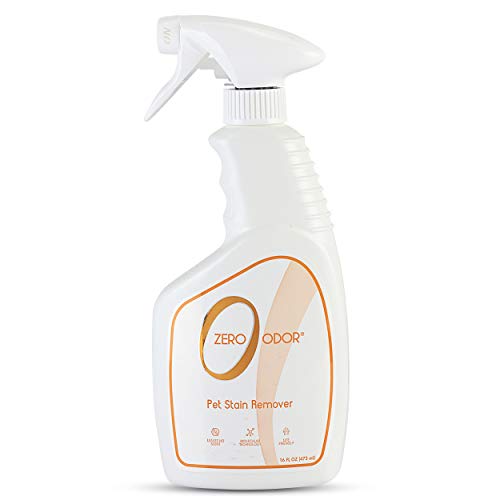 |
Zero Odor Pet Stain Remover & Odor Eliminator Spray forZero Odor | Our pick | $16.99
Price as of 25 Oct 2026
|
View | |
 |
Activated Charcoal Odor Absorber for Strong Odors in Car,Vergali | Pair with it | 3.5oz bamboo charcoal · Natural · Odor absorption | $21.99
Price as of 25 Oct 2026
|
View |
The trade-off is direct: charcoal absorbs odor molecules, while scented products add a light smell that can cover or soften what is already in the cabin. If you want the least scent and the best fit for scent sensitivity, charcoal wins. If you want a light fragrance with odor control, a plant-based scent option fits better.
Charcoal also fails differently. It helps with stale air, food smells, pet odors, and mild smoke residue, but heavy smoke, soaked upholstery, and humid cabins can outrun passive absorption.
How we chose
We compared the options by odor-control mode, ingredient position, placement, upkeep, and the kinds of cabin problems each one handles best. We also separated non-toxic from fragrance-free, because those are not the same thing.
The article treats EPA Safer Choice as a useful signal for ingredient screening. EPA Safer Choice matters for ingredient screening, but it does not mean every fragrance-free or plant-based option is automatically best for children, pets, or scent-sensitive passengers.
Placement mattered too. A charcoal bag under a seat does different work from one hung near the headrest or a vent-clip scent product sitting in the airflow stream.
Activated bamboo charcoal deodorizer: best for smoke and musty odor
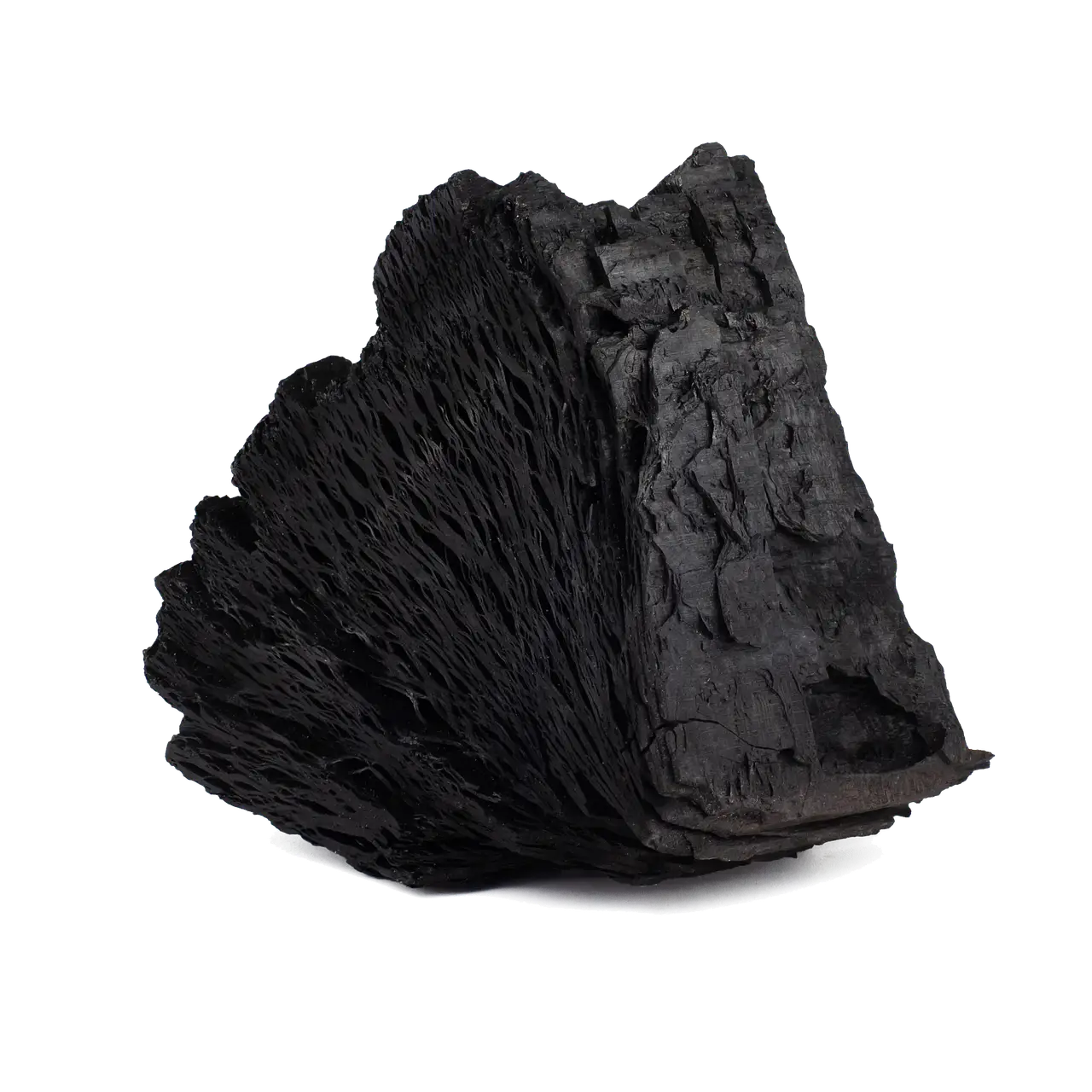
Vergali is the better fit when you want an unscented absorber instead of a masking scent. Based on the product details, it uses activated charcoal in a ready-to-use bag format, is listed as natural and non-toxic, and can be recharged in sunlight for up to two years of use.
That makes it a practical first choice for stale cabin air, gym bags left in the back seat, food smells, pet odor, and the damp, musty smell that shows up after rain. It does not add fragrance, so it is also the better match for drivers who react to scent rather than odor alone.
The drawback is speed. Passive charcoal works gradually, not instantly, and it is less convincing against heavy smoke contamination or a cabin that stays humid for long periods. It also needs the right placement to get enough air movement around it.
Why charcoal absorbs odor instead of masking it
Charcoal bags work by adsorption, which means odor molecules cling to the carbon surface instead of being covered by a perfume. That is why charcoal products are often the better answer for sour upholstery, pet air, or stale interior smells that keep returning after a spray fades.
They are also fragrance free, which matters more than many shoppers realize. A product can be “safer” in marketing terms and still add a smell that bothers scent-sensitive passengers.
Where to place it: under-seat, headrest, or cargo area
Under-seat placement is the best default in a car because it keeps the bag out of the way while still exposing it to cabin airflow. That works well for most sedans and crossovers, especially when the odor source is in the seating area rather than the trunk.
Headrest placement can help if the product is designed to hang there, because air moves around the seatbacks when the HVAC is on. Cargo-area placement is better for hatchbacks or SUVs with smell coming from the rear, but it is weaker if the cabin is isolated from the source.
Cost and upkeep
Because this type is rechargeable rather than disposable, the monthly cost is low once you spread the purchase over its usable life. If a bag lasts up to two years, the replacement cadence is measured in months, not weeks. The tradeoff is that you need to remember to put it in sunlight so it can recover some of its odor-absorbing capacity.
Picture a sedan that smells faintly of wet dog after weekend errands. One charcoal bag under the front passenger seat can help if the smell is mild and the cabin is aired out regularly. If the dog rides with wet fur every day, absorption alone will feel slower and less complete.
PURGGO Bamboo Charcoal Air Purifier: best for fragrance-free cabins

PURGGO is the more specialized choice when fragrance-free matters above all else. It is rated for a 365+ day lifespan and uses 100% bamboo charcoal, which puts it squarely in the passive absorber camp rather than the scent-forward camp.
Its hanging format over a headrest makes it easy to place in the upper part of the cabin, where moving air can reach it. That is helpful if you want the bag visible, elevated, and out of the footwell.
The drawback is the same one all passive charcoal products share: it is not a fast fix for strong smoke or a very humid interior. It can reduce background odor, but it will not erase a saturated cabin on its own.
365+ day lifespan and 100% bamboo charcoal
The long service life is the main reason to choose PURGGO over a shorter-lived freshener. The 100% bamboo charcoal construction also keeps the product in the fragrance-free category, which matters if you are separating odor control from scent.
That difference matters for families with scent-sensitive riders. A fragrance-free absorber removes the pressure to choose between a smell you dislike and an odor you want gone.
Headrest placement and airflow considerations
Hanging over a headrest works because the product sits higher in the cabin, close to the moving air stream created by the vents and passenger movement. It is not magic. If the car is closed for long periods and airflow is weak, performance drops.
That is why placement beats branding in this category. A charcoal bag tucked too tightly into a door pocket or buried under cargo will not exchange air as well as one that hangs in open space.
Best and worst use case
Best use case: drivers who want a fragrance-free cabin, a neat hanging format, and long service life with minimal upkeep. Worst use case: cabins with heavy smoke buildup, persistent dampness, or a need for immediate scent change.
Which one should you buy?
Choose charcoal if you want no fragrance, passive operation, and better odds with smoke, pet, or musty odors. That is the best fit for scent-sensitive drivers and for anyone who does not want to turn a cabin smell into a stronger perfume problem.
Choose a scented option such as Enviroscent Auto Stix or Drift Stone only if you want odor control plus a light scent layer. Enviroscent Auto Stix are advertised for up to 180 days and use paper sticks infused with essential oils, while Drift Stone uses natural-stone diffusion with plant-based oils and clip mounting. Those choices suit drivers who want a noticeable but softer scent profile.
Choose an essential oil diffuser only if you want adjustable intensity and are willing to manage refill or power upkeep. Waterless or liquid-free versions can be cleaner to use, and power sources may be USB or vent clip based. That category is for scent control, not for fragrance-free cabins.
A common first-timer mistake is buying a scented freshener for a true odor problem. If the cabin smells like smoke or mildew, scent alone can make the smell more complicated, not better.
Car odor matrix
| Cabin problem | Best product type | Placement | Maintenance cadence | Monthly cost estimate | Expected tradeoff |
|---|---|---|---|---|---|
| Smoke residue | Fragrance-free charcoal absorber | Under-seat or hanging near headrest | Recharge in sunlight regularly; replace on the lifespan schedule | Low spread over up to 2 years | Helps with background smoke, but heavy smoke can overwhelm passive absorption |
| Food smell | Fragrance-free charcoal absorber | Under-seat in the odor source zone | Sun recharge; check after repeated spills or takeout runs | Low spread over up to 2 years | Works best on lingering odor, not fresh spills that need cleaning first |
| Pet odor | Fragrance-free charcoal absorber | Rear seat area or cargo area, with airflow around the bag | Recharge after damp trips; dry the cabin first | Low spread over up to 2 years | Can reduce dog smell, but wet fur and high humidity slow results |
| Musty mildew | Fragrance-free charcoal absorber | Under-seat or cargo area near the source | Recharge in sunlight; repeat after cleaning the moisture source | Low spread over up to 2 years | Helps with stale odor, but it cannot fix an active leak or soaked carpet |
| Fragrance sensitivity | Fragrance-free charcoal absorber | Under-seat or headrest-hung | Recharge as directed; avoid scent products | Low spread over up to 2 years | Best for no added scent, but the cabin may need more frequent cleaning |
How the monthly cost compares
Monthly cost matters because a product that lasts longer can be cheaper even if the sticker price is higher. PURGGO’s 365+ day lifespan and Vergali’s up-to-two-year reuse both spread the cost over a long period, which is why charcoal often beats short-life fresheners on cost per month.
Enviroscent Auto Stix lasts up to 180 days, so it usually costs more per month than a long-life charcoal bag, even though the up-front purchase may feel smaller. That is the tradeoff for getting a light scent plus odor control.
Failure cases to keep in mind
High humidity can blunt charcoal performance because the cabin air is already carrying moisture. Heavy smoke is harder still, especially if the upholstery, headliner, or HVAC vents have absorbed the odor. In those cases, cleaning and drying the source matter more than any freshener.
Suppose a rideshare car spends all day in stop-and-go traffic with food takeout and occasional vape smoke. A charcoal bag can lower the background odor, but the better result comes from pairing it with regular vacuuming and cabin ventilation. The product is support, not a substitute for cleaning.
Choose Vergali if… / Choose PURGGO if…
Choose Vergali if you want a ready-to-use charcoal bag that can be recharged in sunlight, you want a lower-cost path to fragrance-free odor control, or you need a flexible bag you can move between car and home spaces.
Choose PURGGO if you want a longer listed lifespan, a 100% bamboo charcoal build, and a hanging format that keeps the absorber up in the airflow zone. It is the cleaner fit for drivers who care most about a fragrance-free cabin over everything else.
Choose neither as a sole fix if the cabin has soaked carpet, an active leak, or very heavy smoke damage. That calls for cleaning first, then odor control.
Frequently asked questions
What is the best non toxic air freshener for car?
The best choice depends on the odor problem. For the broadest use, a fragrance-free charcoal absorber is the safest bet because it removes odor molecules without adding scent. If you want light fragrance as well, a plant-based scent product can fit better, but it is not the same as fragrance-free odor control.
Are non-toxic car air fresheners really safe for pets?
“Non-toxic” is not a blanket safety guarantee. It means the ingredients are positioned as safer than harsher alternatives, not that every pet will tolerate every scent or essential oil. Fragrance-free charcoal options are usually the least likely to bother scent-sensitive animals, but no car freshener should be treated as universally safe.
Do charcoal car deodorizers eliminate odors or just mask them?
Charcoal deodorizers are designed to absorb odor molecules rather than mask them. That makes them different from scented fresheners, which add fragrance to cover the smell. They work best on lingering odor, not on an untreated spill or a cabin with strong smoke residue.
How long do non-toxic car air fresheners last?
It varies by type. PURGGO is rated for a 365+ day lifespan, Enviroscent Auto Stix are advertised for up to 180 days, and MOSO NATURAL is listed as rechargeable for 2 years. The real question is whether you want replacement, recharge, or refill upkeep.
Which non-toxic car air freshener is best for sensitive noses?
A fragrance-free charcoal absorber is the best match for sensitive noses because it does not add perfume to the cabin. That matters more than a “safer” scent claim. If a driver reacts to fragrance, a scent-light product is still a scent product.
What is the difference between charcoal and essential oil car fresheners?
Charcoal fresheners absorb odors. Essential oil fresheners diffuse scent and may help cover or soften smells, but they do not work the same way. If you want a mostly scent-free cabin, charcoal is the better tool; if you want adjustable fragrance strength, a diffuser or vent-clip scent product fits better.
Can a non-toxic car freshener remove smoke smell from a car?
It can help, but the result depends on how strong the smoke load is. Charcoal is the better option for lingering smoke because it absorbs odor molecules, yet heavy smoke soaked into fabric or vents will usually need cleaning and ventilation first. Passive fresheners are not instant fixes.
Where should I place a charcoal air freshener in my car for best results?
Put it where cabin air can move around it. Under-seat placement works well for most cars, hanging near the headrest helps if the product is built for that position, and cargo-area placement helps when the odor source is in the rear. Do not bury the bag in a closed pocket.
Products related to this article
Sponsored / affiliate links. As an Amazon Associate I earn from qualifying purchases. I may earn additional commission from eligible campaigns.