How to Remove Dried Super Glue from Car Paint
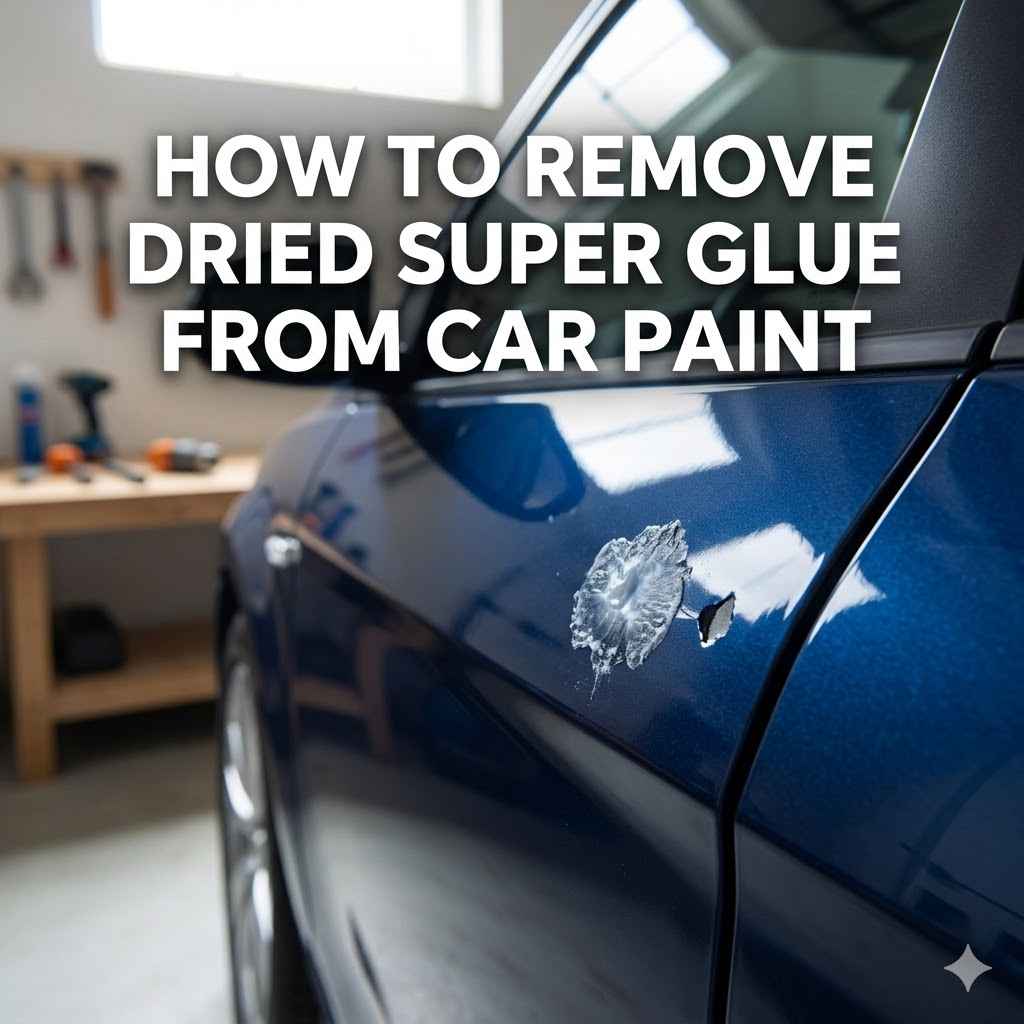
Dealing with dried super glue on your car’s paint can be a sticky situation, literally. Many car owners find themselves unsure of the best way to tackle this common problem, especially beginners who worry about damaging their vehicle’s finish. The good news is that with the right approach, you can safely remove super glue without causing harm. This guide will walk you through simple, step-by-step methods to get your car looking its best again.
This section will explore the most effective and safe methods for removing dried super glue from your car’s paint. We’ll cover a range of techniques, from gentle approaches for minor spots to more robust solutions for stubborn residues. The goal is to provide you with clear, actionable steps that anyone can follow. We will also discuss the types of products to use and, just as importantly, those to avoid. Safety and effectiveness are our top priorities, ensuring your car’s paint remains unharmed throughout the process.
Understanding Super Glue and Car Paint
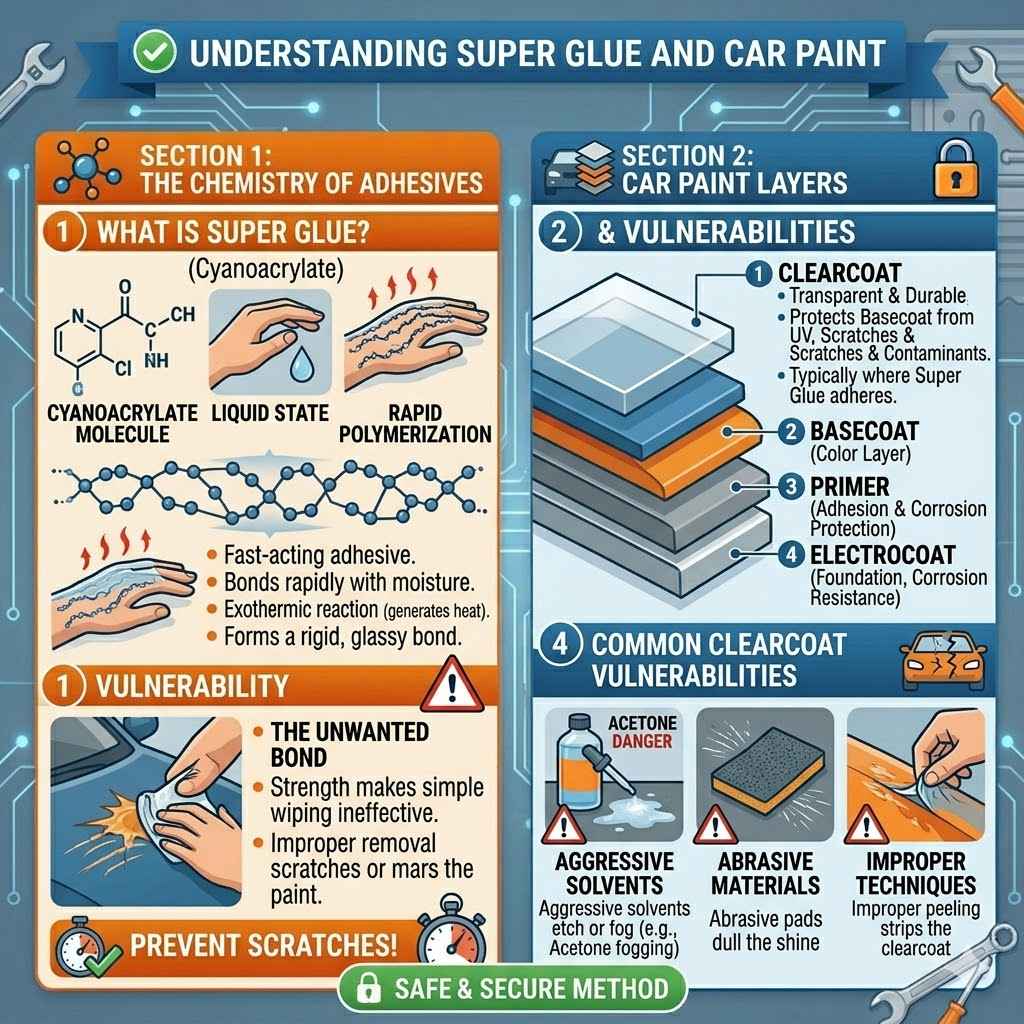
Super glue, chemically known as cyanoacrylate, is a powerful adhesive that bonds rapidly upon contact with moisture. This rapid bonding is what makes it so useful but also so challenging to remove from surfaces like car paint. Car paint is a complex multi-layer system, typically consisting of electrocoat, primer, basecoat, and clearcoat. Each layer serves a purpose, from corrosion resistance to providing shine and protection.
The clearcoat is the outermost layer and is most vulnerable to damage from harsh chemicals or abrasive cleaning methods. Accidental spills of super glue can bond to this clearcoat, creating a raised, hardened spot that is unsightly and, if handled incorrectly, can lead to permanent damage. Understanding the nature of both the adhesive and the paint surface is key to choosing the right removal strategy.
For instance, using aggressive solvents might dissolve the glue but could also damage the paint’s integrity, leading to dullness, haziness, or even stripping of the clearcoat. Therefore, a nuanced approach is essential.
The Chemistry of Cyanoacrylate Adhesives
Cyanoacrylates are a class of fast-acting adhesives known for their strength and quick curing times. They work through an anionic polymerization process. When exposed to moisture—even the tiny amount present in the air or on surfaces—the liquid cyanoacrylate begins to polymerize, forming long chains that create a strong bond.
This reaction is exothermic, meaning it generates a small amount of heat. This rapid hardening is why super glue can quickly become a significant issue on car paint. The polymerization creates a rigid, glassy substance that adheres tenaciously to the paint surface. The strength of this bond means that simple wiping or scraping is unlikely to remove it and could instead scratch or mar the paint.
Understanding this chemical reaction helps us appreciate why specific solvents or techniques are needed; they work by disrupting or reversing this polymerization process or by softening the hardened adhesive.
Car Paint Layers and Vulnerabilities
Modern car paint is not a single coating but a system of layers designed for protection and aesthetics. The first layer, the electrocoat (E-coat), provides foundational corrosion resistance. Above this is the primer, which helps the paint adhere better and can also offer some corrosion protection. The basecoat is where the color of the car resides.
The final and most visible layer is the clearcoat, a transparent, durable finish that protects the basecoat from UV radiation, scratches, and environmental contaminants. It’s this clearcoat that super glue typically adheres to. While the clearcoat is tough, it can be etched, dulled, or scratched by aggressive solvents, abrasive materials, or improper removal techniques.
For example, acetone, a common solvent, can aggressively attack some clearcoat formulations, causing them to fog or peel. Similarly, using coarse abrasive pads can create micro-scratches that dull the paint’s shine. Knowing the vulnerabilities of these layers guides our choice of removal agents and methods.
Gentle Methods for Fresh Super Glue Spills
When super glue is still wet or freshly applied, acting quickly can prevent a major headache. This section focuses on the immediate actions you can take to minimize the impact of a super glue spill on your car’s paint. The key here is speed and using the least aggressive method possible. Early intervention is always easier than dealing with a fully cured, dried blob of glue. We will outline simple steps that can often resolve the issue before the glue has a chance to fully set.
Acting Fast Minimizes Damage
The absolute best way to deal with super glue on car paint is to tackle it the moment you notice it. Fresh, wet super glue is much easier to remove than dried, hardened super glue. If you spill super glue and it’s still wet on your car’s paint, do not wipe it, as this can spread the glue and push it deeper into the paint’s surface. Instead, try to gently blot the excess glue with a clean, soft cloth or paper towel. The goal is to absorb as much of the liquid adhesive as possible without spreading it.
Using Water and Soap
For a fresh, wet spill, a mild solution of car wash soap and water can sometimes be enough. Use a soft microfiber cloth dipped in the soapy water and gently dab the affected area. This can help to loosen the glue’s grip without abrading the paint. After dabbing, rinse the area thoroughly with clean water and dry it with another clean microfiber towel. This method is best for very small, fresh spills and relies on the fact that the glue hasn’t fully cured.
The Step-by-Step Guide How to Remove Dried Super Glue from Car Paint
This is the core of our guide. Here, we will break down the process of removing dried super glue from car paint into easy-to-follow steps. We’ll detail the tools and materials you’ll need and provide clear instructions for each stage of the removal process, ensuring you can tackle the problem with confidence.
Gather Your Supplies
Before you begin, it’s important to have all your supplies ready. This will make the process smoother and prevent you from having to stop and search for items. You will need:
- Microfiber cloths: Several clean, soft microfiber cloths are essential. They are gentle on paint and great for applying and removing substances.
- Rubbing alcohol (Isopropyl Alcohol 70% or higher): This is a common household item that can often dissolve super glue without harming most car paints.
- Acetone-free nail polish remover: If rubbing alcohol doesn’t work, this is the next step. Ensure it is specifically acetone-free, as acetone can damage car paint.
- Plastic razor blade or plastic scraper: A non-metal tool is crucial to avoid scratching the paint.
- Car wash soap and water: For cleaning the area afterward.
- Car wax or sealant: For restoring protection to the paint.
Step 1 Test in an Inconspicuous Area
Before applying any cleaner to the visible super glue spot, always test it on a small, hidden area of your car’s paint, like the inside of the door jamb or under the hood. Apply a small amount of your chosen cleaner (rubbing alcohol or acetone-free nail polish remover) to a microfiber cloth and gently rub the test spot.
Let it sit for a minute, then wipe it clean. Check for any dulling, discoloration, or damage to the paint. If the test area is fine, you can proceed with confidence. This step is critical to ensure the product you use is compatible with your car’s specific paint finish.
Step 2 Apply the Cleaner to the Glue
Once you’ve confirmed the cleaner is safe for your paint, dampen a clean microfiber cloth with rubbing alcohol. Gently dab and hold the cloth over the dried super glue spot for a minute or two. The goal is to soften the glue. You don’t want to saturate the surrounding paint, just focus the cleaner on the glue itself.
If the glue starts to soften or lift, proceed to the next step. If rubbing alcohol doesn’t seem to be having any effect after a few minutes of holding the cloth there, you can try the acetone-free nail polish remover using the same dabbing method.
Step 3 Gently Scrape the Glue
After allowing the cleaner to work on the glue, use a plastic razor blade or a plastic scraper. Hold the blade at a very low angle (almost flat) against the paint surface. Gently try to lift the edge of the softened super glue. Work slowly and carefully. If the glue starts to lift, continue to gently scrape it away. If it’s still too hard, apply more cleaner and let it sit longer.
Never use metal blades, knives, or anything sharp that can easily cut into or scratch your car’s paint. Patience is key here; forcing the glue can lead to scratches.
Step 4 Repeat If Necessary
It’s common for dried super glue to be stubborn. You may need to repeat steps 2 and 3 multiple times. Continue to apply the cleaner, let it soak, and gently scrape. Each application should loosen the glue a bit more. Watch how the paint is reacting. If you notice any signs of distress, such as haziness or dullness, stop immediately and rinse the area with water. It might be necessary to switch to an even milder approach or seek professional advice if the glue remains unyielding.
Step 5 Clean the Area
Once all the super glue residue has been removed, clean the area thoroughly with car wash soap and water. This will remove any remaining cleaner and glue particles. Rinse the area completely and dry it with a clean microfiber cloth. Ensuring the area is completely clean is important before moving to the final step of protection.
Step 6 Protect the Paint
After cleaning, the area where the glue was may have lost some of its protective clearcoat or wax. Apply a small amount of car wax or sealant to the cleaned area to restore its shine and protection. Buff it gently with a clean microfiber cloth. This step is crucial for maintaining the health and appearance of your car’s paint.
Alternative Removal Methods and Products
Sometimes, the standard methods might not be enough, or you might prefer to explore other options. This section looks at alternatives, including specialized products designed for adhesive removal, and discusses their pros and cons. It’s important to always prioritize methods that are least likely to harm your car’s paint.
Using Specialized Adhesive Removers
There are many commercial products specifically designed to remove adhesives, including super glue. These often contain citrus-based solvents or other formulations that are effective at breaking down cyanoacrylates. When using these products, always read and follow the manufacturer’s instructions carefully. Test them in an inconspicuous area first, just as you would with rubbing alcohol or nail polish remover. Some popular options include Goo Gone, Tarminator, or 3M Adhesive Remover.
Goo Gone Automotive
Goo Gone is a popular citrus-based cleaner that works by breaking down sticky residues like glue, tape, and tar. The Automotive version is formulated to be safer for car paint than the original formula.
- How it works: The citrus oils in Goo Gone help to break the bond between the adhesive and the surface. It also softens the dried glue, making it easier to remove.
- Application: Apply a small amount to a microfiber cloth and dab onto the super glue. Let it sit for a few minutes, then gently wipe or scrape away the softened glue with a plastic scraper.
- Caution: While generally safe, always test in an inconspicuous area first. Clean the area thoroughly with car soap and water afterward to remove any residue from the Goo Gone itself.
The Role of Rubbing Alcohol (Isopropyl Alcohol)
Rubbing alcohol, specifically isopropyl alcohol, is often the first go-to for many DIYers because it’s readily available and generally safe for car paint when used correctly. Its effectiveness comes from its ability to dissolve the polymerized cyanoacrylate.
- Concentration Matters: Aim for 70% or higher concentration for the best results. Lower concentrations contain more water, which can dilute its dissolving power.
- Mechanism: Isopropyl alcohol acts as a solvent, disrupting the chemical bonds that hold the dried super glue together. It essentially softens the hardened plastic-like substance, allowing it to be scraped away.
- Application: Apply to a cloth and hold against the glue for a few minutes. Avoid pouring it directly onto the paint, as this can lead to oversaturation and potential damage to the clearcoat if left too long.
- Aftercare: Always clean the area with car wash soap and water to remove any residual alcohol and then reapply wax or sealant.
Acetone-Free Nail Polish Remover
If rubbing alcohol proves ineffective, acetone-free nail polish remover is a viable next step. Traditional nail polish remover containing acetone is highly aggressive and can easily damage car paint. However, acetone-free versions often use ethyl acetate or other solvents that are less harsh but still capable of dissolving cyanoacrylate.
- Why Acetone-Free is Key: Acetone is a very strong solvent that can melt or cloud many types of automotive clearcoats. Using an acetone-free product significantly reduces the risk of paint damage.
- Effectiveness: While not as potent as acetone, these removers can still break down super glue with a bit more dwell time and gentle persuasion.
- Testing is Crucial: Because formulations vary, testing in a hidden spot is non-negotiable. Apply with a cloth, let it sit briefly, and then attempt to gently scrape.
- Limitations: It may take multiple applications for very thick or old super glue spots. Always finish by washing and waxing the area.
Natural and Household Alternatives (Use with Caution)
Some people explore household items like cooking oil or mayonnaise as potential glue removers. These work by their oil content, which can sometimes soften adhesives. However, their effectiveness on hardened super glue is questionable, and they can leave greasy residues that require thorough cleaning.
- Oil-Based Methods: Things like vegetable oil, olive oil, or even peanut butter can sometimes soften adhesives. Apply a generous amount, let it sit for a good while (hours, potentially), and then try to gently scrape.
- Challenges: These methods are slow and not very effective for hardened cyanoacrylate. They can also be messy and require significant washing afterward to remove the oil.
- When to Consider: These are best considered as a last resort if you have absolutely no other options available and are willing to invest a lot of time and effort. They are generally not recommended for quick or reliable super glue removal from car paint.
Preventing Future Super Glue Mishaps
Accidents happen, but knowing how to avoid them can save you a lot of trouble. This section offers tips on preventing future super glue spills on your car’s paint. Simple precautions can go a long way in keeping your vehicle looking pristine.
Safe Storage and Use
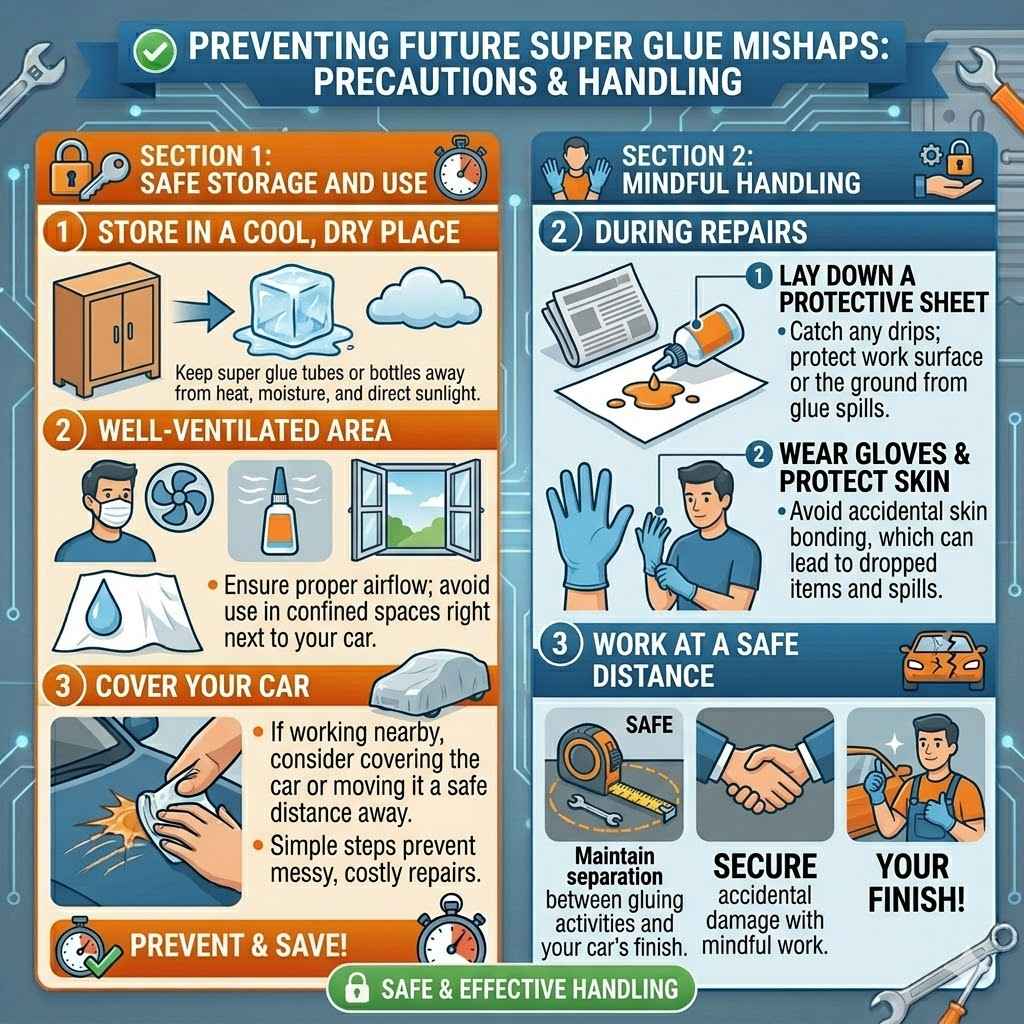
Always store super glue tubes or bottles in a cool, dry place, away from direct sunlight. When you are using super glue, ensure you are in a well-ventilated area, preferably not right next to your car. If you are working on something that involves super glue and your car is nearby, consider covering the car with a drop cloth or moving it a safe distance away.
Mindful Handling During Repairs
If you are performing repairs or DIY projects that involve super glue, be extra careful. Lay down a protective sheet or newspaper on the ground or work surface to catch any drips. Wear gloves to prevent accidental bonding to your skin, which can also lead to dropping the item and potentially causing a spill on your car.
Frequently Asked Questions
Question: Can I use a regular razor blade to remove super glue from car paint?
Answer: No, it is strongly advised against using a regular metal razor blade. Metal blades can easily scratch, gouge, or chip your car’s clearcoat and paint, causing permanent damage. Always opt for a plastic razor blade or a plastic scraper designed for automotive use.
Question: How long does it take for super glue to dry on car paint?
Answer: Super glue, or cyanoacrylate, cures very rapidly, often within seconds to a minute of application when exposed to moisture. However, it can take up to 24 hours to reach its full bonding strength. The removal process is usually easier if you catch it before it’s fully cured.
Question: What is the difference between acetone and acetone-free nail polish remover for car paint?
Answer: Acetone is a very strong solvent that can quickly dissolve plastics and automotive clearcoats, leading to paint damage like hazing, clouding, or peeling. Acetone-free nail polish removers use different, less aggressive solvents that are still effective on super glue but much safer for car paint when used cautiously.
Question: Can car wax or sealant be applied immediately after removing super glue?
Answer: Yes, after you have thoroughly cleaned the area with car wash soap and water to remove any residue from the glue or cleaning agents, applying car wax or sealant is highly recommended. This restores the protective layer to the paint in that area.
Question: If I damage my car paint while removing super glue, what should I do?
Answer: If you notice any paint damage, such as scratches or dullness, stop the removal process immediately. For minor issues, you might be able to use a polishing compound to buff out light scratches, followed by waxing. For more significant damage, it’s best to consult a professional auto detailer or body shop.
Wrap Up
Successfully removing dried super glue from car paint is achievable with careful steps. Always start with the gentlest methods like rubbing alcohol, testing in an inconspicuous spot first. Use only plastic scrapers and be patient. After removing all residue, clean and protect the area with car wax. With the right approach, your car’s paint will be back to its smooth, shiny self.