Home Remedy to Remove Paint From Your Car Safely
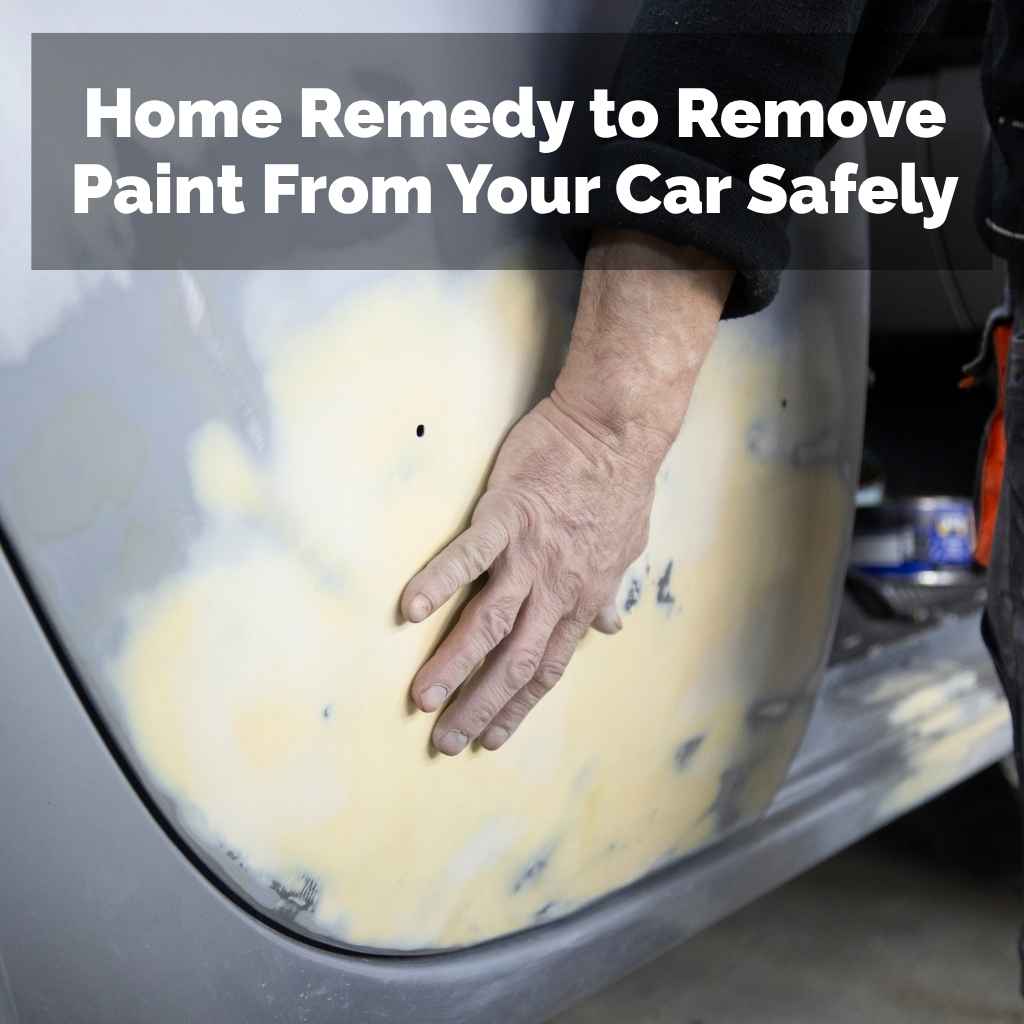
Sometimes, paint gets on your car where it shouldn’t be. Maybe a neighbor was painting their fence, or a kid got a little too enthusiastic with spray paint. Whatever happened, you want it gone without hurting your car’s finish. It might seem tricky to tackle this yourself, but it’s easier than you think. You don’t need fancy or expensive stuff. This guide will walk you through a simple, step-by-step process for a Home Remedy to Remove Paint from Your Car Safely. We’ll show you what works and what to watch out for.
Safe Home Paint Removal Techniques
Removing unwanted paint from your car’s surface requires careful consideration to avoid damaging the clear coat or the paint underneath. Many common household items can be surprisingly effective when used correctly. The key is to start with the gentlest methods and only escalate if necessary. This approach ensures that you preserve your car’s original finish while successfully eliminating the foreign paint marks.
This section will explore several safe and accessible methods that anyone can try at home. We will cover everything from common kitchen staples to specialized but readily available products, all with a focus on protecting your vehicle’s appearance.
Gentle Cleaning Solutions
Many everyday cleaning agents can help lift and remove paint without harsh abrasion. These solutions work by breaking down the paint’s structure, making it easier to wipe away. It is important to understand how these common substances interact with car paint and why they are effective.
Using Dish Soap and Water
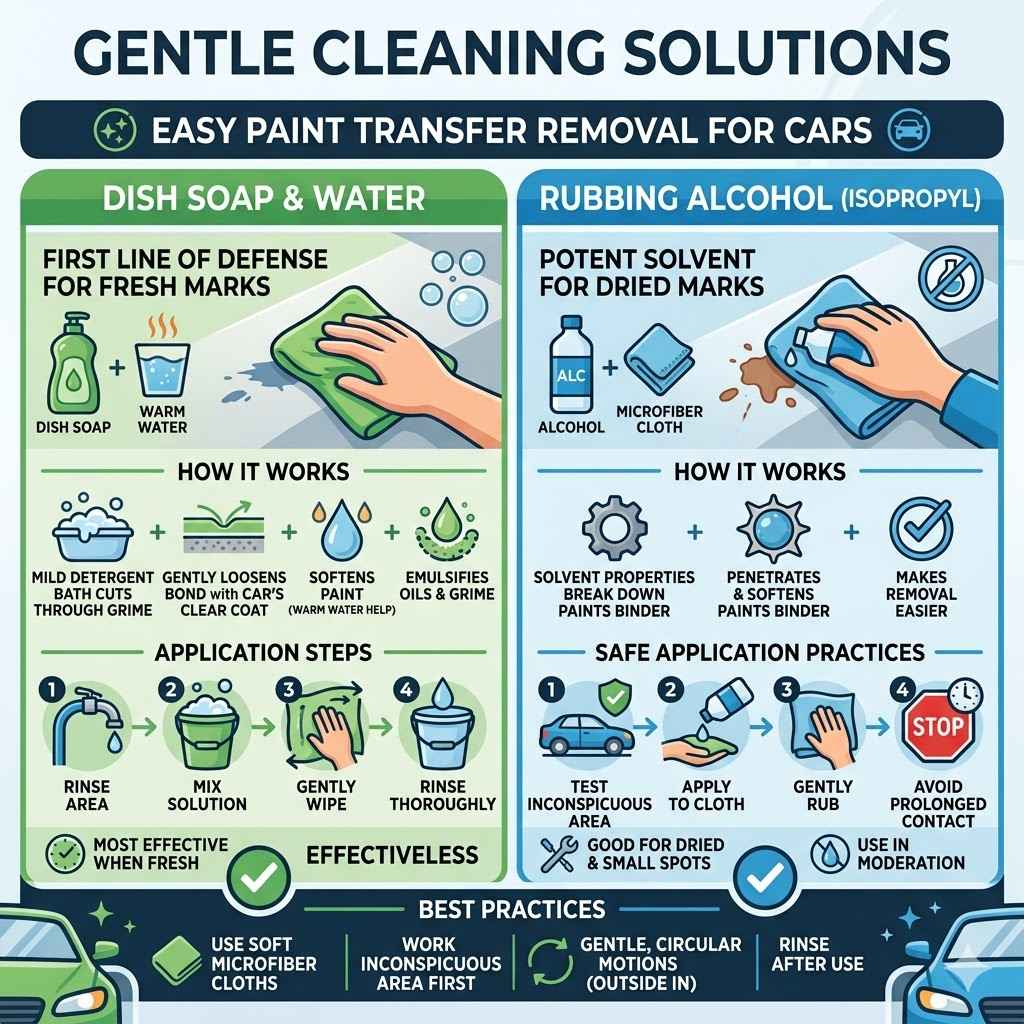
A mixture of mild dish soap and warm water is often the first and best line of defense against fresh paint transfer. This solution is excellent for very light or fresh paint marks. It works by the emulsifying properties of dish soap, which help to lift oils and grime, including some types of paint.
How it Works
Dish soap is designed to cut through grease and food particles. When applied to a car’s surface, it can gently loosen the bond between the foreign paint and your car’s clear coat. The warm water helps to soften the paint and the soap’s action. You are essentially creating a mild detergent bath for the affected area.
Application Steps
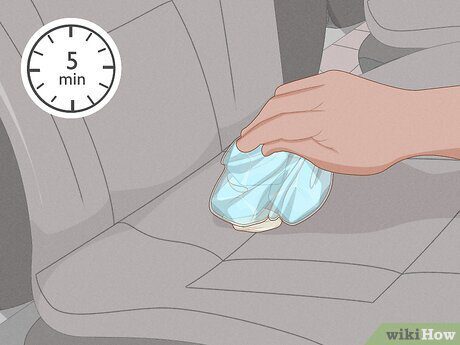
First, rinse the area with water to remove loose dirt and debris. Then, mix a few drops of mild dish soap into a bucket of warm water. Using a soft microfiber cloth, gently dab and wipe the painted area. Work from the outside of the mark inward to prevent spreading. Rinse the area thoroughly with clean water afterward.
Effectiveness for Fresh Marks
This method is most effective when the foreign paint is still wet or has only recently dried. The longer paint sits on your car, the harder it becomes to remove. For older or tougher marks, this method might only loosen the paint, requiring further steps.
The Power of Rubbing Alcohol
Isopropyl alcohol, commonly found in drugstores, is a solvent that can dissolve many types of paint. It’s more potent than dish soap but still relatively safe for car finishes if used correctly and in moderation. It’s important to know its properties and how it interacts with automotive paint.
Understanding Isopropyl Alcohol
Isopropyl alcohol is a clear, colorless liquid with a distinctive odor. It acts as a solvent, meaning it can break down and dissolve other substances. Its effectiveness against paint comes from its ability to penetrate and soften the paint’s binder, making it easier to remove.
Safe Application Practices
Always test rubbing alcohol on an inconspicuous area of your car first. Apply a small amount to a clean microfiber cloth, not directly to the car. Gently rub the affected spot. Avoid prolonged contact, as it can potentially dull or damage the clear coat if left on for too long.
When to Use It
Rubbing alcohol is a good option for dried paint transfer that dish soap couldn’t remove. It is particularly useful for small, isolated spots. It’s often effective on common spray paint or latex paint.
Specialized Household Items
Beyond basic cleaners, a few other common household items can be surprisingly helpful for removing paint without damaging your car’s surface. These methods often involve a bit more caution and understanding of their properties.
Baking Soda Paste
Baking soda is a mild abrasive that can gently scrub away paint without scratching. When mixed with water, it forms a paste that can lift and scour the unwanted paint. This method relies on its gentle abrasive nature.
Creating the Paste
Mix baking soda with a small amount of water in a bowl until it forms a thick, toothpaste-like consistency. The goal is to create a slurry that is gritty enough to scrub but not so dry that it scratches.
Gentle Scrubbing Technique
Apply the paste to the painted area using a soft cloth or sponge. Gently rub in a circular motion. The mild abrasive particles will help to lift the paint. Do not use excessive pressure, as even mild abrasives can cause micro-scratches if forced.
Rinsing and Inspection
After scrubbing, rinse the area thoroughly with clean water. Inspect the paint for any signs of damage or dulling. If the paint is gone and the car’s finish looks good, you’re done. If not, you might need to repeat or try a different method.
WD-40 for Stubborn Marks
WD-40 is a versatile product that can act as a lubricant and solvent. It is often effective at breaking down and loosening stubborn paint marks. Its lubricating properties also help to prevent scratching during the removal process.
How WD-40 Works on Paint
WD-40 contains petroleum distillates that can dissolve many types of paint, especially oil-based ones. It also displaces water, which can sometimes help lift dried paint. The spray itself provides a bit of lubrication, reducing the risk of scratching.
Proper Application Guidelines
Spray a small amount of WD-40 onto a clean microfiber cloth. Do not spray it directly onto the car’s paint, as it can spread and be harder to control. Gently rub the painted area. Allow it to sit for a minute or two to let it work on the paint.
Cleaning Up Residue
After the paint is removed, it’s crucial to clean the area thoroughly with car wash soap and water. WD-40 can leave an oily residue that might attract dirt. Washing the car after using WD-40 ensures that no harmful chemicals remain on your car’s paint.
The Power of Clay Bars
Clay bars are a popular detailing product designed to remove contaminants from your car’s paint surface. They are very effective at lifting bonded contaminants like paint overspray, tar, and industrial fallout. A clay bar is a pliable synthetic compound.
What is a Clay Bar?
A clay bar is a putty-like substance made of very fine, flexible abrasive particles suspended in a polymer. When used with a lubricant, it glides over the paint surface. It traps contaminants within its matrix without scratching the clear coat, provided it is used correctly.
Lubrication is Key
Never use a clay bar on dry paint. Always use a dedicated clay lubricant spray or a mixture of car wash soap and water. The lubricant allows the clay to glide smoothly. Without it, the clay can stick and cause scratches.
The Claying Process
Spray a generous amount of lubricant onto the section of the car you’re working on. Take a small piece of the clay bar and flatten it. Gently glide the clay bar back and forth over the lubricated surface. You will feel it grab and then release as it lifts the paint. Fold the clay to expose a clean surface periodically.
When to Use a Clay Bar
A clay bar is an excellent choice for more stubborn or widespread paint overspray. If you have noticed tiny dots of paint all over your car, a clay bar can effectively remove them. It is a safe and thorough method for paint decontamination.
Identifying Paint Overspray
Paint overspray often appears as small, gritty dots on the surface of your car. These can be hard to see but are often felt when you run your hand over the paint. They can come from nearby painting projects or even industrial pollution.
Step-by-Step Clay Bar Application
Work in small sections. Spray the lubricant generously. Gently glide the clay bar over the area. You will feel a gritty sensation as it lifts the paint. Fold the clay to a clean side as it picks up contaminants. Once a section is complete, wipe it dry with a clean microfiber towel.
Maintaining Your Clay Bar
If you drop the clay bar on the ground, discard it immediately. Grit from the ground will embed in the clay and will scratch your paint. Keep the clay bar moist by re-lubricating the surface regularly during use.
Advanced Removal and Precautions
While home remedies are often effective, sometimes more stubborn paint requires a bit more effort or specific precautions. Understanding these advanced techniques and safety measures is vital.
Using a Rubbing Compound
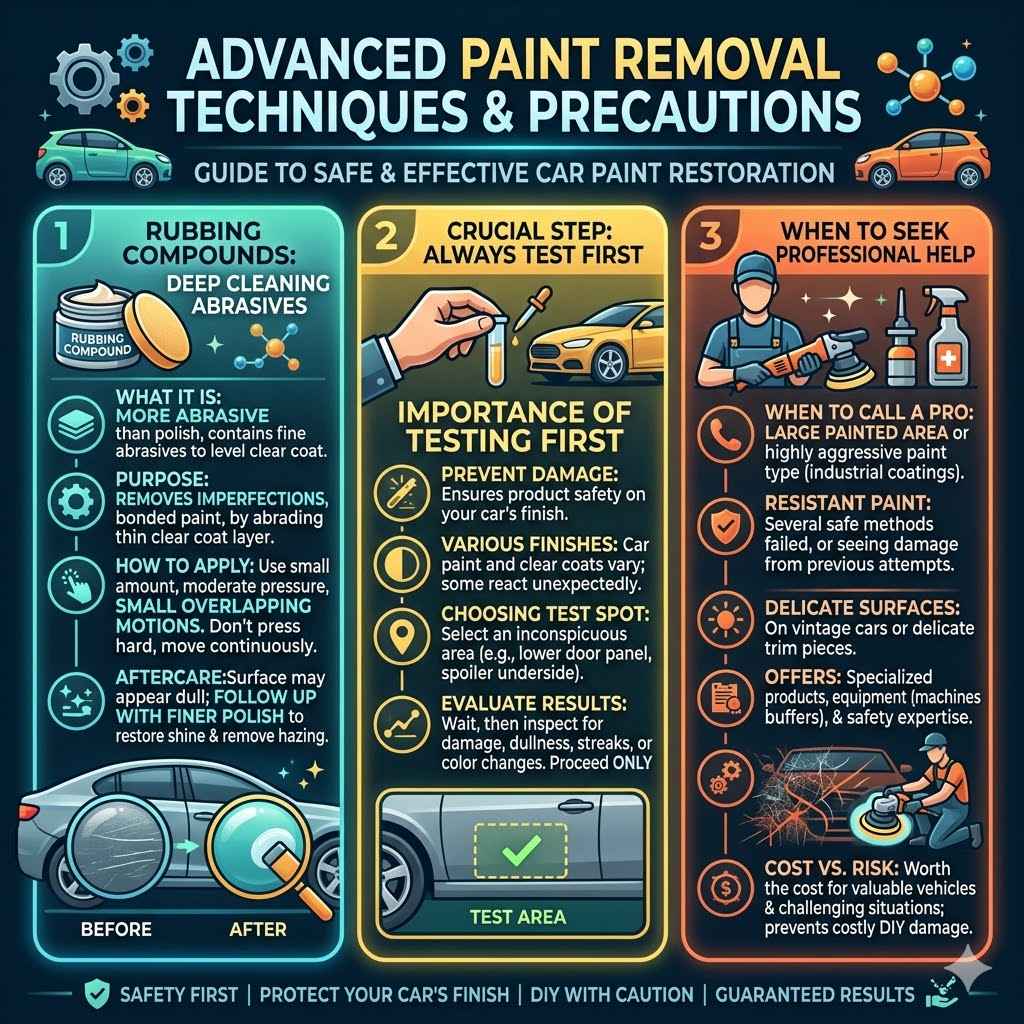
Rubbing compounds are more abrasive than polishes. They contain fine abrasives that can level the clear coat slightly, effectively removing embedded contaminants or scratches. They should be used with caution.
What is a Rubbing Compound?
A rubbing compound is a paint cleaner that has a higher level of abrasive material than a polish. Its purpose is to remove imperfections from the paint surface by abrading away a thin layer of the clear coat. This process can remove bonded paint.
How to Apply Correctly
Apply a small amount of compound to a foam applicator pad or microfiber cloth. Work the compound into the affected area using moderate pressure and small, overlapping motions. Do not use excessive force or stay in one spot for too long.
Follow Up with Polish
After using a rubbing compound, the surface might appear dull. It is essential to follow up with a finer polish to restore the shine and protect the paint. A polishing step re-burnishes the surface, removing any light hazing left by the compound.
The Importance of Testing First
Before applying any cleaning solution or abrasive to a large area of your car, always test it on a small, inconspicuous spot. This could be a lower part of a door panel or the underside of a spoiler. This step is crucial for preventing accidental damage.
Why Testing is Crucial
Car paint finishes vary, and some cleaning agents can react unexpectedly with certain types of paint or clear coats. Testing ensures that the product won’t cause discoloration, dulling, or etching on your car’s finish. It’s a small step that can save a lot of trouble.
Choosing the Test Spot
Select an area that is not easily visible. This might be on the lower part of the vehicle, or an area that has previously had paintwork done. The goal is to confirm the product’s safety without making a visible mistake.
Evaluating the Results
After applying the test substance and letting it sit for the recommended time, carefully inspect the area. Look for any signs of damage, such as dullness, streaks, or changes in color. If the test spot looks good, you can proceed with more confidence.
When to Seek Professional Help
In some rare cases, paint removal can be very difficult or risky. If you have a large area covered in paint, or if you are dealing with a highly aggressive type of paint (like some industrial coatings), it might be best to consult a professional detailer.
Signs It’s Time for a Pro
If you’ve tried several safe methods and the paint is still there, or if you’re seeing damage from previous attempts, it’s time for expert help. Very old, baked-on paint or unusual substances can be challenging. Also, if the paint is on a delicate trim piece or a vintage car, professional advice is wise.
What Professionals Offer
Professional detailers have access to a wider range of specialized products and equipment. They also have the expertise to apply them safely. They can use machines like buffers with specific pads and compounds designed for challenging situations.
Cost vs. Risk
While professional detailing can be an expense, it often prevents costly damage that might occur from DIY attempts gone wrong. For valuable vehicles or difficult situations, the cost of professional help is often well worth the peace of mind and guaranteed results.
Frequently Asked Questions
Question: What is the best home remedy for fresh paint on a car?
Answer: For fresh paint, a mixture of mild dish soap and warm water is usually the best first step. It’s gentle and effective at lifting wet or recently applied paint without harming your car’s finish.
Question: Can I use nail polish remover to remove paint from my car?
Answer: It is generally not recommended to use nail polish remover on car paint. Nail polish remover contains strong solvents like acetone, which can quickly damage and dissolve your car’s clear coat and paint.
Question: How long should I let a cleaning solution sit on the paint?
Answer: For mild solutions like dish soap or alcohol, only a minute or two is needed. For more stubborn stains, solutions like WD-40 might sit for a few minutes, but always follow product instructions and test first.
Question: Will baking soda scratch my car’s paint?
Answer: Baking soda is a mild abrasive. When used as a paste with water and applied with gentle pressure and a soft cloth, it’s unlikely to scratch. However, avoid vigorous scrubbing or dry application.
Question: Is it safe to use a clay bar on my car for paint removal?
Answer: Yes, a clay bar is safe and very effective for removing paint overspray and other bonded contaminants when used correctly. Always use plenty of lubricant and never use a dropped clay bar.
Summary
Removing unwanted paint from your car at home is achievable with the right approach. We explored how simple items like dish soap, rubbing alcohol, baking soda, and WD-40 can effectively lift paint. We also covered the usefulness of clay bars and rubbing compounds for tougher jobs. Always remember to test first and work gently to protect your car’s finish. You can successfully tackle paint transfer using these safe and simple methods.
Products related to this article
Sponsored / affiliate links. As an Amazon Associate I earn from qualifying purchases. I may earn additional commission from eligible campaigns.