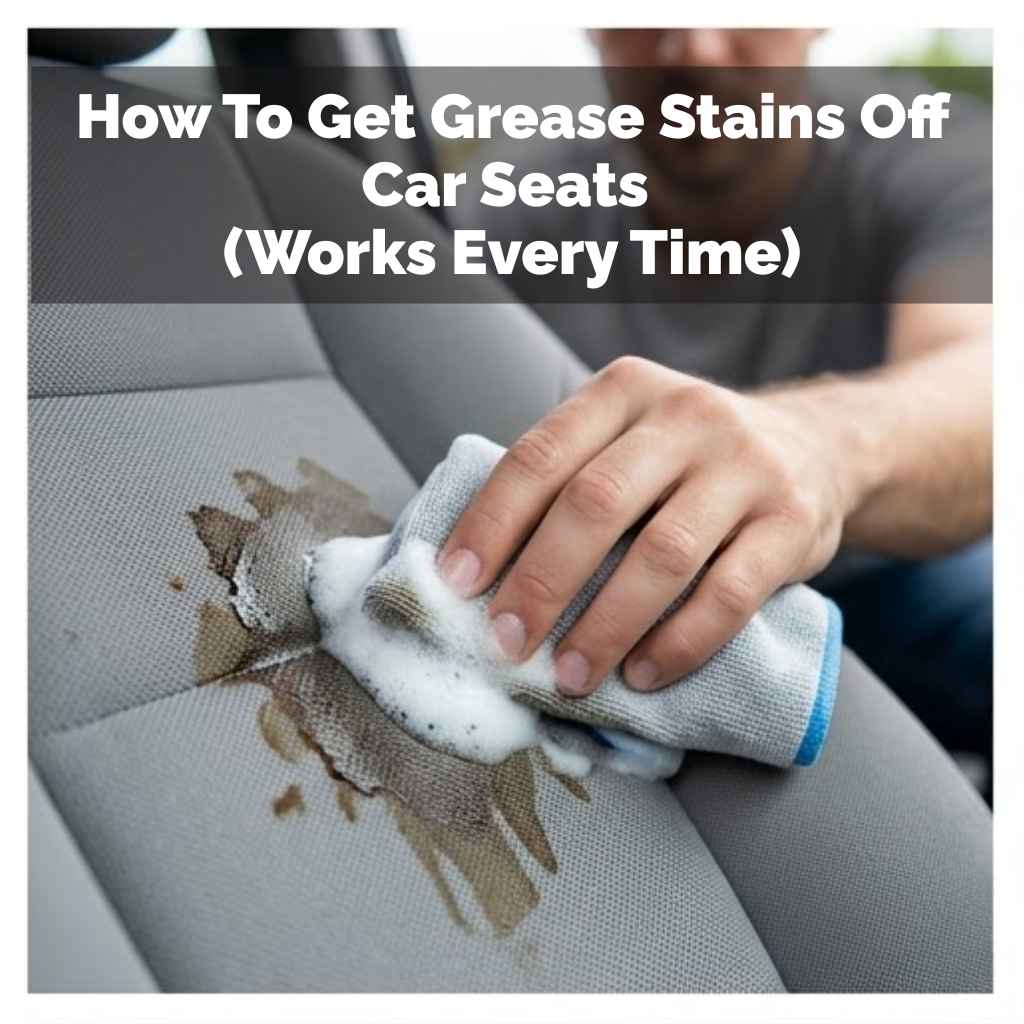
How To Get Grease Stains Off Car Seats (Works Every Time)
It’s a common worry for many car owners: that dreaded moment when something greasy slips and lands right on your car seat. Maybe it was a sneaky fry from fast food, a bit of oil from working on your car, or even some greasy sunscreen. Whatever it was, it left its mark. These stains can feel stubborn and permanent. They look bad, and they can make your car feel less clean. Many people feel a pang of frustration or even a bit of panic when this happens.
This guide is here to help ease that worry. We will walk you through simple, effective ways to tackle those grease stains. You’ll learn how to identify the type of seat you have. Then, we’ll show you the best ways to clean them up. You’ll be able to restore your car seats and feel good about them again. We aim to make this process clear and easy for everyone.
Getting grease stains off car seats is possible with the right approach. Depending on your seat material (fabric or leather), specific cleaning agents and techniques are best. Patience and gentle scrubbing are key. Always test a small, hidden area first before treating the main stain.
What Are Grease Stains and Why Are They Tricky?
Grease stains are different from many other spills. They are oily. This oiliness means they don’t always soak into fabric the way water-based stains do. Instead, grease tends to spread out and stick to the fibers. It can also make things look darker. On leather, grease can seep into the pores and change the material’s look and feel.
The challenge with grease is its nature. It’s hydrophobic, meaning it doesn’t mix well with water. This is why just a simple wipe with a damp cloth often doesn’t work. You need something that can break down or lift that oil. Different seat materials also react differently to cleaning agents. What works for fabric might damage leather, and vice versa. So, knowing your seat type is the first step.
Fabric Car Seats: The Fiber Challenge
Most cars have fabric seats. These are often made from materials like cloth, velour, or polyester blends. These fabrics have tiny fibers. Grease loves to cling to these fibers. If you rub a grease stain hard, you can push it deeper. You might also spread it out more. This makes the stain harder to remove later.
The absorbent nature of fabric means the grease can soak in. This is why time is often important. The longer the grease sits, the more it can bond with the fibers. This can lead to a set-in stain that feels almost impossible to lift. It’s a common problem that many car owners face.
Leather Car Seats: A Different Kind of Problem
Leather car seats are also popular. They can look very nice. However, grease stains on leather are also a worry. Leather is a natural material. It has pores. Grease can seep into these pores. This can leave a dark spot. It can also make the leather feel slippery or look dull.
Cleaning leather requires a softer touch. Harsh chemicals can dry out the leather. They can even crack it or remove its protective finish. So, when dealing with grease on leather, you need products made for leather care. You also need to be gentle.
My Own Grease Stain Nightmare
I remember one sweltering summer day. I was heading to a friend’s place, and I’d picked up some greasy takeout for the road. I had a big, juicy burger in a paper bag on the passenger seat. We hit a sudden bump, and the bag tipped. A cascade of grease landed right on my light-tan cloth seat. My heart sank. It looked like a dark, oily map had appeared on my car’s interior.
I tried a wet cloth first. That just spread the oil into a bigger mess. I felt a wave of panic mixed with pure annoyance. This was a new car, and I had just ruined the seat. I spent the next hour after arriving at my friend’s place frantically Googling. I tried dish soap, some old upholstery cleaner I had, and even baking soda. Nothing seemed to truly lift the greasy spot. It felt like a permanent stain. It was a frustrating experience that taught me a lot. I learned that just wiping or using the wrong cleaner makes things worse. You need a plan.
How to Tackle Grease Stains on Fabric Car Seats
Fabric seats are common, so let’s start there. The key is to absorb the grease first. Then, use a cleaner that breaks down oil.
Step 1: Absorb the Excess Grease
As soon as you notice a grease stain, act fast. Blot it gently with a clean cloth or paper towel. Don’t rub! Rubbing pushes the grease deeper. You want to lift as much of the surface grease as possible.
After blotting, you need to draw out the remaining oil. This is where absorbent powders come in handy.
What You’ll Need for Absorption:
- Baking soda
- Cornstarch
- Talcum powder (unscented is best)
- Clean cloths or paper towels
The Absorption Process:
Sprinkle a generous amount of baking soda, cornstarch, or talcum powder directly onto the stain. Cover it completely. Let it sit for at least 15-30 minutes.
For tougher stains, you can leave it on for a few hours or even overnight. The powder will absorb the oil from the fabric fibers.
After it has sat, vacuum up the powder thoroughly. You should see that the stain looks lighter. Some of the grease has been lifted out.
This step is crucial. It removes a lot of the oil before you even use a liquid cleaner.
Quick Scan: Fabric Stain Absorption
Why it works: Powders are fine grains. They have a large surface area. This allows them to soak up liquids like oil.
Think of it like a tiny sponge.
Best powders: Baking soda, cornstarch, talc.
How long: 30 mins to overnight.
After: Vacuum well.
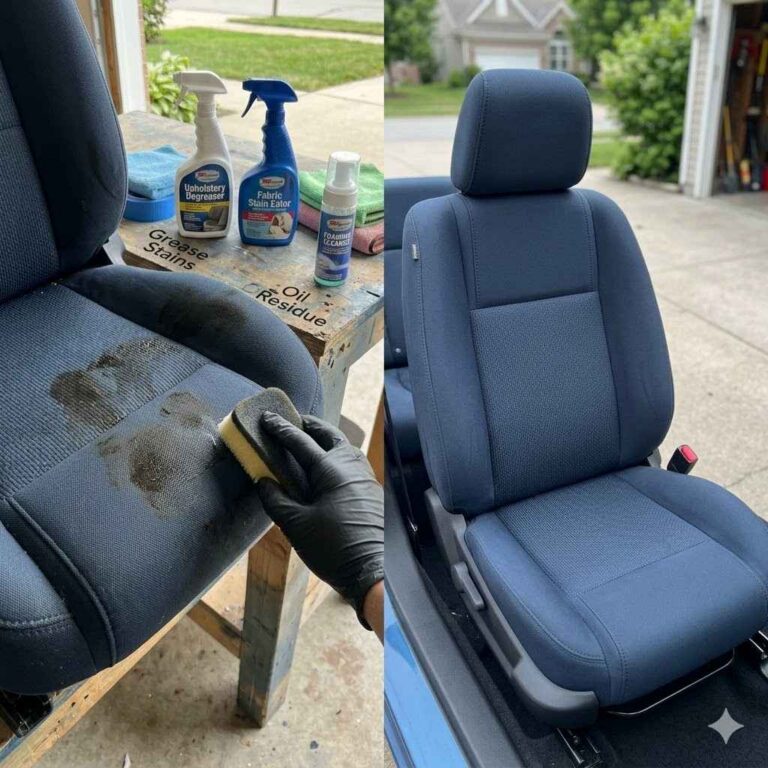
Step 2: Use a Cleaning Solution
Once you’ve absorbed as much grease as possible, it’s time for a cleaner. You need something that can break down the oil.
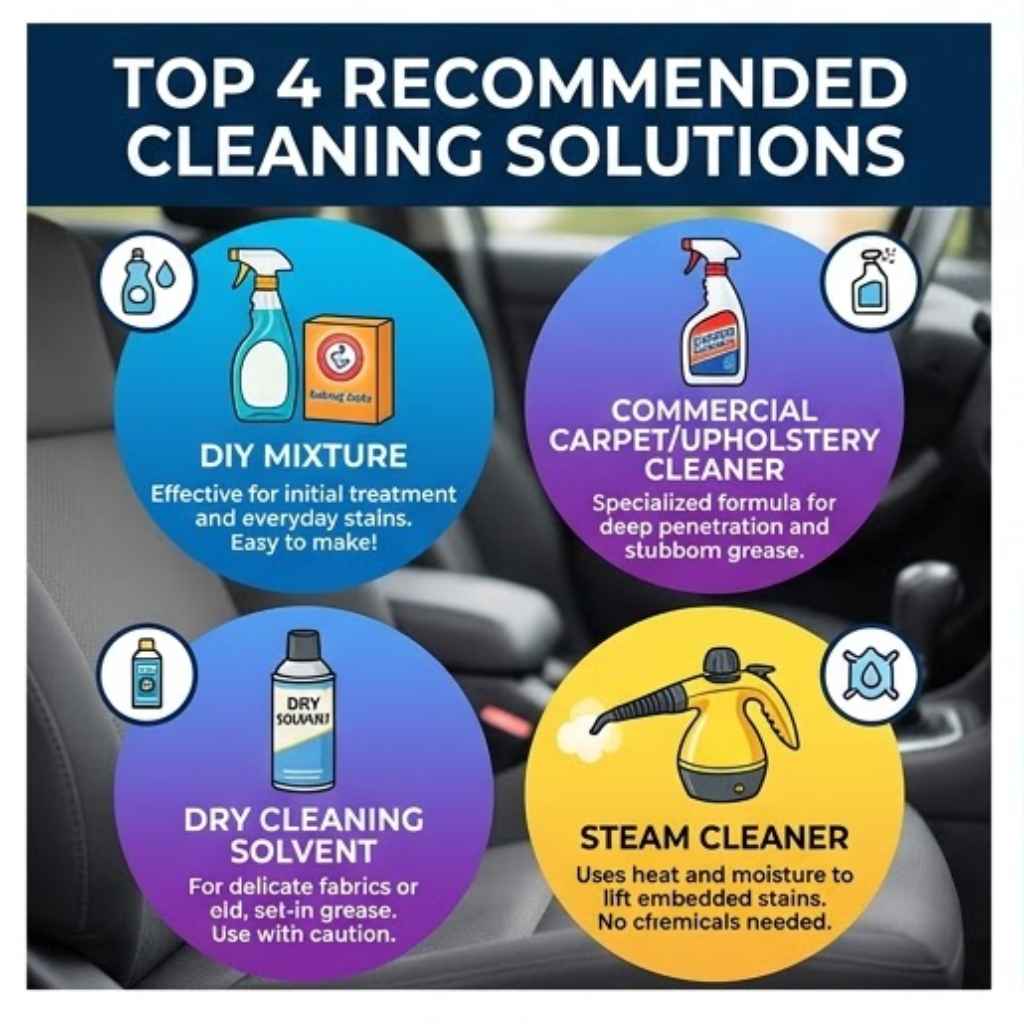
Effective Cleaning Agents for Fabric:
- Dish soap: A small amount of mild dish soap is great for cutting grease.
- Upholstery cleaner: Look for one specifically designed for car interiors.
- Rubbing alcohol: Can be effective but test first.
- Carpet cleaner: Some carpet cleaners work well on fabric car seats.
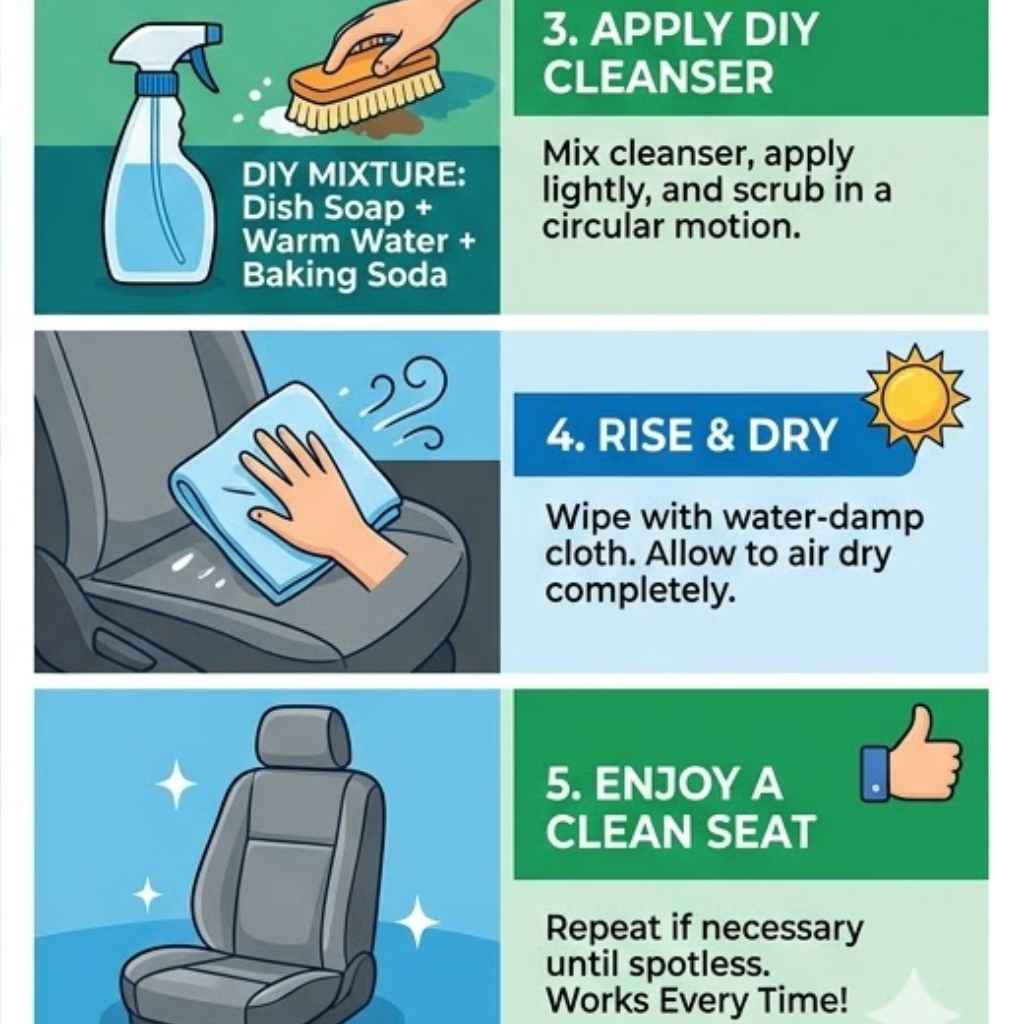
Applying the Cleaner:
Always test first! Pick a small, hidden spot on your car seat. Apply a tiny bit of your chosen cleaner. Let it sit for a few minutes.
Then, blot it with a clean, damp cloth. Check for any color fading or damage. If it looks okay, you can proceed.
Mix a solution if needed. For dish soap, mix a few drops with some warm water. Don’t make it too sudsy.
For commercial cleaners, follow the product instructions.
Dampen a clean microfiber cloth with your cleaning solution. Gently blot the stained area. Work from the outside of the stain inward.
This prevents spreading. Don’t soak the fabric. Too much liquid can lead to mold or mildew.
Let the cleaner sit on the stain for a few minutes. This gives it time to break down the grease. Then, use a clean, damp cloth to blot away the cleaner and the loosened grease.
You may need to rinse the cloth and repeat this blotting process several times.
Step 3: Rinse and Dry
After you’ve cleaned the stain, you need to rinse the area. This removes any leftover cleaner.
Rinsing the Fabric:
Get a clean cloth and dampen it with plain water. Blot the area again. This removes residue from the cleaning solution.
Repeat this until you’re sure all the cleaner is gone.
Blot the area with a dry, clean cloth. Absorb as much moisture as possible. You can also place a fan near the seat to help it dry faster.
Good airflow is important.
Let the seat air dry completely. Avoid sitting on it until it’s fully dry. This can take a few hours.
Proper drying prevents new problems.
Contrast Matrix: Fabric Stain Cleaning
| Myth | Reality |
|---|---|
| Rubbing the stain hard will remove it faster. | Rubbing pushes grease deeper and spreads it. Blotting is key. |
| Using lots of water will clean it better. | Too much water can damage fabric and cause mold. Use damp cloths. |
| Any household cleaner will work. | Some cleaners can damage car fabric. Test first. |
Getting Grease Off Leather Car Seats
Leather seats need a gentler approach. Harsh chemicals can damage the leather.
Step 1: Gentle Wiping and Absorption
Start with the least aggressive method.
What You’ll Need for Leather:
- Soft microfiber cloths
- Mild soap (like saddle soap or a leather cleaner)
- Leather conditioner
- Optional: Baking soda (for tougher spots, use with caution)
The Initial Cleaning:
First, blot any excess grease with a clean, dry microfiber cloth. Do not rub.
If it’s a fresh stain, you might be able to wipe it gently with a slightly damp cloth. Use plain water. See if that lifts any of the surface oil.
For more stubborn stains, use a cleaner designed for leather. Or, mix a very small amount of mild soap (like a few drops of saddle soap or a specialized leather cleaner) with distilled water.
Dampen a microfiber cloth with the cleaning solution. Gently wipe the stained area. Again, work from the outside in.
Avoid getting the leather too wet.
Use a separate, clean, damp cloth to wipe away any soap residue. Then, dry the area with a clean, dry cloth.
Step 2: Dealing with Stubborn Leather Stains
If the above doesn’t fully remove the stain, you can try baking soda. Use it very carefully.
Using Baking Soda on Leather (with caution):
Make a paste of baking soda and water. It should be thick, not runny. Apply a thin layer of this paste to the grease stain.
Let it sit for only about 10-15 minutes. Baking soda can dry out leather if left too long.
Gently wipe away the paste with a clean, damp cloth. Then, use a dry cloth to buff the area.
This method is best for minor grease spots. For deep or old stains, you might need a professional leather cleaner.
Observational Flow: Leather Stain Removal
Observe Stain: Is it fresh or old? Light or dark?
Initial Blot: Use a dry cloth to lift surface grease.
Gentle Wipe: Try a damp cloth with plain water.
Leather Cleaner: Use a dedicated leather cleaner or mild soap solution.
Baking Soda Paste (Carefully): For tough spots, apply briefly.
Condition Leather: Always apply leather conditioner after cleaning.
Step 3: Condition the Leather
After cleaning any stain on leather, it’s vital to recondition it. Cleaning can strip natural oils.
Conditioning Leather Seats:
Choose a good quality leather conditioner. Apply a small amount to a clean microfiber cloth. Gently rub it into the cleaned area.
Then, buff it with another clean cloth.
Conditioning keeps the leather soft and supple. It also helps protect it from future stains.
Real-World Scenarios and Habits
Think about how grease stains happen in the first place. They often occur during everyday activities.
Eating in the Car
Many people enjoy snacks and meals in their cars. This is a prime time for grease to escape. Greasy foods like burgers, fries, or fried chicken are common culprits. Even oily sandwiches can leave a mark.
Habit: Eating Greasy Foods
The Risk: Spills are common. Oils can drip from food.
The Fix: Use napkins. Place food on a tray or mat. Clean up drips immediately.
Car Maintenance and Repairs
Working on your car can lead to grease. Your hands might be oily. Tools can drip oil. If you’re not careful, this can transfer to your seats.
Habit: DIY Car Work
The Risk: Oil and grease on hands and tools.
The Fix: Wear gloves. Lay down old towels or seat covers before starting work.
Sunscreen and Lotions
Some lotions and sunscreens contain oils. If you apply them in the car, they can transfer to the seats. This is especially true for creamy or oily formulas.
Habit: Applying Oily Products
The Risk: Oil transfer from skin to seat.
The Fix: Apply lotions and sunscreen before getting in the car or use a towel.
Stacked Micro-sections: Prevention Tips
Keep Wipes Handy: Have baby wipes or car interior wipes for quick cleanups.
Use Seat Covers: Especially for kids or pets, or during messy activities.
Design Considerations: Darker colored seats hide stains better.
Avoid Over-Application: Be mindful of how much greasy food you bring in.
What This Means for You: When to Worry
Most grease stains can be removed with these methods. However, some situations require more attention.
When It’s Probably Normal
If you’ve followed the steps and the stain is gone or much lighter, that’s great! It means you caught it and treated it well. A slightly lighter spot on fabric might just be where the cleaner lifted some dye. This is usually not a major issue.
For leather, if the area looks clean and the conditioner has restored its sheen, you’re in good shape. A very minor discoloration might fade over time.
When to Seek Professional Help
There are times when you should call a professional detailer.
- Deeply Set Stains: If a stain has been there for a long time, it might be impossible to remove yourself.
- Delicate Materials: Some car interiors have very delicate or unique fabrics or leathers.
- Large Stains: If a large area is affected, a pro has better tools.
- Uncertainty: If you are afraid of making the stain worse, a professional has the expertise.
A professional car detailer has specialized tools and chemicals. They can often remove stains that home remedies can’t. It might cost more, but it could save your car’s interior.
Quick Tips for Grease Stain Success
Here are some final tips to help you succeed.
- Blot, Don’t Rub: This is the golden rule for all stains, especially grease.
- Test First: Always test cleaners in an inconspicuous area.
- Use Microfiber Cloths: They are gentle and absorbent.
- Work from Outside In: This stops stains from spreading.
- Don’t Over-Wet: Too much moisture is bad for fabrics and leather.
- Patience is Key: Some stains take time and multiple treatments.
- Ventilate: Ensure good airflow when cleaning and drying.
Tips Table: Grease Stain Removal
| Material | First Step | Cleaning Agent (if needed) | Key Caution |
|---|---|---|---|
| Fabric | Blot & Absorb (baking soda) | Dish soap or upholstery cleaner | Do not over-wet |
| Leather | Blot | Leather cleaner or mild soap | Do not use harsh chemicals |
| Both | Test cleaner first | — | Work from outside in |
Frequent Questions About Grease Stains
Can I use a regular household degreaser on my car seats?
It’s generally not recommended. Household degreasers can be too harsh. They might bleach fabric, damage leather, or leave behind residue that attracts more dirt.
Always use products designed for automotive interiors or test very carefully on a hidden spot.
How long should I leave baking soda on a fabric car seat?
For a fresh stain, 15-30 minutes is usually enough. For older or tougher stains, you can leave it on for a few hours or even overnight to let it draw out more oil. Just make sure to vacuum it up thoroughly afterward.
Will rubbing alcohol damage my leather car seats?
Rubbing alcohol can dry out leather and may even remove some color. It’s best to avoid it on leather. If you have a very stubborn spot, a dedicated leather cleaner is a much safer choice.
Always test any cleaning product on a small, hidden area first.
My car seat is dark grey. Will the baking soda leave a white residue?
Yes, baking soda is white. If you don’t vacuum it up completely, it can leave a white residue. Make sure to use your vacuum cleaner thoroughly after the baking soda has had time to absorb the grease.
A stiff brush can help loosen it for vacuuming.
What is the best way to prevent grease stains in my car?
Prevention is key! Try to avoid eating greasy foods in the car. If you do, use extra napkins and place food on a tray or mat.
Keep car wipes or a small cleaning kit handy for immediate attention to spills. If you work on your car, wear gloves and lay down protective covers.
Can I use laundry detergent on my car seats?
Some people have success with a very diluted laundry detergent solution on fabric seats. However, it’s not ideal. Laundry detergents can contain brighteners or chemicals that might fade your car’s fabric or leave residue.
It’s safer to use a product made for upholstery or a mild dish soap.
Final Thoughts on Tackling Grease
Dealing with grease stains on your car seats can feel overwhelming. But with the right approach, it’s a solvable problem. Remember to identify your seat material first. Then, choose your cleaning method carefully. Always start with gentle methods and test first. Patience and consistent effort will pay off. You can restore your car seats and keep them looking great for longer. Don’t let grease stains stress you out; you’ve got this!
Products related to this article
Sponsored / affiliate links. As an Amazon Associate I earn from qualifying purchases. I may earn additional commission from eligible campaigns.