What Liquid Is In A Car Battery? (And How To Handle It)
What liquid is in a car battery can be a crucial question for vehicle owners, especially when troubleshooting or performing maintenance. This liquid, known as electrolyte, is a vital component that facilitates the chemical reactions necessary for your car to start and power its electrical systems. Understanding its properties, risks, and proper handling is essential for safety and for keeping your vehicle in top condition.
In short, the liquid in a car battery is a highly corrosive mixture of sulfuric acid and distilled water, called electrolyte. It’s dangerous to touch or inhale and requires careful handling to avoid severe burns and damage. Always wear protective gear.
Key Takeaways
- The primary liquid in a car battery is electrolyte, a mix of sulfuric acid and distilled water.
- This electrolyte is highly corrosive and dangerous, causing severe skin burns and permanent eye damage.
- Handling car battery liquid requires extensive safety precautions, including gloves, eye protection, and good ventilation.
- If spilled, electrolyte needs to be neutralized with a base like baking soda before cleaning.
- Modern cars often use sealed, maintenance-free batteries, but older or specialized vehicles may still have serviceable batteries.
What Is Car Battery Electrolyte?
The liquid found inside a typical lead-acid car battery is a carefully balanced mixture of sulfuric acid and distilled water. This solution, referred to as electrolyte, is the medium through which ions travel during the electrochemical process that generates electricity. It’s not just water; the concentrated sulfuric acid plays a critical role in the battery’s ability to store and release energy.
The precise concentration of sulfuric acid is key to a battery’s performance. Too little acid, and the battery won’t hold a strong charge. Too much, and it can accelerate corrosion and damage internal components.
This is why using only distilled water for topping up is essential; tap water contains minerals that can interfere with the chemical reactions and degrade the battery.
The electrolyte’s ability to conduct electricity is what makes the battery function. When the battery is discharging, the sulfuric acid reacts with the lead plates, producing an electric current. When the battery is charging, this process is reversed, replenishing the stored energy.
The overall health and lifespan of the battery are directly tied to the condition and concentration of this vital liquid.
Key Components of Battery Electrolyte
- Sulfuric Acid (H₂SO₄): This is the active ingredient that drives the chemical reactions. It’s a strong, corrosive acid.
- Distilled Water (H₂O): Pure water is crucial for maintaining the correct concentration of sulfuric acid and preventing contamination.
- Ions: During operation, the electrolyte facilitates the movement of ions (charged particles) between the positive and negative plates.
- Specific Gravity: This measurement indicates the concentration of sulfuric acid, which is a key indicator of the battery’s charge level.
Is Car Battery Fluid Dangerous?
Absolutely. The liquid in a car battery, the electrolyte, is extremely dangerous. It’s a potent corrosive substance that can cause severe chemical burns on contact with skin, eyes, and even clothing.
The fumes it emits can also be harmful if inhaled, and under certain conditions, the mixture can produce explosive hydrogen gas.
Because it’s a strong acid, any accidental contact requires immediate and thorough rinsing with large amounts of water. If it gets into your eyes, it can cause permanent blindness. Similarly, prolonged or deep skin contact can lead to significant tissue damage.
This is why safety precautions are not just recommended but absolutely mandatory when working with car batteries.
| Potential Hazards of Battery Electrolyte |
|---|
| Corrosiveness: Causes severe chemical burns on skin and damages fabrics. |
| Eye Damage: Can cause permanent blindness if splashed in the eyes. |
| Fume Inhalation: Acid fumes can irritate the respiratory system. |
| Explosion Risk: In the presence of sparks, hydrogen gas produced can ignite. |
Understanding these risks means you should never attempt to handle battery fluid without proper protective gear. This includes thick rubber gloves, safety goggles or a face shield, and old clothing that you don’t mind damaging. Always work in a well-ventilated area, away from any open flames or sparks.
What Happens If You Touch Battery Acid?
If you accidentally touch battery acid, act immediately. Rinse the affected area with copious amounts of clean, cool water for at least 15-20 minutes. If the acid is on your clothing, remove it carefully while rinsing.
For eye contact, flush your eyes with water using an eyewash station or by holding your eyelids open under a running faucet. Seek medical attention immediately, even if the burn seems minor.
How to Safely Handle Car Battery Liquid
Working with car battery liquid demands a rigorous adherence to safety protocols. The primary goal is to prevent any contact with skin or eyes and to avoid inhaling fumes. This involves using the correct personal protective equipment (PPE) and maintaining a safe working environment.
Always remember that even a small splash can have severe consequences.
Before you begin any work on a car battery, ensure it’s disconnected from the vehicle’s electrical system. This prevents accidental shorts and sparks. The battery should also be on a stable, level surface.
If you’re checking or adding electrolyte, use a funnel designed for battery service to prevent spills. Never use metal containers or tools near the battery, as they can cause short circuits.
Ventilation is key. Work outdoors or in a garage with open doors and windows. This helps disperse any hydrogen gas that might be present.
If you’re working in a confined space, consider using a battery ventilation system to draw fumes away. Always have a source of clean water readily available for rinsing in case of accidental contact.
Essential Safety Gear
- Gloves: Thick, chemical-resistant gloves (e.g., neoprene or rubber) are crucial. Disposable nitrile gloves are often insufficient for prolonged contact.
- Eye Protection: Safety goggles that seal around the eyes or a full face shield are mandatory. Regular glasses do not offer adequate protection.
- Protective Clothing: Wear an apron or old clothes made of synthetic materials that resist acid. Avoid loose sleeves that can dip into the battery.
- Footwear: Closed-toe shoes are a must. Acid-resistant boots are ideal if you’re doing extensive work.
- Ventilation: Ensure the workspace is well-ventilated, preferably outdoors or with open garage doors.
What to Do About Battery Acid Spills
If you experience a battery acid spill, prompt action is essential to mitigate damage and neutralize the corrosive material. The first step is always to ensure your own safety by putting on protective gear. Then, contain the spill to prevent it from spreading.
Small spills can often be managed with household items, but larger leaks may require professional attention.
The key to cleaning up battery acid is neutralization. Since it’s an acid, a base substance is needed to counteract its corrosive properties. Baking soda (sodium bicarbonate) is the most common and effective household neutralizer.
It reacts with the sulfuric acid to produce less harmful compounds like sodium sulfate, water, and carbon dioxide gas. You’ll see a fizzing reaction when you apply it.
Warning: Never use ammonia or strong alkaline cleaners to neutralize battery acid, as they can create dangerous fumes. Always use baking soda or a commercial battery acid neutralizer.
After neutralization, the residue can be carefully wiped up with rags or paper towels. Dispose of the contaminated materials properly according to local regulations, as they are considered hazardous waste. If the spill has affected metal surfaces, it’s important to clean and possibly treat them to prevent corrosion.
A thin layer of petroleum jelly or a specialized anti-corrosion spray can help protect vulnerable parts.
Neutralizing and Cleaning Procedure
- Safety First: Put on gloves, eye protection, and old clothing.
- Contain the Spill: Use absorbent cloths or rags to stop the spread of the liquid.
- Neutralize: Sprinkle a generous amount of baking soda over the spilled acid. It will fizz.
- Allow Reaction: Let the baking soda react with the acid for several minutes.
- Wipe Up: Carefully wipe the neutralized residue with rags or paper towels.
- Rinse: Lightly rinse the area with clean water.
- Dry: Ensure the area is completely dry before proceeding.
- Dispose: Properly dispose of all contaminated materials as hazardous waste.
Types of Car Batteries and Their Electrolyte
While the term “car battery” often conjures an image of a standard lead-acid battery, there are variations, and not all contain the same type of liquid or are designed for easy access to it. Modern automotive technology has introduced batteries with different chemistries and designs, impacting how their internal components are managed.
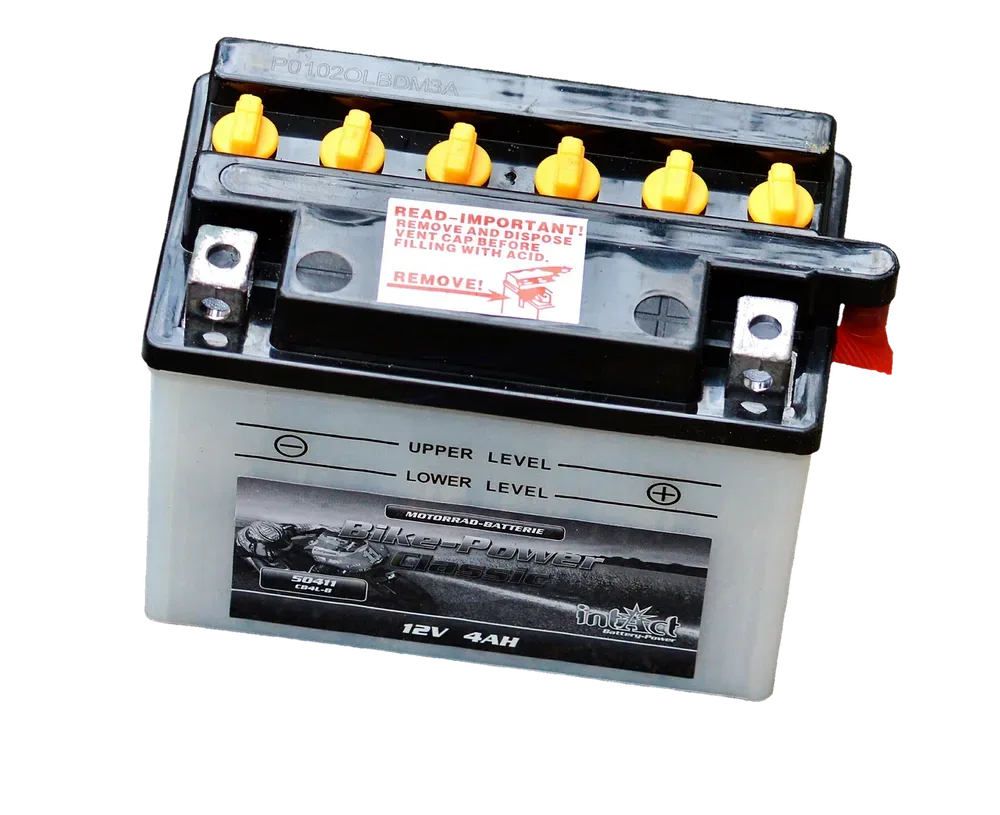
The most common type is the flooded lead-acid battery. These are often called “serviceable” batteries because they have removable caps that allow owners to check and replenish the electrolyte level. This is the type most commonly associated with the “liquid in a car battery” question.
However, even within this category, designs vary.
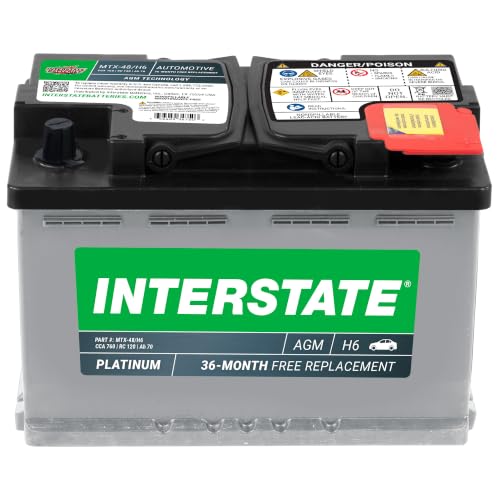
The advent of “maintenance-free” or “sealed” batteries has become dominant. These batteries still contain electrolyte but are designed to prevent evaporation and leakage. They typically use absorbed glass mat (AGM) technology, where the electrolyte is absorbed into fiberglass mats between the lead plates, or gel batteries, where the electrolyte is suspended in a silica gel.
These batteries are not designed to be opened and do not require electrolyte checks.
For most modern vehicles, you’ll be dealing with AGM or gel batteries. These are more vibration-resistant and offer better performance in extreme temperatures, but they also require specific charging methods. If your vehicle uses one of these sealed types, you won’t be adding or checking liquid; instead, if the battery fails, it’s usually replaced entirely.
Comparison of Battery Types
| Feature | Flooded Lead-Acid | AGM (Absorbed Glass Mat) | Gel |
|---|---|---|---|
| Electrolyte Form | Liquid | Absorbed in Fiberglass Mats | Suspended in Silica Gel |
| Maintenance | Requires topping up with distilled water | Maintenance-free | Maintenance-free |
| Leakage Risk | Higher risk if tipped | Very low, spill-proof | Very low, spill-proof |
| Vibration Resistance | Moderate | Excellent | Good |
| Charging | Standard charging | Requires specific voltage/charging profiles | Sensitive to overcharging; specific profiles needed |
This table highlights the differences in construction and maintenance needs, emphasizing why understanding your specific battery type is important.
Why is Electrolyte Level Important?
Maintaining the correct electrolyte level in a serviceable (flooded) car battery is critical for its longevity and performance. When the electrolyte level drops, it exposes the lead plates within the battery. These plates are designed to be fully submerged in the electrolyte to participate in the electrochemical reactions efficiently and to prevent damage.
If the plates are exposed to air, they can begin to corrode and sulfate, which significantly reduces the battery’s capacity to hold a charge. This process is often irreversible and can lead to premature battery failure. Furthermore, insufficient electrolyte means the chemical reactions necessary for power generation are impaired, resulting in weaker starting power and shorter battery life.
Important: Always use only 100% pure distilled water when topping up your battery. Never use tap water, as its mineral content can contaminate the electrolyte and damage the battery.
The electrolyte level naturally decreases over time due to evaporation, especially in hot climates, and a small amount of gassing during charging can also reduce it. This is why periodic checks are recommended for serviceable batteries. If you notice the level is low, it’s a straightforward fix to replenish it with distilled water.
Signs of Low Electrolyte Level
- Reduced Battery Performance: The battery may struggle to start the car, especially in cold weather.
- Corrosion on Terminals: Low electrolyte can lead to increased gassing, which can cause corrosion.
- Warped Plates: If plates are exposed for too long, they can warp, leading to internal short circuits.
- Lower Specific Gravity Readings: A battery hydrometer will show lower readings, indicating a weaker acid concentration.
- Visible Dryness: In some cases, you might see the tops of the lead plates peeking through the liquid.
Can You Recharge a Car Battery with Low Electrolyte?
While you can technically recharge a car battery that has low electrolyte, it’s not advisable to do so without addressing the low level first. Recharging a battery with exposed plates can exacerbate the damage. The chemical reactions during charging require the plates to be fully immersed to occur correctly and efficiently.
If you attempt to charge a battery with insufficient electrolyte, the parts of the plates that are exposed to air will not participate in the charging process. This can lead to uneven charging, localized overheating, and accelerated sulfation on those exposed areas. Sulfation is a hard crystalline layer that forms on lead plates, reducing their ability to store electrical charge and ultimately shortening the battery’s lifespan.
The best practice is always to check and, if necessary, top up the electrolyte with distilled water before attempting to recharge a serviceable battery. Allow some time for the water to mix with the existing electrolyte (e.g., by letting it sit for 30 minutes to an hour or gently rocking the battery) before starting the charging process. This ensures the entire plate surface is submerged and ready for efficient charging.
Steps to Recharge a Battery with Low Electrolyte
- Safety Check: Ensure proper ventilation and wear safety gear.
- Inspect Electrolyte: Open battery caps and check the liquid level.
- Top Up: If low, add distilled water to cover the plates, but do not overfill.
- Wait: Let the water mix with the electrolyte for at least 30 minutes.
- Connect Charger: Attach the charger’s positive and negative leads correctly.
- Charge: Follow the charger’s instructions for the appropriate charging rate.
- Monitor: Check battery voltage and specific gravity during and after charging.
Frequently Asked Questions
What is the primary chemical in car battery liquid?
The primary active chemical in car battery liquid, known as electrolyte, is sulfuric acid (H₂SO₄). This strong acid is mixed with distilled water to create the conductive solution necessary for the battery’s electrochemical reactions.
Can I use regular water to top up my car battery?
No, you should never use regular tap water. Tap water contains minerals and impurities that can interfere with the battery’s chemical processes, cause plate damage, and significantly reduce its lifespan. Always use 100% pure distilled water.
How often should I check my car battery’s electrolyte level?
For serviceable (flooded) lead-acid batteries, it’s recommended to check the electrolyte level every 3-6 months, or more frequently if you live in a hot climate or if the battery is older. Maintenance-free batteries do not require this check.
What happens if a car battery explodes?
A car battery explosion is a dangerous event caused by the buildup of hydrogen gas, which is flammable. If a spark occurs near this gas, it can ignite, causing the battery case to rupture violently. This can spray acid and shrapnel, leading to severe injuries.
Proper ventilation and avoiding sparks near batteries are crucial to prevent this.
Are AGM batteries completely safe from leaks?
AGM (Absorbed Glass Mat) batteries are designed to be spill-proof. The electrolyte is absorbed into fiberglass mats, making them very resistant to leakage and vibration. While not entirely impossible, a leak in an AGM battery is rare and usually indicates a significant physical defect or damage to the casing.
Final Thoughts
Understanding the liquid within your car battery is key to safe vehicle maintenance. The corrosive electrolyte is potent but manageable with the right precautions. Always prioritize safety, wear appropriate gear, and use only distilled water for serviceable batteries to ensure optimal performance and longevity.
Regularly checking your battery’s condition will prevent unexpected issues and keep your vehicle running smoothly.
Products related to this article
Sponsored / affiliate links. As an Amazon Associate I earn from qualifying purchases. I may earn additional commission from eligible campaigns.