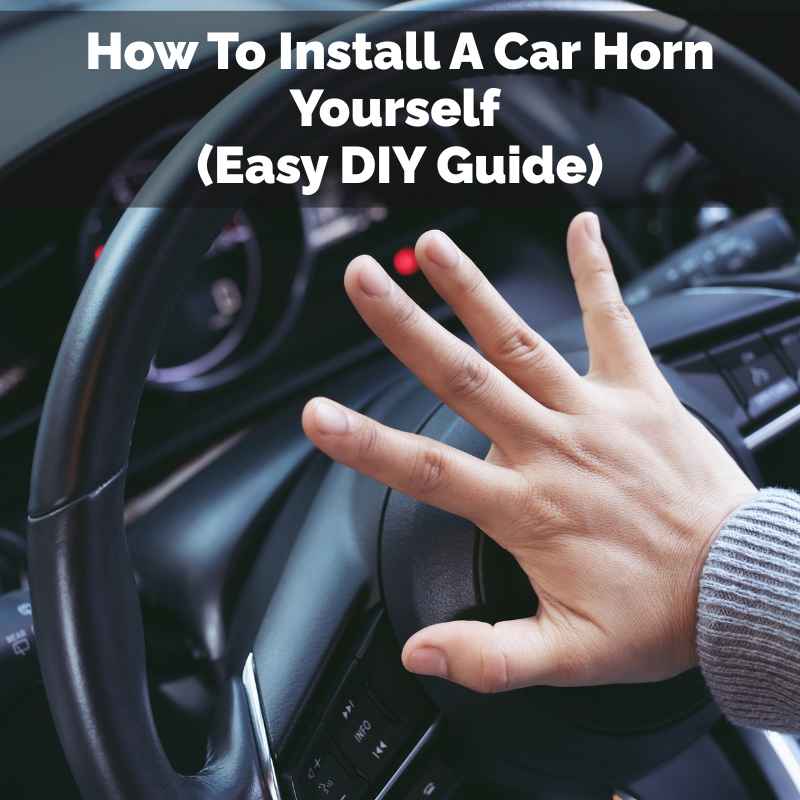
How To Install A Car Horn Yourself (Easy DIY Guide)
Installing a car horn yourself is a practical DIY project. It requires basic tools, a new horn assembly, and careful attention to wiring. By following step-by-step instructions, you can successfully replace a faulty horn and restore this essential safety feature to your vehicle.
Understanding Your Car’s Horn System
Before you dive into replacing anything, it helps to know how your car’s horn works. Think of it like this: when you press the horn button on your steering wheel, you’re actually closing a circuit. This sends an electrical signal.
That signal travels through wires to a relay. A relay is like a switch. It takes a small electrical current and uses it to control a larger one.
This larger current then powers the horn itself. The horn is basically a small electric motor with a diaphragm. When the motor spins, it vibrates the diaphragm.
This vibration creates the sound waves we hear as a honk. If any part of this chain breaks, your horn won’t work.
The horn button itself is often located on the steering wheel. Sometimes it’s the whole wheel pad, other times it’s a specific button. Underneath the steering wheel, or sometimes in the dashboard, you’ll find the horn relay.
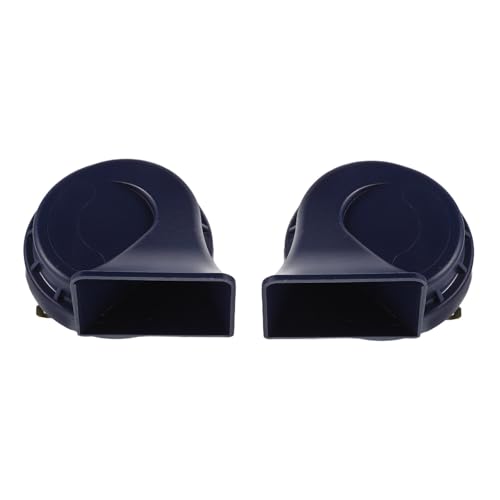
The horn itself is usually mounted somewhere in the front of your car. It might be behind the grille or under the bumper. This placement helps project the sound outwards.
The wiring connects all these pieces. It’s usually a simple system, but corrosion or loose connections can cause problems. Understanding these parts helps you pinpoint where the issue might be.
Modern cars can have one or two horns. They might be tuned to different pitches to create a more complex sound. Some older cars had a single, very loud horn.
Newer ones often use a pair for a richer tone. Regardless of how many horns you have, the basic electrical pathway is the same. The steering wheel connects to the relay, which connects to the horn.
The horn also needs a ground connection to complete the circuit. Without this ground, the electricity has nowhere to go, and the horn won’t sound.
My Own Horn-Less Adventure
I remember one time, driving on a foggy morning, my horn just died. It was eerie. I was on a winding road, and I usually give a little tap as I round blind corners.
Suddenly, I couldn’t. A wave of unease washed over me. It felt like a crucial part of my car’s personality had vanished.
I pulled over and tried honking again. Nothing. Just silence.
My mind immediately went to mechanics and expensive bills. I pictured myself explaining the issue, only to be told I needed a whole new steering column. That thought alone made my stomach clench.
I’m pretty hands-on, but car electrical systems always felt a bit like a black box to me. This felt like a good time to really see if I could figure it out. I just hoped it wasn’t anything too complicated.
What Stops a Car Horn From Working?
Electrical Issues: This is the most common cause. Wires can fray, connections can become loose or corroded. Fuses can blow, and relays can fail.
A blown fuse is like a safety valve. It breaks the circuit if too much power flows, protecting other parts. A bad relay means the signal from your horn button never reaches the horn itself.
Even the horn button can wear out over time.
Mechanical Problems: The horn itself can break down. Its internal workings can get damaged. Moisture or debris can get inside and cause issues.
Sometimes, the mounting bracket can break, causing the horn to vibrate incorrectly or stop working. If the horn’s diaphragm is damaged, the sound will be weak or distorted.
Wiring Harness Damage: The wires that run from the steering wheel to the horn are in a harness. This harness can get snagged, pinched, or chewed by small animals. Damage here can interrupt the flow of electricity.
Locating and inspecting this wiring is key to finding the problem.
Gathering Your Tools and Parts
To install a car horn yourself, you’ll need a few things. First, a new horn. Make sure it fits your car model.
You can usually find this information in your car’s owner’s manual or by looking up your car’s make and model online. Many cars use standard horns, but some might have special ones.
Next, you’ll need basic tools. A socket set is a must. You’ll want a few different socket sizes, maybe 10mm, 12mm, and 13mm.
A wrench set can also be handy. You’ll likely need a screwdriver, both Phillips head and flathead. Wire strippers are important for working with the electrical connections.
Electrical tape will be needed to secure any new connections. A multimeter is super useful for testing electrical circuits. It helps you see if power is getting where it needs to go.
Safety glasses are crucial. You don’t want anything to fall into your eyes. Gloves can protect your hands.
If your car’s battery is known to be weak or old, consider checking its condition. A healthy battery is important for the electrical system to work right. Also, it’s a good idea to have a flashlight or work light.
You’ll be working in tight spaces, and good lighting makes a big difference. Having a repair manual for your specific car model can be a lifesaver. It shows you exact diagrams and locations for parts.
Essential Tools List
- Socket Set: Common sizes like 10mm, 12mm, 13mm.
- Wrench Set: For various bolts.
- Screwdrivers: Phillips and flathead.
- Wire Strippers: For electrical wires.
- Electrical Tape: To secure connections.
- Multimeter: To test voltage and continuity.
- Safety Glasses: Protect your eyes.
- Gloves: For hand protection.
- Flashlight/Work Light: For visibility.
- Repair Manual (Optional but Recommended): For your car model.
Step-by-Step Installation Guide
First things first: safety. Always disconnect the negative terminal of your car battery. This prevents any accidental shocks or short circuits while you’re working.
Wait a few minutes after disconnecting for any residual power to dissipate.
Now, find your old horn. It’s usually located under the hood, often near the front grille or bumper. You might need to remove some plastic covers or trim pieces to get to it.
Look for bolts holding it in place. Carefully unbolt the old horn. You’ll see electrical wires connected to it.
There might be one or two wires per horn. These wires connect to a mounting bracket. Note how they are connected before you disconnect them.
Usually, there’s a positive wire and a ground wire or a bracket that acts as a ground.
Disconnect the wires from the old horn. You might need to press a small tab on the connector or use a screwdriver to gently pry them loose. Once disconnected, remove the old horn from its mounting bracket.
Now, take your new horn. Attach it to the same mounting bracket. Make sure it’s secure.
Connect the electrical wires to the new horn. Match the wires to the correct terminals. If you have a multimeter, this is a good time to test the connection.
Ensure power is reaching the horn when the circuit is active. Use electrical tape to secure the connections and cover any exposed wires. This is important for preventing corrosion and ensuring a good electrical connection.
Once the new horn is mounted and wired, reassemble any panels or covers you removed. Finally, reconnect the negative battery terminal. Get in your car, turn on the ignition (but don’t start the engine), and press the horn button.
You should hear a clear, strong honk. If it works, congratulations! If not, don’t worry.
It’s time to troubleshoot.
Quick Horn Wiring Check
Positive Wire: This is the wire that carries power from the relay to the horn when you press the button. It usually has a spade connector or a clip.
Ground Wire/Connection: This wire completes the circuit by sending power back to the battery. Sometimes, the horn is mounted to the car’s metal frame, and the metal-to-metal contact serves as the ground. Other times, there’s a separate ground wire.
Relay Location: The horn relay is typically found in the fuse box under the hood or inside the cabin. Check your owner’s manual for its exact location.
Troubleshooting Common Horn Issues
So, you replaced the horn, and it still doesn’t work? Don’t get discouraged. This is where the troubleshooting comes in.
The most common reason a new horn doesn’t sound is a problem elsewhere in the system.
First, check your fuses. Your car’s fuse box likely has a specific fuse for the horn. Consult your owner’s manual to find it.
If the fuse is blown (you can often see a broken wire inside),
Next, check the horn relay. Relays can fail. You can often swap the horn relay with a similar relay in the fuse box (like for the headlights or fog lights) to test it.
If the horn starts working with the swapped relay, you know your old relay was bad. You can also test the relay with your multimeter. You’re looking to see if it’s switching power correctly.
The wiring itself is another common culprit. Inspect all the wires leading to the horn. Look for any signs of damage, corrosion, or loose connections.
Make sure the connectors are firmly seated on the horn terminals. Check the ground connection. Is the horn securely mounted to metal?
Is the ground wire (if present) clean and tightly attached?
Finally, consider the horn button itself. While less common to fail completely, it can become worn or damaged. Testing the horn button usually involves checking for continuity with your multimeter when the button is pressed.
This is often done by accessing the wiring behind the steering wheel, which can be more complex. If all else fails, it might be time to consult a professional.
Common Horn Problems and Fixes
- No Sound: Check fuses, relay, wiring connections, and the horn itself.
- Weak Sound: Could be a low battery, loose connection, or a failing horn.
- Intermittent Sound: Often caused by loose wires or a faulty relay.
- Horn Stays On: Likely a stuck relay or a problem with the horn button.
Real-World Scenarios for Horn Installation
Picture this: you’re driving on a busy street in your town, maybe somewhere like Denver or Atlanta. You reach for your horn to warn a distracted driver, and… nothing. It’s a jarring silence.
This is exactly when you realize how important that simple sound is. You’ve probably seen cars with missing or broken grilles, or parts that look a bit beat up. A silent horn can be one of those things that just gets ignored until it’s a real problem.
In many American homes, cars are essential. They’re used for commuting, school runs, and weekend trips. Having a fully functional car means peace of mind.
A faulty horn adds unnecessary stress. It’s not just about obeying traffic laws; it’s about safety. In emergency situations, a loud, clear horn can prevent accidents.
For instance, if you’re backing out of a driveway and a child runs behind your car, a horn blast could make all the difference.
The design of cars often places the horn in a vulnerable spot. Road debris, minor fender benders, or even just time and weather can affect it. Replacing it yourself saves money.
It also gives you a sense of accomplishment. Most DIYers find that tackling a job like this builds confidence. You learn more about your vehicle.
You become more comfortable performing other maintenance tasks.
When to Call a Professional
Complex Electrical Systems: Some newer cars have highly integrated electrical systems. If you’re unsure about navigating these, it’s safer to get expert help.
Steering Wheel Disassembly: If the issue is with the horn button itself, and it requires removing the airbag or complex steering wheel components, it’s often best left to a trained technician. Airbags are safety devices and must be handled with extreme care.
Lack of Proper Tools: If you don’t have the essential tools, especially a multimeter, and you’re not comfortable buying them, a mechanic can do the job quickly.
Persistent Issues: If you’ve tried basic troubleshooting and the horn still doesn’t work, there might be a deeper problem that requires specialized diagnostic equipment.
When It’s Normal and When to Worry
It’s normal for car parts to wear out over time. Your car horn is no exception. Exposure to the elements, vibrations, and frequent use can lead to its eventual failure.
So, if your horn suddenly stops working, it’s often just a sign of normal wear and tear. It’s something that needs attention, but it’s not usually an indicator of a more serious, underlying problem with your car’s core systems.
You should worry if the horn failure is accompanied by other electrical issues. For example, if other lights or systems in your car start acting up at the same time. This could point to a problem with your car’s alternator or battery, which are crucial for the entire electrical system.
Another cause for concern is if the fuse for the horn blows repeatedly. This indicates a short circuit, which, if left unaddressed, could potentially damage other electrical components or even pose a fire risk.
If you notice any strange smells, like burning plastic or electrical components, when you try to use the horn or even just when the car is on, that’s a red flag. This suggests an electrical fault that needs immediate inspection. Similarly, if the horn button feels loose, sticky, or makes odd noises when you press it, it might be an early warning sign of a developing problem within the steering column.
Addressing these early can prevent a complete failure.
Simple Horn Checks You Can Do
- Visual Inspection: Look at the horn itself. Is it visibly damaged? Are the wires connected securely?
- Fuse Check: Locate the horn fuse in your car’s fuse box and check if it’s blown.
- Battery Voltage: Ensure your car’s battery is providing adequate voltage. A weak battery can affect horn performance.
- Listen Closely: When you press the horn button, do you hear a click from the relay? This indicates the relay is at least receiving power.
Quick Tips for a Working Horn
Keeping your car’s horn in good working order is straightforward. Regular checks are key. When you’re washing your car, take a moment to look at the horn location.
Is it clean? Is there any obvious damage? Wiping away dirt and debris can prevent corrosion and extend its life.
Pay attention to the sound of your horn. Does it sound as loud and clear as it used to? A change in sound can be an early warning.
When you’re replacing a fuse, always use the correct amperage. Using a fuse with a higher rating can damage the electrical system. It’s like using too big a pipe for water; it can cause leaks or bursts.
Make sure the new horn you buy is compatible with your car’s electrical system. Cars have different voltage requirements, and using the wrong horn can lead to poor performance or damage.
If you’re not comfortable with electrical work, don’t force it. There are many great resources online, including videos specific to your car model. Watching someone else do it can give you the confidence you need.
However, safety always comes first. If at any point you feel unsure, it’s better to stop and seek professional help. Your safety and the integrity of your car are paramount.
Frequently Asked Questions About Car Horns
How long does a car horn typically last?
A car horn is designed to last for many years, often the lifetime of the vehicle. However, factors like exposure to weather, road salt, vibration, and impact can shorten its lifespan. Typically, you can expect a horn to function reliably for 5 to 10 years or even longer under good conditions.
Can I install a louder or different sounding horn?
Yes, in many cases, you can install a louder or different sounding horn. Many aftermarket horns are available that offer a more powerful sound. However, be mindful of local noise ordinances.
Some areas have regulations on how loud horns can be. Ensure the new horn is compatible with your car’s electrical system (voltage and amperage).
What is the difference between a horn and a horn relay?
The horn is the part that actually makes the sound. The horn relay is an electrical switch. It uses a small amount of current from your horn button to control a larger current that powers the horn itself.
The relay protects the horn button and the car’s wiring from the higher current needed by the horn.
Where is the horn fuse located?
The horn fuse is usually located in one of your car’s fuse boxes. Most cars have at least two fuse boxes: one under the hood and one inside the cabin (often near the dashboard or under the driver’s side). You’ll need to consult your car’s owner’s manual to find the exact location and identify the correct fuse, as they are often labeled with symbols.
My new horn doesn’t make any sound. What should I check first?
If your new horn doesn’t make any sound, first double-check all your wiring connections. Ensure they are secure and on the correct terminals. Then, check the horn fuse and the horn relay.
If those are good, use a multimeter to test for power at the horn connector when the button is pressed. This will help you determine if the issue is with the power supply or the horn itself.
Is it hard to replace the horn button on the steering wheel?
Replacing the horn button itself can be more difficult than replacing the horn. This is because it often involves disassembling parts of the steering wheel and potentially dealing with the airbag system. If the horn button is the issue, it’s often recommended to have this done by a professional mechanic to ensure safety and proper reassembly.
Conclusion
Replacing a car horn is a very achievable DIY task. By understanding the system, gathering the right tools, and following the steps carefully, you can restore your car’s ability to communicate. Don’t let a silent horn leave you feeling vulnerable or stressed.
With a little effort, you can have your car honking again, safely and confidently. Enjoy the sound of your car having its voice back!
Products related to this article
Sponsored / affiliate links. As an Amazon Associate I earn from qualifying purchases. I may earn additional commission from eligible campaigns.