How to Remove Pine Sap from a Car: Quick Fixes and Long-Term Protection
Fresh pine sap wipes off with warm soapy water and a microfiber cloth, but once it hardens, you need 70 to 90 percent isopropyl alcohol or a dedicated sap remover applied on a cloth (never sprayed straight onto the paint), left to dwell for two to three minutes, then wiped away gently and followed by a wash and a coat of wax.
Pine sap is one of the stickier tree contaminants your paint can pick up, and it does not stay soft for long. Left in the sun for even a day or two, it starts bonding to the clear coat in a way that plain soap and water cannot touch. Below is what actually dissolves it at each stage, why pine sap in particular is harder on paint than sap from many other trees, and what to do if you park near pine trees regularly and keep finding new spots.
Quick Answer
Soak fresh sap off with warm soapy water. For sap that has already hardened, apply 70–90% isopropyl alcohol (or a commercial sap remover) to a microfiber cloth, let it sit 2–3 minutes, wipe gently, then wash and wax the spot. Never scrub hardened sap dry — it will scratch the clear coat.
Why Pine Sap Is Tougher on Paint Than Other Tree Sap
Fast-Acting Sap Remover
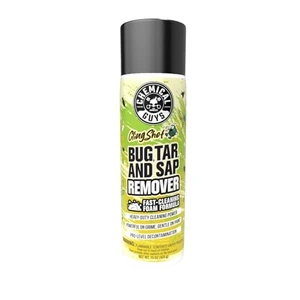 |
Chemical Guys Bug, Sap & Tar Remover (15 oz) – $11.99 A fast-acting foam spray formulated to dissolve sap alongside bug residue and tar, so it covers you for more than just the occasional sap drip.
|
Pine sap (also called pine pitch or resin) is mostly made of volatile terpenes, including alpha-pinene, dissolved around a solid resin core called rosin. The resin acids in rosin — mainly abietic acid and pimaric acid — are what make pine sap so much stickier and more acidic than the watery sap that drips from many deciduous trees like oaks and maples.
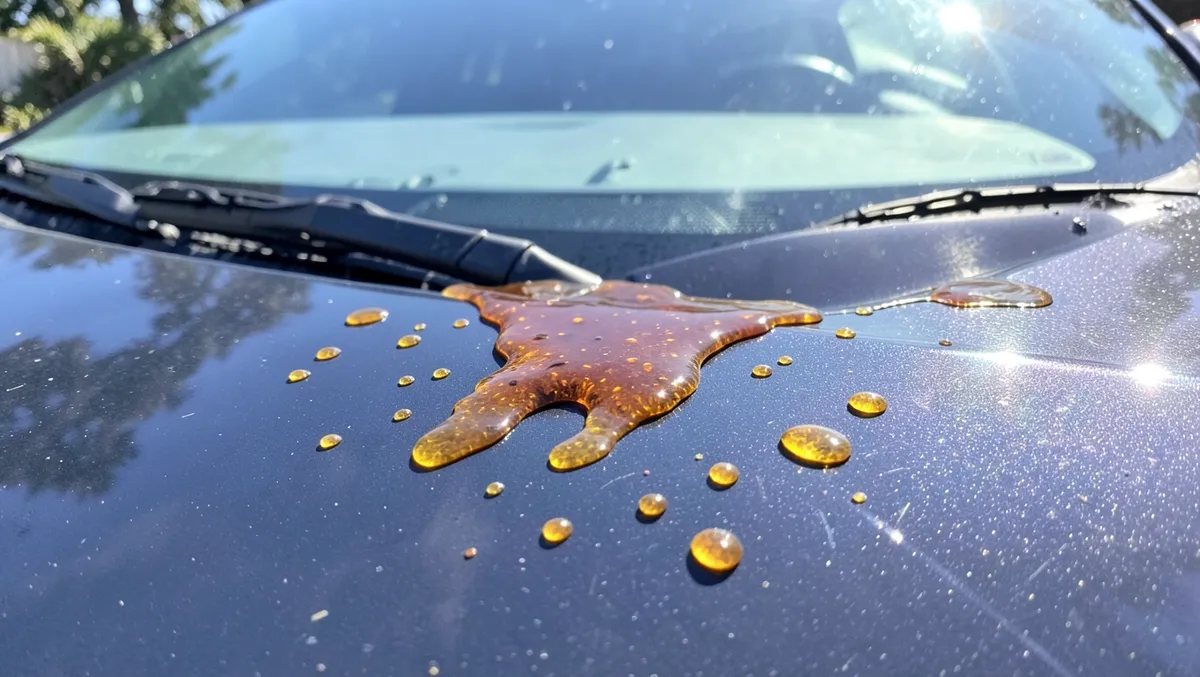
Here is the part that matters for your paint: once pine sap hits sunlight, the terpenes evaporate off and the remaining resin acids start an oxidative polymerization reaction — essentially curing into a hard, plastic-like film that chemically bonds to your clear coat instead of just sitting on top of it. The longer that reaction runs, the harder the spot gets and the more the acidic residue can soften and etch the clear coat underneath. That is why a sap drip you could wipe off in seconds on day one can take real effort to remove by day three.
How to Remove Fresh Pine Sap
If you catch the sap while it is still soft and glossy, this is the easy version:
- Wash the car (or at least the affected panel) with warm water and a car-safe soap to clear away loose dirt first.
- Soak a microfiber cloth in warm, soapy water and hold it against the sap for 20 to 30 seconds to soften it further.
- Wipe gently in one direction — do not scrub in circles, which can grind grit into soft paint.
- Rinse and dry the spot with a clean microfiber towel.
Fresh sap usually comes off this way without needing alcohol, solvents, or a commercial remover at all.
How to Remove Hardened Pine Sap
Once sap has cured into that hard, amber-colored bead, soap and water alone will not touch it. This is where you need a solvent that can break the resin bond without stripping the paint underneath.
- Pour 70–90% isopropyl alcohol onto a clean microfiber cloth — never spray it directly onto the panel, since that spreads it beyond the spot and makes it harder to control.
- Press the cloth against the hardened sap and let it dwell for 2 to 3 minutes. This gives the alcohol time to soften the resin instead of just smearing it.
- Wipe gently, checking every few passes. The sap should start lifting in small flakes rather than smearing.
- Wash the spot with soap and water to remove any leftover alcohol residue.
- Dry the area, then apply a coat of wax or paint sealant. Isopropyl alcohol strips whatever protective layer was on the paint, so skipping this step leaves that spot exposed to the next round of sap, UV, and water spots.
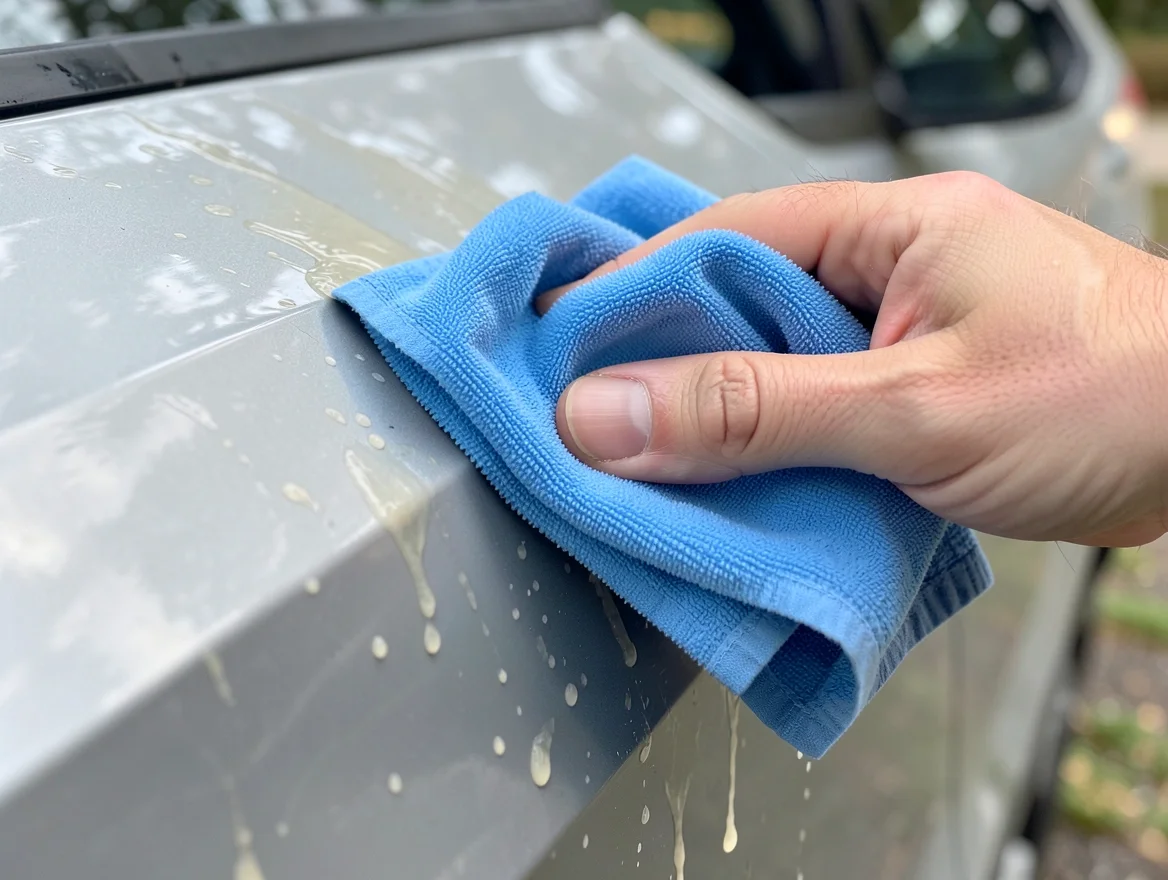
A dedicated bug-and-sap remover works the same way and is gentler than straight alcohol if you are dealing with sap on a large area, or if the paint already has some age or oxidation on it. Skip acetone, nail polish remover, and gasoline — all three can strip clear coat, and none of them are worth the risk for a job isopropyl alcohol or a proper remover already handles.
If you want the fuller walkthrough — including what to do about pollen buildup and when peanut butter actually helps versus when it just makes a mess — our guide on how to get pine pitch off a car covers the household-remedy side of this in more depth.
Why Sap Keeps Coming Back If You Park Near Pine Trees
If you are only dealing with a one-time sap drip, removal is the whole story. But if your car is parked under or near pine trees regularly, removal alone will not solve the problem — it will keep happening.
Pine trees produce the most sap during spring and early summer, when new growth pushes resin out through the bark and needles. That is also when pollen and small debris tend to fall with it, which is why a car parked under pines in April or May often ends up with a speckled, gritty coating rather than a single clean drip. Hot summer sun then re-softens any sap that already hardened, which lets it spread slightly and pick up more dust before curing again — a cycle that repeats every time the temperature swings.
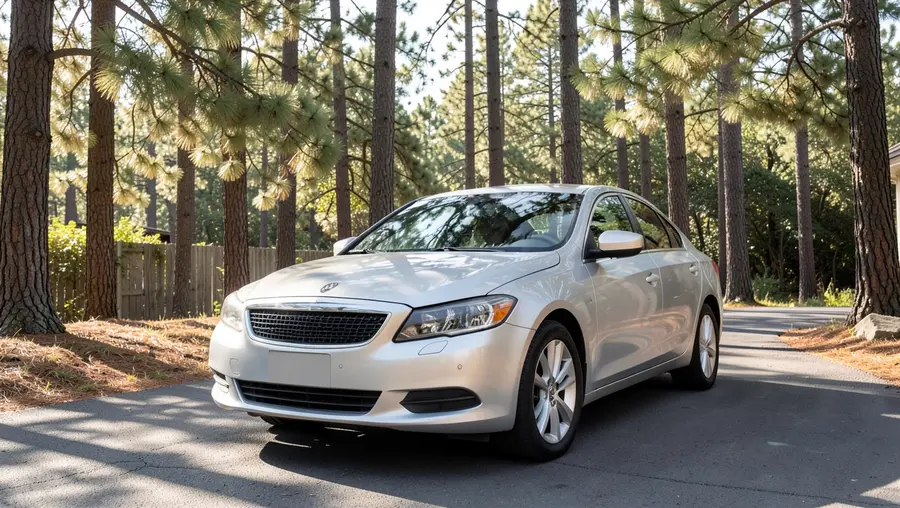
If moving your parking spot is not an option, two things cut down on how often you are scrubbing sap off:
- A ceramic spray coating or a fresh coat of carnauba wax gives sap a slicker, less porous surface to land on, so fresh drips wipe off with soap and water instead of bonding directly to bare clear coat.
- A breathable car cover stops drips from reaching the paint at all, which matters most if the car sits in the same spot for days at a time rather than just overnight.
Sap from other trees — maples, oaks, and sweetgums in particular — behaves a little differently and is often easier to remove since it carries less resin. If that is what you are dealing with instead, our full tree sap removal guide walks through the process step by step.
Watch: A Quick Sap Removal Demo
Frequently Asked Questions
How Do You Remove Dried Pine Sap From a Car Without Damaging the Paint?
Soften it first with 70–90% isopropyl alcohol or a dedicated sap remover applied to a microfiber cloth, not sprayed directly on the paint. Let it dwell for 2 to 3 minutes, wipe gently without scrubbing, then wash the spot and finish with wax or sealant to reseal the clear coat.
What Dissolves Pine Sap?
Isopropyl alcohol (70–90%), high-alcohol hand sanitizer, and commercial bug-and-sap removers all dissolve pine sap effectively. Avoid acetone, nail polish remover, and gasoline — they can strip clear coat.
Does Pine Sap Damage Car Paint?
Yes. Pine sap contains resin acids that can soften and etch clear coat over time, and UV exposure hardens the sap into a plastic-like film that bonds to the surface. The longer it sits, the more likely it leaves a dull or permanently discolored spot.
Will WD-40 Remove Pine Sap?
Yes, WD-40 can loosen pine sap. Spray it on the spot, let it sit for a few minutes, then wipe with a microfiber cloth. Wash the area afterward, since WD-40 leaves an oily film that attracts dust if left on the paint.
Is Pine Sap Worse Than Other Tree Sap?
Generally, yes. Pine sap carries a higher concentration of sticky resin acids than the sap of most deciduous trees, and it hardens into a stubborn, plastic-like coating faster once its terpenes evaporate in the sun. Sap from trees like maple or oak tends to wipe off more easily if you catch it early.
How Often Should You Check Your Car for Sap If You Park Near Pine Trees?
Check every one to two weeks during spring and early summer, when pine sap production is at its peak, and again after any hot, sunny stretch that could bake fresh drips onto sap that was already there.
Bottom Line
Fresh pine sap is a two-minute job with soap and water. Hardened sap needs isopropyl alcohol or a dedicated remover, a few minutes of dwell time, and a wax or sealant afterward to protect the paint you just cleaned. If your car sits under pine trees regularly, that last step — resealing the paint — is what actually cuts down on how often you are doing this in the first place.
Products related to this article
Sponsored / affiliate links. As an Amazon Associate I earn from qualifying purchases. I may earn additional commission from eligible campaigns.
 Car Polish, Car Spray, Quick Effect Coating Agent for Cars, Cars Shine, CarCoating Spray for Shine and Protection, Coating Agent Fast Coating Protection (5)
 Car Polish, Car Spray, Quick Effect Coating Agent for Cars, Cars Shine, CarCoating Spray for Shine and Protection, Coating Agent Fast Coating Protection (2)