How To Get Tree Sap Off Car Paint Without Damaging It
This guide will help you understand how sap sticks and how to remove it safely. We will cover easy ways to get sap off your car. You’ll learn what works best and what to avoid.
Let’s get your car looking smooth and shiny again!
Tree sap on car paint can be gently removed using specific cleaners and techniques. The key is to act quickly, use the right products, and avoid harsh scrubbing to prevent paint damage.
Quick Answer
Soften the sap with a dedicated sap remover, isopropyl alcohol, or a microfiber towel soaked in warm soapy water, let it sit for a minute to loosen, then wipe gently — never scrape. Act fast: fresh sap wipes off easily, but sun-baked sap can etch into the clear coat within days.
Understanding Tree Sap and Your Car’s Paint
Tree sap is a sticky, sugary liquid. It comes from trees. It can fall onto your car when it’s parked underneath. Sap is full of sugars. These sugars are very sticky. They bond with your car’s paint.
Sunlight makes it worse. Heat from the sun hardens the sap. This makes it stick even harder. It can also etch into the paint over time. This means it leaves a mark that’s hard to remove. It’s like the sap is becoming part of the paint.
Your car’s paint is tough, but not invincible. It has layers. The clear coat is the top layer. Sap can damage this clear coat. Once the clear coat is harmed, the paint underneath can be affected. This is why you need to be gentle.
Why Sap Sticks So Hard
Sap has natural adhesives. These help the tree heal itself. When sap lands on your car, these adhesives go to work. They grab onto the smooth paint surface. The longer it stays, the stronger the bond becomes.
Think of it like glue. Fresh glue is easier to wipe away. Old, dried glue is much harder to remove. Sap is similar. It starts sticky and then hardens. This makes your job of removing it trickier.
My Own Sap Scare
I remember one sunny Saturday. I had just washed my car. It was sparkling clean and ready for a weekend cruise. I decided to park under a big oak tree for a bit of shade. Big mistake. I was only there for an hour.
When I came back, there were little dots all over my hood. They looked like tiny amber beads. Tree sap. I’d forgotten all about it. My heart sank. I’d just spent hours detailing my car. Now this sticky mess.
I wanted to get it off right away. I grabbed a paper towel. I tried to rub it off. That just smeared it. It made a bigger, stickier mess. I started to panic a little. I didn’t want to scratch my paint. I knew I had to be careful. That day taught me a lot about dealing with sap.
Quick Sap Removal Checklist
What you’ll need:
- Microfiber towels (lots of them!)
- Car wash soap
- Bucket of clean water
- Specific car sap remover OR rubbing alcohol (isopropyl alcohol)
- Detailing spray (optional, for final polish)
Choosing the Right Sap Remover
There are special products made for removing tree sap. These are usually the safest option. They are designed to break down the sap. They won’t hurt your car’s paint. You can find them at auto parts stores.
Rubbing alcohol (isopropyl alcohol) is another option. It works well. But you must use it carefully. It can also dry out some plastics. So, avoid getting it on trim. Use a small amount on a microfiber towel. Dab it on the sap.
Some people try WD-40. It can work. But it’s oily. You’ll need to wash your car thoroughly afterward. It’s not my first choice. Always test any cleaner in a small, hidden spot first. This is important.
Gentle Sap Removal Steps
Here’s a safe way to get that sticky stuff off.
Step 1: Wash Your Car
Start with a clean surface. Wash your car as you normally would. Use a good car wash soap. Rinse it well. This removes loose dirt. It prevents scratching during sap removal.
Use two buckets. One for soapy water. One for rinsing your wash mitt. This keeps dirt from going back onto the car. Make sure your car is completely dry before you start on the sap spots.
Step 2: Apply Your Chosen Remover
Now, pick your sap remover. This could be a commercial product. Or it could be rubbing alcohol.
Take a clean microfiber towel. Dampen a small part of it with the remover. Do not spray the remover directly onto the car. Spray it onto the towel. This gives you more control.
Gently dab the sap spot with the damp towel. Let it sit for a minute. You want the remover to soften the sap. Don’t rub hard yet. Just let it soak in.
Step 3: Gently Wipe Away the Sap
After a minute, the sap should be softer. Take a clean, dry part of the microfiber towel. Gently wipe the sap away. Use a light touch. You should be able to lift the sap off the paint.
If the sap is still stubborn, apply a little more remover. Let it sit again. Then try wiping. You might need to repeat this a few times. Patience is key here.
Always wipe in one direction. Avoid circular motions at first. This helps prevent swirls. If you still see residue, repeat the process.
Step 4: Rinse and Dry
Once all the sap is gone, rinse the area with clean water. Make sure no remover is left behind. Dry the spot with another clean microfiber towel.
Step 5: Polish (Optional but Recommended)
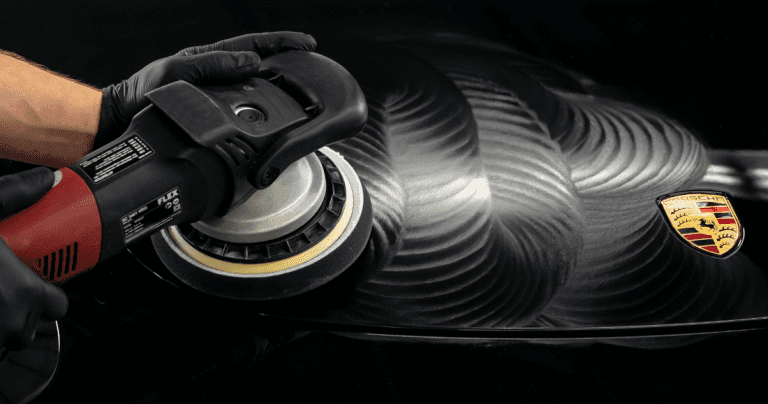
After the sap is removed, the spot might look a little dull. You can use a car detailing spray. Apply it to a clean microfiber towel. Gently polish the area. This restores the shine. It protects the paint.
Sap Removal Dos and Don’ts
Do:
- Act quickly.
- Use microfiber towels.
- Test removers in an inconspicuous spot.
- Be gentle.
- Wash your car afterward.
Don’t:
- Scrub hard.
- Use abrasive cleaners.
- Use harsh chemicals like nail polish remover.
- Use a dirty rag.
- Park under sap-dripping trees for long periods.
What NOT to Do When Removing Sap
It’s easy to make mistakes. Some common ones can damage your paint.
Avoid Harsh Scrubbing
Never scrub the sap off with force. This is the fastest way to scratch your paint. Use a dabbing motion. Let the remover do the work. Your paint will thank you.
Don’t Use Abrasive Materials
Stay away from scouring pads. Do not use rough sponges. Even paper towels can be too harsh sometimes. Microfiber is your best friend here. It’s soft and absorbent.
Steer Clear of Household Cleaners
Things like kitchen degreasers or window cleaners are not made for car paint. They can strip away wax. They might even damage the clear coat. Stick to products designed for cars. Or use rubbing alcohol with care.
Beware of Heat Guns or Blow Dryers
Trying to melt the sap off can be tempting. But too much heat can damage your paint. It can cause discoloration. Or it can make the paint blister. It’s a risky method.
Real-World Sap Scenarios
Let’s look at where and why you might find sap.
The Parking Lot Predicament
You’re at the mall or the grocery store. You park under a big, beautiful tree. It seems like a good idea at the time. You’re just running in for a bit. But when you get back, your car is covered. This is a classic.
The sap might be fresh and gooey. Or it might have started to harden in the sun. The type of tree matters too. Some trees produce stickier sap. Pines, oaks, and maples are common culprits.
The Road Trip Surprise
You’re on a long drive. You stop at a scenic overlook. You park your car for lunch. You don’t notice the sticky droplets falling. By the time you get home, you have a constellation of sap spots. These can be from various trees along your route.
The Morning Dew Dilemma
Sometimes, dew can mix with sap. This can make it even stickier. It seems to spread out. It can be harder to get off. The moisture makes it cling.
When Sap is More Than Just Annoying
Most of the time, sap is just a sticky mess. But sometimes, it can cause lasting damage.
Etching the Clear Coat
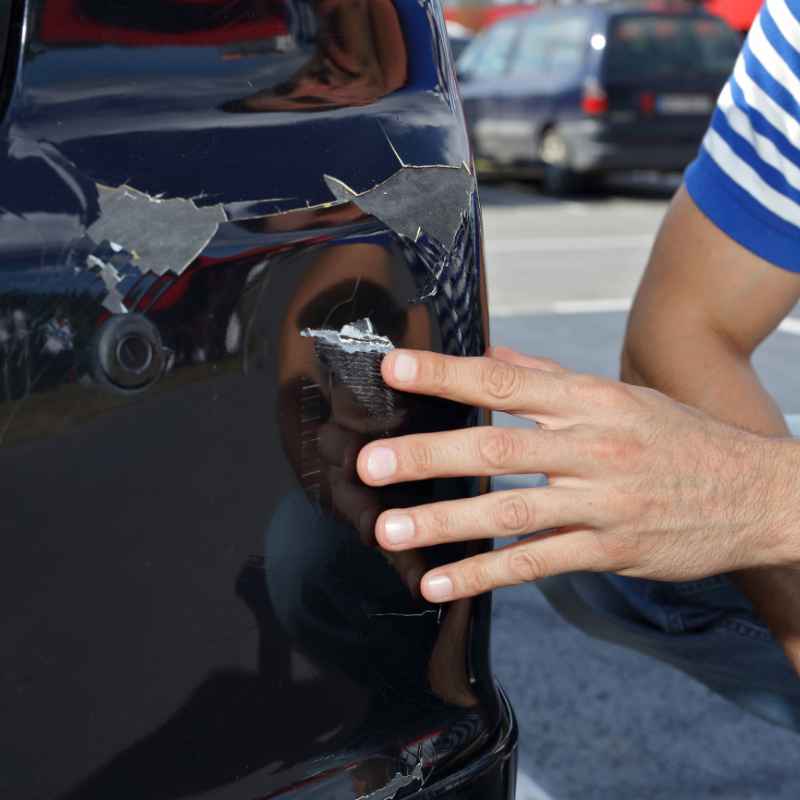
If sap sits on your paint for a long time, especially in heat, it can etch the clear coat. This means it leaves a faint mark. It looks like a dull spot. It’s hard to buff out. It might need professional attention.
This is why acting fast is crucial. The longer sap stays, the higher the risk of etching.
Attracting Dirt and Grime
The sticky nature of sap means it attracts dirt. Dust, pollen, and road grime will stick to it. This makes the spots look worse. It also means you’re not just removing sap. You’re removing all the junk stuck to it.
Preventing Sap on Your Car
The best way to deal with sap is to avoid it.
Strategic Parking
This is the most effective method. Whenever possible, avoid parking under sap-producing trees. Look for a clean spot in the sun. Or park under a shaded structure if available. It might take an extra minute to find a good spot. But it saves you trouble later.
Use a Car Cover
If you know you have to park under a tree, a good car cover can protect your paint. Make sure it’s a breathable cover. It should be soft on the inside. This prevents scratches.
Apply a Wax or Sealant
A layer of car wax or paint sealant adds a protective barrier. Sap will stick to the wax first. It’s much easier to remove sap from a waxed surface. The wax acts as a sacrificial layer. You can reapply wax after tough sap removal.
The Science Behind Sap
Tree sap is primarily made of water and sugars. It also contains resins and other organic compounds. These compounds are sticky.
They help the tree seal wounds and protect itself from insects. The exact composition varies by tree species. This is why some sap is stickier than others.
When to Seek Professional Help
Usually, you can handle sap removal yourself. But there are times when it’s best to call a pro.
Deep Etching
If the sap has etched deeply into your clear coat, you might see dull spots. These spots won’t come off with simple cleaning. A detailer can often use special polishing compounds. They can restore the shine.
Extensive Sap Coverage
If your car is covered in sap, from the roof to the doors, it can be overwhelming. A professional detailer has the tools and experience. They can tackle large jobs efficiently and safely.
Uncertainty About Your Skills
If you’re worried about damaging your car, it’s okay to let a professional handle it. They have the expertise. They know the best products and techniques for different situations.
FAQ: Your Sap Questions Answered
How quickly should I remove tree sap?
It’s best to remove tree sap as soon as you notice it. Fresh sap is much easier to remove than dried, hardened sap. The longer it sits, the more it can bond with and potentially damage your car’s paint.
Can I use toothpaste to remove sap?
While toothpaste has mild abrasive qualities, it’s not recommended for car paint. It can create fine scratches in the clear coat. It’s better to use products specifically designed for automotive paint or a very diluted solution of rubbing alcohol.
What if the sap has been on my car for a long time?
If the sap has been on your car for weeks or months, it might have etched into the clear coat. You’ll need to use a dedicated sap remover or isopropyl alcohol. You may need to repeat the process several times. If a dull mark remains, professional detailing might be necessary.
Will washing my car remove tree sap?
A regular car wash can remove very light, fresh sap. However, for hardened or heavy sap deposits, washing alone is usually not enough. You’ll need a specialized cleaner or technique to break down the sticky residue.
Is rubbing alcohol safe for all car paints?
Rubbing alcohol (isopropyl alcohol) is generally safe when used sparingly and diluted on car paint. Always test it on a small, hidden area first. Avoid getting it on plastic trim, as it can dry or damage it. Never use it undiluted on large areas.
What is the best way to protect my car from sap in the future?
The best long-term protection is to apply a good quality car wax or paint sealant. This creates a slippery barrier that makes sap and other contaminants less likely to stick. Strategic parking, avoiding sap-dropping trees, is also key.
Conclusion: Keeping Your Car Sap-Free
Dealing with tree sap on your car is a common challenge. But it doesn’t have to be a paint-ruining disaster. By understanding how sap works and using the right gentle methods, you can remove it effectively.
Remember to act fast, use soft materials like microfiber towels, and choose appropriate removers. Always test first and be patient. With a little care, your car can stay looking its best, free from sticky sap spots. Happy detailing!
Products related to this article
Sponsored / affiliate links. As an Amazon Associate I earn from qualifying purchases. I may earn additional commission from eligible campaigns.
 Car Scratch Remover for Vehicles, Car Paint Scratch Repair Kit for Light Scratches, Swirl Marks, Scuffs & Water Spots, Comes with Sponge, Safe for All Paint Colors, 100g, 1 Pack
 Car Scratch Remover,Car Paint Scratch Repair-Erase Car Scratches Scratch Repair Wax with Wipe and Sponge for Deep Scratches (5PC)