How to Remove Trim Molding on a Car: A Step-by-Step Guide for Beginners
Hey there! If you’re reading this, you’re probably looking at your car’s trim molding and thinking it’s time for a change. Maybe it’s faded, scratched, or just not your style anymore. I’ve been there, staring at my old pickup’s yellowing chrome trim, wondering how to get it off without making a mess. Removing trim molding on a car might sound tricky, but trust me, it’s something you can tackle with a bit of patience and the right tools. I’ve done it myself a few times, and I’m excited to walk you through the process step-by-step. Whether you’re sprucing up your ride for a fresh look or prepping for a paint job, this guide is for you. Let’s dive into how to remove trim molding on a car the right way, so you can do it safely and keep your vehicle looking sharp.
This article is packed with everything I’ve learned from my own experiences, from choosing tools to dealing with stubborn adhesive. It’s written for folks in the USA who love a good DIY project, whether you’re a seasoned gearhead or a first-timer. My goal is to make this as clear and friendly as possible, so you feel like I’m right there with you, handing you the tools. Let’s get started!
Why You Might Want to Remove Trim Molding
Before we jump into the how-to, let’s talk about why you’d want to remove trim molding in the first place. Trim molding—those plastic, rubber, or metal strips on your car’s doors, fenders, or bumpers—serves both style and function. It can protect your car from dings and scratches, reduce wind noise, or just add a sleek look. But over time, trim can fade, crack, or turn an ugly yellow from sun exposure. I had a 2005 SUV where the trim started peeling off, and it made the whole car look tired.
You might also want to remove trim for customization. Maybe you’re going for a cleaner, minimalist look, or you’re prepping for a new paint job. I once removed the side molding on my truck to give it a smoother profile, and it felt like a brand-new vehicle. Or perhaps you’re replacing damaged trim with something fresh. Whatever your reason, removing trim molding is a practical skill that can save you a trip to the auto shop and a chunk of change.
Tools and Materials You’ll Need
Let’s start with the essentials. Having the right tools makes all the difference, and I learned this the hard way when I tried prying off trim with a screwdriver and scratched my paint. Here’s what you’ll need to do this job right:
| Tool/Material | Purpose | Where to Get It |
|---|---|---|
| Heat gun or hair dryer | Softens adhesive for easier removal | Hardware stores or online (e.g., Amazon) |
| Plastic trim removal tools | Pry trim without scratching paint | Auto parts stores or online |
| Fishing line (20-30 lb test) | Cuts through adhesive cleanly | Sporting goods stores or online |
| Adhesive remover (e.g., 3M Adhesive Remover, Goo Gone) | Dissolves leftover glue | Auto parts stores or online |
| Nitrile gloves | Protects hands from adhesive and chemicals | Hardware stores or pharmacies |
| Microfiber cloths | Wipes away adhesive residue | Auto parts stores or online |
| Rubbing alcohol | Cleans surface after adhesive removal | Grocery stores or pharmacies |
| Plastic razor blades | Scrapes adhesive without damaging paint | Auto parts stores or online |
| Painter’s tape | Protects paint around trim | Hardware stores or online |
| Bucket with soapy water | Cleans the area before and after | Your kitchen or garage |
I recommend investing in a plastic trim removal tool kit—they’re usually under $20 and worth every penny. Metal tools can work but are riskier for your paint. If you’re on a budget, a hair dryer can substitute for a heat gun, though it might take a bit longer to soften the adhesive.
Preparing Your Car for Trim Removal
Preparation is key to avoiding headaches later. I’ve rushed into projects before and regretted it when I ended up with a scratched fender. Here’s how to set yourself up for success:
First, park your car in a shaded, well-ventilated area. Direct sunlight can make adhesive sticky and harder to work with. I learned this when I tried removing trim on a hot summer day, and the glue was like chewing gum. A garage or shaded driveway is perfect.
Next, clean the area around the trim thoroughly. Use soapy water and a microfiber cloth to remove dirt, wax, or grime. I once skipped this step and ended up with adhesive residue mixed with road dust—yuck. Dry the area completely with a clean cloth.
Apply painter’s tape around the trim to protect your car’s paint. This creates a buffer in case your tools slip. I usually put down two strips of tape, one above and one below the trim, for extra peace of mind. If the trim is near a window or rubber seal, be extra careful not to damage those parts.
Finally, gather all your tools and materials in one place. There’s nothing worse than pausing mid-project to hunt for a missing tool. I keep everything in a small toolbox so I’m ready to go.
Step-by-Step Guide to Removing Trim Molding
Now, let’s get to the fun part—actually removing the trim. Most modern car trim is held on with double-sided adhesive tape, though older vehicles might use clips or screws. I’ll cover both methods so you’re prepared for anything. Follow these steps, and you’ll have that trim off in no time.
Step 1: Identify How the Trim Is Attached
Before you start pulling, figure out what’s holding the trim in place. Most cars built after the 1990s use adhesive tape, but older models or specific trims might use clips, screws, or a combination. Check the ends of the trim for small screws or nuts, especially near door edges or weatherstripping. I once spent 20 minutes tugging on a trim piece before realizing it was bolted at one end—lesson learned!
If you’re unsure, gently lift the edge of the trim with a plastic tool to peek underneath. If you see adhesive tape, you’re dealing with glue. If you spot metal or plastic clips, it’s a clip-on system. For screws, you’ll need a screwdriver to loosen them first.
Step 2: Soften the Adhesive with Heat
If your trim is adhesive-backed, heat is your best friend. Grab your heat gun or hair dryer and set it to low or medium heat. Hold it about 6 inches from the trim and move it back and forth for 1-2 minutes. You want the adhesive to soften without melting the trim or damaging the paint. I usually test by touching the trim lightly (with gloves on) to see if it feels warm and pliable.
Be patient here—too much heat can warp plastic trim or bubble your paint. I made that mistake on my first try and had to buff out a small spot. If you’re using a hair dryer, it might take a bit longer, so give it 3-4 minutes.
Step 3: Lift the Trim Carefully
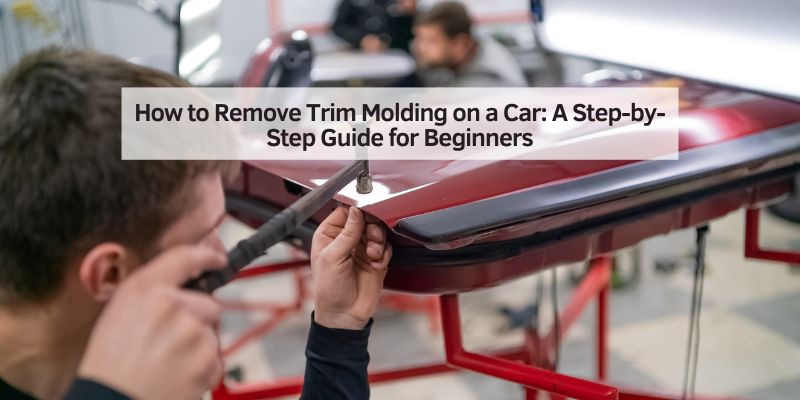
Once the adhesive is warm, it’s time to lift the trim. Start at one end of the molding. Slide a plastic trim removal tool or plastic razor blade under the edge to gently pry it up. If it resists, apply more heat for another minute. I find that a slow, steady pull works best—think of peeling a sticker off a jar.
For stubborn adhesive, try the fishing line trick. Cut a piece of fishing line about 18 inches long. Hold it taut and slide it behind the trim, moving it back and forth like you’re flossing teeth. This cuts through the adhesive cleanly. I used this on my Subaru’s side molding, and it came off like a dream.
If your trim uses clips, pry gently with a trim tool until you hear a pop. Work your way along the trim, releasing each clip. Be careful not to snap them—clips can be pricey to replace. For screw-attached trim, remove the screws first, then lift the trim off gently.
Step 4: Remove Leftover Adhesive
Once the trim is off, you’ll likely see sticky adhesive residue on your car. This part can be tedious, but it’s crucial for a clean finish. Spray a small amount of adhesive remover like 3M or Goo Gone onto the residue. Let it sit for 1-2 minutes to break down the glue. I usually work in small sections to avoid overwhelming myself.
Use a plastic razor blade or your gloved fingers to gently scrape or roll off the adhesive. It might come off in little balls, which is normal. Wipe the area with a microfiber cloth soaked in adhesive remover to get rid of any remaining stickiness. I’ve found that patience here pays off—rushing can lead to scratches.
If adhesive remover isn’t enough, try an eraser wheel. It’s a rubber wheel that attaches to a drill and removes adhesive without harming paint. I used one on a particularly stubborn trim job, and it saved me hours of scrubbing.
Step 5: Clean and Polish the Surface
After all the adhesive is gone, clean the area with rubbing alcohol and a microfiber cloth. This removes any leftover chemicals or residue. I like to follow up with a quick wash using soapy water to make sure the surface is spotless.
If you’re prepping for a new paint job or just want your car to shine, consider polishing the area with a car polish. I did this on my truck, and it made the paint look brand new. If you notice any minor scratches from the process, a light buffing compound can help smooth them out.
Tips for Avoiding Damage
I’ve made plenty of mistakes while removing trim, so let me share some tips to keep your car looking pristine:
- Go Slow: Rushing is the fastest way to scratch your paint or bend the trim. Take your time, especially when prying or pulling.
- Use Plastic Tools: Metal screwdrivers might be tempting, but they can gouge your paint. Stick to plastic trim tools or razor blades.
- Test Adhesive Remover: Some removers can damage certain paints or plastics. Test on a small, hidden area first. I learned this after a close call with my car’s bumper.
- Protect Surrounding Areas: Painter’s tape is your friend. It’s saved me from countless scratches.
- Don’t Force Clips: If a clip-on trim won’t budge, check for hidden screws or apply more heat. Forcing it can break the clips or the trim itself.
What to Do with the Trim After Removal
Once the trim is off, you have a few options. If it’s in good shape, you can store it for reinstallation later. I keep old trim in my garage in case I want to restore the original look. Wrap it in bubble wrap to prevent scratches.
If the trim is damaged or you don’t want it back on, consider recycling it. Plastic and rubber trim can often go in your local recycling bin, but check with your facility first. Metal trim might need to go to a scrap yard.
If you’re replacing the trim, measure the area carefully to ensure the new molding fits. I once bought replacement trim online, only to realize it was an inch too short—measure twice, buy once!
Common Challenges and How to Handle Them
No project is without hiccups, and I’ve hit my share while removing trim. Here are some common issues and how to tackle them:
- Stubborn Adhesive: If the adhesive won’t budge, apply more heat and let the adhesive remover sit longer. An eraser wheel can be a lifesaver here.
- Rusty Clips or Screws: On older cars, clips or screws might be rusted. Spray them with a penetrating oil like WD-40 and let it sit for 10 minutes before trying again.
- Paint Damage: If you accidentally scratch the paint, use a touch-up paint pen for small nicks or consult a professional for larger damage.
- Warped Trim: If the trim bends during removal, it’s likely not reusable. Be extra gentle with thin or old plastic trim.
Benefits of Removing Trim Molding
Taking off trim molding can transform your car’s look and make maintenance easier. Without trim, washing and waxing become simpler—no more scrubbing around those edges. I noticed my truck was much easier to detail after removing the side molding. It also gives your car a sleek, modern vibe, especially if the trim was outdated or faded.
If you’re prepping for a paint job, removing trim ensures a smoother finish with no tape lines. Plus, it’s a budget-friendly way to customize your vehicle without a major overhaul. I felt like a pro after finishing my first trim removal—it’s a small change with a big impact.
Conclusion
Removing trim molding on a car is one of those projects that feels daunting at first but is totally doable with the right approach. I remember my first time, nervously prying off the trim on my old SUV, worried I’d ruin something. But with patience, the right tools, and a bit of know-how, it turned out to be a rewarding DIY job. Whether you’re refreshing your car’s look, prepping for a paint job, or just tackling some faded trim, this guide has you covered. You’ll save money, learn a new skill, and give your car a fresh vibe.
So, grab your tools, take it slow, and enjoy the process. There’s something satisfying about peeling off that old trim and seeing your car transform. If you run into trouble, don’t stress—just revisit the steps or reach out to a local auto shop for advice. Now go make your car look amazing, and let me know how it turns out!
Frequently Asked Questions
Can I remove car trim molding without professional help?
Yes, you can! I’ve done it myself with basic tools like a heat gun, plastic trim tools, and adhesive remover. Just follow the steps carefully, go slow, and protect your car’s paint with painter’s tape.
Will removing trim molding damage my car’s paint?
If you’re careful, it shouldn’t. Use plastic tools, apply heat to soften adhesive, and test adhesive removers on a small area first. I’ve removed trim from multiple cars without issues by taking my time.
How long does it take to remove trim molding?
It depends on the car and the trim’s condition. For a single piece, it might take 30-60 minutes, including adhesive cleanup. My first time took longer because I was cautious, but it gets faster with practice.
Can I reuse the trim after removing it?
If the trim isn’t damaged, yes. Store it carefully to avoid scratches. I’ve reinstalled trim before, but you’ll need new adhesive tape or clips to secure it properly.
What’s the best adhesive remover for car trim?
I like 3M Adhesive Remover or Goo Gone. They’re effective and safe for most automotive paints. Always test on a hidden spot first and use gloves to protect your hands.