How to Rent a Car in Europe: Expert Tips Revealed
Renting a car in Europe can seem like a daunting task, but it doesn’t have to be. Imagine the freedom of exploring picturesque landscapes, charming villages, and bustling cities at your own pace.
You might be planning a romantic getaway, a family vacation, or a solo adventure. Whatever the purpose of your trip, having your own set of wheels can make the experience even more memorable. You may have questions swirling in your mind: How do you find the best deals?
What documents do you need? Are there hidden costs involved? This guide is here to unravel the complexities and provide you with clear, straightforward advice. By the end, you’ll feel confident about the entire process. So, let’s dive in and discover how to rent a car in Europe, ensuring your journey is as smooth as possible.

Credit: eatwalklearn.com
Choosing The Right Rental Company
Selecting the right car rental company in Europe ensures a smooth travel experience. Compare prices, read reviews, and check hidden fees. Choose a company with a good reputation and flexible terms to enjoy your journey.
Local Vs International Providers
Local rental companies often provide unique car options. They might have better prices. International providers offer more locations across Europe. They have more customer support. Consider your travel needs before choosing.
Reviews And Reputation
Check online reviews for rental companies. Look for feedback about customer service. See how they handle issues. Reputation matters when renting a car. Good reviews mean reliable service. Avoid companies with bad reviews.
Understanding Rental Requirements
Renting a car in Europe is simple. But there are rules. Age restrictions are common. Many companies rent to drivers 21 and older. Some countries require drivers to be 25. Younger drivers may pay more. These are called young driver fees. Always check age policies before booking.
To rent a car, you need a valid driver’s license. An International Driving Permit (IDP) is often required. It translates your license. Always carry your passport as well. You may need a credit card to book the car. Debit cards might not be accepted everywhere. Bring all documents to the rental office.
Booking Strategies
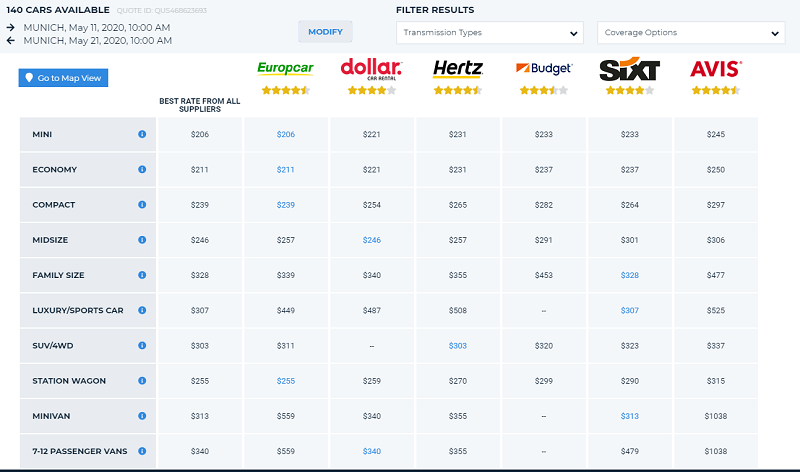
Renting a car in Europe requires careful planning. Choose a reputable rental company and compare prices online. Check for hidden fees and understand insurance options to avoid surprises.
Early Booking Benefits
Booking earlycan save you money. Many companies offer discounts for early bookings. You also get a wider choice of cars. This helps if you need a specific model. Planning ahead means less stress. You can relax knowing your car is ready. Early booking also means avoiding last-minute price hikes. Prices often go up as the rental date gets closer.
Online Vs In-person Reservations
Online reservationsare quick and easy. You can compare different companies. This helps you find the best deal. Booking online often comes with special offers. You can also read reviews from other users. This helps you make a better choice. In-person bookings let you ask questions. You might get extra advice from staff. But it can take longer than online booking. Sometimes, prices in person are higher than online.
Decoding Rental Fees
Renting a car can be tricky. Hidden charges often surprise many renters. Some companies add fees for extra drivers. Others charge for late returns. Check the contract carefully. Airport pickup may have extra costs. Look out for fuel policies. Some require a full tank on return. Others charge for refueling. Read all terms. Be aware of road taxes. These can add up quickly. Understanding these will save money.
Insurance is important. Basic insurance covers accidents. Collision Damage Waiver is common. It reduces the cost if you crash. Theft protection covers stolen cars. Some options are optional. You can skip or choose them. Always check what’s included. Ask questions if unsure. Picking the right insurance protects you and saves money.
Navigating Pickup And Drop-off
Renting a car at the airportis easy. It is also quick. You might pay more, though. City centersoften have better rates. They can be cheaper. But they are not always fast. Sometimes, it takes longer to get your car there. Think about what you need. Is time important? Or is money more crucial? Pick the one that fits best. Both have their pros and cons.
Always read the return policycarefully. Some companies allow flexible returns. Others are strict. They may charge fees for late returns. Check the time you must return the car. Is it clear? Plan so you won’t be late. Keep all the paperwork safe. It helps if there’s a problem. Knowing the rules can save you money and trouble.

Credit: www.nbcnews.com
Driving Tips For Europe
Each country has unique road rules. In Europe, driving is on the right side. Speed limits are important. Cities have lower limits than highways. Always wear seat belts. Children need special seats. Don’t use your phone while driving. Follow traffic signals. Roundabouts are common. Yield to traffic from the left. Road signs might be in different languages.
Parking spaces are often limited. Some areas need permits. Look for signs before parking. Paid parking is common in cities. Use coins or cards at meters. Toll roads exist in many countries. Pay using cash or electronic systems. Keep change ready for tolls. Some highways require vignettes. Buy them at border or online. Avoid fines by following rules.
Handling Unexpected Issues
Facing unexpected issues is common when renting a car in Europe. Always check rental terms and insurance details. Stay prepared for potential language barriers and unfamiliar road rules.
Breakdown Assistance
Cars can break down anywhere. It’s good to know what to do. Many rental companies offer breakdown assistance. Check your rental agreement for details. Call the number on your rental papers. Stay safe and wait for help. It’s smart to carry a charged phone. A charged phone is very helpful.
Dealing With Accidents
Accidents happen. Stay calm and check for injuries first. Contact emergency services if needed. Notify the rental company about the accident. Take photos of the damageand note details. Collect information from other drivers involved. This includes names and contact numbers. Follow local rules for accident reporting. Your rental company will guide you on what to do next.
Credit: www.autoeurope.com
Frequently Asked Questions
Can A Us Citizen Rent A Car In Europe?
Yes, a US citizen can rent a car in Europe. You need a valid driver’s license and a credit card. Some countries may require an International Driving Permit. Always check the specific rental company’s policies and country’s regulations before renting.
What Do You Need To Rent A Car In Europe?
To rent a car in Europe, you need a valid driver’s license and a credit card. You must meet the minimum age requirement, usually 21. An International Driving Permit might be necessary for non-EU licenses. Some companies require proof of insurance.
Always check the specific rental company’s policies.
Can You Drive A Car In Europe With An American License?
Yes, you can drive in Europe with an American license. Many countries allow it for short visits. Always check specific country regulations and consider getting an International Driving Permit for ease.
Can You Rent A Car Between Countries In Europe?
Yes, renting a car between countries in Europe is possible. Verify rental company’s policies and cross-border fees. Always carry necessary documents like passport, driver’s license, and insurance. Ensure you understand the traffic rules of each country. Booking in advance can offer better rates and availability.
Conclusion
Renting a car in Europe can simplify your travels. You gain the freedom to explore at your own pace. Remember to carry your essential documents. Compare prices online to find the best deals. Always check the car for damages before you drive away.
Understand local driving laws and road signs. This ensures a smooth journey and avoids fines. Fuel policies may vary, so clarify them early. Enjoy the flexibility a rental car provides. Your European adventure awaits, and with these tips, you’re ready to hit the road.
Safe travels and happy exploring!