How to Reset Your Car Air Conditioner: A Step-by-Step Guide
Hey there! If you’re sweating it out in your car because the air conditioner just isn’t blowing cold air anymore, I feel you. There’s nothing worse than being stuck in traffic on a hot summer day with a malfunctioning AC. I’ve been there, fiddling with the knobs, hoping for a miracle. Over the years, I’ve learned that resetting your car’s air conditioner can often fix the problem without a costly trip to the mechanic. Whether it’s a glitch in the system or a simple issue you can handle at home, I’m here to walk you through the process of resetting your car’s AC like a pro. Let’s dive into this guide and get your car feeling like an icebox again!
Why Does Your Car’s Air Conditioner Need a Reset?
Picture this: you’re cruising down the highway, windows up, expecting that cool breeze from your AC, but all you get is warm air. Frustrating, right? A car’s air conditioning system is a complex network of components—compressor, condenser, evaporator, and more—that work together to keep you cool. Sometimes, these systems can hiccup. A reset might be needed for a few reasons.
First, electronic glitches are common. Modern cars rely on computers to control the AC. A small error in the system can cause it to stop working properly. Second, low refrigerant levels can trigger the system to shut down as a safety measure. Finally, issues like a clogged filter or a faulty sensor might confuse the system, making a reset the quickest fix.
I remember the first time my AC conked out. I thought I’d need a full replacement, but a simple reset did the trick. Knowing why your AC might need a reset helps you decide if it’s something you can tackle yourself or if it’s time to call in the pros.
Signs Your Car’s AC Needs a Reset
Before you start resetting anything, let’s make sure a reset is what your car needs. Not every AC problem can be fixed with a reset, so look out for these signs.
Your AC might blow warm air instead of cold. This happened to me last summer, and I was ready to panic. Another clue is if the AC works inconsistently—cool one minute, warm the next. You might also hear strange noises, like clicking or humming, when you turn it on. If the AC doesn’t respond at all, even when you crank the dial, that’s another red flag.
Sometimes, the dashboard warning lights might give you a hint. In my old sedan, a blinking AC button was the first sign something was off. If you notice any of these symptoms, a reset could be the solution. But if the problem persists, you might have a bigger issue, like a leak or a broken compressor.
Preparing to Reset Your Car’s Air Conditioner
Okay, let’s get ready to reset your AC. Preparation is key to doing this safely and effectively. I’ve made the mistake of diving in without a plan, and trust me, it’s not fun. Here’s what you need to do first.
Park your car in a safe, shaded spot. Make sure the engine is off and the keys are out of the ignition. Pop the hood and let the engine cool down if it’s been running. You’ll also need your car’s owner’s manual. Every car is different, and the manual will have specific instructions for your make and model. If you’ve lost it, you can usually find a digital version online.
Grab a few basic tools, like a screwdriver or wrench, in case you need to access the fuse box. I keep a small toolkit in my trunk for emergencies like this. Finally, make sure you’re working in a well-ventilated area. You don’t want to be breathing in any fumes while you’re poking around under the hood.
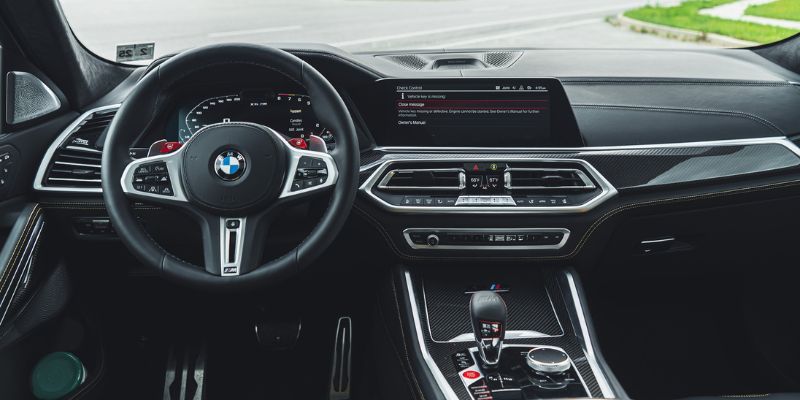
Step-by-Step Guide to Resetting Your Car’s Air Conditioner
Now, let’s get to the good stuff—how to actually reset your car’s AC. I’ve broken this down into simple steps so you can follow along, even if you’re not a car expert.
Step 1: Turn Off the AC and Engine
First things first, make sure the AC is off. Turn the temperature dial to the off position and switch off the fan. Then, shut down the engine completely. Remove the keys for safety. This ensures no power is running through the system while you’re working.
Step 2: Locate the Fuse Box
Most cars have two fuse boxes—one under the hood and one inside the cabin, usually near the driver’s side. Your owner’s manual will tell you where to find them. In my SUV, the AC fuse is under the hood, but in my old compact, it was under the dashboard.
Open the fuse box cover. You’ll see a bunch of colorful fuses. Look for the one labeled “AC” or “HVAC.” The manual or the fuse box cover usually has a diagram to help you find it.
Step 3: Remove the AC Fuse
Using a fuse puller or your fingers (carefully!), gently remove the AC fuse. Check it for damage. If the metal strip inside is broken or blackened, the fuse is blown and needs replacing. I always keep spare fuses in my glovebox because you never know when you’ll need one. If the fuse looks fine, set it aside for a minute.
Step 4: Disconnect the Battery
This step resets the car’s computer, which controls the AC system. Open the hood and locate the battery. Use a wrench to loosen the negative terminal (usually marked with a minus sign). Carefully disconnect it and wait 10–15 minutes. I usually use this time to clean my windshield or grab a drink.
Disconnecting the battery clears any electronic glitches in the system. It’s like rebooting your phone when it’s acting up.
Step 5: Reconnect the Fuse and Battery
After waiting, reconnect the negative battery terminal and tighten it securely. Pop the AC fuse back into its slot. Double-check that it’s snug. Close the fuse box and hood.
Step 6: Test the AC
Start the engine and turn on the AC. Set it to the coldest setting and crank up the fan. You should feel cold air within a minute or two. If it’s still blowing warm air, don’t worry—we’ll cover troubleshooting next.
This process worked like a charm for my neighbor’s minivan last month. It’s simple but effective for most AC glitches.
Troubleshooting if the Reset Doesn’t Work
Sometimes, the reset doesn’t fix the problem. Don’t panic—it’s happened to me too. Here are a few things to check if your AC is still acting up.
First, inspect the refrigerant levels. Low refrigerant is a common culprit. You can buy a recharge kit at any auto parts store, but be careful—overfilling can damage the system. If you’re not comfortable doing this, a mechanic can check it for you.
Next, look at the cabin air filter. A clogged filter can restrict airflow, making the AC seem weak. I change mine every year, and it makes a huge difference. You can find the filter behind the glovebox in most cars.
If you hear noises or the AC still doesn’t work, you might have a deeper issue, like a faulty compressor or a leak. At this point, I’d recommend taking it to a professional. I learned the hard way that ignoring a small problem can lead to a bigger repair bill.
Here’s a quick table to help you decide what to do next:
| Issue | Possible Cause | What to Do |
|---|---|---|
| Warm air after reset | Low refrigerant | Check levels or visit a mechanic |
| Weak airflow | Clogged cabin air filter | Replace the filter |
| Strange noises | Compressor or fan issue | Get a professional diagnosis |
| AC doesn’t turn on at all | Blown fuse or electrical issue | Replace fuse or consult a mechanic |
How Often Should You Reset Your Car’s AC?
You might be wondering if resetting your AC is something you should do regularly. In my experience, it’s not a routine maintenance task. Resetting is only necessary when you notice problems, like warm air or inconsistent cooling.
To keep your AC in top shape, focus on regular maintenance instead. Check the refrigerant levels annually. Replace the cabin air filter every 12–18 months. And keep an eye on the belts and hoses under the hood—they can wear out over time.
I made a habit of checking my AC every spring before the summer heat hits. It’s saved me from being stranded in a hot car more than once.
When to Call a Professional
I’m all for DIY fixes, but some AC problems are best left to the experts. If you’ve tried resetting and troubleshooting but the AC still isn’t working, it’s time to call a mechanic. Issues like refrigerant leaks, compressor failure, or electrical problems require specialized tools and expertise.
Last year, I thought I could fix a persistent AC issue myself. After hours of tinkering, I gave up and took it to my trusted mechanic. Turns out, there was a tiny leak in the system that I never would’ve found. Sometimes, spending a little on a pro saves you a lot in the long run.
Tips to Keep Your Car’s AC Running Smoothly
Prevention is better than a cure, right? Here are some tips I’ve picked up over the years to keep your car’s AC humming along.
Run your AC regularly, even in winter. A quick five-minute blast every few weeks keeps the system lubricated. Park in the shade whenever possible—less heat means less strain on the AC. And avoid cranking the AC to max right away; let the system warm up for a minute first.
I also keep my car’s interior clean. Dust and debris can clog the system over time. A quick vacuum every month does wonders.

Conclusion
There you go! Resetting your car’s air conditioner isn’t as scary as it sounds. With a little patience and the right steps, you can get that cool air flowing again without breaking the bank. I’ve been through this process more times than I’d like to admit, and each time, I’m amazed at how simple it can be to fix. Whether it’s a quick fuse swap or a battery disconnect, you’ve got the tools to tackle this like a pro.
If the reset doesn’t work, don’t stress—check the troubleshooting tips or call a mechanic for backup. And don’t forget to keep up with regular maintenance to avoid future headaches. Here’s to staying cool and comfortable on every drive, no matter how hot it gets outside!
Frequently Asked Questions
Why is my car’s AC blowing warm air?
Warm air usually means low refrigerant, a clogged filter, or an electronic glitch. Try resetting the system first. If that doesn’t work, check the refrigerant or take it to a mechanic.
Can I reset my car’s AC without tools?
Yes, in most cases! You might need a screwdriver to access the fuse box, but disconnecting the battery and removing the fuse can often be done by hand.
How long does it take to reset a car’s AC?
The whole process takes about 15–20 minutes. Most of that time is waiting after disconnecting the battery.
Is it safe to reset my car’s AC myself?
Absolutely, as long as you follow the steps carefully. Always turn off the engine and disconnect the battery to avoid any electrical issues.
How do I know if my AC fuse is blown?
A blown fuse will have a broken or blackened metal strip inside. Check your owner’s manual for the right fuse size and replace it with an identical one.
What if my AC still doesn’t work after a reset?
If the reset fails, you might have a deeper issue like a leak or compressor problem. Try troubleshooting with the table above or consult a professional.