How to Restore Black Plastic Trim on Your Car: A Step-by-Step Guide
Hey there, fellow car enthusiast! If you’ve ever looked at your car’s faded, chalky black plastic trim and thought, “This just isn’t cutting it,” you’re in the right place. I’ve been there, staring at my car’s dull bumper or side mirrors, wishing they could look as sharp as they did when I first drove it off the lot. Over time, those black plastic parts—like bumpers, window trim, or fender flares—lose their luster due to sun exposure, dirt, and general wear.
But don’t worry, restoring that sleek, factory-fresh look is totally doable, and I’m excited to share everything I’ve learned from my own trial-and-error journey. In this guide, I’ll walk you through how to restore black plastic trim on your car, step by step, with tips and tricks to make it easy, affordable, and long-lasting. Let’s dive in and bring that shine back!
Why Does Black Plastic Trim Fade?
You’ve probably noticed that the black plastic parts on your car don’t stay black forever. They turn gray, chalky, or even whitish over time. I used to wonder why this happens, so I did some digging. The culprit is usually a mix of UV rays, oxidation, and environmental grime. The sun’s ultraviolet light breaks down the plastic’s surface, stripping away its natural oils and leaving it dry and faded. Add in road salt, dirt, and pollution, and you’ve got a recipe for dull trim.
When I first noticed this on my SUV’s bumper, I thought I’d have to replace the whole thing. But then I learned that fading is mostly a surface-level issue. The plastic itself is still solid—it just needs some love to bring back its color and protect it from further damage. Understanding this gave me confidence that I could fix it myself, and you can too.
What You’ll Need to Get Started
Before we jump into the process, let’s talk about what you’ll need. I’ve tried a bunch of methods, and having the right tools makes all the difference. Here’s a simple list of supplies I recommend, based on what’s worked for me:
| Item | Purpose | Where to Find It |
|---|---|---|
| Car wash soap | Cleans dirt and grime from trim | Auto stores, online |
| Microfiber cloths | Gentle cleaning and applying products | Auto stores, hardware stores |
| Soft-bristle brush | Scrubs stubborn dirt without scratching | Auto stores, household section |
| Masking tape | Protects surrounding paint during restoration | Hardware stores, auto stores |
| Plastic cleaner (e.g., APC) | Deep-cleans plastic surfaces | Auto detailing shops, online |
| Plastic restorer product | Restores color and protects trim | Auto stores, online (e.g., Solution Finish, CERAKOTE) |
| Rubbing alcohol | Removes waxes or oils before restoration | Drugstores, supermarkets |
| UV protectant spray | Shields trim from future fading | Auto stores, online |
| Gloves (optional) | Keeps your hands clean | Hardware stores, supermarkets |
I usually keep these items in my garage, and most are pretty affordable. For the plastic restorer, I’ve had great results with products like Solution Finish or CERAKOTE Trim Coat, but there are plenty of good options out there. Pick one that fits your budget and has solid reviews.
Step 1: Clean the Trim Thoroughly
The first thing I do when restoring black plastic trim is give it a good wash. You’d be surprised how much dirt and gunk can build up, making the fade look worse than it is. I start by rinsing the car with water to loosen up any loose debris. Then, I mix some car wash soap with water in a bucket and use a soft-bristle brush to scrub the plastic trim gently.
Pay extra attention to textured areas, like bumper trim or fender flares, where dirt loves to hide. I once spent a good 10 minutes scrubbing my truck’s bumper, and it was amazing how much brighter it looked just from cleaning. After scrubbing, rinse thoroughly with water to make sure no soap residue is left behind. Dry the trim with a microfiber cloth to avoid water spots.
If the trim still looks grimy, I grab an all-purpose cleaner (APC). This stuff is a game-changer for cutting through tough grease or wax buildup. I apply it with a microfiber cloth, let it sit for a minute, and then rinse it off. Trust me, starting with a clean surface is key to getting great results.
Step 2: Prep the Surface for Restoration
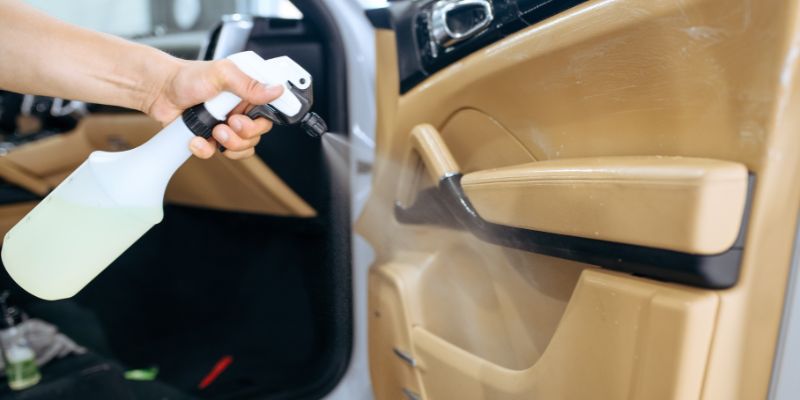
Once the trim is clean, it’s time to prep it. This step is crucial because any leftover oils or waxes can mess with the restorer product. I learned this the hard way when I skipped prepping and ended up with streaky results on my car’s side mirrors.
I use rubbing alcohol for this. Just pour some onto a microfiber cloth and wipe down the plastic trim. It removes any remaining residue and gives you a clean slate. Be sure to work in a shaded area or on a cool day—direct sunlight can make the alcohol dry too fast, leaving streaks.
If you’re working on trim that’s close to your car’s paint, like window seals or door handles, grab some masking tape. I always tape off the surrounding areas to avoid getting cleaner or restorer on the paint. It takes a few extra minutes, but it saves you from headaches later.
Step 3: Apply a Plastic Restorer Product
Now comes the fun part—bringing that black trim back to life! I’ve tried a few different plastic restorers, and they all work a bit differently, so read the instructions on your product. Most come in liquid form, and you apply them with a microfiber cloth or an applicator pad.
Here’s how I do it: I put a small amount of restorer on the cloth, then rub it into the plastic in small, circular motions. Don’t glob it on—less is more. I work in small sections, like one side of the bumper at a time, to keep things even. Some products, like Solution Finish, start showing results almost instantly. The faded gray turns into a deep, rich black right before your eyes. It’s so satisfying!
If the trim is really faded, you might need a second coat. I had to do this on my old Jeep’s fender flares, which were practically white from years in the sun. After the first coat dried (usually 10-15 minutes), I went over it again, and the difference was night and day. Just make sure each coat is fully dry before adding another.
Step 4: Seal and Protect the Trim
Restoring the trim is awesome, but if you stop there, the fade will come back eventually. I learned this after my first attempt at restoration lasted only a few months. To make it last, you need to protect the trim from UV rays and the elements.
I use a UV protectant spray designed for car plastics. These sprays add a protective layer that blocks harmful rays and keeps the trim looking fresh. I apply it the same way as the restorer—lightly, with a microfiber cloth, in small sections. Some products combine the restorer and protectant in one, which is super convenient. If yours doesn’t, give the restorer a day to cure before applying the protectant.
One tip: don’t skip this step, even if you’re tired. I did once, and my car’s trim started fading again after a few weeks of summer sun. A good protectant can keep your trim looking great for months, or even a year, depending on how much sun your car gets.
Alternative Methods I’ve Tried
Over the years, I’ve experimented with a few other ways to restore black plastic trim, especially when I didn’t have a restorer product on hand. One method is using heat. I’ve used a heat gun (on low) to gently warm the plastic, which can bring back some of the natural oils and darken the surface. But be super careful—too much heat can melt or warp the plastic. I only recommend this if you’re comfortable with a heat gun and can keep it moving to avoid hot spots.
Another trick is using peanut butter. Yes, you read that right! The oils in peanut butter can temporarily restore faded trim. I tried it once on a small patch, and it worked surprisingly well, but the effect didn’t last more than a week. Plus, it’s messy and smells weird, so I stick to dedicated products now.
Some folks swear by spray paint designed for plastic, but I’ve never gone that route. It’s more permanent, and if you mess it up, it’s tough to fix. If you’re curious about painting, use a product specifically made for automotive plastic and follow the instructions to the letter.
Maintenance Tips to Keep Your Trim Looking Great
Once your trim is restored, you’ll want to keep it that way. I’ve found that regular maintenance makes a huge difference. Here are a few things I do:
- Wash regularly: Clean the trim with car wash soap every couple of weeks to prevent dirt buildup.
- Reapply protectant: Every 2-3 months, I add another layer of UV protectant to keep the trim shielded.
- Avoid harsh chemicals: Wax removers or strong degreasers can strip the restorer off, so steer clear.
- Park in the shade: If you can, park your car out of direct sunlight. I noticed my trim stays blacker longer when I use a garage or carport.
I also keep a microfiber cloth and some protectant spray in my trunk for quick touch-ups. It’s saved me when I’ve noticed a spot starting to fade on a road trip.
Common Mistakes to Avoid
I’ve made plenty of mistakes while restoring trim, so let me save you some trouble. First, don’t skip the cleaning step. If you apply restorer over dirt, it won’t stick properly, and you’ll get uneven results. Second, don’t use too much product—more isn’t better. It can leave a greasy residue that attracts dust. Finally, don’t rush the drying process. Let each layer dry fully before moving on, or you’ll end up with streaks.
Another thing: avoid using household cleaners like bleach or abrasive scrubs. I once tried a kitchen cleaner on a small patch, and it made the plastic look worse. Stick to automotive-grade products for the best results.
Why It’s Worth the Effort
Restoring black plastic trim isn’t just about making your car look good (though that’s a big perk!). It also protects the plastic from further damage, which can save you from costly replacements down the road. Plus, it’s a project you can do in an afternoon with minimal tools. When I finished restoring the trim on my old pickup, I felt like I’d given it a new lease on life. Every time I walk up to it, that deep black trim catches my eye, and it’s such a satisfying feeling.
If you’re on the fence about doing this yourself, don’t be. It’s easier than you think, and the results are so rewarding. Whether you’re prepping your car for a show, a sale, or just your own pride, this is one project that pays off.
Conclusion
Restoring the black plastic trim on your car is like giving it a mini-makeover. It’s one of those small changes that makes a big difference, turning a tired-looking vehicle into something that feels brand new. I’ve loved figuring out the best ways to do this, from cleaning and prepping to choosing the right products. By following these steps—cleaning thoroughly, prepping the surface, applying a restorer, and sealing it with a protectant—you can bring back that factory-fresh look and keep it for months. Sure, it takes a bit of elbow grease, but the feeling of driving a car that looks sharp and well-cared-for is worth every second. So grab your supplies, pick a sunny afternoon, and give your car’s trim the TLC it deserves. You’ll be amazed at the transformation!
FAQs
What causes black plastic trim to fade?
Fading happens because of UV rays from the sun, oxidation, and exposure to dirt or road grime. The plastic’s surface loses its oils, making it look gray or chalky.
Can I use household products to restore trim?
Some household items, like peanut butter, can temporarily darken trim, but they don’t last. Automotive plastic restorers are better for long-term results.
How long does a plastic restorer last?
It depends on the product and your car’s exposure to sun, but most last 3-12 months. Regular maintenance, like applying UV protectant, can extend this.
Is it safe to use a heat gun on plastic trim?
Yes, but only on a low setting and with constant motion to avoid melting. I’d recommend sticking to restorer products unless you’re experienced with heat guns.
Can I restore trim without taping off the paint?
You can, but taping prevents accidental damage to your car’s paint. It’s worth the extra step for a clean finish.
How often should I reapply UV protectant?
Every 2-3 months is a good rule of thumb, especially if your car is parked in the sun a lot. Check the trim for fading to know when it’s time.