How to Scare Deer Away From Your Car Safely
Scaring deer away from your car is crucial for preventing dangerous accidents and protecting both yourself and the animal. Deer-vehicle collisions are a serious safety concern, especially during dawn and dusk when deer are most active. This guide will equip you with effective, humane methods to deter deer and reduce the risk of collisions on your travels.
Simply put, safely scaring deer away from your car involves using deterrents like specialized whistles, strategic lighting, and maintaining awareness of their habits, combined with cautious driving in known deer crossing areas. Early detection and prevention are key to avoiding collisions.
Key Takeaways
- Scaring deer away from your car effectively relies on proactive measures rather than reactive ones.
- Understanding deer behavior, especially their peak activity times, is vital for prevention.
- Utilizing specialized devices like deer whistles can help alert them to your approaching vehicle.
- Maintaining high visibility and employing defensive driving techniques are essential safety protocols.
- Regularly checking and maintaining your vehicle’s lights and brakes ensures readiness for emergencies.
Understanding Deer Behavior and Risks
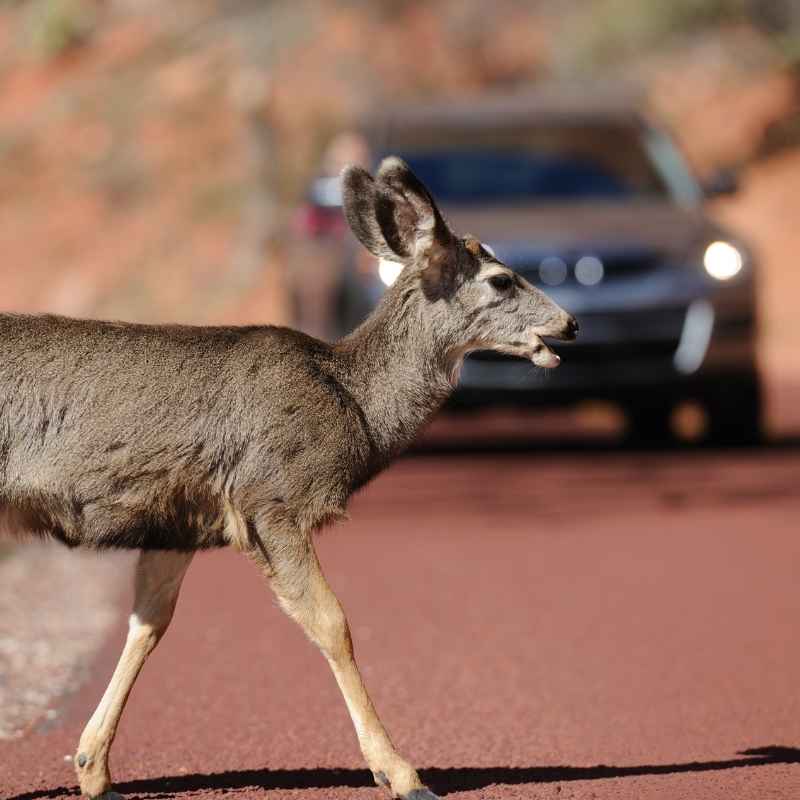
Deer are most active at dawn and dusk, coinciding with peak commuting hours for many drivers. This overlap significantly increases the risk of encounters. Factors like mating season (rut) and migration patterns can also influence their movement and unpredictability.
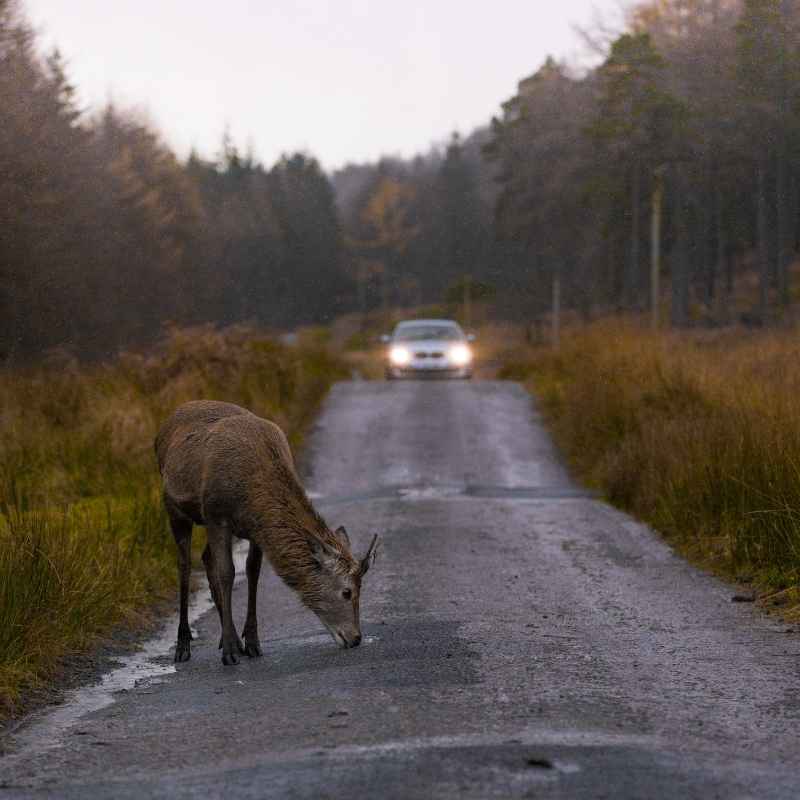
These animals are often startled by sudden movements or loud noises, which can cause them to freeze or bolt into traffic unexpectedly. Their large eyes reflect headlights, making them appear to be drawn to the light, which can be a dangerous misinterpretation for drivers. Understanding these behavioral patterns is the first step in developing a strategy to avoid collisions.
- Peak Activity Times: Primarily dawn and dusk.
- Seasonal Influences: Rut (fall) and spring migration can increase movement.
- Reaction to Stimuli: Sudden noises or lights can cause unpredictable reactions.
- Roadside Grazing: Deer are often attracted to grassy areas along roadways.
- Herd Behavior: If you see one deer, expect more to follow.
What Are Deer Whistles and How Do They Work?
Deer whistles are small devices that attach to your vehicle’s bumper or grille. They are designed to emit a high-frequency sound when the car is moving, typically between 20-60 mph, which is thought to alert deer to the vehicle’s presence. The idea is that this sound, inaudible to most humans, will make deer move off the road before you reach them.
While the scientific evidence supporting their effectiveness is mixed, many drivers report a perceived reduction in deer encounters after installation. The sound produced is a specific ultrasonic frequency that proponents believe startles or warns deer, prompting them to flee. It’s important to note that these are not guaranteed solutions and should be used in conjunction with other safety measures.
- Mechanism: Emits high-frequency sound at speeds above 20 mph.
- Placement: Attaches to the front of the vehicle (bumper, grille).
- Audibility: Designed to be inaudible to humans, but audible to deer.
- Claimed Benefit: Alerts deer to approaching vehicles, encouraging them to move away.
- Effectiveness Debate: Scientific studies have yielded inconclusive results.
Pros and Cons of Deer Whistles
| Pros | Cons |
|---|---|
| Inexpensive and easy to install. | Effectiveness is debated and not scientifically proven. |
| Provides a sense of added security for drivers. | May not work on all deer or in all situations. |
| Doesn’t require maintenance once installed. | Can become clogged with dirt or debris, rendering it useless. |
While deer whistles are a popular accessory, it’s wise to consider them a supplemental tool rather than a foolproof solution for scaring deer away from your car.
Strategic Use of Vehicle Lights
Your vehicle’s lights play a crucial role in both visibility and potential deer deterrence. Using your high beams on dark, rural roads can significantly extend your field of vision, allowing you to spot deer further in advance. This increased awareness gives you more time to react safely.
However, be mindful of oncoming traffic. Dazzling other drivers with high beams can cause accidents. When you see deer, flashing your headlights can sometimes startle them and encourage them to move.
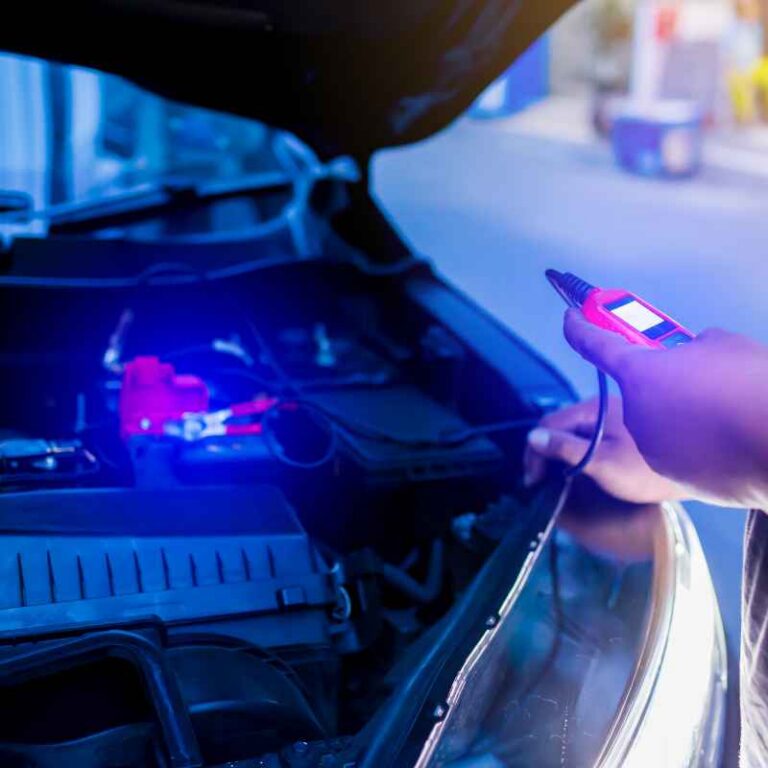
It’s also important to ensure all your lights—headlights, taillights, and brake lights—are in optimal working condition, especially when driving at night or in low-light conditions.
- High Beams: Use on dark, open roads to maximize visibility.
- Oncoming Traffic: Switch to low beams when meeting other vehicles.
- Flashing Headlights: Can sometimes startle deer into moving off the road.
- Brake Lights: Ensure they are bright and functional for signaling.
- General Visibility: Clean headlights and taillights improve effectiveness.
Important: Never rely solely on vehicle lights to deter deer. Maintain a safe speed and be prepared to brake.
Driving Techniques for Deer Hotspots
When driving through areas known for deer activity—often marked by signage—it’s imperative to adjust your driving habits. Reducing your speed is the single most effective defensive measure you can take. A slower speed allows for quicker reaction times and shorter braking distances.
Be extra vigilant during peak deer activity times. Look for the tell-tale signs of deer, such as their eyes reflecting headlights or their silhouettes at the roadside. If you see one deer, slow down significantly and be prepared for others to follow, as they often travel in herds.
Avoid swerving violently, as this can lead to loss of control and more severe accidents.
- Reduce Speed: Especially during dawn, dusk, and in rural or wooded areas.
- Scan the Roadside: Look for deer or signs of their presence.
- Be Prepared to Brake: Keep a safe following distance and be ready to stop.
- Avoid Swerving: If a collision seems imminent, brake firmly and try to maintain control.
- Watch for Herd Behavior: If one deer is seen, expect more.
- Heed Deer Crossing Signs: These indicate areas with high deer populations.
Using Auditory Deterrents (Beyond Whistles)
While deer whistles are the most common auditory deterrent, other methods can also be considered. Some drivers have found success with using their car horn intermittently when they spot deer near the road. The sudden, loud noise can startle them and encourage them to move away from the path of the vehicle.
Another approach involves using specialized ultrasonic devices that emit a broader range of frequencies. These might be mounted in different locations on the vehicle. However, like whistles, their proven efficacy is a subject of ongoing discussion.
The key is to use any auditory stimulus judiciously and without causing panic or distraction to yourself or other drivers.
- Car Horn: An effective, readily available tool to startle deer.
- Intermittent Use: Best used as a short burst when deer are spotted.
- Ultrasonic Devices: Offer a wider range of frequencies and mounting options.
- Device Maintenance: Ensure any mounted devices are clean and unobstructed.
- Human Sound: Sometimes, simply turning up your car radio might have a minimal effect.
Warning: Do not rely solely on auditory deterrents. Always prioritize safe driving speeds and attentive observation. Overuse of the horn can be disruptive.
Vehicle Maintenance for Collision Prevention
Proper vehicle maintenance is fundamental to safety, especially when it comes to collision avoidance. Ensuring your brakes are in excellent condition means you can stop more effectively if you need to brake suddenly to avoid a deer. Regularly check brake pad wear and fluid levels.
Your tires also play a critical role. Properly inflated tires with good tread depth provide optimal traction, which is essential for controlled braking and steering maneuvers. Also, keep your windshield clean, both inside and out, to maximize visibility, particularly at night and in adverse weather conditions.
| Maintenance Item | Importance for Deer Avoidance | Frequency/Check |
|---|---|---|
| Brakes | Essential for emergency stops to avoid deer. | Regularly (e.g., every oil change) and before long trips. |
| Tires | Provides crucial traction for braking and steering. | Check tire pressure weekly; inspect tread depth monthly. |
| Headlights & Taillights | Improves your ability to see and be seen. | Clean weekly; check bulbs periodically. |
| Windshield Wipers & Fluid | Ensures clear visibility in rain or other conditions. | Check wiper blade condition monthly; top up fluid as needed. |
Keeping your vehicle in top shape significantly enhances your ability to react effectively and maintain control when facing potential hazards like deer.
What to Do If a Deer Appears in Your Path
If you encounter a deer directly in your path, the most critical action is to brake firmly and steadily. Do not swerve. Swerving can lead to losing control of your vehicle, rolling it over, or veering into oncoming traffic or off the road, which can be far more dangerous than hitting the deer.
After stopping safely, turn on your hazard lights. Assess the situation. If the deer is injured or blocking the road and seems disoriented, do not approach it.
Wild animals, especially when injured or stressed, can be unpredictable and dangerous. Contact local animal control or the authorities to report the incident and seek assistance.
- Brake Firmly: Apply steady pressure to the brakes.
- Do Not Swerve: Maintain control of your vehicle.
- Stay in Your Lane: Aim to brake straight.
- Turn on Hazard Lights: Alert other drivers to the situation.
- Assess the Scene: Check for injuries to yourself and passengers.
- Report Incident: If the deer is injured or causing a hazard, contact authorities.
- Do Not Approach: Injured or stressed wildlife can be aggressive.
Alternative Deterrent Strategies
Beyond whistles and lights, other methods aim to deter deer. Some drivers have tried reflective tape or noisemakers attached to their vehicles, hoping the flashing lights or sounds will scare deer away. The effectiveness of these methods varies greatly depending on the specific product and the deer’s individual response.
Another strategy involves using scent deterrents, though these are generally more applicable to preventing deer from entering yards or gardens. However, some automotive products claim to use scent to repel animals. It’s worth noting that deer can become accustomed to repeated stimuli, so a multi-faceted approach is often more successful than relying on a single deterrent.
- Reflective Tape: Flashes when light hits it, potentially startling deer.
- Noisemakers: Devices that create sound when the car moves.
- Scent Deterrents: While less common for cars, some products exist.
- Combination Approach: Using multiple deterrents can be more effective.
- Consistency: Deer may habituate to single stimuli over time.
Frequently Asked Questions
What is the most effective way to scare deer away from my car?
The most effective approach is a combination of defensive driving, maintaining awareness of deer activity times and locations, and using your vehicle’s high beams on dark roads. While devices like deer whistles exist, their effectiveness is debated, so they should be seen as supplemental.
Are deer whistles effective in preventing collisions?
Scientific evidence on the effectiveness of deer whistles is inconclusive. Some drivers report fewer encounters, while studies show no statistically significant reduction in collisions. They are not a guaranteed solution and should be used alongside other safety measures.
When are deer most likely to cross roads?
Deer are most active and likely to cross roads during dawn and dusk. This is also when many people commute to and from work, increasing the risk of a collision. Be particularly cautious during these times.
What should I do if I hit a deer?
If you hit a deer, stop your vehicle in a safe location away from traffic. Turn on your hazard lights. Check yourself and your passengers for injuries.
Do not approach the injured animal. Call the police or local authorities to report the incident and seek assistance for the animal.
Is it safe to swerve to avoid a deer?
No, it is generally not safe to swerve to avoid a deer. Swerving can cause you to lose control of your vehicle, potentially leading to a rollover, a collision with another vehicle, or driving off the road into an obstacle. It is safer to brake firmly and try to maintain control of your car.
Final Thoughts
Safely scaring deer away from your car is primarily about vigilance, preparedness, and defensive driving. By understanding deer behavior, employing cautious driving techniques, and ensuring your vehicle is well-maintained, you can significantly reduce the risk of a dangerous collision. Always prioritize your safety and the safety of others on the road over attempting to avoid the animal at all costs.
Products related to this article
Sponsored / affiliate links. As an Amazon Associate I earn from qualifying purchases. I may earn additional commission from eligible campaigns.