How to Get Cars for Your Car Rental Business
Getting cars for a car rental business is a pivotal first step toward launching a successful venture in the automotive industry. Without a fleet, there’s no business, making strategic acquisition of vehicles crucial for immediate operations and long-term growth. This guide will walk you through the essential methods and considerations for procuring vehicles to get your car rental company off the ground and running smoothly.
Simply put, acquiring vehicles for a car rental business involves a mix of purchasing new or used cars, leasing, and potentially exploring fleet management services, each with its own financial and operational implications. Your choice depends on capital, risk tolerance, and growth strategy.
Key Takeaways
- Acquiring cars for a car rental business can be done through outright purchase (new/used), leasing, or partnerships.
- Financing options like loans, lines of credit, and leasing agreements are critical to consider for fleet acquisition.
- Diversifying your fleet with various vehicle types caters to a broader customer base and maximizes earning potential.
- Thorough research into vehicle reliability, maintenance costs, and resale value is essential for profitability.
- Understanding insurance, registration, and licensing requirements is vital before any vehicle hits the road for rental.
Understanding Vehicle Acquisition Methods
When setting out to build your car rental fleet, the first major decision revolves around how you’ll actually obtain the vehicles. There isn’t a one-size-fits-all answer, as each method carries distinct advantages and disadvantages. Your financial situation, projected rental demand, and long-term business goals will heavily influence which approach is best suited for your startup.
The most straightforward method is purchasing vehicles outright. This offers full ownership and equity in your assets, meaning you can sell them when their rental life is over to recoup some of the initial investment. However, this requires significant upfront capital.
Alternatively, you can finance the purchase through loans, spreading the cost over time but incurring interest charges.
Leasing presents another popular option, especially for businesses that want to minimize upfront costs and stay current with newer models. This involves paying a monthly fee for the use of a vehicle for a set period. At the end of the lease term, you typically return the car or have the option to purchase it.
Methods for Acquiring Your Rental Fleet
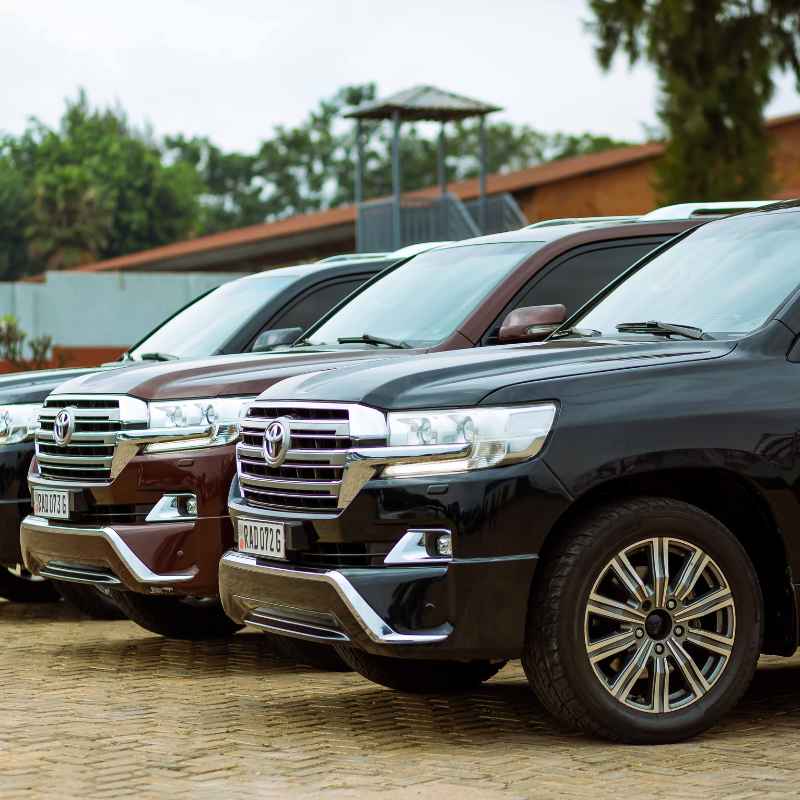
- Outright Purchase: Buying vehicles with cash or existing funds. This gives you 100% ownership and control over the vehicles.
- Financed Purchase: Securing automotive loans to buy vehicles. This allows you to acquire more cars upfront while paying over time.
- Leasing: Renting vehicles for a fixed term and mileage. This often involves lower monthly payments than loan payments and provides access to newer models.
- Fleet Management Companies: Partnering with companies that manage vehicle acquisition, maintenance, and remarketing on your behalf.
- Rental Returns: Purchasing vehicles that are coming off their manufacturer’s lease or rental fleet. These are often well-maintained and can be acquired at a discount.
Financing Your Vehicle Acquisition
Securing adequate financing is often the most significant hurdle for new car rental businesses. Without a substantial initial investment, acquiring a diverse and reliable fleet can seem impossible. Fortunately, several financing avenues are available to help entrepreneurs build their car rental inventory.
Traditional business loans from banks and credit unions are a common starting point. These require a solid business plan, good credit history, and often collateral. The advantage of a business loan is that you own the vehicles outright once the loan is repaid, building equity in your assets.
Automotive loans specifically for fleet purchases are also an option. These are often provided by specialized lenders or directly through dealerships. They can sometimes offer more favorable terms for bulk purchases.
Lines of credit can provide flexibility, allowing you to draw funds as needed for acquiring vehicles, making it easier to scale your fleet gradually.
| Financing Option | Pros | Cons |
|---|---|---|
| Business Loan | Full ownership, builds equity, potential tax benefits | Requires significant upfront capital/collateral, long approval process |
| Automotive Fleet Loan | Can offer better rates for bulk purchases, tailored for vehicles | Still requires down payment, interest accrues |
| Leasing | Lower upfront costs, access to newer models, predictable expenses | No equity, mileage restrictions, early termination fees |
| Line of Credit | Flexible, draw funds as needed, good for scaling | Interest on drawn amounts, can be variable |
Carefully evaluate your cash flow projections and repayment capabilities before committing to any financing. Consulting with a financial advisor can help you make the most informed decision for your specific business needs.
What is the Ideal Fleet Composition?
Building an effective fleet isn’t just about having enough cars; it’s about having the right cars. The ideal fleet composition for a car rental business depends on its target market, location, and the types of rentals it expects to handle. A diverse fleet ensures you can cater to a wider range of customer needs, from budget-conscious travelers to families and business professionals.
Consider the primary demographic you aim to serve. If you’re near an airport, you might need a mix of economy cars for budget travelers, sedans for business trips, and SUVs for families. If your business is located in a city with a younger demographic, compact cars and perhaps even some eco-friendly or electric vehicles might be popular.
Researching local demand is paramount.
A balanced fleet typically includes a mix of vehicle classes. Economy and compact cars are usually the most popular due to their affordability and fuel efficiency. Mid-size sedans offer more comfort, while larger SUVs and minivans are essential for families or groups.
Don’t overlook specialty vehicles like luxury cars, sports cars, or convertibles if your market supports them, as these can offer higher profit margins.
Vehicle Classes to Consider
- Economy/Compact Cars: Low purchase price, high fuel efficiency, ideal for solo travelers or couples on a budget. Examples: Toyota Corolla, Honda Civic.
- Mid-Size Sedans: More comfort and space than compacts, suitable for business travel or small families. Examples: Toyota Camry, Honda Accord.
- Full-Size Sedans: Offer premium comfort and ample legroom for longer journeys. Examples: Chevrolet Impala, Ford Taurus.
- SUVs (Compact, Mid-Size, Full-Size): Versatile, popular with families and those needing more cargo space or all-wheel drive. Examples: Toyota RAV4, Ford Explorer, Chevrolet Tahoe.
- Minivans: Perfect for larger families or groups needing maximum passenger and cargo capacity. Examples: Honda Odyssey, Chrysler Pacifica.
- Luxury Vehicles: High-end sedans and SUVs for customers seeking premium experience and willing to pay more. Examples: BMW 5 Series, Mercedes-Benz GLE.
- Specialty Vehicles: Sports cars, convertibles, trucks, or electric vehicles (EVs) to target specific niches and capture higher rental rates. Examples: Ford Mustang Convertible, Tesla Model 3.
When building your fleet, aim for a mix that reflects demand but also allows for flexibility. You might start with a core of popular sedans and SUVs and gradually add specialty vehicles as your business grows and you better understand your customer base.
Where to Source Your Rental Cars
The origin of your vehicles significantly impacts your startup costs, the condition of your fleet, and your maintenance schedule. Sourcing cars involves careful consideration of price, reliability, and availability. You’ll likely use a combination of sources to build a balanced and cost-effective fleet.
New car dealerships are a primary source for brand-new vehicles. While this offers the latest models with full warranties and minimal initial maintenance concerns, it comes with the highest purchase price. Many dealerships offer fleet programs that can provide volume discounts and specialized services for businesses buying multiple cars.
Used car dealerships and independent sellers are another avenue. Purchasing used vehicles can dramatically reduce upfront costs. However, it’s crucial to thoroughly inspect any used car for mechanical issues, accident history, and overall condition.
Opting for certified pre-owned vehicles can offer a good balance between cost savings and peace of mind, often including extended warranties.
Sourcing Channels for Fleet Vehicles
- New Car Dealerships (Fleet Programs): Access to the latest models, manufacturer warranties, potential discounts for bulk purchases.
- Used Car Dealerships: Wide variety of makes and models, lower initial cost compared to new.
- Certified Pre-Owned (CPO) Programs: Used cars that have undergone rigorous inspection and often come with extended warranties, offering a good risk-reward balance.
- Auctions (Public & Dealer): Can offer significant savings, but require expertise to identify good buys and avoid problematic vehicles. Riskier but potentially high reward.
- Rental Company Liquidation Sales: Major rental companies regularly sell off their older fleet vehicles. These are often well-maintained and can be purchased at competitive prices.
- Online Marketplaces: Platforms like eBay Motors, Craigslist, or specialized fleet sales websites can list vehicles from various sources.
- Direct from Manufacturers: Some manufacturers have programs for businesses to acquire vehicles directly, especially for specialized fleets.
When buying used, always run a vehicle history report (e.g., CarFax, AutoCheck) and ideally, have a trusted mechanic perform a pre-purchase inspection. This due diligence can save you considerable money and headaches down the line.
Key Considerations for Vehicle Selection
Choosing the right vehicles goes beyond just picking a brand and model. Several critical factors should guide your selection to ensure your fleet is profitable, reliable, and appealing to your target customers. Overlooking these aspects can lead to higher operating costs and lower customer satisfaction.
Reliability is paramount. A rental car that is constantly in the shop is a car that isn’t earning revenue. Research vehicle reliability ratings from reputable sources like Consumer Reports, J.D.
Power, and automotive industry reviews. Opt for makes and models known for their durability and low incidence of common mechanical issues.
Fuel efficiency directly impacts your operating costs. In a competitive rental market, being able to offer vehicles that customers perceive as economical can be a significant selling point. Consider the average mileage you expect for each vehicle and compare the fuel economy of different models.
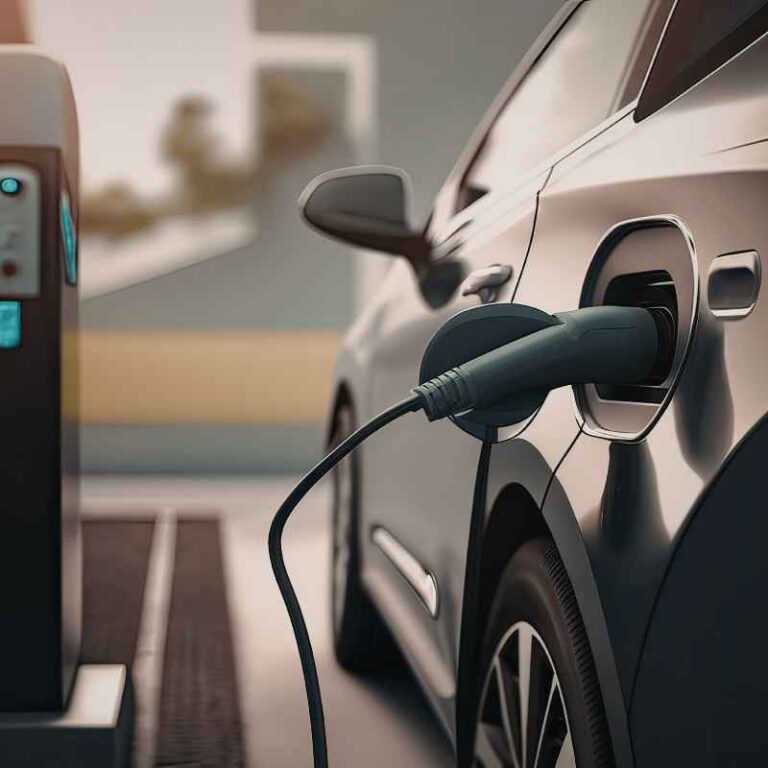
Hybrid and electric vehicles (EVs) are increasingly popular and can offer savings, but require consideration of charging infrastructure and customer familiarity.
| Selection Factor | Why it Matters for Rentals | Key Questions to Ask |
|---|---|---|
| Reliability | Minimizes downtime, reduces repair costs, ensures customer satisfaction | What are the common failure points? What is the warranty? |
| Fuel Efficiency | Lowers operating costs, attractive to budget-conscious renters | What is the MPG (city/highway)? Are there hybrid/EV options? |
| Maintenance Costs | Impacts profitability; readily available parts reduce downtime | Are parts expensive? Are they easy to find? What are typical service intervals? |
| Resale Value | Affects the equity you recoup when you retire vehicles from your fleet | Which models hold their value best? What is the expected depreciation? |
| Customer Appeal | Modern, comfortable, and well-equipped vehicles attract more renters | Does it have desired features (Bluetooth, backup camera, etc.)? Is it aesthetically pleasing? |
The total cost of ownership, including purchase price, depreciation, maintenance, insurance, and fuel, should be calculated for each potential vehicle. Aim for a balance between upfront cost and long-term operational expenses.
Dealing with Insurance and Registration
Once you have acquired your vehicles, getting them properly insured and registered is a critical legal and operational step. Operating a rental car business without adequate insurance is not only risky but also illegal in most jurisdictions. The specific requirements can vary significantly by state or country.
Commercial auto insurance is distinct from personal auto insurance. It’s designed to cover the liabilities associated with operating a business that rents vehicles to the public. This typically includes comprehensive and collision coverage for your fleet, as well as liability coverage that protects you if one of your rental cars is involved in an accident while being driven by a customer.
You will need to secure appropriate commercial auto insurance before your vehicles are rented out. Many insurance providers specialize in commercial fleet insurance. It’s advisable to shop around and get quotes from multiple insurers to find the best coverage at a competitive rate.
Be transparent with your insurer about the nature of your business and the projected mileage and usage of your fleet.
Essential Insurance and Registration Steps
- Obtain Commercial Auto Insurance: This is non-negotiable. Ensure it covers liability, comprehensive, and collision for your entire fleet.
- Understand Coverage Limits: Work with your insurer to determine adequate coverage limits based on the value of your vehicles and potential risks.
- Register Vehicles: Each vehicle must be registered with the relevant state or local authorities. This often involves obtaining commercial license plates.
- Secure Business Licenses: You’ll likely need a general business license and potentially specific permits for operating a car rental service.
- Maintain Records: Keep meticulous records of all insurance policies, registration documents, and any claims filed.
- Understand Customer Insurance Requirements: Decide whether customers will use their own insurance, purchase your insurance options, or if you will require them to buy coverage from you.
- Stay Updated on Regulations: Laws and regulations regarding car rental businesses, insurance, and vehicle operation can change. Ensure you remain compliant.
Failure to comply with insurance and registration laws can result in hefty fines, suspension of your business operations, and significant legal liabilities. Proactive compliance is key to protecting your business and your customers.
Maintenance and Depreciation Strategies
Managing the ongoing maintenance of your fleet and understanding how depreciation affects your assets are crucial for long-term profitability. A well-maintained fleet not only ensures customer satisfaction and safety but also helps retain value, minimizing losses when it’s time to sell.
Regular preventative maintenance is the cornerstone of a reliable fleet. This includes scheduled oil changes, tire rotations, brake inspections, and fluid checks. By adhering to manufacturer-recommended service intervals, you can catch minor issues before they become major, costly repairs.
Consider partnering with a reliable local mechanic or a fleet service center that offers consistent service and potentially fleet discounts.
Depreciation is the gradual loss of a vehicle’s value over time due to age, mileage, and wear and tear. For a car rental business, this is a significant factor as your vehicles will accumulate high mileage quickly. Strategic fleet management involves understanding your vehicles’ depreciation curves to know when it’s most financially advantageous to retire them from your rental fleet and sell them. Hertz learned this the hard way with its electric fleet — after EV depreciation ran far steeper than expected, the company was forced into a multi-billion-dollar sell-off of nearly 30,000 vehicles.
Typically, many rental companies refresh their fleets every 2-4 years or after a certain mileage threshold (e.g., 50,000-70,000 miles) to maximize resale value and minimize repair costs associated with older, high-mileage vehicles.
Fleet Management Strategies
- Implement a Preventative Maintenance Schedule: Follow manufacturer recommendations rigorously for oil changes, tire rotations, brake checks, and fluid services.
- Establish Relationships with Mechanics: Find trusted auto shops or mobile mechanics that offer fleet services and potential discounts.
- Track Maintenance Records: Keep detailed logs for each vehicle, including all service dates, repairs performed, and parts replaced.
- Monitor Vehicle Condition: Regularly inspect vehicles for wear and tear, interior cleanliness, and any mechanical issues.
- Develop a Fleet Rotation Plan: Decide on a mileage or age threshold for retiring vehicles from active rental duty.
- Understand Depreciation Curves: Research the resale value of your chosen models at different mileage points and ages to optimize selling times.
- Consider Extended Warranties: For newer vehicles, an extended warranty can cover unexpected major repairs and offer peace of mind.
Investing in good maintenance and strategic fleet rotation can significantly boost your profitability by reducing repair bills and maximizing the return on your vehicle assets when you sell them.
Frequently Asked Questions
What is the minimum number of cars needed to start a car rental business?
While there’s no strict legal minimum, most experts recommend starting with at least 3-5 vehicles. This allows for some diversity in your fleet and ensures you have a backup if one car is out of service for maintenance or repair. Starting with too few vehicles can limit your rental capacity and revenue potential.
Can I rent cars I own personally to my business?
Generally, it’s not advisable. Personal auto insurance policies typically exclude commercial use, including rentals. You need dedicated commercial auto insurance for any vehicles used in your rental business to ensure proper coverage and avoid claim denials.
How long should I keep cars in my rental fleet?
This varies, but many rental companies cycle their fleets every 2 to 4 years or after they reach 50,000 to 70,000 miles. This balance helps maximize resale value, minimize repair costs, and maintain customer appeal with relatively new vehicles.
What are the biggest mistakes new car rental businesses make regarding vehicles?
Common mistakes include underestimating the total cost of ownership (including maintenance and insurance), not diversifying the fleet, purchasing unreliable vehicles, and failing to secure adequate commercial insurance. Overlooking legal and regulatory compliance is also a major pitfall.
Are electric vehicles (EVs) a good investment for a new rental fleet?
EVs can be a strong option due to lower running costs and customer appeal, but they require careful consideration of charging infrastructure availability, charging times (which can impact availability), and customer familiarity. Start with a small number of EVs to test the market and infrastructure in your area.
Final Thoughts
Successfully getting cars for your car rental business requires a strategic approach to acquisition, financing, and fleet management. By carefully selecting reliable vehicles, securing appropriate financing and insurance, and implementing a robust maintenance plan, you lay a solid foundation for a profitable and reputable rental service. Prioritize understanding your market and customer needs to build a fleet that drives your business forward.
Products related to this article
Sponsored / affiliate links. As an Amazon Associate I earn from qualifying purchases. I may earn additional commission from eligible campaigns.