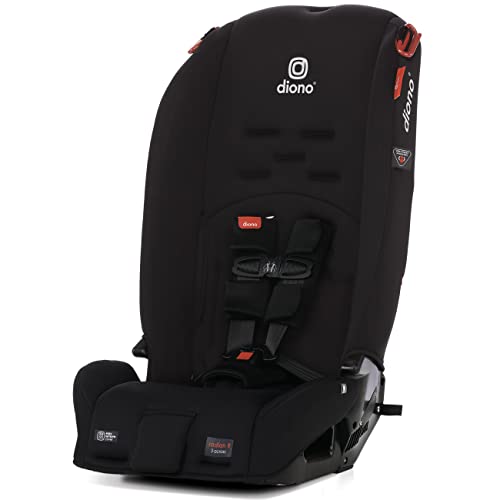
Britax Car Seat Review: Is Britax Worth It for Families?
Britax is worth the price only if the model fits your car, installs correctly, and gives you about 7 years of use. If those pieces do not line up, the premium is hard to justify. A poor fit can mean repeated installation failures, daily frustration, and a seat you replace sooner than planned. This guide judges Britax by install success, real-vehicle fit, and long-term value, not brand marketing.
This guide is part of our Car seat safety and installation guide series.
Verdict


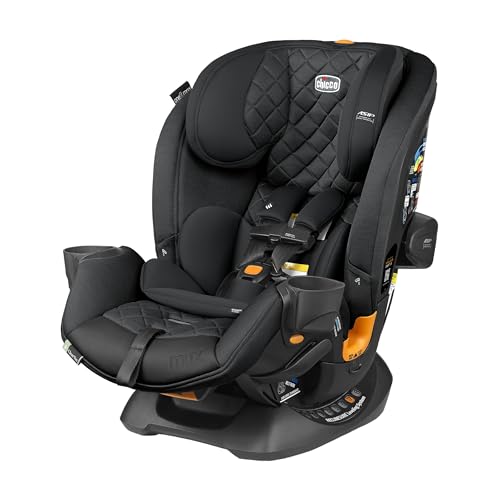
For many families, the best Britax picks are the Poplar for a slimmer convertible with long rear-facing use, the Boulevard ClickTight for added protection features, and the One4Life ClickTight if you want one seat to last from birth through booster years. The weak spots are price, bulk, and the fact that some Britax seats are wider than their slim reputation suggests in a three-across row.
Pros and cons
- Pros: ClickTight can reduce installation mistakes; several models offer long rear-facing use; some seats add an anti-rebound bar and dual-layer side impact protection; no-rethread strap designs reduce daily re-fit work.
- Cons: Britax often costs more than comparable Graco options; some models are heavy and wide; LATCH is not always the simpler choice; value varies a lot by model, so the brand is not an automatic buy.
Who it’s for
Britax suits parents who want a seatbelt install that feels more straightforward than many traditional systems, families planning to keep one seat for many years, and drivers trying to avoid repeat installation errors. It is a weaker fit if you need the narrowest possible three-across setup or want the lowest upfront price.
📊 Britax Poplar has a slim 17-inch profile. Source: Britax Poplar Car Seat Review.
Specs at a glance
Britax sells rear-facing only, convertible, and harness-to-booster car seats across US and Europe product lines. The brand also makes strollers and travel systems, but the value question here is about the seats themselves and how they fit your vehicle, your child, and your budget over time.
| Model | Type | Stage | Install method | Fit risk | Estimated cost per year of use |
|---|---|---|---|---|---|
| Britax Poplar | Convertible | Rear-facing toddler to forward-facing preschooler | ClickTight seatbelt install; LATCH may be used if allowed by the manual | Moderate in compact cars; lower than many bulkier Britax seats because of the 17-inch profile | About $38/year if spread across its 10-year expiration period |
| Britax Boulevard ClickTight | Convertible | Rear-facing infant/toddler to forward-facing child | ClickTight seatbelt install; LATCH alternative where weight rules allow | Moderate to high in small cars and three-across rows because added protection hardware can add bulk | About $35 to $45/year, depending on sale price and how long your child fits it |
| Britax One4Life ClickTight | All-in-one | Birth to booster years | ClickTight seatbelt install; LATCH use depends on stage and vehicle limits | High in narrow back seats because all-in-one seats tend to be larger and heavier | Often the lowest long-run cost per year if used from birth through booster age |
| Britax Willow | Convertible | Lower-cost ClickTight convertible option | ClickTight seatbelt install; LATCH alternative may still be available | Moderate; still needs a careful check in smaller vehicles | Usually better value than higher-trim Britax seats if it fits your vehicle well |
Who is Britax best for?
Britax is best for parents who want fewer installation mistakes, want a seat that can stay in service for a long time, and are willing to pay more for that convenience. It is less appealing if your top priority is the lowest purchase price or a very narrow footprint for three-across seating.
Fewer installation mistakes
ClickTight is the main reason many shoppers look at Britax. The system is designed to make a seatbelt install more intuitive than older belt-path setups, which matters if you move the seat between vehicles or hate second-guessing whether the install is snug enough.
Long service life
Britax fits families who want one seat to last through multiple stages. The brand’s convertible and all-in-one seats can cover a long window, and that matters more than a flashy feature list if you are trying to stretch the cost across years instead of months.
Small cars and three-across buyers
Britax can work in compact cars, but it is not the automatic answer for a tight rear bench. If your back seat already has two occupied positions, a wider Britax shell can make buckling the middle passenger harder, and the install may require more trial and error than the marketing suggests.
What works about Britax
Britax’s best trait is not a single safety claim. It is the way installation, fit adjustment, and long usable life come together in a few models. That combination can save time and reduce the odds that the seat is left slightly loose, too upright, or outgrown too soon.
ClickTight and why it is easier to install with a seatbelt
ClickTight is Britax’s differentiator. Instead of wrestling with a tight belt path and guessing at the right amount of pressure, you open the panel, route the vehicle seatbelt, close it, and let the system help lock things down. For many parents, that means fewer installation errors and less re-checking after the first drive.
That said, easier does not mean universal. Some vehicles still create awkward buckle angles or limited space for the panel to close, so a ClickTight seat can still be the wrong choice in a particular car.
Long rear-facing use on selected models
The Poplar is designed for children between 5 and 65 lb and can be used rear-facing up to 50 lb. That is valuable because rear-facing use usually buys more time before forward-facing is needed. The Boulevard ClickTight also supports extended rear-facing use, with a rear-facing range of 5 to 40 lb. (consumerreports.org)
Say your toddler is tall for age and already brushing the rear-facing shell in a smaller seat. A higher rear-facing limit can delay the next purchase, which is the practical benefit that matters more than the label on the box.
No-rethread strap and day-to-day fit adjustments
No-rethread strap systems matter because strap height can change as your child grows. Instead of taking the seat apart to move straps, you can adjust the strap position with less friction. That is not glamorous, but it is one of the features parents notice every week.
Anti-rebound bar and side impact protection on selected models
Some Britax seats include an anti-rebound bar, which helps reduce rotation during a rear-facing impact. Others add two layers of side impact protection. Those features do not eliminate crash forces, but they do add hardware and structure that some buyers want when comparing higher-priced models.
What does not work about Britax
Britax is not a clean win. The brand’s higher prices only make sense if you value the install system, the fit, or the longer use period. If those pieces do not line up with your vehicle or your child’s stage, the extra money buys a bigger seat, not necessarily a better purchase.
Price versus Graco and Chicco
Britax often costs more than similarly sized Graco and Chicco seats. Graco usually wins on upfront value, especially in the convertible category, while Chicco can be appealing when you want an all-in-one design and a more moderate price than Britax’s top trims. If the Britax model does not solve a specific problem, the premium is hard to defend.
Bulk and width in compact cars
Britax seats can be bulky. The Poplar’s 17-inch profile is relatively slim for the brand, but other models are less friendly in small cars or across a narrow rear bench. Three-across setups are where the brand’s size can become a real issue, especially if you need room for buckles, shoulders, and a center passenger.
A common first-timer mistake is assuming ClickTight means every Britax seat will feel easy in every car. It does not. The install may be simple, but the seat itself can still block door clearance or crowd the adjacent seat.
LATCH is not always the best answer
Lower Anchors and Tethers for Children, or LATCH, is a standard US installation system, but it comes with weight-limit considerations. Seatbelt installation may be the better long-term choice for heavier children or when the vehicle manual limits lower-anchor use. Britax’s strength is that it gives you a strong seatbelt option through ClickTight, which can be simpler once you understand it.
Which Britax car seat should you buy?
Choose the Britax model that matches your child’s stage and your vehicle first, then judge price. The right seat for a compact sedan is not the same as the right seat for a minivan with room to spare, and Britax’s value changes a lot by model.
Britax Poplar: best for slim fit and long rear-facing use
The Poplar is the clearest answer if you want a slimmer Britax convertible. It is designed for children between 5 and 65 lb, can be used rear-facing up to 50 lb, offers 14 height positions, has a 17-inch profile, and carries a 10-year expiration date. The listed price range is $307.55 to $349.99, so it is not cheap, but it does target the parent who needs space efficiency more than flashy extras.
Buy it if you need a narrower convertible and want to stay rear-facing longer. Skip it if your back seat is already tight enough that even a slim seat might still interfere with a neighboring passenger or a raised buckle stalk.
Britax Boulevard ClickTight: best for added protection features
The Boulevard ClickTight is for buyers who want the extra protection hardware and are willing to pay for it. It rear-faces from 5 to 40 lb, forward-faces from 20 to 65 lb, and includes an anti-rebound bar plus two layers of side impact protection. It makes the most sense when those features matter more to you than the last dollar of value.
Buy it if you want the added hardware and are less concerned with keeping the purchase lean. Skip it if your main goal is the narrowest or lightest possible convertible seat.
Britax One4Life ClickTight: best for one-seat longevity
The One4Life ClickTight is the brand’s all-in-one answer for parents who want a seat that can last from birth through booster years. Britax lists it at 5 to 120 lbs, which is the clearest “buy once” pitch in the lineup. It is the right direction if you want to avoid buying a separate infant seat and then another booster later.
Buy it if you value long service life and do not mind a larger seat. Skip it if your car is small, your back seat needs to stay flexible, or you expect to move the seat often.
Britax Willow: best for lower-cost ClickTight buying
The Willow is the budget-minded way into Britax’s ClickTight family. It still follows the convertible formula, with rear-facing use from 5 to 40 lb and forward-facing use from 20 to 65 lb, but it makes more sense when you want Britax convenience without paying for the top-tier trims.
Buy it if you want a cheaper path into ClickTight. Skip it if you need the narrowest seat in the lineup or want the longest rear-facing ceiling available from Britax.
Britax model-by-model value table
| Model | Child stage | Install method | Vehicle-fit risk | Estimated cost per year of use | Buy if | Skip if |
|---|---|---|---|---|---|---|
| Poplar | Convertible, from toddler use through preschool years | ClickTight seatbelt install; LATCH only if your manual and weight rules allow it | Moderate; slimmer than many Britax seats, but still worth checking in compact cars | About $38/year based on the 10-year expiration date and the listed price range | You want a slim Britax seat and longer rear-facing time | You need the cheapest seat or the narrowest three-across layout |
| Boulevard ClickTight | Convertible, with added rear-facing room and forward-facing strap use | ClickTight seatbelt install; LATCH as a secondary option where appropriate | Moderate to high; protection hardware can make it less friendly in tighter rows | Typically higher than value convertibles because you are paying for extra protection features | You want anti-rebound and dual-layer side impact protection | You prioritize compact size or lower upfront cost |
| One4Life ClickTight | All-in-one, from infant through booster years | ClickTight seatbelt install; LATCH only where allowed and practical | High in small vehicles because all-in-one seats are usually the biggest compromise | Potentially the best long-run value if you truly use it through booster stage | You want one seat to cover nearly everything | You switch cars often or need a tight three-across fit |
| Willow | Convertible, with a lower entry price than some other Britax options | ClickTight seatbelt install | Moderate; still requires a real fit check in smaller cars | Usually the best value if you want Britax convenience without top-trim pricing | You want ClickTight and a lower entry price | You need the most feature-rich Britax seat |
How does Britax compare with Graco and Chicco?
Britax wins when install confidence matters most. Graco usually gives better value for the money, especially if you want a capable convertible seat without paying Britax pricing. Chicco can be the smarter buy when you want an all-in-one model with a strong convenience story and a lower sticker price than many Britax options.
The practical split is simple. Pick Britax when ClickTight solves a problem you actually have. Pick Graco when you want strong everyday value and can live with a more traditional install. Pick Chicco when an all-in-one layout makes more sense than a premium convertible.
Where Britax wins
Britax has a real edge in installation confidence. That matters if you plan to move the seat between vehicles, install it once and leave it, or simply want a system that reduces guesswork.
Where Graco or Chicco can be better
Graco often wins on price-to-feature ratio. Chicco can beat Britax on all-in-one value if you do not need the Britax-specific install system. When the seat fits well and the price is lower, that is the smarter buy.
Should you buy Britax?
Buy Britax if ClickTight solves your biggest headache, if you want a seat that can stay in service for years, and if the model you choose fits your car without causing a three-across problem. Skip it if the seat is too wide, too expensive, or more complicated than a Graco or Chicco alternative that fits just as well.
Best reasons to buy now
You want a seatbelt-based install with less guesswork. You plan to keep the seat for a long time. You need a model like the Poplar for slim fit or the One4Life for long-term use from birth through booster stage.
Best reasons to skip
Your car is small, your back seat is already crowded, or you are trying to hit a lower budget. If a standard seat installs correctly and gives you enough room, Britax may add cost without adding much day-to-day benefit.
Frequently asked questions
Is Britax worth it compared with Graco or Chicco?
Britax is worth it when ClickTight, rear-facing time, or long-term use solves a real problem in your car. Graco is often better on value, and Chicco can be the smarter all-in-one buy. If the Britax model does not fit better or install more confidently, the premium is hard to defend.
Which Britax car seat models are available?
Britax offers rear-facing only, convertible, and harness-to-booster car seats. In practice, that means you can shop for infant-stage seats, convertible seats, all-in-one seats, and booster-capable models. The lineup is broad, but the value depends heavily on the exact seat and your vehicle fit.
What is ClickTight and is it actually easier to install?
ClickTight is Britax’s seatbelt installation system. It is designed to reduce install mistakes by making the belt path and tightening process more straightforward than many traditional setups. It is often easier, but not every vehicle gives it enough space to work comfortably.
How long can a Britax convertible seat be used rear-facing?
It depends on the model. The Poplar can be used rear-facing up to 50 lb, while the Boulevard ClickTight rear-faces from 5 to 40 lb. Rear-facing limits matter because they determine whether the seat can keep your child rear-facing longer before a forward-facing switch is needed.
Are Britax car seats good for small cars or three-across setups?
Sometimes, but not always. Britax has a slim model in the Poplar, yet some seats are still bulky enough to be awkward in compact cars or three-across rows. Measure the back seat, check buckle spacing, and confirm that adjacent seats can still be clicked in safely.
What is the weight and height range of Britax infant, convertible, and booster seats?
Britax lists rear-facing only seats at 4 to 30 lbs and 17 to 32 inches, rear-and-forward-facing seats at 5 to 120 lbs and 18 to 63 inches, and forward-facing only seats at 30 to 120 lbs and 35 to 63 inches. Those ranges help explain why one model may fit a newborn while another is built for older kids.
Does Britax make seats for newborns and older kids in one model?
Yes. The One4Life ClickTight is the clearest example, covering 5 to 120 lbs. That makes it the brand’s one-seat longevity option for families who want a single purchase that can stretch from infancy into booster years, assuming the seat fits your vehicle well enough to live with every day.
Products related to this article
Sponsored / affiliate links. As an Amazon Associate I earn from qualifying purchases. I may earn additional commission from eligible campaigns.