How To Shift A Car The Right Way: Beginner’S Guide
To shift a car the right way, you need to smoothly coordinate the clutch pedal, accelerator, and gear shifter. Press the clutch fully to disengage the engine, move the shifter to the desired gear, then slowly release the clutch while gently pressing the accelerator. Practicing this coordination is key to avoiding jerks and stalling.
Understanding How Shifting Works
Think of your car’s gears like a set of different speeds. Lower gears give you more power to get moving. Higher gears let you go faster more easily.
The engine makes power. This power needs to get to the wheels. The clutch is a special part that connects and disconnects the engine from the transmission.
The transmission holds all the gears. When you press the clutch pedal, you’re telling the car to temporarily stop sending power. This lets you safely change gears.
When you’re in a low gear, like first, your engine turns many times for each time the wheels turn. This gives you a lot of force to start moving from a stop. As you speed up, you want to use a higher gear.
In higher gears, the engine doesn’t need to spin as fast to keep the wheels turning. This is more fuel-efficient and makes for a quieter, smoother ride at faster speeds. The goal is to match the engine’s speed to the car’s speed when changing gears.
This matching of speeds is what the clutch helps with. When you press the clutch down, the engine’s spinning parts and the transmission’s spinning parts are separated. This means they can spin at different speeds without causing a problem.
When you let the clutch out, they start to connect again. If their speeds are close, the connection is smooth. If the speeds are very different, it can feel jerky or even cause the engine to stall.
My First Time Stalling
I remember my very first time trying to drive a manual car. It was my dad’s old pickup truck. He sat me down in the driver’s seat.
The clutch pedal felt huge under my foot. He explained about the “friction point.” He said it’s where the clutch starts to grab. He told me to press it all the way down.
Then, put it in first gear. I did that. He said to slowly lift my foot.
I lifted it. Suddenly, the engine made a sad, dying sound and stopped. The truck lurched forward a tiny bit.
I had stalled. My face felt hot with embarrassment. My dad just chuckled.
He said, “Happens to everyone. Try again.” That little bit of understanding and patience made all the difference. It showed me that mistakes are part of learning.
The Core Components: Clutch, Shifter, and Pedals
Let’s talk about what you’ll be using. There are three main pedals. The one on the left is the clutch pedal.
You must press this all the way down when starting from a stop or changing gears. In the middle, you have the brake pedal, just like in an automatic. On the right is the accelerator pedal, also called the gas pedal.
You use this to control your speed.
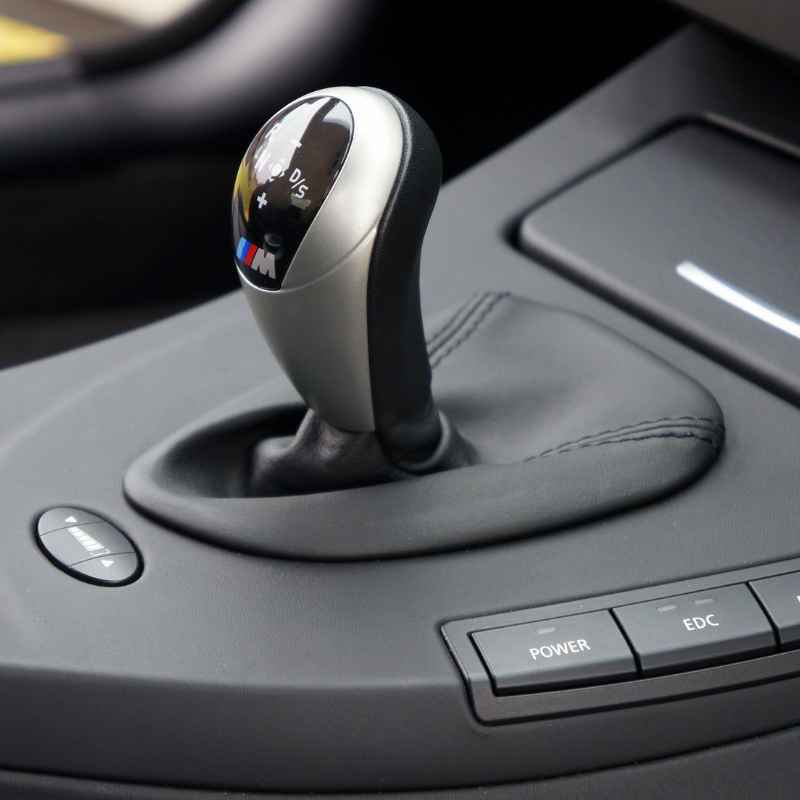
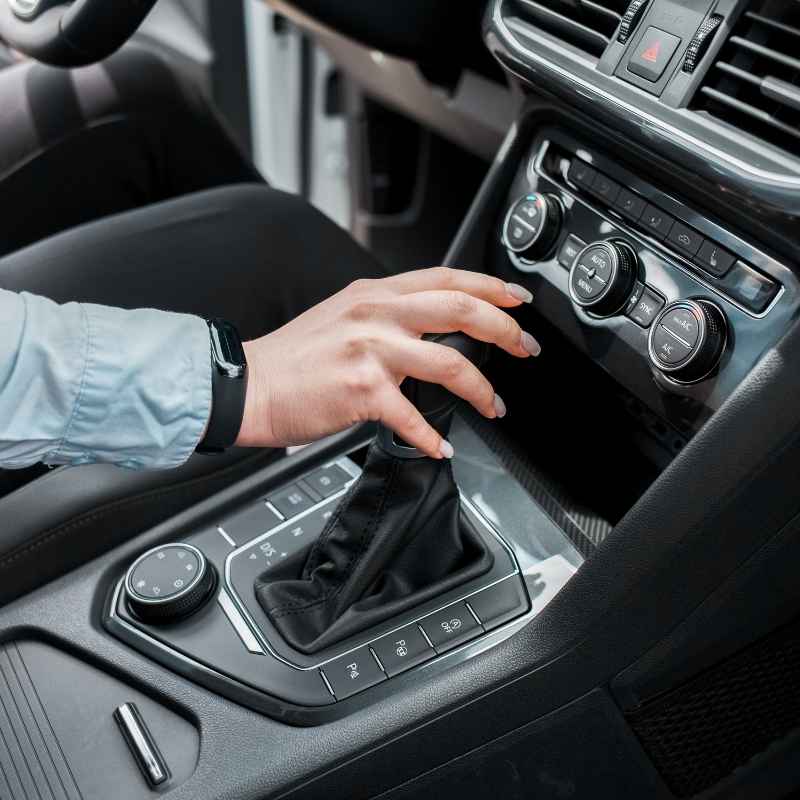
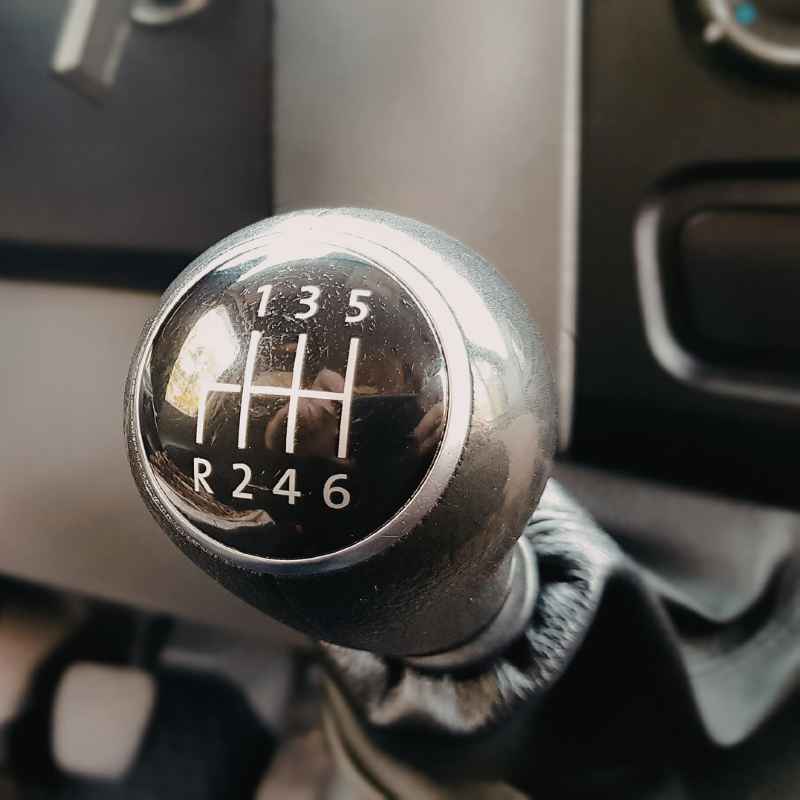
The gear shifter is usually between the front seats. It has numbers or symbols for each gear: 1, 2, 3, 4, 5, and sometimes 6. There’s also R for reverse and N for neutral.
Neutral means the engine is not connected to the wheels, so the car won’t move even if you press the gas. You’ll need to get familiar with where each gear is. Most shifters have a diagram on top, or you can look up a diagram for your specific car model.
Key Parts Checklist:
Essential Driving Controls
- Clutch Pedal: Leftmost pedal. Fully disengages engine from transmission.
- Brake Pedal: Middle pedal. Slows or stops the car.
- Accelerator Pedal: Rightmost pedal. Controls engine speed/power.
- Gear Shifter: Lever to select gears (1, 2, 3, R, N, etc.).
Starting the Car Smoothly
Getting your car moving without a jolt is the first big step. First, make sure the car is in neutral. You can check this by wiggling the gear shifter.
If it moves freely side to side, it’s in neutral. Press the clutch pedal all the way to the floor. This is crucial.
With the clutch pressed, turn the ignition key to start the engine. Listen to the engine. It should sound smooth.
Now, you need to find that friction point again. While keeping the clutch pedal all the way down, gently press the accelerator just a little. You want to hear the engine RPMs go up slightly.
Then, very slowly start to lift your foot off the clutch pedal. As you lift, feel for a point where the engine sound changes. The car might start to creep forward slightly.
This is the friction point. It’s where the clutch is starting to connect the engine to the transmission.
Once you feel that point, hold your foot there for a second. You might need to give it a tiny bit more gas to keep the engine from stalling. Then, slowly lift the rest of the way off the clutch.
The car should start moving forward smoothly. If you lift too fast, the car might jerk or stall. If you don’t give enough gas, it might stall too.
It takes a few tries to get the feel for it.
Quick Start Checklist:
Smooth Start-Up Steps
- Ensure shifter is in Neutral (N).
- Press clutch pedal fully to the floor.
- Start the engine.
- Gently press accelerator to raise engine RPM slightly.
- Slowly release clutch pedal until you feel the friction point.
- Hold at friction point, adding a little more gas if needed.
- Slowly release clutch pedal the rest of the way.
Shifting Up Through the Gears
Once you’re moving, you’ll need to shift into higher gears. Let’s say you’re in first gear and have reached about 10-15 miles per hour. You’ll notice the engine sound gets louder and the car feels like it’s revving high.
This is your signal to shift up. You’ll shift into second gear. Again, press the clutch pedal all the way down.
As you do this, take your foot off the accelerator. Move the gear shifter from first to second gear. Then, slowly release the clutch pedal again, while gently pressing the accelerator.
The goal is to make this transition as smooth as possible.
The speed at which you shift up depends on the car and how you’re driving. For normal driving, you don’t need to rev the engine very high. Listen to the engine.
When it sounds like it’s working hard, it’s probably time to shift. For example, when going from second to third gear, you might be around 20-25 mph. The process is the same: clutch down, gas off, shift to third, clutch up smoothly, gas on gently.
Repeat this for all the gears.
Key to Smooth Up-Shifting:
Smooth Up-Shift Technique
Action: Clutch Down (fully)
Timing: As you lift off the accelerator.
Action: Shift Gear (e.g., 1st to 2nd)
Timing: While clutch is down.
Action: Clutch Up (slowly, find friction point)
Timing: As you gently press accelerator.
Action: Accelerator On (gently)
Timing: While releasing clutch.
What About Downshifting?
Downshifting is the opposite of upshifting. You do this when you need to slow down or need more power for climbing a hill or passing. Let’s say you’re in fourth gear and need to slow down to turn a corner.
You’ll want to shift into second or third gear, depending on your speed. Again, press the clutch pedal all the way down. Take your foot off the accelerator.
Move the shifter to the lower gear. Then, slowly release the clutch. This is where things can feel a bit different.
For a smooth downshift, you often need to give the accelerator a little blip (a quick press and release) just as you’re releasing the clutch.
Why the blip? When you shift down, the transmission needs to spin faster to match the engine’s lower gear. By pressing the accelerator, you speed up the engine a bit.
This helps match the speeds better. If you don’t blip, or if you release the clutch too quickly, you might feel a noticeable jerk. This is the engine braking strongly.
For beginners, it’s often easier to just press the clutch, shift, and release the clutch without a blip. You can add the blip later as you get more comfortable. Just focus on a smooth, controlled release of the clutch.
Downshifting Scenarios:
When to Downshift
- Slowing for turns: To have better control and be ready to accelerate out of the turn.
- Approaching hills: To get into a gear that provides enough power to climb without straining the engine.
- Passing other vehicles: To get into a lower gear for more acceleration.
- Stopping: You’ll eventually shift down through the gears as you slow to a stop.
The Art of Braking and Stopping
Stopping a manual car smoothly also involves the clutch. As you approach a stop sign or red light, you’ll start to brake. As the car slows down significantly, you’ll need to press the clutch pedal.
If you don’t, the engine will try to keep turning the wheels at a speed the engine can’t handle, and it will stall. You should press the clutch when the car is going at a speed where the current gear would normally cause the engine to lug or stall. For most cars, this is around 5-10 mph.
So, the sequence is: start braking gently. As the car slows, and before it reaches that critical low speed, press the clutch pedal all the way down. Keep the clutch down until you come to a complete stop.
Once stopped, you can shift the gear into neutral. Then you can completely release the clutch pedal. If you need to start moving again, you’ll repeat the starting process from neutral.
Stopping Sequence:
Smooth Stopping Steps
- Begin braking gently.
- As car slows to a slow speed (approx. 5-10 mph), press clutch pedal fully down.
- Keep clutch down until car stops completely.
- Shift gear into Neutral (N).
- Release clutch pedal.
A Real-World Driving Scenario
I remember a particularly tricky intersection I had to navigate daily. It was a busy street with a short, sharp hill right after the intersection. Coming up to the light, I’d be in second or third gear.
The light would turn green. I’d start to release the clutch and give it gas. But as the car hit the bottom of the hill, I’d feel it start to struggle.
If I didn’t shift quickly enough, or give it enough gas, it would start to roll backward. I’d panic, slam the clutch back in, and try again. Sometimes I’d get it right, other times I’d stall.
It was frustrating. Then, I learned to anticipate. I started downshifting into first gear earlier, before reaching the bottom of the hill.
I’d make sure I had enough gas to power up the incline. It was about reading the road ahead and being prepared. That experience taught me that driving a manual is not just about the mechanics; it’s about understanding the car’s needs in different situations.
Common Mistakes and How to Avoid Them
Many new drivers make similar mistakes when learning to shift. One of the biggest is not pressing the clutch pedal all the way down. This can cause the gears to grind or make it hard to shift into gear.
Always aim to push that pedal firmly to the floor. Another common issue is releasing the clutch too quickly. This is what leads to stalling or jerky movements.
Take your time. Feel for that friction point. Slowly releasing the clutch allows the engine and transmission speeds to match up.
It makes for a smooth ride.
Riding the clutch is another habit to avoid. This means keeping your foot resting on the clutch pedal even when you’re not actively shifting. This can cause the clutch to wear out much faster.
When you’re not shifting or starting from a stop, rest your left foot on the floor or the dead pedal (a footrest on the left). Finally, trying to shift too early or too late can also cause problems. Listen to your engine.
When it sounds like it’s straining, it’s time to shift up. If you’re losing speed and the engine is revving low, you might need to downshift.
Mistake vs. Solution Table:
Common Manual Shifting Errors
| Mistake | How to Avoid It |
|---|---|
| Not pressing clutch fully | Always push clutch pedal to the floor. |
| Releasing clutch too fast | Slowly find friction point; release gradually. |
| Riding the clutch | Rest left foot on floor when not using clutch. |
| Grinding gears | Ensure clutch is fully disengaged before shifting. |
| Stalling the engine | Coordinate clutch release with gentle accelerator input. |
Practice Makes Perfect
Learning to drive a manual car takes practice. Don’t get discouraged if it feels difficult at first. Find a safe, empty parking lot or a quiet road.
Spend time just getting a feel for the clutch pedal. Practice starting and stopping repeatedly. Focus on making each start and stop smoother than the last.
Once you’re comfortable starting and stopping, begin practicing shifting into second gear and back. Then try third. The more you do it, the more your body will remember the movements.
Your brain and muscles will learn to work together automatically.
Driving instructor feedback can be invaluable. If possible, take a lesson with someone experienced in teaching manual transmission. They can spot your specific issues and offer tailored advice.
Also, try to drive in different conditions. Practicing on a flat road is different from practicing on a hill. Each situation presents new challenges and opportunities to learn.
Remember that every driver you see who drives a manual car learned this way. They all went through the same learning curve.
Practice Tips:
Effective Practice Strategies
- Find a large, empty space (parking lot, quiet road).
- Start with just clutch control: practice engaging and disengaging.
- Focus on smooth starts and stops.
- Gradually practice shifting through all gears.
- Practice on inclines to learn hill starts.
- Seek feedback from an experienced driver or instructor.
- Be patient with yourself; progress takes time.
Understanding Your Car’s RPMs
The tachometer, or RPM gauge, is your best friend when learning to shift. It shows you how fast the engine is spinning. For most cars, you’ll want to shift up somewhere between 2,000 and 3,000 RPM for normal driving.
If you shift too early, you might not have enough power. If you shift too late, the engine will sound noisy and you’ll be using more fuel than needed. As you gain experience, you’ll start to get a feel for the engine sounds and know intuitively when it’s time to shift.
When you’re learning, watch the tachometer. As you accelerate, notice how the RPMs climb. When you shift, observe how the RPMs drop.
This drop is normal and expected. The larger the gear change (e.g., 1st to 5th), the bigger the RPM drop will be. As you get better, you’ll also learn to use the RPMs for downshifting.
If you need to slow down and are in 4th gear, and the car is going too slow for 4th, you might downshift to 3rd. You’ll see the RPMs jump up when you do this. This tells you the engine is now spinning at a speed appropriate for that lower gear.
RPM Guidance:
RPMs and Gear Changes
Normal Up-Shifting: Shift between 2,000 – 3,000 RPM.
Lugging Engine: Engine sounds strained at low RPM in too high a gear.
Redlining: Engine spinning too fast (above 4,000-5,000 RPM for most cars); shift up.
Downshifting: RPMs will increase; match to speed for smooth transition.
Driving on Hills: A Special Challenge
Hills are often where new manual drivers feel the most pressure. The fear of rolling backward is real. The key to a smooth hill start is to use the handbrake (parking brake) or the foot brake to hold the car still while you get ready.
First, when stopped on the hill, engage the parking brake firmly. Put the car in first gear. Then, start the process of finding the clutch friction point, just like you would on a flat surface.
As you feel the clutch start to grab and the engine RPMs begin to rise slightly, slowly release the parking brake. You might need to give it a bit more gas than usual. The car should then move forward smoothly without rolling back.
Alternatively, you can use the foot brake. Stop on the hill with your right foot on the brake. With your left foot, press the clutch down and start to find the friction point.
Give it a little gas. As you feel the car wanting to move forward, quickly move your right foot from the brake to the accelerator. This requires a bit of coordination.
It’s often called a “quick foot” technique. For many, using the parking brake is an easier and safer method when learning. It gives you more time to coordinate the clutch and gas.
Hill Start Technique:
Hill Start Steps (with Parking Brake)
- Stop on the hill and apply the parking brake firmly.
- Press clutch pedal all the way down.
- Shift into first gear.
- Gently press accelerator.
- Slowly release clutch until friction point is felt and engine sound changes.
- Hold at friction point, giving more gas if needed.
- Slowly release parking brake.
- As car moves forward, fully release clutch.
The Role of Engine Braking
Engine braking is a useful technique in a manual car. It happens when you take your foot off the accelerator. The engine’s resistance slows the car down.
This is especially helpful when going down hills. Instead of constantly riding the brakes, which can cause them to overheat, you can use a lower gear. For example, if you’re going down a long, steep hill, you might shift from fifth gear into third or fourth.
This makes the engine work harder to slow the car. It uses less wear on your brakes.
You experience engine braking every time you downshift. The reason the engine RPMs jump up is because the engine is now controlling the speed of the wheels more directly. This resistance helps slow your momentum.
It’s a natural part of driving a manual. You’ll learn to use it to your advantage. It helps maintain control and reduces the need for constant braking.
Think of it as using the engine as an additional brake. It’s a skill that comes with practice and understanding.
When to Seek Professional Help
If you’re struggling significantly and feel like you’re just not getting it, don’t hesitate to find a professional driving instructor. They are trained to teach people how to drive manual cars. They have seen it all and know how to break down complex actions into simple steps.
They can provide personalized feedback and identify specific habits you might have developed that are holding you back. Sometimes, a few hours of professional instruction can make a world of difference. It can save you a lot of frustration and help you learn faster and more safely.
A good instructor will also teach you about defensive driving and road safety, which are crucial for any new driver.
Frequently Asked Questions
What is the friction point of the clutch?
The friction point is the spot on the clutch pedal where the clutch begins to engage. It’s where the engine starts to connect with the transmission, allowing the car to move. You feel it as a slight change in engine sound or a subtle creep forward.
How do I know when to shift gears?
You should shift gears based on your car’s speed and the engine’s sound. Generally, for normal driving, shift up when the engine RPMs reach around 2,000-3,000. Listen to your engine; if it sounds like it’s straining or getting too loud, it’s time to shift up.
If you’re slowing down significantly, you’ll need to downshift.
What happens if I stall the car?
If you stall the car, the engine stops running. Don’t panic. Press the clutch pedal all the way down.
Put the gear shifter into neutral. Then, turn the ignition key to restart the engine. Once the engine is running smoothly again, you can try starting off again.
Is it bad to grind my gears?
Yes, grinding your gears is bad for the transmission. It means you likely didn’t press the clutch pedal all the way down, or you shifted too slowly. This causes the gear teeth to clash instead of meshing smoothly.
It can cause wear and damage to the transmission over time. Always ensure the clutch is fully depressed before shifting.
How long does it take to learn to drive a manual car?
The time it takes varies greatly from person to person. Some people pick it up in a few hours, while others may take several days or weeks of practice. Consistent practice in a safe environment is the key to learning effectively.
Most people can become competent drivers within a few weeks of regular practice.
Can I drive an automatic car after learning manual?
Absolutely! Learning to drive a manual car can actually make you a better driver overall. The coordination and understanding of the drivetrain you gain from driving a manual can help you be more aware of how an automatic car operates.
You’ll likely find driving an automatic very easy and comfortable after mastering a manual.
Final Thoughts on Shifting Right
Mastering a manual transmission is a rewarding skill. It gives you a greater connection to your car and makes driving more engaging. Remember to be patient with yourself.
Each drive is a new opportunity to practice and improve. Focus on smooth clutch control, proper pedal coordination, and listening to your engine. You’ll soon be shifting gears like a pro.
Enjoy the journey of learning and the freedom that comes with confidently driving any car.
Products related to this article
Sponsored / affiliate links. As an Amazon Associate I earn from qualifying purchases. I may earn additional commission from eligible campaigns.