How Do You Drive a Stick Shift Car? Clutch, Gears & RPM Timing
Driving a stick shift car means pressing the clutch fully, selecting a gear, and easing off the clutch as you add gas — all three pedals work together, not one at a time. Release the clutch too fast without enough gas and the engine stalls; ride it too long and you wear the clutch disc down faster. This guide covers starting from neutral, shifting by RPM, hill starts without rolling back, and the two mistakes that stall beginners most.
[Insert your Affiliate Disclosure reusable block here]
How to Drive a Stick Shift Car in 6 Steps
Here is the full clutch-to-gas sequence in order. Practice each step slowly before speeding up.
- Engage the clutch and find neutral: Press the clutch pedal fully to the floor with your left foot and shift the gearstick into neutral.
- Start the engine: Turn the key or press the start button while still holding the clutch down — most manual cars have a safety switch that won’t let the engine start otherwise.
- Select first gear: Shift into first, then slowly lift your left foot off the clutch while gently pressing the gas with your right foot.
- Find the friction point: Feel for the point where the car starts to pull forward on its own, then ease off the clutch completely once you’re rolling smoothly.
- Shift up by RPM: As the engine revs climb (roughly 2,500–3,500 RPM in normal driving), press the clutch, move the stick to the next gear, and release.
- Stop without stalling: Press the clutch fully before you come to a complete stop so the engine keeps running, then brake to a halt.
The 3 Pedals You’ll Use in a Manual Car
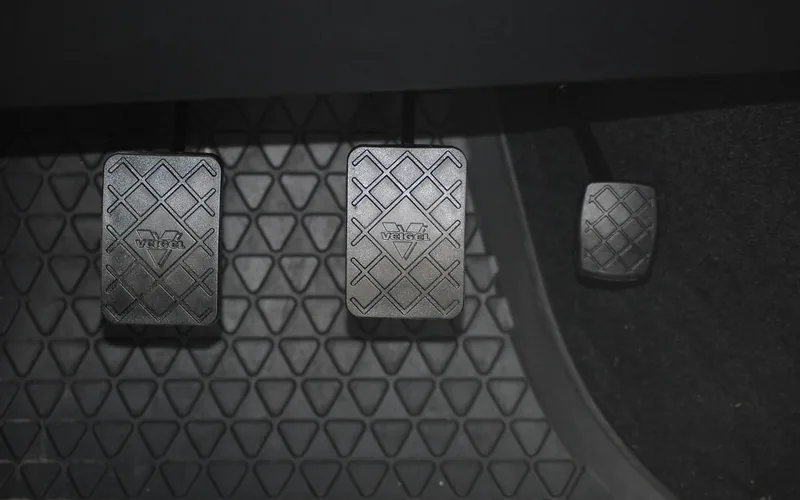
A manual transmission car has three foot pedals instead of two — clutch, brake, and accelerator — and requires both feet instead of one. The clutch pedal (far left, used only with your left foot) disconnects the engine from the wheels so you can change gears without grinding them. The brake (middle) and gas pedal (right) work the same as in an automatic, but only your right foot ever touches them — your left foot should never rest on the brake.
Best New Manual Driver Safety Pick

TOTOMO Student Driver Magnet for Car Sign – Large 12″x3″ (2 Pack)
A large, reflective magnetic sign that tells other drivers you’re new to manual transmission — useful while you’re still stalling occasionally in traffic.
- Best for: alerting other drivers so they’re more patient while you’re learning
- Why we picked it: large, reflective, and removable — visible day or night without leaving residue on paint
- Main drawback: only helps with driver patience, doesn’t teach you anything about the clutch itself
Compare more new-manual-driver options
 Option 1 JUSTTOP 3pcs Student Driver Magnet Set
|
 Option 2 How to Drive Manual Cars for Seniors (Guide Book)
|
 Option 3 galphi 4K Dash Cam Front
|
As an Amazon Associate we earn from qualifying purchases.
Introduction To Stick Shift Driving
Manual cars offer a more direct connection to the road — you control exactly when and how the engine transfers power, not a computer. They’re often cheaper to buy, slightly more fuel-efficient, and have fewer parts that can fail since there’s no torque converter or complex valve body to wear out.
Manual transmissions used to be the default. Before automatics became common and easier for most drivers, learning to drive meant learning to drive stick. Automatics eventually took over most of the market, but manual cars never disappeared — enthusiasts and budget-conscious buyers still seek them out.
Getting Familiar With The Gearstick
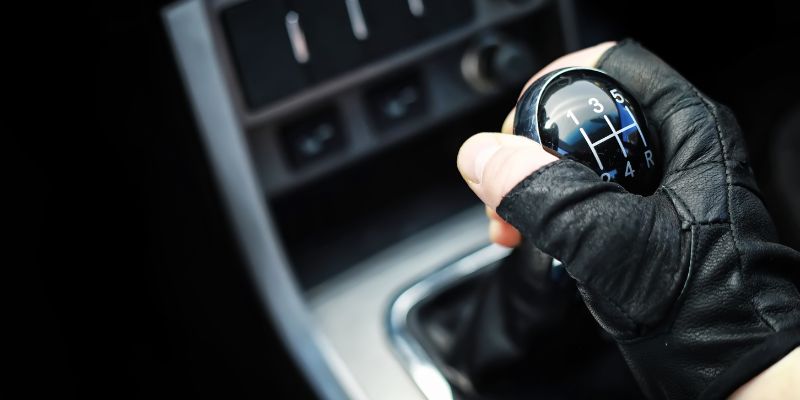
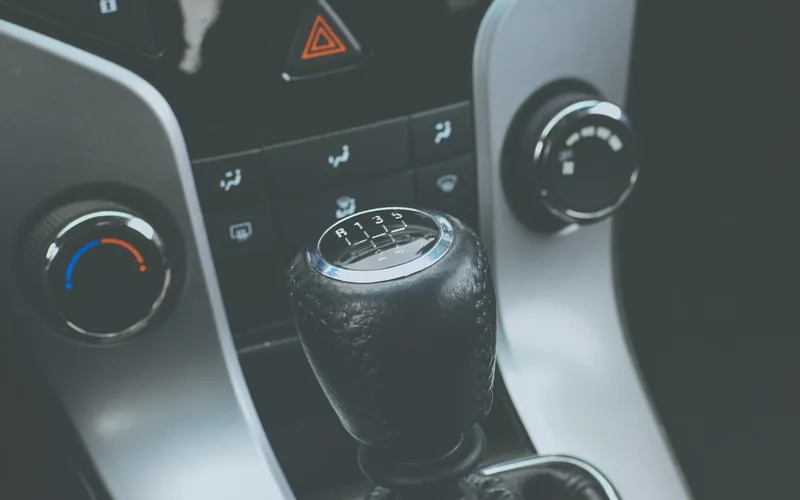
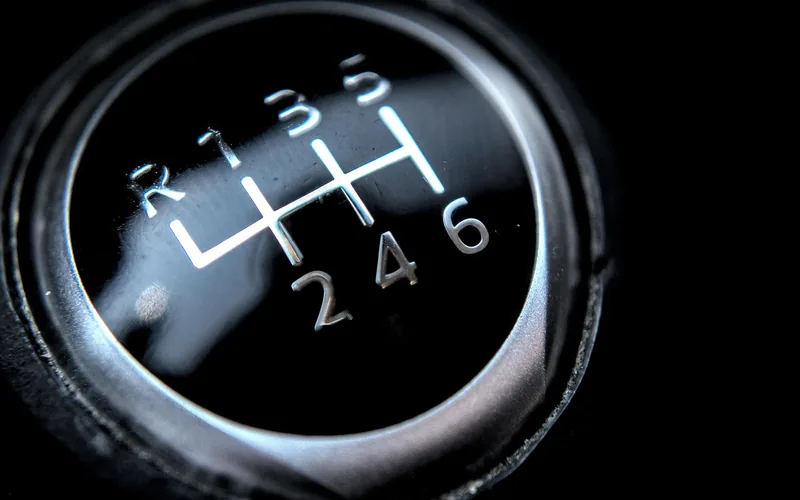
The gearstick in a stick shift car has several positions. Each position corresponds to a different gear that helps the car move at different speeds. The gearstick might feel confusing at first, but it’s easy to learn with practice.
Gears are usually labeled with numbers showing the order of gears. First gear is for starting the car; higher numbers are for faster speeds. It’s important to learn the position of each gear to help shift smoothly.
Neutral is a special position on the gearstick. In neutral, the car doesn’t move forward or backward even though the engine is running — useful when stopping for a short time. The gearstick moves freely in neutral, which sits between first and second gear. Always shift to neutral before starting the engine.
Learning Clutch Control
The clutch pedal helps you change gears by connecting or disconnecting the engine from the wheels. Press the clutch to stop power from the engine; release it to make the car move. You need to press it fully to change gears without grinding — always press it smoothly to keep the car from jerking. For a deeper look at what’s actually happening mechanically, see how the clutch actually works.
Balance is key when using the clutch and accelerator together. Press the clutch with your left foot, use your right foot on the accelerator, and slowly release the clutch while pressing the gas. If you let go too fast, the car may stall — practice with small, gentle movements and you’ll gain confidence over time.
Starting The Car
Engaging the Clutch is the first step. Press the clutch pedal with your left foot to disconnect the engine from the wheels, and keep it pressed firmly while you turn the key to start the engine.
Selecting First Gear happens after the engine starts. Move the gearstick to first, release the clutch slowly, and add a little pressure to the gas pedal as the car begins to move forward. For the full ignition-interlock sequence and what to do if the car won’t start at all, see our full starting-sequence guide.
When Should You Shift Gears? RPM and Speed Guide
Shift points vary by car, but most manual transmissions follow a similar general pattern based on speed and engine sound. Use the table below as a rough guide, then fine-tune based on your specific car’s engine note and, if it has one, its tachometer.
| Gear | Typical Speed Range | When to Shift Up |
|---|---|---|
| 1st | 0–10 mph | Right after moving from a stop |
| 2nd | 10–20 mph | Engine revving noticeably higher |
| 3rd | 20–35 mph | Cruising around town |
| 4th | 35–55 mph | Highway on-ramp speeds |
| 5th/6th | 55+ mph | Steady highway cruising |
If your car doesn’t have a visible tachometer, listen for the engine note rising and feel the car straining slightly before you shift — most manual transmissions upshift comfortably somewhere around 2,500–3,500 RPM in normal, unhurried driving.
Shifting Gears Smoothly
Timing is very important when shifting gears. Listen to the engine’s sound — shift up when it’s loud, shift down when it’s quiet. Always use the clutch while changing gears: press it before moving the gear stick, then release it slowly after shifting. This helps avoid jerks, and practice makes it easier over time.
Gear grinding is a common problem that happens when gears aren’t in sync. Always press the clutch fully before shifting, and never force the gear stick — if it resists, double-check the gear position and try again. Rev matching, where you match the engine speed to the gear speed, also reduces grinding and wear on the gears.
Handling Uphill And Downhill Drives
On a hill, keeping the car from rolling back is important. Use the handbrake to hold the car in place: press the clutch, put the car in first gear, slowly release the clutch until you feel it catch, then gently press the gas as you release the handbrake. This helps the car move forward without rolling back.
Downshifting to a lower gear before a downhill grade gives the engine more braking control and slows the car down safely without relying only on the brake pedal — press the clutch, shift down, and release the clutch slowly while pressing the gas. This is essentially how lower gears help with hills and towing in any manual car.
Troubleshooting Common Issues
Driving a stick shift car can be tricky at first. Issues like stalling or grinding gears often arise — practicing smooth clutch release and careful shifting prevents most of them.
Stalling The Engine
Stalling often happens when drivers are new to stick shift cars and release the clutch too fast without enough gas. Press the clutch fully when starting the car, then release it slowly while pressing the gas pedal. Practice in a safe place away from busy roads, and don’t worry if the car stalls — everyone does when learning. See exactly what happens when a manual car stalls and why it’s harmless in normal driving.
Difficulty In Gear Shifting
Gear shifting can be tricky. Press the clutch to change gears, release it smoothly after shifting, and don’t force the gear lever — forcing it can grind the synchros. Use gentle motions instead, and listen to the engine: low sounds mean it’s time to change gears, high sounds mean stay in the current gear. Practicing in a parking lot and understanding how gears are arranged in a manual car both help.
Tips For Mastering Manual Driving
Practice in a quiet, empty parking lot first — fewer distractions mean you can focus entirely on the clutch and gear stick without worrying about other traffic. Start slow: get comfortable with turns, stops, and gentle gear changes before taking the car onto real roads.
Coordinating the clutch and gas takes repetition more than theory. Your feet learn the timing through muscle memory, not conscious thought — each practice session gets smoother than the last, and most people stop having to think about it entirely within a few weeks of regular driving.
📊 Basic manual-transmission competency (moving without stalling) typically takes 30 minutes to a couple of hours, but reaching smooth, no-stall shifting in regular traffic takes 20–30 hours of practice. — Source: Yahoo Autos, via DoveTail Driving
“The typical time to learn is around 20 to 30 hours.”
Frequently Asked Questions
How Do You Drive A Stick Shift For Beginners?
Start by pressing the clutch with your left foot and shifting the gear to first. Gradually release the clutch while pressing the gas pedal, and listen to the engine’s sound to know when to shift to higher gears as speed increases. Practice smooth transitions and always keep your eyes on the road.
How Do You Drive A Manual Car For The First Time?
Start by pressing the clutch completely, shift into first gear, then slowly release the clutch while pressing the accelerator. Gradually increase speed and shift gears as needed, and use the clutch when stopping. Practice makes perfect, so be patient and stay calm.
What Is The Hardest Part Of Driving A Manual Car?
The hardest part of driving a manual car is mastering clutch control. Balancing the clutch and accelerator smoothly during gear changes can be challenging, and it requires practice and patience to avoid stalling or jerky movements. Once you understand clutch dynamics, driving a manual becomes far more enjoyable.
How Long Does It Take To Learn Stick Shift?
Learning happens in stages. Most people get the basic mechanics of moving without stalling down in 30 minutes to a couple of hours. Reaching smooth, no-stall shifting in regular traffic typically takes 20 to 30 hours of practice spread over several weeks, according to driving-instruction estimates from DoveTail Driving. Confidence in tricky situations like hill starts can take a few months of regular driving on top of that.
How Do You Know When To Shift Gears In A Manual Car?
Shift up when the engine sounds strained or revs climb past roughly 2,500–3,500 RPM in normal driving — check your owner’s manual for your specific engine’s ideal range. If your car doesn’t have a tachometer, listen for the engine note rising or feel the car wanting more power; using the typical speed-range table above as a rough guide also works once you’re comfortable.
Is It Hard To Learn Stick Shift As An Adult?
No — adults often pick up stick shift about as quickly as teenagers because they already have more seat time judging speed, gaps, and braking distance. The clutch-and-gas coordination takes the same 30 minutes to a couple of hours to click for most adult beginners; the main difference is adults are usually more cautious about jumping straight into traffic, which is actually the safer approach.
What Does It Mean To “Ride The Clutch,” And Why Is It Bad?
Riding the clutch means resting your foot on the pedal or holding it partway engaged instead of fully up or fully down. This keeps the clutch plate slipping against the flywheel longer than necessary, which builds heat and wears the friction material down faster than normal use. Keep your left foot off the clutch pedal completely whenever you’re not actively shifting or holding the car on a hill.
Conclusion
Driving a stick shift car is a skill, not a talent — clutch coordination, gear timing, and hill starts all come from repetition, not natural ability. Start in an empty lot, expect a stall or two, and build up to real traffic once shifting feels automatic.
If you’re still deciding whether it’s worth learning, see our guide on whether a stick shift is right for you, or check which new cars still come with a manual transmission if you’re shopping for one.
Products related to this article
Sponsored / affiliate links. As an Amazon Associate I earn from qualifying purchases. I may earn additional commission from eligible campaigns.