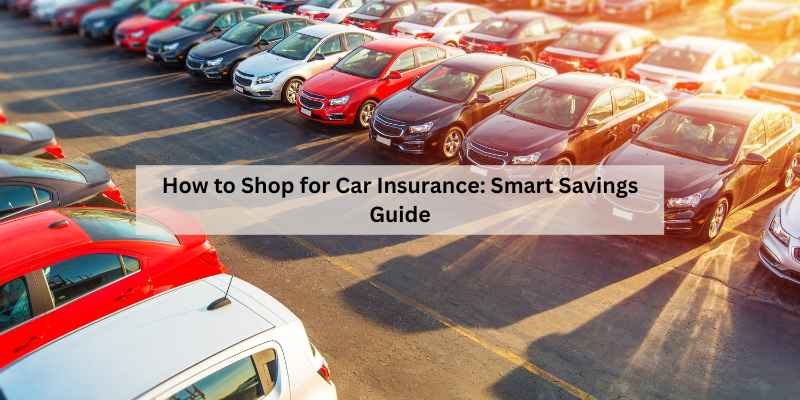
How to Shop for Car Insurance: A Negotiation Playbook, Not Just a Price Hunt
The renewal notice lands in your inbox. The premium went up again — maybe $50, maybe $150 — and the only explanation is a vague line about ‘rising costs in your area’. You could just pay it. Or you could spend an evening doing something about it.
Most people treat car insurance shopping as a chore: fill out a few forms, pick the cheapest quote, switch. That’s a mistake. The real money isn’t in switching — it’s in the negotiation you do before you switch. Your current insurer has a huge advantage: they already have your business, and they know how much it costs to replace you. You can use that.

autoversicherung-vergleich
Opt For Car Insurance Comparison to Get…
- Key services offered in car insurance
- Tariff features in car insurance comparison
- Benefits of Car Insurance comparison
This guide walks you through the entire process — from gathering your data to canceling your old policy — and shows you how to read the fine print, spot coverage gaps, and force your current insurer to match a competitor’s rate. By the end, you’ll know exactly what to do, when to do it, and what to say on the phone.
If you want a quick way to organize your options side-by-side, a tool like the Opt For Car Insurance Comparison guide can help you track tariff features and coverage options in one place. It’s a practical reference for keeping your quotes straight as you work through the steps below.
The 5-Step Car Insurance Shopping Framework
This isn’t a linear process you rush through in an hour. It’s a deliberate sequence. Start this about 30 days before your policy renewal date. That gives you time to gather quotes, negotiate, and make a decision without feeling rushed.
Step 1: Gather Your Driver and Vehicle Data
Insurers quote based on data. If you give them incomplete or inaccurate info, you’ll get a quote that doesn’t match what you’ll actually pay at binding. Collect these before you start:
- Driver’s license numbers for everyone in your household who drives, including your teen with a permit.
- Vehicle VINs for all cars you’re insuring.
- Current odometer readings — low mileage can unlock discounts.
- Your current policy’s declarations page — you’ll need your existing limits and deductibles.
- Driving history details for the last 3-5 years: any at-fault accidents, speeding tickets, or DUIs. Be honest here. If you hide something and the insurer finds out later, they can retroactively cancel your policy or deny a claim.
- Annual mileage estimates per vehicle. Commuting 5 miles a day is different from a 50-mile highway commute.
Step 2: Set Your Coverage Baseline (Not Just Minimums)
State minimums are a trap. They’re the cheapest legal option, but they’re almost never enough. If you cause an accident and the other driver’s medical bills exceed your limit, they can come after your personal assets — your house, your savings, your paycheck.
A better baseline for most people is 100/300/50: $100,000 in bodily injury liability per person, $300,000 per accident, and $50,000 in property damage liability. The cost difference between state minimums and 100/300/50 is often less than $20 a month. That’s the cheapest sleep-at-night insurance you’ll ever buy.
You also need uninsured/underinsured motorist coverage. Roughly one in eight drivers on the road has no insurance. If one of them hits you, your own policy is the only thing standing between you and a pile of unpaid medical bills. Carry the same limits for UM/UIM as you do for your liability.
For your own car, you’ll need collision (covers damage from hitting something) and comprehensive (covers theft, vandalism, hail, deer). If your car is older and worth less than $3,000, you might consider dropping collision. The math is simple: if your annual premium for collision is $600 and your car is worth $2,500, you’re paying a quarter of its value every year. Run the numbers before you drop it, though — a car that’s paid off but still worth $8,000 is worth protecting.
Step 3: Get Quotes from 3 Different Channel Types
Don’t just use one website. The same driver, same car, same coverage can get wildly different prices from different channels. You want three:
- Direct online quotes — Geico, Progressive, State Farm’s website. These are fast and give you a baseline.
- An independent agent — someone who represents multiple carriers (like Travelers, Safeco, or smaller regional companies). They can access insurers that don’t sell directly to consumers. Their service costs you nothing; they earn a commission from the insurer.
- A captive agent — someone who sells for one company only, like Allstate or Farmers. They often have access to proprietary discounts that online quotes miss.
Independent agents are the underrated option here. They do the comparison shopping for you, and they know which carriers are lenient on things like a single speeding ticket or a lapse in coverage. The trade-off is that they might not offer the absolute rock-bottom price that a direct online quote will. It’s worth getting both.
Step 4: Compare Apples-to-Apples (Deductibles & Limits)
This is where most people mess up. You get a cheap quote from Company A, but it has a $2,500 deductible and drops your rental car coverage. Company B is $100 more, but it has a $500 deductible and includes rental. These are not comparable quotes.
Use the coverage baseline you set in Step 2. Every quote you request should include the exact same limits, the same deductibles, and the same optional coverages. Write it down. When you get quotes, put them in a table so you can see the real difference.
| Coverage | Your Baseline | Quote A (Direct) | Quote B (Independent) |
|---|---|---|---|
| Bodily Injury Liability | 100k/300k | 100k/300k | 100k/300k |
| Property Damage | $50k | $50k | $50k |
| Uninsured Motorist | 100k/300k | 100k/300k | 100k/300k |
| Collision Deductible | $500 | $500 | $500 |
| Comprehensive Deductible | $500 | $500 | $500 |
| Rental Reimbursement | $40/day | Not included | $40/day |
| Annual Premium | — | $1,150 | $1,240 |
In this example, Quote A is cheaper, but it’s missing rental coverage. If your car is in the shop for two weeks after an accident, you’re out $560 in rental fees. Suddenly the $90 premium difference doesn’t look so good.
Step 5: Switch and Cancel Your Old Policy Correctly
Once you’ve picked a winner, don’t just buy the new policy and assume the old one goes away. You need to do these in order:
- Buy the new policy first. Never cancel your old policy before the new one is active. A lapse in coverage, even for one day, can raise your rates for years.
- Set the new policy’s effective date to overlap with your old policy by one day. This gives you a buffer in case of a system error.
- Cancel the old policy in writing. Call your old insurer and request cancellation, then follow up with an email. Get a confirmation number and a final billing statement showing a $0 balance.
- If you need an SR-22 (usually after a DUI or serious violation), confirm the new insurer files it with your state’s DMV. Don’t assume they will — ask for the filing confirmation.
One more thing: if you prepaid your old policy, you’re entitled to a refund for the unused portion. It’s prorated, so you’ll get most of it back.
The Real Cost Factors: What Moves Your Premium Up or Down
Insurance pricing isn’t random, but it’s not fair either. Here’s what’s actually driving your number.
Your insurance score — not your regular credit score, but a separate score insurers calculate based on your credit history. Payment history, outstanding debt, and length of credit history all factor in. A poor insurance score can push your premium up by 50% or more. This is legal in most states, though a few (California, Hawaii, Massachusetts) restrict it. If your credit has improved since you last shopped, you could see a significant drop.
Your claims history is the other big one. One at-fault accident can raise your rates by an average of 40%, and that surcharge typically lasts for three years. A single speeding ticket might add 15-20%. A DUI can double your premium or get you dropped entirely. Clean driving record? You’re paying for everyone else’s mistakes in your rate pool.
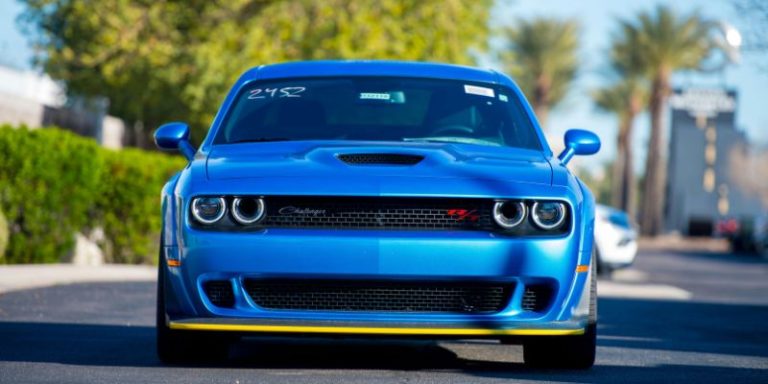
Your vehicle type matters more than you’d think. A sports car costs more to insure than a sedan, not just because it’s faster, but because it’s more expensive to repair and statistically more likely to be in an accident. The trim level matters too — a base model is cheaper to fix than the same car with a premium sound system and adaptive headlights.
Your location is a factor you can’t change. Zip codes with higher rates of theft, vandalism, and accidents get higher premiums. Living in a city costs more than a rural area. Moving to a different zip code can change your rate by hundreds of dollars a year.
Usage-based insurance is the one factor you can control. Programs like Progressive’s Snapshot or State Farm’s Drive Safe & Save plug a device into your car or use a phone app to track your driving. Safe drivers can save 20-30%. The downside? If you’re a hard braker or a lead-foot, it can raise your rate. It’s a gamble, but a good one for low-mileage, cautious drivers.
How to Use Discounts and Bundling to Lower Your Rate
Discounts are the easiest way to lower your premium, but they’re not all created equal. Here’s what’s actually worth chasing:
- Multi-policy discount (bundling): Combining your auto and home or renters insurance with the same company typically saves 10-20% on both. This is the single biggest discount most people can get. The catch? The combined price might still be higher than two separate policies from different companies. Always compare the bundled price against the sum of two standalone policies.
- Multi-vehicle discount: Insuring two or more cars on the same policy usually saves 10-15% per vehicle. This is almost always worth it.
- Safe driver discount: Three or more years without an at-fault accident or moving violation. Most insurers offer this automatically.
- Defensive driving course: A state-approved course (often online, 4-6 hours) can earn a 5-10% discount for three years. It’s cheap and easy.
- Good student discount: A student under 25 with a B average or better can save 10-15%. This applies to your own policy if you’re a student, or to your teen driver.
- Low mileage discount: Driving under 7,500 miles a year can earn a discount. If you work from home or take public transit, this is free money.
- Paid-in-full discount: Paying your six-month premium upfront instead of monthly can save 5-10%. It’s a nice return on your cash.
Here’s the thing about discounts: they’re baked into the quote. When you compare quotes, you’re comparing the final number, not the discount list. Don’t get distracted by a company that advertises ’10 discounts available’ if the final price is still higher than a competitor with only two discounts.
The Hidden Pitfalls: Gaps, Overlaps, and Declarations Pages
Your policy’s declarations page is the one-page summary of everything you’re covered for. Most people never read it. That’s a mistake. It’s where you find the gaps that will cost you later.
Look for these three things:
1. Coverage overlaps. If you have roadside assistance through your car insurance and through your credit card, you’re paying twice. Same with rental car coverage — your credit card might already provide it when you rent a car, making your policy’s endorsement redundant. Drop the duplicate.
2. Hidden fees. Some insurers charge a fee for monthly installments, a fee for paper billing, or a fee for a policy change. These are small — usually $2-5 a month — but they add up. Ask your agent or the company directly what fees are on your policy and which ones you can avoid by switching to autopay or electronic documents.
3. Coverage limits that are too low. The declarations page shows your exact limits. If you see 25/50/25 (which is the minimum in many states), go back to Step 2 and raise it. The price difference is usually negligible.
Also check the exclusions section of your policy. It lists what’s not covered. Common exclusions include intentional damage, damage from racing, and using your car for business (like delivery driving) without a commercial policy. If you drive for Uber or DoorDash, your personal policy won’t cover you during those trips. You need a rideshare endorsement.
When to Shop: Renewal Cycles, Life Events, and Rate Hikes
You shouldn’t shop for car insurance every month — that’s a waste of time. But you should shop at these specific moments:
- At every renewal. Your insurer is legally required to send you a renewal notice, usually 30 days before the policy ends. That’s your cue. If your premium went up, you have a reason to shop. If it stayed the same, shop anyway — a competitor might be running a new driver discount.
- After any life event. Getting married, moving, buying a home, adding a teen driver, or turning 25 can all change your rates. A marriage discount is real (married drivers are statistically safer). Moving to a cheaper zip code can cut your rate. Adding a teen driver is a hit you can’t avoid, but shopping around after they get their license can minimize the damage.
- After a rate hike. If your premium jumps more than 10% at renewal with no change in your driving record, your insurer is testing you. They’re betting you won’t shop around. Call them and ask why. If the answer is ‘rising costs’, get a competing quote and use the tactic below.
One more thing: don’t shop right after an accident or a ticket. Your rates will be artificially high for a few months. Wait until the violation is off your record (usually 3 years) or until the accident is no longer surcharged before you shop seriously.
The Negotiation Tactic: Using a Competitor Quote to Lower Your Bill
This is the part most people skip, and it’s the most valuable one. You have a competitor’s quote in hand. Your current insurer wants to keep you. Use that.
Here’s the script. Call your current insurer’s customer service line and say this: ‘I’ve been a customer for X years, and I’ve received a quote from a competitor for $1,150 a year for the exact same coverage I have with you. My current premium is $1,300. Can you match that or get me closer to it?’
They’ll put you on hold. They might transfer you to a retention specialist. That person has the authority to apply discounts, adjust your rate, or offer a loyalty credit. They won’t always match the competitor’s price, but they’ll often get within $50-100 of it. That’s money in your pocket for a ten-minute phone call.
A few tips for this call:
- Be polite but firm. You’re not threatening them; you’re giving them a chance to keep your business. Retention specialists are more likely to help a pleasant customer.
- Have your competitor’s quote ready to read. They’ll ask for the details. Make sure it’s for the same coverage.
- Ask about discounts you might be missing. Say, ‘Are there any discounts I’m not currently receiving?’ You’d be surprised how often an agent can find a new one.
- If they say no, ask for a supervisor. The first person on the line often has limited authority. A supervisor can usually do more.
If they refuse to budge, you have a decision to make. Take the competitor’s quote and switch. You’ve done the work; you know the new policy is better. If they do match it, you’ve won without the hassle of switching. Either way, you’re better off than you were an hour ago.
Car Insurance Shopping FAQ
Does shopping hurt my credit score?
No. Insurance companies use a ‘soft pull’ on your credit history when you request a quote. That doesn’t affect your credit score. The hard inquiries that ding your score are only for loans and credit cards. You can shop for car insurance as many times as you want without worrying about your credit.
How often should I compare rates?
At every renewal, which is usually every six months. That’s the minimum. Add a check after any major life event — moving, getting married, buying a car. Your rate can change by hundreds of dollars based on your new situation, so it’s worth the 20 minutes it takes to get a few quotes.
Can I switch before my policy ends?
Yes, but you’ll likely pay a cancellation fee. Most insurers charge a short-rate cancellation fee if you cancel mid-term, which is a percentage of the remaining premium. It’s usually around 10% of the unused portion. If you’re switching because you found a rate that’s $200 a year cheaper, the fee might wipe out your savings. Run the math before you switch mid-term.
What’s the difference between collision and comprehensive?
Collision covers damage to your car from hitting something — another car, a tree, a guardrail. Comprehensive covers everything else — theft, vandalism, fire, hail, hitting a deer. Collision is usually more expensive. Both are optional if you own your car outright, but your lender will require them if you have a loan.
Will a speeding ticket affect my rate if I get a quote?
It depends on the insurer and the state. Some companies only look at the last 3 years of driving history; others look at 5. A single minor ticket might not change your rate with one company, but it could with another. That’s why you should always get quotes from multiple channels — one insurer might overlook a ticket that another charges you for.
What to Do With All This
You don’t have to do everything at once. Start with the steps that save the most money for the least effort:
- Set your coverage baseline at 100/300/50 before you get a single quote. It protects your assets and makes comparisons honest.
- Gather your VINs, driver’s license numbers, and current declarations page. The process is faster when you’re not hunting for paperwork mid-form.
- Get one direct quote, one independent agent quote, and one captive agent quote. Compare them side-by-side with identical limits.
- Read your current declarations page for gaps, overlaps, and hidden fees. Drop the redundant rental coverage and paper billing fees.
- Call your current insurer with a competitor’s quote and ask them to match it. This is the single highest-leverage move in the entire process.
- If they won’t match, switch. Buy the new policy first, overlap the effective dates, and cancel the old one in writing.
- Set a calendar reminder for your next renewal. Rates change, your life changes, and the best deal today won’t be the best deal in six months.
Car insurance is one of the few bills you can actively negotiate. A little effort once or twice a year can save you several hundred dollars. That’s a better return than most investments you’ll make. For more on handling specific situations, check out our guide on getting coverage for a new car or understand how deductibles work before you pick a number.
Products related to this article
Sponsored / affiliate links. As an Amazon Associate I earn from qualifying purchases. I may earn additional commission from eligible campaigns.
 Efficient Car Glass Oil Film Cleaner,2025 UpgradeHydrophobic Glass Coating for Windshield Improves Clarity and Visibility,Windshield wiper for all vehicles (1, red)
 Hail Protector Car Cover for Sedan(Length:Length:186"-203") + Gift Windshield Sunshade, Multi-Layered EVA Hail Proof Car Cover, Padded Car Hail Protector Blanket for Camry, Model 3, Accord, K5 etc.