How to Spell a Car Noise: Onomatopoeia Words & Examples
The most common way to spell a car noise is with onomatopoeia — words that copy the sound itself, like vroom for an engine revving, screech for tires, honk or beep-beep for a horn, and rumble for an idling engine. Which word fits best depends on the specific sound and when it happens, since a squeal from tires means something very different from a squeal from a fan belt. This guide breaks down the most-used car sound words by category, with real examples you can drop into a story, a children’s book, or a text message describing what your car is doing.
Introduction To Car Sounds
Onomatopoeia is the tool most writers reach for when describing common car sounds and their meanings. Some of the most widely used examples include vroom, zoom, beep-beep, screech, and rumble. These words help represent the sounds a car actually makes and are especially useful when a general term like “noise” feels too vague. One caveat worth repeating: if a new noise from your own car doesn’t go away, that’s a real mechanical signal, not a writing exercise — it’s worth getting checked out rather than just finding the right word for it.

The Basics Of Onomatopoeia
Onomatopoeia is a literary device where a word imitates the actual sound it describes — “vroom” for a car engine, “beep-beep” for a car horn. These words make writing more vivid and engaging because the reader can practically hear the scene rather than just read about it. Onomatopoeia is especially common in children’s literature, where it creates a multisensory reading experience, and it’s also used deliberately in speech therapy and early language development, since imitating a sound is often easier for a young child than naming it.
The Complete Car Sound Onomatopoeia Word List
Different parts of a car make different sounds, and each has its own go-to onomatopoeia. Here is a reference list organized by where the sound comes from:
| Sound Source | Word | What It Sounds Like | Example Sentence |
|---|---|---|---|
| Engine accelerating | Vroom, rev, roar | A deep, rising growl | The engine let out a vroom as she hit the gas. |
| Engine idling | Rumble, purr | A steady, low hum | The old truck sat there with a low rumble. |
| Tires cornering hard | Screech, squeal | A sharp, high-pitched skid | Tires screeched as the car rounded the corner. |
| Horn | Honk, beep-beep | A short, sharp blast | He gave a quick honk to say hello. |
| Rough or dying engine | Sputter, chug | An uneven, stalling rhythm | The engine sputtered twice before it caught. |
| Exhaust misfire | Bang, pop | A sudden, gunshot-like crack | The exhaust let out a loud pop on the downshift. |
| Fire truck siren | Wee-oh | A rising and falling wail | A wee-oh echoed down the street. |
| Police siren | Nee-nah | A two-tone alternating wail | The nee-nah got louder as the cruiser closed in. |
| Car going over a bump | Ompa, thump | A quick, muffled jolt | The car went thump over the speed bump. |
| Door or hinge | Creak | A slow, dry squeak | The car door creaked open in the quiet lot. |
Our Top Pick
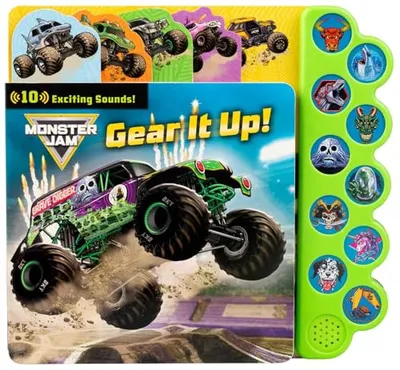
Monster Jam: Gear it Up! (10-Button Sound Books)
Best for: Toddlers and preschoolers just learning vehicle sound words
Why we picked it: Built around the exact same onomatopoeia words covered in this guide — rumble, vroom, zoom — with matching sound buttons for each page
Main drawback: Sound buttons need occasional battery replacement
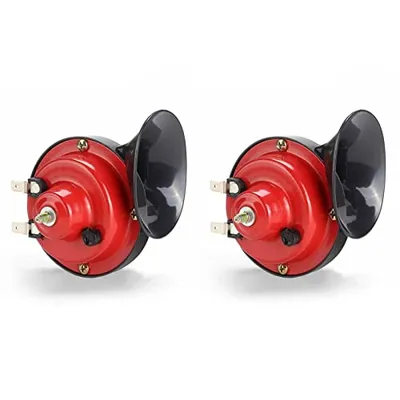
 Chiyyak 300DB Super Noisy Waterproof Double Electric Snail Horn for Truck SUV Best for: Kids who love construction and delivery vehicles Why we picked it: 6 real truck sounds plus an on/off switch for quiet reading time Main drawback: Limited to truck sounds, no car or emergency-vehicle noises |
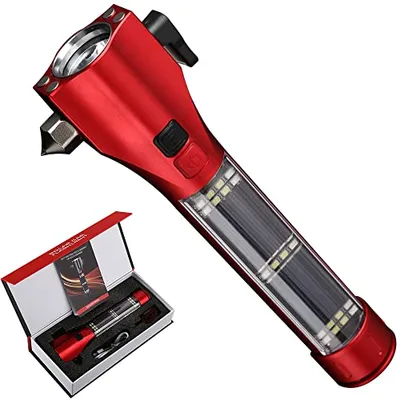
 SINSEN Emergency Flashlight for Car, Seatbelt Cutter Window Breaker, 16-in-1 Multifunctional Safety Best for: Matching the “wee-oh” and “nee-nah” sounds from this guide to the real thing Why we picked it: Covers fire trucks, ambulances, and police cars with both lights and sound Main drawback: Louder than standard sound books, best for supervised play |
 SYRATION 5″ 4 Pack Polyurethane Stepped and Full Tread Face w/Double Ball Bearing Shopping Cart Whee Best for: Younger toddlers who like touch-and-feel textures Why we picked it: Combines texture panels with vehicle sound buttons for two senses at once Main drawback: Fewer sound options than the dedicated sound books above |
Car Noises Decoded
Vroom: represents the sound of an engine revving up. It’s one of the first onomatopoeic sounds children pick up, and it’s used deliberately in speech therapy techniques. Screech: the sharp sound tires make when they lose grip under hard braking or cornering — if you hear this from your own car and you weren’t braking hard, it’s worth having someone take a look. Beep beep: the sound of a car backing up or a quick horn tap. Wee-oh: a fire truck siren. Nee-nah: a police car siren.
Writing Car Sounds
Spell a car noise with onomatopoeic words like “vroom,” “zoom,” “beep beep,” and “screech” to vividly describe the sounds associated with cars. These words imitate the actual sound of a car, adding a dynamic element to your writing. Cars can make many different noises, and it can be hard to describe them accurately. Here are some tips for writing effective car sound descriptions:
- Use onomatopoeia words like “vroom,” “zoom,” “beep-beep,” “screech,” and “rumble” to describe car sounds.
- Be specific and avoid general terms like “noise” or “sound.”
- Consider the context of the sound. A loud noise while accelerating could be described as a “roar,” while a similar sound while braking could be a “screech.”
- Avoid common pitfalls like starting sentences with unnecessary phrases or using long, overloaded sentences.
By following these tips, you can write clear and descriptive car sound descriptions that accurately convey what your reader should be hearing.
Creative Examples
Here’s how onomatopoeic words like “vroom,” “zoom,” “beep-beep,” and “screech” show up in real writing and everyday use — vividly capturing the sounds of vehicles in action.
| Real-life applications | In literature and media |
| When spelling a car noise for a text, caption, or conversation, focus on the specific sound you’re representing — “vroom,” “zoom,” “beep beep,” and “screech” are all onomatopoeia, words that imitate the sound of the thing being described. | In movies and TV, car noises create a sense of action and urgency — the sound of engines revving and tires screeching adds tension to a chase scene. In children’s books, the same words are used deliberately to teach sound recognition and reading fluency. |
There’s no single “correct” way to spell a car noise. Different writers use different words for the same sound, and that’s fine — the goal is choosing a word that’s easy to understand and accurately conveys what’s happening.
Does “Vroom” Mean the Same Thing in Every Language?
Mostly, yes — “vroom” is one of the more consistent onomatopoeia across languages, which is part of why it shows up in so many English-language children’s books and comics worldwide. But there are real regional variations worth knowing if you’re writing for a specific audience or just curious:
- British English often uses “brum” or “brum brum” alongside “vroom,” especially in children’s books.
- French renders an engine revving as “vroum,” very close to the English spelling.
- Spanish commonly uses “brum” or “brrrum” for a rumbling engine start or rev.
The takeaway: “vroom” will be understood almost anywhere, but if you’re writing dialogue or a scene set in a specific country, a locally familiar variant like “brum” can add authenticity.
The Importance Of Context
When spelling a car noise, context changes everything. The same word can describe very different situations depending on when the sound happens and what the car was doing right before it — and this matters whether you’re writing a story or trying to describe a real problem.
| If You’re Writing | If It’s Your Actual Car |
|---|---|
| Pick the word based on the scene: a “roar” for dramatic acceleration, a quick “beep” for a friendly greeting, a “screech” for tension or danger. | Pay attention to when the sound happens. A grinding noise when braking often points to worn brake pads. A squeal when turning can signal a power steering issue. Context is diagnostic, not just descriptive. |
If you came here because your own car is making a new, persistent noise rather than looking for words for a story, our guide on why your car sounds like a wind-up toy covers the real mechanical causes and what to check first.
Practical Exercises
Listening for and identifying car noises gets easier with practice. Start by paying attention to specific details — the pitch, volume, and rhythm of a sound — and try to match it with the right word: screeching, grinding, rumbling, or knocking. Then practice describing it to someone who hasn’t heard it. Instead of “the car is making a noise,” try “the car is making a loud, sharp, metallic rattling sound coming from the engine.” The more specific the words, the clearer the picture for your reader or listener.
Resources And Tools
A few places worth checking if you want to go deeper on car sound words, whether for writing, teaching, or speech development.
Books And Websites For Further Reading
Speech And Language Kids has a vehicle-themed activity guide built around imitating car and truck sounds, useful for early language development. BossHorn’s blog also covers onomatopoeia for car horns and vehicle sounds in more depth.
Want a Deeper Dive on Writing Engine Sounds?
This guide covers the core word list and quick reference. If you’re a writer looking for more advanced techniques — verbs, adverbs, and layering multiple sounds in a single scene — see our companion guide on how to write car engine sounds in words.
Frequently Asked Questions
How Do You Spell Out Car Noises?
Use onomatopoeic words like beep beep, honk honk, vroom, zoom, whoosh, wee-oh (fire truck), and nee-nah (police car). These words imitate the actual sounds of vehicles and are the standard way to describe car noises in writing.
How Do You Spell Fast Car Noise?
A fast car noise is usually spelled “vroom,” representing the sound of an engine revving up at speed. “Roar” and “zoom” are also common for describing the sensation of a car moving fast.
What Is The Sound Word For Car?
The most common sound word for a car is “vroom,” representing an engine revving. Other onomatopoeic words for car sounds include “beep beep,” “zoom,” “screech,” and “rumble,” depending on which part of the car is making the noise.
What Noise Does A Car Make?
Car noises vary by source: tires can hum or screech, wipers swish, mirrors whistle in the wind, and the engine can rumble, rev, or sputter. If you start hearing a new noise that persists, it’s worth getting the car checked out.
What Is The Onomatopoeia For A Car Backfiring?
A car backfire is usually spelled as “bang” or “pop,” mimicking the sudden, gunshot-like crack of an exhaust misfire. Some writers use “backfire” itself as both the noun and the sound.
Is “Vroom” The Same In Every Language?
Not exactly, though it’s close. English commonly uses “vroom” or “brum,” French uses “vroum,” and Spanish uses “brum” or “brrrum” for an engine revving. The word is understood almost everywhere, but the spelling shifts slightly by language.
Conclusion
Spelling a car noise comes down to picking the onomatopoeic word that matches both the sound and the moment it happens — “vroom” for an engine revving, “screech” for tires, “beep-beep” for a horn, “rumble” for idling. Use the word list above as a quick reference, and remember that context — what the car was doing right before the sound — is what makes the description clear, whether you’re writing a scene or just texting a friend about your commute.
Products related to this article
Sponsored / affiliate links. As an Amazon Associate I earn from qualifying purchases. I may earn additional commission from eligible campaigns.