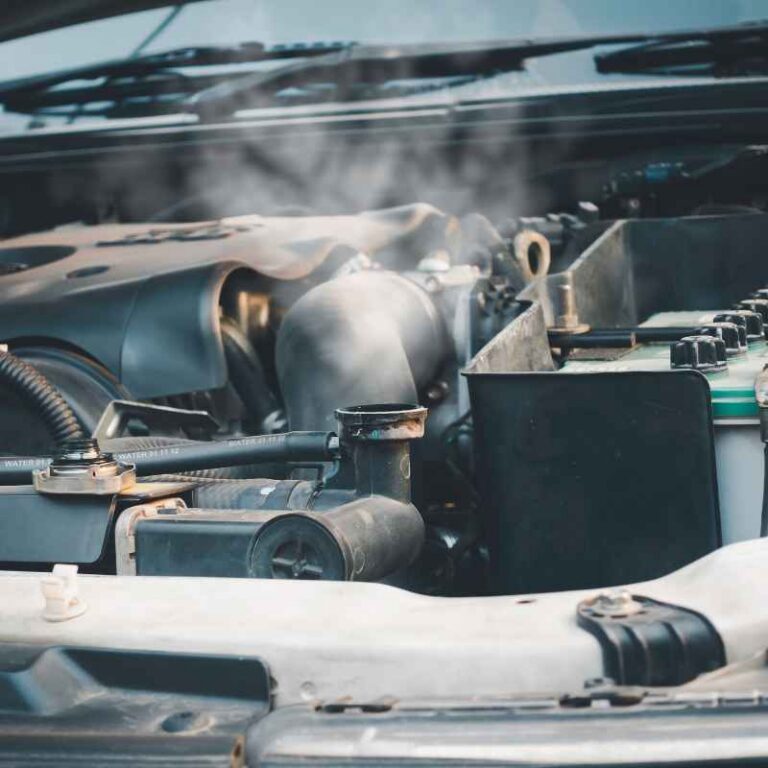
Why Does My Car Sound Like A Wind Up Toy? Causes & Fixes
It’s a sound that can be super unsettling. You’re driving along, maybe just heading to the store or picking up the kids, and suddenly you hear it. A strange noise from your car.
It might sound like a tiny, old-fashioned wind-up toy is stuck somewhere in the engine or under the chassis. You might even wonder if it’s normal. But deep down, you know it’s not.
This is the sound of something needing attention. Let’s figure out what’s going on and put your mind at ease.
A car sounding like a wind-up toy often points to issues with rotating parts, air movement, or specific engine components. Common culprits include worn accessory belts, exhaust system leaks, or even brake pad problems, depending on the exact nature and timing of the sound.
Understanding the Wind-Up Toy Sound
That chirping, ticking, or whirring noise that reminds you of a wind-up toy isn’t just a random occurrence. It’s usually a signal from your car that something isn’t working quite right. Think of it like your body making a noise when it’s uncomfortable.
Your car is trying to tell you something is off balance or moving in a way it shouldn’t.
The sound can vary a lot. Sometimes it’s a high-pitched squeal. Other times it’s a more metallic ticking.
It might happen only when you first start the car, or it could be there the whole time you’re driving. It might get louder when you speed up or slow down. These details are clues.
They help us pinpoint the source of the problem.
Cars have many moving parts. They all work together. When one part is worn or out of place, it can affect others.
This can create sounds that seem odd or even a little funny, like a wind-up toy. But it’s important to take these sounds seriously. Ignoring them can lead to bigger, more expensive repairs down the road.
Common Causes of the Wind-Up Toy Sound
Let’s dive into the most likely reasons your car might be making this peculiar noise. We’ll break down each one so it’s easy to understand.
1. Worn or Loose Accessory Belts
This is probably the most common reason for a squealing or chirping sound. Your car has belts that run many important parts. These include the alternator, power steering pump, and air conditioning compressor.
These are called accessory belts.
Over time, these belts can get worn out. They can crack, fray, or lose their grip. When a belt is old or loose, it can slip on the pulleys.
This slipping causes friction. That friction makes a high-pitched squeal. It often sounds like a bird chirping or, yes, a wind-up toy winding down.
Experience Check: I remember a time my old sedan started making a terrible squeal every morning when it was cold. It was my serpentine belt. It had stretched out and was slipping.
Once I replaced it, the sound was completely gone. It’s amazing how a simple rubber belt can cause so much noise! If you’re shopping for a replacement, see our best serpentine belt brand comparison to pick a quality one.
The sound might be worse when the engine is cold. It can also change when you turn on the air conditioning or power steering. This is because these systems put more strain on the belt.
A worn belt is less able to handle this extra load.
2. Idler Pulley or Tensioner Issues
Along with the accessory belts, there are pulleys that guide them. There’s an idler pulley and a tensioner. The idler pulley just keeps the belt on track.
The tensioner keeps the belt tight. These parts also have bearings inside them.
If the bearing in an idler pulley or tensioner starts to go bad, it can make a whining or chirping noise. This sound can sometimes mimic the wind-up toy sound. It’s a grinding or squealing noise that gets worse as the pulley spins.
Expert Insight: Bearings are round metal parts that help things spin smoothly. When the tiny balls inside them wear down, they can make a lot of noise. This noise is often higher pitched and can change with engine speed.
These parts are constantly moving when the engine is on. So, a failing bearing can make itself known pretty quickly. You might hear it more at idle or when you rev the engine.
It’s crucial to address this because a failing pulley can cause the belt to break. That would stop many car systems from working.
3. Exhaust System Leaks
This one might surprise you. Leaks in your exhaust system can cause noises that sound like ticking or even a faint whistling. The exhaust system carries gases from the engine out of the car.
It’s made of pipes, mufflers, and catalytic converters.
If there’s a small crack or loose connection in the exhaust manifold or pipes, exhaust gases can escape. These escaping gases can create a rhythmic ticking sound. It can sound like little puffs of air escaping.
At higher speeds, this can sometimes sound like a higher-pitched whistle or even a faint whine.
Real-World Context: I’ve seen cars where a small exhaust leak made a ticking sound that was loudest when the engine was cold. As the metal heated up, it would expand and seal the leak a bit. But the noise was still there, like a tiny mechanical heartbeat.
These leaks can sometimes be subtle. They might only be noticeable at certain engine speeds or when the engine is under load. They can also affect how your car performs.
Leaks can reduce fuel efficiency. They can also let harmful exhaust fumes into the car’s cabin.
4. Loose Heat Shields
Underneath your car, there are metal shields designed to protect parts from the heat of the exhaust. These are called heat shields. They are attached with bolts or clamps.
Over time, these bolts can loosen or rust away. When a heat shield becomes loose, it can vibrate. This vibration can make a rattling or buzzing sound.
In some cases, a specific vibration frequency might sound like a high-pitched whine or a distinct “wind-up” noise, especially at certain speeds.
Observation: I once had a rattling sound that drove me crazy. It only happened between 30 and 40 mph. It turned out to be a loose heat shield on the exhaust pipe.
A simple tighten of a bolt fixed it. It’s amazing how loose metal can create such varied noises.
These sounds are often more noticeable when you hit bumps or when you’re accelerating or decelerating. They are usually more of a metallic buzzing or rattling, but depending on the material and how it’s vibrating, it could sound like a high-pitched wind-up.
5. Brake System Issues
While less common for a direct “wind-up toy” sound, brake problems can sometimes create noises that are mistaken for it. For instance, a worn brake pad might have a small metal indicator that scrapes against the rotor. This can cause a high-pitched squeal.
If a brake component is slightly misaligned or sticking, it could also create a dragging or chirping sound. This might be more noticeable when you’re first moving or when you release the brakes. It’s less likely to sound exactly like a wind-up toy, but it’s worth considering if other causes don’t fit.
Safety Note: Any unusual noise coming from your brakes should be checked immediately. Brake issues can compromise your ability to stop safely.
The brakes are complex. They involve pads, rotors, calipers, and fluid. If any of these parts are not working correctly, it can lead to noises.
A sticking caliper could cause a continuous light drag, which might be interpreted as a faint whirring.
6. Engine Internal Issues (Less Common but Possible)
In rarer cases, certain internal engine issues could produce sounds that might be described as a wind-up toy. For example, problems with valve train components like lifters or camshafts could create ticking noises. If these issues are severe, they might manifest as a more consistent whine.
However, these sounds are usually accompanied by other symptoms. This might include rough idling, loss of power, or dashboard warning lights. A true “wind-up toy” sound is more typically an external accessory or exhaust issue.
Expertise Needed: Diagnosing internal engine noises requires a skilled mechanic. They have specialized tools to listen to different parts of the engine and identify the source accurately.
These types of noises are often more consistent and tied directly to engine operation. They won’t typically appear or disappear based on road speed alone, but rather engine RPM. This can be a key differentiator.
When Does the Sound Occur?
The exact timing of the sound is a huge clue. Let’s break down when you might hear it and what that could mean.
Sound Timing Clues
Often points to accessory belts slipping due to less grip when cold or a bearing that is stiff. Exhaust leaks can also be louder before metal expands.
Could be a persistent belt issue, a pulley bearing, or a steady exhaust leak. The sound might change with engine speed.
Often related to increased engine load on accessory belts or more pronounced exhaust leaks under pressure.
More likely to be brake-related or possibly suspension components, though a wind-up sound here is less common and needs immediate checking.
Cold Engine Squeals
If the sound appears only when your car is cold, it often relates to belts or fluids. Rubber belts get stiff when cold. They might slip more easily on the pulleys.
As the engine warms up, the rubber becomes more pliable, and the slipping stops. The sound fades away.
This is very common with accessory belts. A worn belt might not have enough grip when cold. The extra moisture from morning dew or humidity can also contribute.
Exhaust leaks can also be more noticeable when cold. Metal contracts when cold, so small cracks are wider. As it heats up, the metal expands and can sometimes seal the leak, making the noise less obvious.
Sound Changes with Engine Speed
If the “wind-up toy” sound gets faster or slower, or louder or softer, as you press the gas pedal, it’s almost always linked to something that spins with the engine. This strongly suggests an issue with the accessory belts, pulleys, or a component driven by them.
A worn belt will slip more when the engine is trying to spin it faster. A failing bearing in a pulley will also spin faster, and its noise will increase with speed. This is a very direct correlation and a strong indicator of the source.
Noise During Acceleration or Deceleration
Acceleration puts more demand on the engine and its accessories. This extra demand can make slipping belts squeal louder. It can also force more air or exhaust through any leaks, amplifying those sounds.
Similarly, sudden deceleration can cause shifts in engine load that might highlight a problem.
If the sound happens only during specific driving actions, it gives mechanics a clear clue. They can try to replicate the conditions to pinpoint the faulty part. It’s like giving them a hint to solve a puzzle.
Personal Experience: The Annoying Chirp
I remember a time when my car started making a persistent, high-pitched chirp. It wasn’t a loud, alarming screech, but it was constant and incredibly annoying. It was most noticeable when I was driving in quiet neighborhoods or stopped at a red light.
At first, I ignored it. I thought it was just one of those car quirks. But it started to get louder.
It was driving me nuts. I took it to my mechanic, and he took a quick listen. He popped the hood, and after a few minutes of checking the belts and pulleys, he found the culprit.
It was a bearing in the idler pulley that had started to go bad. It wasn’t completely seized, but it was definitely making noise as it spun. He showed me how the belt was slightly wobbling because of the bad pulley.
Replacing that one pulley and the belt cost me about $150. The silence that followed was pure bliss. That little chirp could have turned into a bigger problem if left unchecked.
What This Means for Your Car
Hearing a sound like a wind-up toy can be concerning, but it’s important to understand what it signifies. It’s your car’s way of communicating. Ignoring it is risky.
When It’s Probably Okay (for now)
Sometimes, a very faint squeal when starting a cold engine on a very humid day might just be a temporary belt slip. If it disappears within 30 seconds and doesn’t return, it might not be an urgent issue. However, it’s still a sign the belt could be nearing the end of its life.
A very mild exhaust ticking that only happens for a few minutes when the engine is stone cold and then stops completely might also be a minor thing. But even these minor issues can worsen over time. They can lead to more significant problems or performance loss.
When You Should Worry
You should definitely worry if:
- The sound is loud and persistent.
- The sound changes suddenly or gets worse.
- The sound is accompanied by other warning lights on your dashboard.
- You notice a drop in performance, like the car feels sluggish.
- You smell strange odors, like burning rubber.
These are signs that a problem is developing and needs attention. Ignoring these can lead to serious damage. It could even leave you stranded.
Simple Checks You Can Do
While most issues require a mechanic, you can do a few simple checks:
- Visual Inspection: Open the hood when the engine is off and look at the accessory belts. Do they look cracked, frayed, or glazed (shiny)?
- Listen Carefully: Try to pinpoint where the sound is coming from. Is it from the front of the engine, underneath, or somewhere else?
- Note the Conditions: Pay attention to when the sound occurs (cold, hot, accelerating, turning). This information is vital for a mechanic.
Trust Your Instincts: If a sound feels wrong or concerning, it’s always best to have it checked out. It’s cheaper to fix a small issue than a big one.
Quick Fixes and Preventive Tips
While there aren’t always “quick fixes” for these noises, there are certainly ways to prevent them and keep your car running smoothly.
Regular Maintenance is Key
The best way to avoid strange noises is through routine maintenance. This includes:
- Belt Checks: Have your accessory belts inspected during oil changes. They should be checked for cracks, wear, and proper tension.
- Fluid Levels: Ensure all your car’s fluids are at the correct levels. Low fluid can sometimes cause components to work harder and make noise.
- Exhaust System Inspection: Periodically have your exhaust system checked for leaks, rust, or loose components.
Preventive Care Checklist
- Scheduled Service: Follow your car’s maintenance schedule. This is the best way to catch issues early.
- Listen to Your Car: Don’t ignore new or changing sounds. They are early warnings.
- Inspect Belts: Look for cracks, fraying, or glazing on accessory belts.
- Check Pulleys: If you can safely do so (engine off!), check for any wobbling or excessive play in pulleys.
When to Call a Professional
If you hear a persistent wind-up toy sound, it’s time to call a trusted mechanic. They have the tools and expertise to diagnose the problem accurately. They can also perform the necessary repairs safely.
Trying to fix some of these issues yourself can be dangerous if you don’t have the right knowledge or equipment. For example, working with engine components or under a car can be risky.
Frequently Asked Questions
What does a chirping sound from my car usually mean?
A chirping sound often comes from a worn or loose accessory belt. It can also be caused by a bad bearing in a pulley, like an idler pulley or tensioner. Sometimes, exhaust leaks can also create chirping or ticking noises.
Is it safe to drive my car if it sounds like a wind-up toy?
It depends on the loudness and persistence of the sound. If it’s a faint sound that goes away quickly, it might be okay for a short trip. However, if the sound is loud, constant, or getting worse, it’s best not to drive and have it checked by a mechanic immediately to avoid potential damage or safety issues.
How much does it cost to fix a noisy belt or pulley?
The cost can vary. Replacing a single accessory belt might cost between $75 and $150. If a pulley also needs replacing, the cost could go up to $200-$400 or more, depending on the car model and the specific part.
A mechanic can give you an accurate quote after diagnosis.
Can a whistling sound from my car be serious?
A whistling sound can sometimes indicate an exhaust leak, which can reduce engine efficiency and allow harmful fumes into the cabin. It could also be a vacuum leak or a problem with a turbocharger if your car has one. It’s best to get it checked out to be safe.
Why does the noise get louder when I accelerate?
When you accelerate, the engine is working harder. This increases the speed of the accessory belts and pulleys, making any worn bearings or slipping belts produce more noise. It also pushes more exhaust gas through any leaks, amplifying those sounds.
What is the serpentine belt and why does it make noise?
The serpentine belt is a single, long belt that drives multiple accessories like the alternator, power steering pump, and air conditioning compressor. It can make noise (chirping, squealing) if it’s worn, cracked, loose, or if one of the pulleys it runs on is failing, causing it to slip or wobble.
Conclusion
That peculiar wind-up toy sound from your car is definitely a signal worth paying attention to. It’s not just a quirky noise; it’s your car’s way of telling you that something needs a look. From worn accessory belts and failing pulleys to potential exhaust leaks, several common culprits can cause this sound.
By understanding when the sound occurs and what it might mean, you can be better prepared. Don’t hesitate to get it checked by a mechanic. Regular maintenance and listening closely to your vehicle are your best defenses against unexpected problems and costly repairs.
A little attention now can save you a lot of trouble later.
Products related to this article
Sponsored / affiliate links. As an Amazon Associate I earn from qualifying purchases. I may earn additional commission from eligible campaigns.