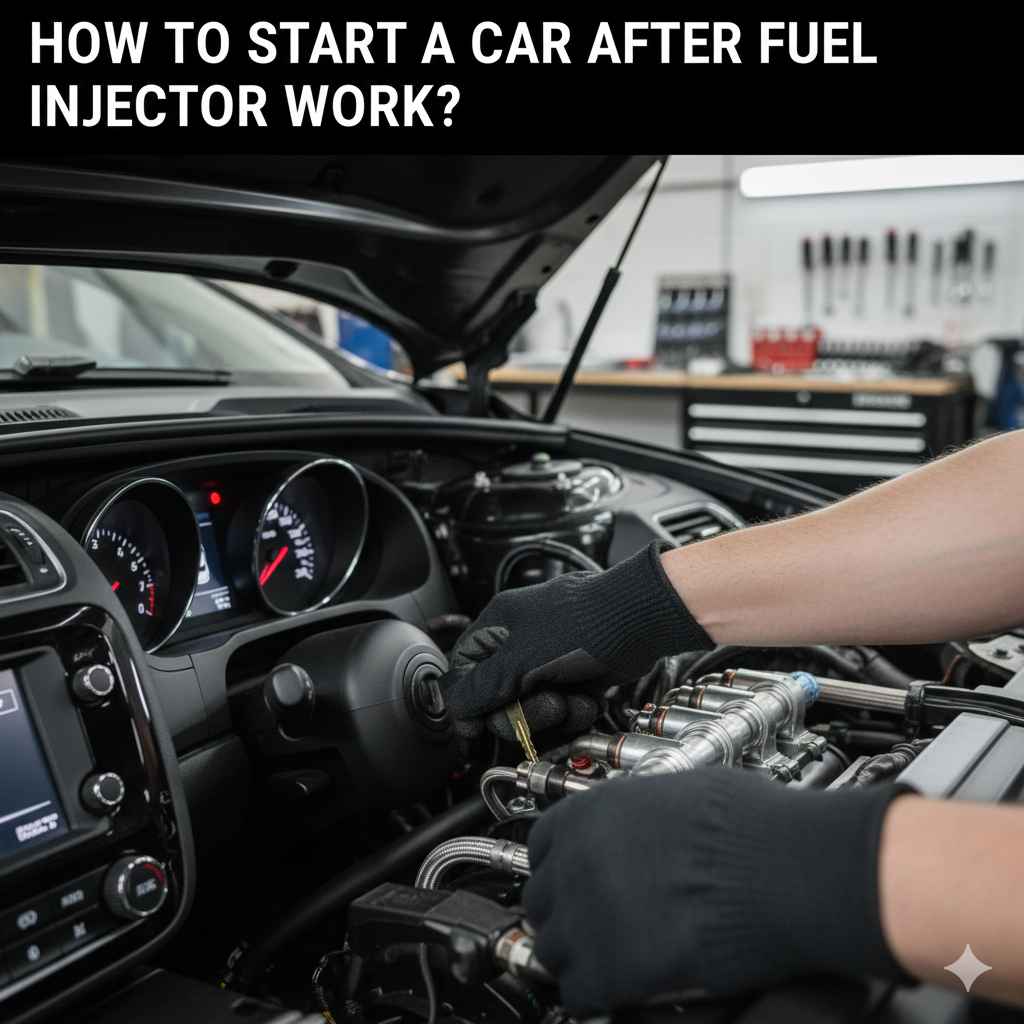
How to Start a Car After Fuel Injector Work?
Changing fuel injectors is a job many car owners try. But, after the work is done, the biggest question is: How to Start a Car After Changing Fuel Injectors? It can be tricky! You might have trouble getting the engine to fire up. Don’t worry, it’s usually something simple. This guide makes it easy. We’ll give you clear steps to get your car running smoothly again. Keep reading, and you’ll be driving in no time!
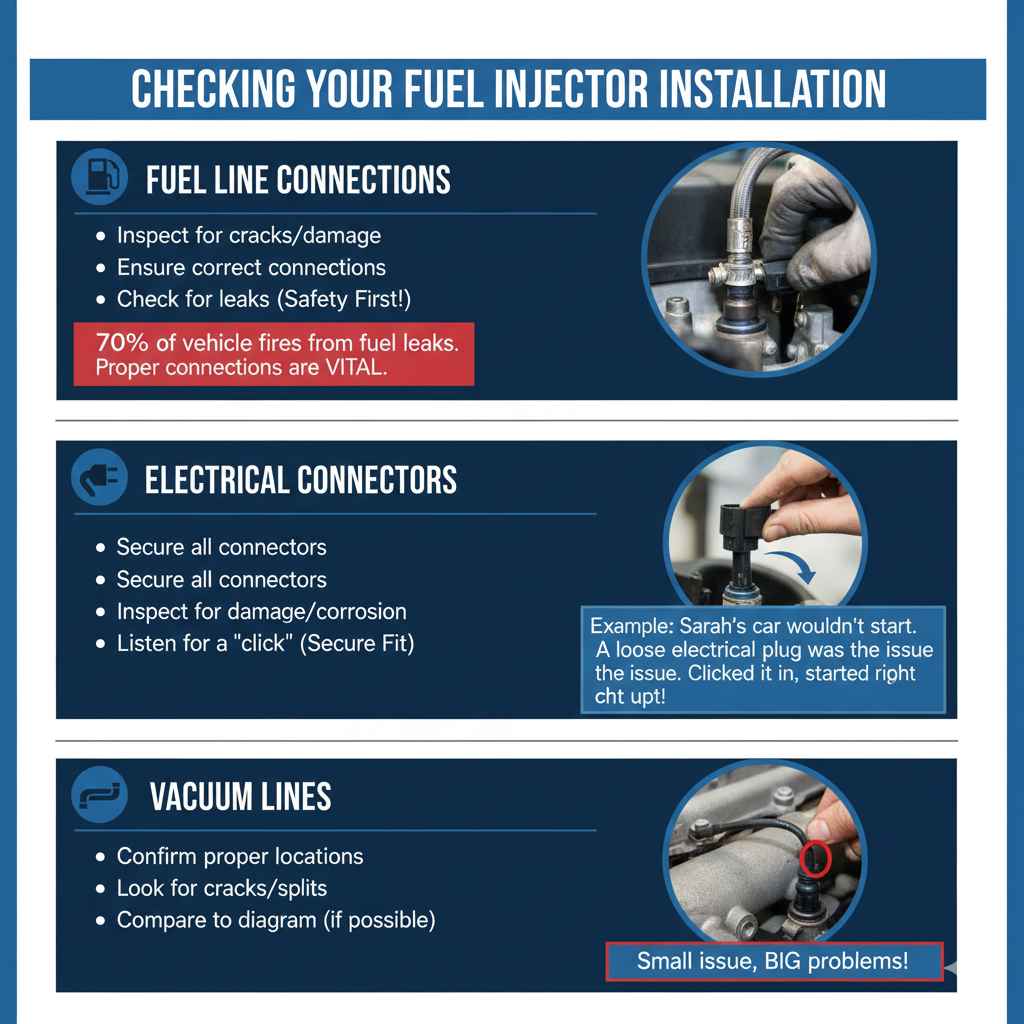
Checking Your Fuel Injector Installation
Before you even think about turning the key, you need to be sure everything is put back together right. This is where many problems start. Small mistakes can cause big issues. Double-checking is your friend! Take your time, and go slow. This step sets the stage for success. Proper installation is the foundation for getting that engine roaring again. Be patient, and review your work to avoid future headaches.
Fuel Line Connections
Fuel lines carry gas to your engine. These must be connected properly. Leaks are a big no-no. They’re dangerous. They can also prevent your car from starting. Look for any loose connections. Make sure the fuel lines are securely fastened to the fuel injectors. Many fuel lines use clips or clamps. Ensure these are properly attached. Consider this a critical safety check. Once connected, a gentle tug on the lines is a good idea. This confirms they are properly seated. Any sign of a leak means immediate attention is needed. Safety first! A leak can lead to a fire.
- Inspect the fuel lines for any cracks or damage.
- Ensure the fuel lines are connected to the correct fuel injectors.
- Check for any fuel leaks after connections are made.
Did you know? According to the National Fire Protection Association (NFPA), vehicle fires account for a significant number of fires each year. Fuel leaks are a major contributor. Ensuring proper fuel line connections is a vital safety measure. This highlights the importance of thoroughness. Preventing fuel leaks protects you and your car.
Electrical Connectors
Fuel injectors need power to work. This power comes from electrical connectors. These plugs fit onto the injectors. Make sure these connectors are plugged in. A loose or disconnected wire prevents the injectors from working. It’s like a light switch that isn’t turned on. The injectors won’t spray fuel, and the engine won’t start. Carefully check each connector. They should click when they are correctly seated. Check for any bent pins or damage to the connectors. Fixing these issues now saves you time later. It avoids a frustrating no-start situation.
- Ensure all electrical connectors are securely attached to the fuel injectors.
- Inspect connectors for any damage, corrosion, or broken wires.
- Listen for a click when connecting the electrical connectors, indicating a secure fit.
Consider this example: Sarah, after replacing her fuel injectors, couldn’t get her car to start. She double-checked everything. She then noticed a single electrical connector wasn’t fully seated. After clicking it in, her engine fired right up! This underlines the significance of this step. Even a small disconnect can prevent the engine from working.
Vacuum Lines
Vacuum lines play a role in how your engine runs. These lines attach to different parts of the engine. Some of them connect to the fuel system. Make sure these are connected correctly. A disconnected or damaged vacuum line can cause problems. It could cause the engine to stall or not start. Double-check your work to be sure all vacuum hoses are back in their correct spots. Incorrect connections create issues. They can impact engine performance. It might seem like a small thing, but it’s critical. Check the routing of the vacuum hoses. Make sure none are pinched or blocked. Fixing vacuum line issues now will save you a world of hurt. It’s a key part of the process.
- Confirm that all vacuum lines are connected to their proper locations.
- Look for cracks, splits, or loose connections in the vacuum lines.
- Compare the routing of vacuum hoses to a diagram or reference photo if possible.
Priming the Fuel System After Fuel Injector Replacement
Now that you’ve installed the new fuel injectors, it’s time to get gas flowing. Sometimes, the fuel system loses pressure when you change injectors. This means the fuel needs to be pumped back in. Priming the fuel system pushes fuel back to the injectors. This is often an overlooked, yet vital step. It can make all the difference between a quick start and a frustrating cranking session. This task ensures the fuel is ready to flow the moment you try to start the car. It helps to prevent dry starts that can damage the engine.
Methods of Priming
There are a few ways to prime the fuel system. The method you use depends on your car. Some cars have a fuel pump relay. Some have a fuse. Others may have other ways to do it. You want to make sure the fuel pump works. This pump pushes the fuel. It sends fuel from the tank to the engine. Find out how your car’s fuel system works. Learn where the fuel pump relay or fuse is. Each vehicle is a bit different. Your car’s service manual will show you the exact procedure. It gives you clear directions. It also explains which steps to follow. Once you understand the process, priming the fuel system is straightforward. It’s usually a simple task. It’s an important part of successfully starting your car.
- Use the key: Turn the key to the “on” position without starting the engine for a few seconds. Do this several times. This lets the fuel pump run and build pressure.
- Listen for the pump: You might hear the fuel pump humming. This confirms it’s working. The sound is usually a low buzz.
- Use the fuel pump relay or fuse: Remove the fuel pump relay or fuse. Then, turn the key to the “on” position. This will remove power from the pump. Wait a few seconds, then replace the relay or fuse. This causes the fuel pump to activate.
Here’s a sample scenario: John replaced his fuel injectors. He tried to start the car. It cranked but wouldn’t fire. He then primed the fuel system by turning the key to the “on” position three times. On the fourth try, the engine started right up! This step is key in many situations. It highlights the impact of priming the fuel system. It can make all the difference.
Checking for Leaks
After you’ve primed the fuel system, check for leaks. Fuel can leak if something is not connected properly. Fuel leaks are dangerous. They are also a fire hazard. Look closely around the fuel injectors. Check the fuel lines. Examine all the connections. If you find a leak, don’t start the engine. You need to fix it right away. Tighten connections. Replace damaged parts. Make sure everything is secure. Ignoring a leak can lead to serious problems. Take the time to make sure everything is sealed. Check for the smell of gas, too. If you smell gas, that’s a clue there may be a leak.
- Examine the fuel injectors and fuel lines for any signs of fuel leaks.
- Look for wet spots or fuel drips around the connections.
- Smell for the odor of gasoline, which can indicate a leak.
According to the National Highway Traffic Safety Administration (NHTSA), fuel leaks are a cause of vehicle fires. Taking the time to do a leak check is an essential safety precaution. Prevention is important. That’s why leak checks are vital after any fuel system work. Being thorough can prevent costly repairs.
Troubleshooting No-Start Situations After Fuel Injector Work
You’ve done all the work. You’ve put everything back together. You try to start your car, and. nothing. The engine might crank but not fire. Or, it might not crank at all. Don’t panic! This is common. Many things can cause this. You need to do some detective work. There are a few things that often cause trouble. This is about systematically finding the cause. Using a step-by-step approach is crucial. It helps you find the problem without wasting time.
Checking for Spark
A spark is necessary for your engine to start. The spark ignites the fuel-air mixture. The spark comes from the spark plugs. The ignition system provides the power. Without a spark, the engine won’t fire. Remove a spark plug from your car. Reconnect it to the spark plug wire. Hold the spark plug against the engine block. Have someone crank the engine. Watch the spark plug. A healthy spark should be blue. A weak spark is usually yellow or orange. If there’s no spark, the engine won’t start. You’ll need to check the ignition system. Things to look for could include the ignition coil or the crank sensor.
- Remove a spark plug from the engine.
- Reconnect the spark plug wire and hold the spark plug against the engine block.
- Have someone crank the engine and observe the spark plug for spark.
Testing Fuel Delivery
Fuel must be delivered to the engine. If fuel isn’t reaching the engine, it won’t start. This could happen if the fuel pump is not working. The fuel filter could be clogged. There are also other potential causes. You can check the fuel delivery. Use a fuel pressure gauge. Attach the gauge to the fuel rail. It measures the fuel pressure. Turn the key to the “on” position. Check to see if the pressure rises. Compare the pressure reading to what your car’s manual says it should be. Low pressure means the fuel pump isn’t working right. The fuel filter could also be the problem. You might have to check fuses or relays. If there is fuel pressure, look at the injectors. They might be clogged or malfunctioning.
- Use a fuel pressure gauge to check fuel pressure at the fuel rail.
- Compare the fuel pressure reading to the manufacturer’s specifications.
- Listen for the fuel pump when turning the key to the “on” position.
Here’s a comparison: Imagine two cars, both with
| Symptom | Possible Cause | Troubleshooting Steps |
|---|---|---|
| Engine cranks but won’t start | No fuel delivery | Check fuel pump, fuel filter, fuel pressure |
| Engine cranks but won’t start | No spark | Check spark plugs, ignition coil, crank sensor |
| Engine won’t crank | Dead battery | Check battery voltage, charge or replace the battery |
How to Start a Car After Fuel Injector Replacement
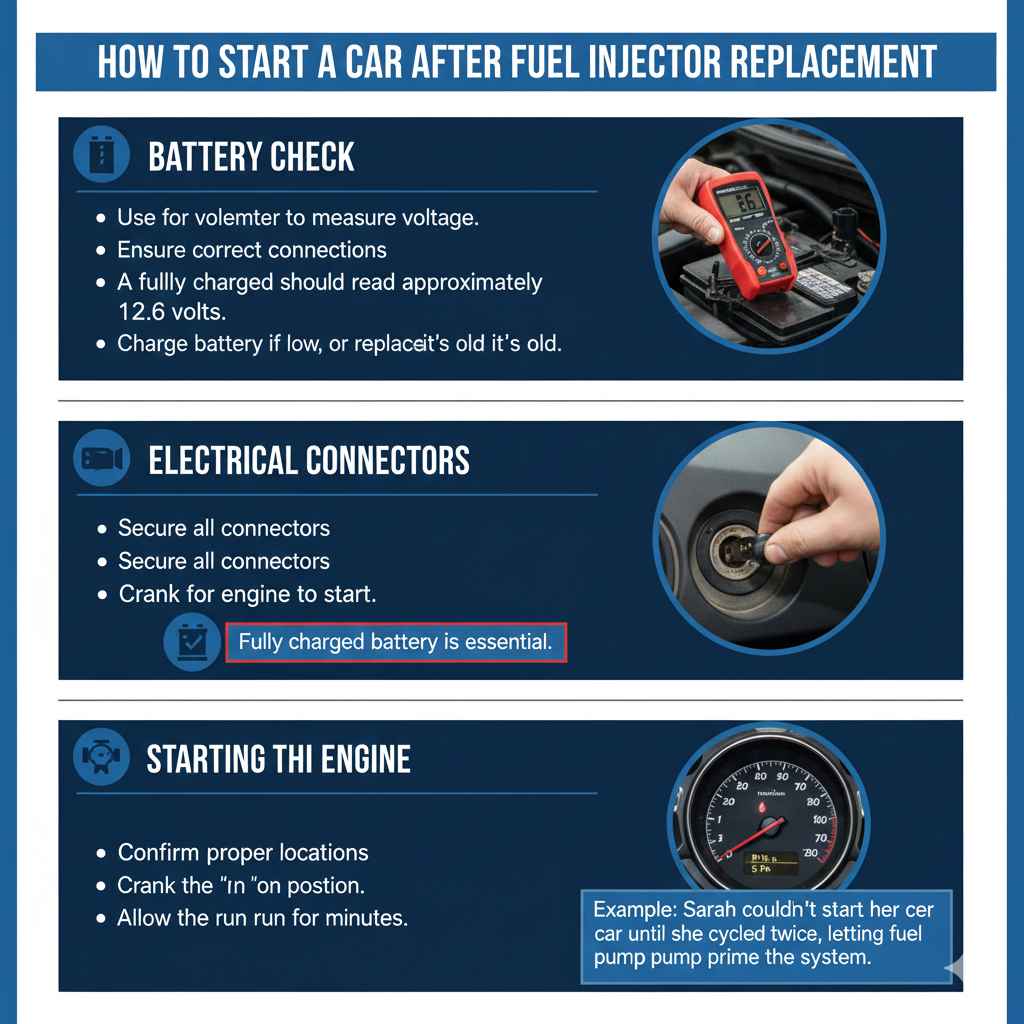
You’ve fixed any issues. Now it’s time to actually start your car after the fuel injector work. The most important thing is to follow the steps in the correct order. Going step by step will increase your chances of success. A methodical approach removes guesswork. You have already completed the major work. Now, getting the engine to run is the goal. This section guides you through the final actions. It ensures you have a smooth start.
Battery Check
Make sure your battery has enough power. It takes a lot of energy to start an engine. The starter motor needs power. The spark plugs need power. The fuel pump needs power. If the battery is weak, the engine won’t start. Check the battery voltage. Use a voltmeter. It should read around 12.6 volts when the car is off. If the voltage is low, charge the battery. If the battery is old, it might need to be replaced. A fully charged battery is essential. It’s the first step to starting your car. This makes a successful start more likely.
- Use a voltmeter to measure the battery voltage.
- A fully charged battery should read approximately 12.6 volts.
- Charge the battery if the voltage is low, or replace it if it’s old.
Starting the Engine
Once you’ve done everything, it’s finally time to try starting the engine. Get in the car and make sure everything is ready. Turn the key and listen. The engine should turn over and start. It may take a few tries. If the car starts, let it run. Listen for any unusual sounds. Watch the gauges. Make sure everything looks normal. If the car doesn’t start, don’t give up. Go back through your checklist. Recheck everything. Try again. You might need to cycle the key. Turn it to the “on” position. Let the fuel pump prime the system. Then try starting the car. Be patient, and don’t force it.
- Insert the key into the ignition and turn it to the “on” position.
- Crank the engine to start.
- Allow the engine to run for a few minutes.
Consider this real-life scenario: A person
Frequently Asked Questions
Question: Why won’t my car start after changing fuel injectors?
Answer: There are many reasons. The fuel lines might not be connected. The electrical connections could be loose. The fuel pump might not be working. Also, there might be no spark. Work through the troubleshooting steps.
Question: How do I prime the fuel system?
Answer: Turn the key to the “on” position without starting the engine for a few seconds. This allows the fuel pump to build pressure. You may hear the pump running. Repeat this a few times before attempting to start the engine.
Question: What if I smell gas after changing fuel injectors?
Answer: If you smell gas, there’s likely a leak. Immediately turn off the engine and check all fuel connections. Look for wet spots or drips. Tighten any loose connections. If the leak continues, don’t start the car. It must be repaired before you operate the vehicle.
Question: What’s the best way to troubleshoot a no-start condition?
Answer: Use a methodical approach. First, check for fuel delivery. Then check for spark. Make sure the battery has enough power. Check all connections and vacuum lines.
Question: Can I damage the engine if it won’t start right away?
Answer: Continuously cranking an engine without it starting can cause some wear. It’s generally a good idea to limit the cranking attempts. Stop cranking the engine after a few tries. Check for problems. Fix the problems. Then try again.
Final Thoughts
You now have a clear guide on How to Start a Car After Changing Fuel Injectors. You’ve explored all the essential steps. We covered everything from fuel line connections to troubleshooting. Remember, safety always comes first. Double-check all connections. Priming the fuel system is key. Don’t be afraid to take your time. If your car won’t start, don’t worry. Review the steps and find the problem. This guide will help you. You have learned a lot. Now, go out there, and start your car! You can do it! Drive with confidence, knowing you have the skills to handle this task. You now know what to do.