How to Stop Your Car Alarm from Draining Your Battery
A healthy car alarm draws only 20 to 50 milliamps at rest — not enough to kill a battery in a normal week. But a bad ground, a stuck sensor, or an aftermarket alarm wired straight to the battery instead of through the ignition can push that past 100 mA, killing a battery in one to three nights. This guide covers measuring the real draw with a multimeter, causes specific to alarm systems, and how to fix the drain.
Insert your Affiliate Disclosure reusable block here.
Quick Answer
A factory or properly wired aftermarket alarm draws 20 to 50 mA at rest, which a healthy battery handles for weeks. If your battery dies in a day or two, pull the alarm fuse first — if the drain stops, the alarm or its wiring is the cause. Confirm with a multimeter reading over 100 mA before replacing parts.
Why Car Alarms Drain Batteries
Car alarms are great for keeping thieves away, but they can be battery hogs when something’s wrong. Aftermarket alarms, unlike factory ones, are sometimes wired straight to the battery instead of through an ignition-switched or relay-controlled circuit, so they never fully power down — even parked for days. If the alarm’s faulty, poorly grounded, or poorly installed, it can drain your battery fast, sometimes overnight. Older batteries are especially at risk since they hold less charge to begin with. If you’ve ruled out the alarm entirely, our guide on why car batteries die fast covers the other common causes, from a weak charging system to corroded terminals.
Is Any Battery Drain From Your Alarm Normal?
Some draw is normal. A car alarm is an electronic system that stays partially powered even with the engine off, so it can watch for a break-in. A factory alarm typically pulls 20 to 50 mA at rest, and an aftermarket unit installed correctly draws in roughly the same range. That level of draw won’t meaningfully affect a healthy battery over a few days or even a couple of weeks parked.
The problem is excessive draw, not the presence of draw itself. A reading that climbs past 75 to 100 mA usually means something is malfunctioning — the alarm module isn’t entering its low-power sleep state, a sensor is repeatedly false-triggering and re-arming, or a short is bleeding current straight to ground. At that rate, a battery that would normally last weeks can go flat in a day or two.
📊 A parasitic draw under 50 mA is considered normal on most vehicles; a reading above 100 mA is flagged as a fault worth chasing down. — Source: Fluke, Digital Multimeter Guide
Common Causes of Battery Drain
Before we fix it, let’s pinpoint why your alarm’s draining the battery. Here are the main culprits:
- Faulty Alarm System: Old or broken alarms trigger randomly, using extra power each time they re-arm.
- Bad Wiring or a Bad Ground: Frayed, shorted, or poorly grounded wiring can keep the alarm module from ever entering its low-power sleep state, so it draws continuously instead of a few milliamps.
- Wired to Constant Power, Not the Ignition: Many aftermarket installs tap the alarm straight into the battery instead of an ignition-switched or relay-controlled circuit, so it never fully powers down, even parked for a week.
- Weak Battery: An old battery can’t handle even the alarm’s normal draw and dies faster than it should.
- Sensitive Sensors: Motion or door sensors might trigger too easily, like from a passing cat, and each false trigger re-arming the system adds up.
- Human Error: Leaving a door or trunk ajar can keep the alarm active and drawing power.
I learned this the hard way when my alarm went off because of a loose trunk latch. Checking these causes is your first step.

Tools You’ll Need
To tackle this, grab these simple tools. They’re cheap and easy to find at auto stores or online:
- Multimeter (DC amps capable): Checks both battery voltage and the alarm’s actual current draw. A basic one costs about $10 to $20.
- Screwdriver Set: For removing panels to check wiring. A $5 set works fine.
- Electrical Tape: Fixes frayed wires. Get a roll for $2.
- Owner’s Manual: Helps locate your alarm’s fuse and wiring. It’s usually in your glovebox.
You don’t need fancy gear. These basics got me through my car alarm mess!
Step-by-Step Guide to Stop Car Alarm from Draining Battery
Here’s a simple plan to stop your car alarm from killing your battery. Follow these steps, and you’ll be back on the road — no sweat!
Step 1: Confirm the Battery Itself Is Healthy
First, check if your battery’s healthy. Use a multimeter set to DC volts to measure its voltage. A good battery reads about 12.6 volts when the car’s off and around 14 volts when running. If it’s below 12 volts, your battery might be weak — charge it or replace it if it’s over three years old. A weak battery can struggle even with the alarm’s normal 20 to 50 mA draw, so this step rules out the battery itself before you go chasing the alarm.
Step 2: Measure the Alarm’s Actual Draw With a Multimeter
A voltage reading tells you the battery’s condition, but it won’t tell you how much current the alarm is actually pulling — for that you need an amperage test. Turn everything off and wait 20 to 30 minutes for the car’s electronic modules to enter sleep mode. Set your multimeter to DC amps (start on the highest range, usually 10A), disconnect the negative battery cable, and connect the meter in series between the negative post and the disconnected cable. A reading under 50 mA is normal; anything consistently over 100 mA points to a real fault, and you can move to the fuse-pull test below to isolate exactly which circuit is responsible.
Never start the engine while the multimeter is connected in series like this — the sudden current spike can blow the meter’s internal fuse or damage it.
Step 3: Inspect the Alarm System and Wiring
Look at your alarm’s control unit, usually under the dashboard. Check for loose or damaged parts, and make sure connections are tight and wires aren’t frayed. I found a rusty wire in my car causing trouble. Use electrical tape to fix small wire issues or replace damaged ones. While you’re in there, confirm the alarm is wired through an ignition-switched or relay-controlled circuit rather than tapped directly into the battery’s constant power — a properly installed aftermarket alarm should power down along with the rest of the car’s accessories, not stay hot around the clock. This step can stop random triggers and, if the wiring is the real problem, bring the draw back down to that normal 20-to-50-mA range.
Step 4: Check the Alarm Fuse
Find your alarm’s fuse in the car’s fuse box — check your owner’s manual for its spot. Pull the fuse and watch your multimeter reading, or leave it out overnight and see if the drain stops. If the reading drops or the battery holds strong, the alarm’s the problem. Keep the fuse out temporarily to avoid further drainage while you plan the next steps.
“I pulled my Civic’s alarm fuse overnight after suspecting it was the drain — the battery held a full charge by morning. That one test told me exactly where to keep looking.”
Step 5: Test Sensors
Car alarms have sensors for doors, trunks, or motion. A sensitive sensor might trigger the alarm too often, and each false re-arm adds to the draw. Open and close all doors and the trunk to ensure they latch properly. My trunk sensor was too sensitive, so I adjusted it with a screwdriver. If sensors are faulty, consider replacing them or disabling the alarm.
Step 6: Disconnect the Alarm (If Needed)
If the alarm’s still draining the battery, disconnect it. Find the alarm’s main unit and unplug its wiring harness. Tape the exposed wires to avoid shorts. This fixed my Civic’s issue, but it means no alarm protection. If you’re not comfortable doing this, a mechanic can help for about $50 to $100.
Step 7: Consider a Battery Tender
For cars parked a while, a battery tender keeps the battery charged. It’s like a phone charger for your car! Plug it in when parked for days. A good tender costs around $30 and saved my battery during long trips. It’s a great backup plan even after the alarm issue is fixed.
Test the Alarm’s Draw the Right Way
A dedicated parasitic draw tester takes the guesswork out of Step 2 and Step 4 above — you clamp it onto the battery terminals, watch the built-in display, then pull fuses one at a time until the reading drops. Here’s what we’d reach for.
Best Parasitic Draw Tester Pick

Parasitic Battery Drain Tester with Voltage Display
Clamps onto the battery terminals and shows current draw on a built-in screen — no separate multimeter to wire up.
- Best for: Finding exactly which fuse circuit is causing excessive alarm-system drain.
- Why we picked it: Built for this exact job — clamp on, pull fuses one at a time, watch the reading drop when you hit the culprit.
- Main drawback: Only handles this one diagnostic task — it won’t replace a general multimeter for other car repairs.
Compare more battery-testing options
 Option 1 INNOVA 3320 Auto-Ranging Digital Multimeter
|
 Option 2 1mA DC Clamp Meter
|
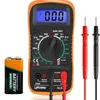 Option 3 Digital Multimeter Voltmeter
|
As an Amazon Associate we earn from qualifying purchases.
Comparison of Solutions
Here’s a table comparing ways to stop battery drain. It helped me choose what worked best.
| Solution | Cost | Difficulty | Time Needed |
|---|---|---|---|
| Test Battery Voltage | $10-$20 | Easy | 10 minutes |
| Measure Draw With Multimeter | $10-$20 | Medium | 30 minutes (incl. sleep wait) |
| Inspect Wiring | $2 | Medium | 20 minutes |
| Pull Alarm Fuse | $0 | Easy | 5 minutes |
| Adjust Sensors | $0-$20 | Medium | 15 minutes |
| Disconnect Alarm | $0-$100 | Hard | 30 minutes |
| Use Battery Tender | $30 | Easy | 5 minutes setup |
Table 1: Comparing solutions to stop car alarm battery drain. Costs and times are approximate based on our own testing and repair experience.
Benefits and Drawbacks
Fixing your car alarm’s battery drain saves you from dead batteries and costly replacements. A new battery can cost $100 to $200. Plus, it stops annoying alarm triggers that bug neighbors. But disabling the alarm means less security, so weigh that risk. Adjusting sensors or wiring can be tricky if you’re not handy. I messed up my first wiring fix — total flop — but practice made it easier.
Personal Tips from My Experience
After fixing my Civic’s alarm, here are my top tips:
- Check Regularly: Test your battery’s resting voltage monthly with a multimeter. It’s a quick habit that catches issues early.
- Avoid Cheap Alarms: Aftermarket alarms under $50 often cause trouble. Spend a bit more for quality, and confirm it’s installed on an ignition-switched circuit.
- Ask for Help: If wiring scares you, call a pro. My neighbor, a mechanic, saved me hours of stress.
I also learned to park in a garage to avoid animals triggering the alarm. It’s a simple trick that works!
Common Mistakes to Avoid
Don’t make these rookie mistakes I did:
- Ignoring the Battery Age: Old batteries die faster with alarms. Replace them every 3 to 5 years.
- Skipping the Manual: Your car’s manual is a goldmine for finding fuses and wiring.
- Cutting Wires Blindly: Don’t snip alarm wires without tracing them. You might kill other systems.
- Assuming Any Draw Is a Problem: A healthy alarm sipping 20 to 50 mA at rest is normal — don’t tear into wiring you don’t need to touch until you’ve actually measured a reading over 100 mA.
Alternative Approaches
If fixing the alarm feels tough, try these options:
- Use a Key Instead of a Fob: Locking with a key avoids arming the alarm. I did this when my fob was glitchy.
- Install a Kill Switch: A switch cuts power to the alarm when parked. It’s a $20 fix but needs some skill — see our breakdown of whether a kill switch can damage your car before wiring one in.
- Upgrade to a Factory Alarm: Factory alarms drain less power. They cost more but are reliable.
Frequently Asked Questions
Why Does My Car Alarm Drain the Battery?
A faulty alarm, bad wiring or ground, or sensitive sensors can keep the alarm active and pulling power well above its normal 20-to-50-mA rest draw. Test the battery voltage and measure the actual current draw with a multimeter to find the cause.
How Do I Know If My Alarm Is Aftermarket?
Check your car’s manual. If the alarm’s not listed, it’s likely aftermarket. Look for non-factory wires or a separate fob under the dash.
Can a Weak Battery Cause Alarm Issues?
Yes, a weak battery can’t handle even the alarm’s normal draw, causing random triggers or a dead battery faster than expected. Test voltage with a multimeter and replace the battery if it reads below 12 volts.
How Much Does It Cost to Fix an Alarm Drain?
DIY fixes cost $0 to $30 for tools and tape. A mechanic might charge $50 to $100 to disconnect or repair the alarm. Battery tenders run about $30, and a dedicated parasitic draw tester runs $20 to $40.
Can I Disable My Alarm Without a Mechanic?
Yes, pull the alarm’s fuse or unplug its wiring harness. Check your manual for the fuse location, and tape any exposed wires to avoid shorts.
Will Disconnecting the Alarm Hurt My Car?
No, but you’ll lose theft protection. Ensure wires are insulated to prevent electrical issues. A pro can confirm it’s safe for your specific vehicle.
How Long Does a Car Battery Last with an Alarm?
With normal 20-to-50-mA draw, a healthy battery lasts weeks between drives. A faulty alarm pulling over 100 mA can drain the same battery in a day or two. Regular checks and a battery tender extend battery life either way.
Conclusion
Stopping your car alarm from draining your battery is easier than it sounds. Test your battery, measure the actual draw with a multimeter, check the wiring, and pull the fuse if needed. These steps saved my Civic and my sanity. For more car tips, check trusted sites like NAPA Auto Parts or Car and Driver.
Products related to this article
Sponsored / affiliate links. As an Amazon Associate I earn from qualifying purchases. I may earn additional commission from eligible campaigns.