How Long Will a Car Battery Power a TV? Hours by Wattage
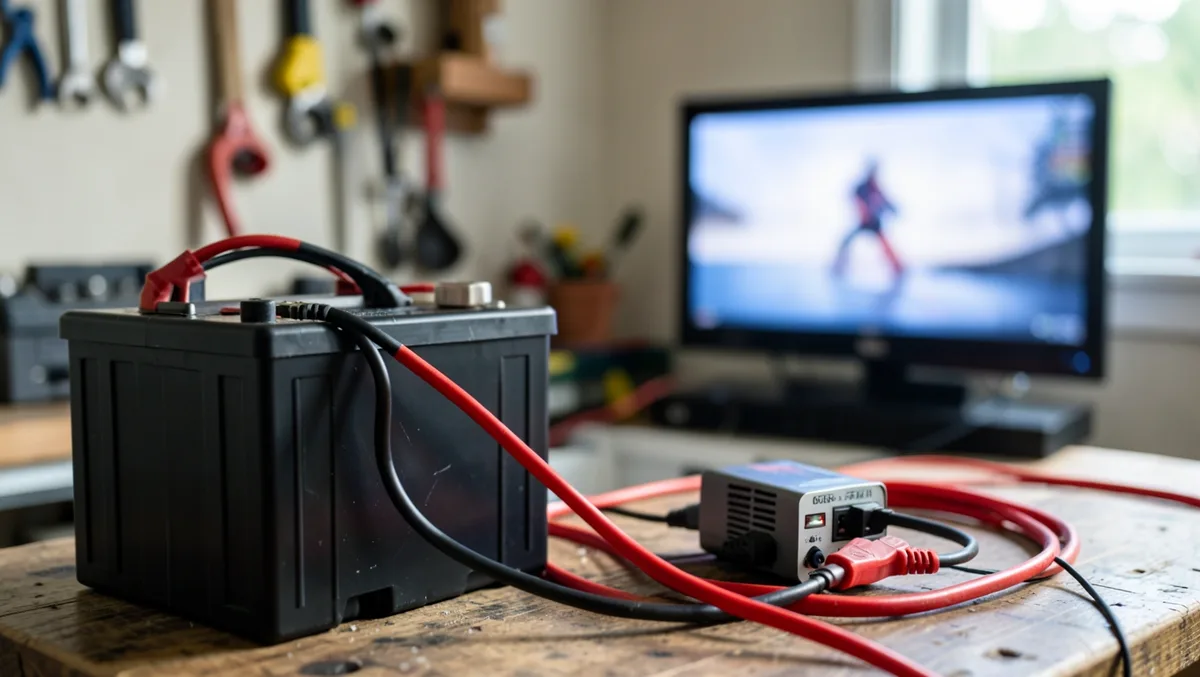
A typical passenger-car battery (40-70Ah) can safely run a 50-watt TV for about 5 hours and a 100-watt TV for about 2.5 hours through a power inverter, once you apply the 50% depth-of-discharge limit lead-acid batteries need and account for inverter losses. A larger 75-100Ah truck battery stretches that to roughly 4-8 hours depending on the TV.
Push past that safe limit and you risk two things: permanent damage to the battery’s plates from deep discharge, and not enough charge left to start your engine. The numbers below show the real math behind these estimates, not just a rule of thumb.
How Much Energy Does a Car Battery Actually Store?
BEST FOR RUNNING A TV OFF A CAR BATTERY
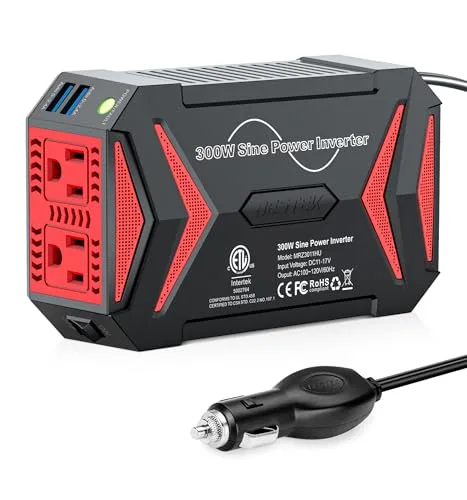 |
BESTEK 300W Pure Sine Wave Power Inverter – $38.93 A 300W pure sine wave inverter has enough headroom to safely run even a 100W TV, and pure sine wave power avoids the flickering or shutdown issues a cheaper modified sine wave inverter can cause on a modern smart TV.
|
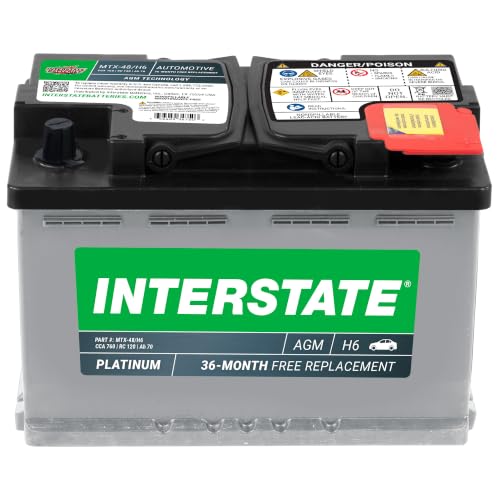
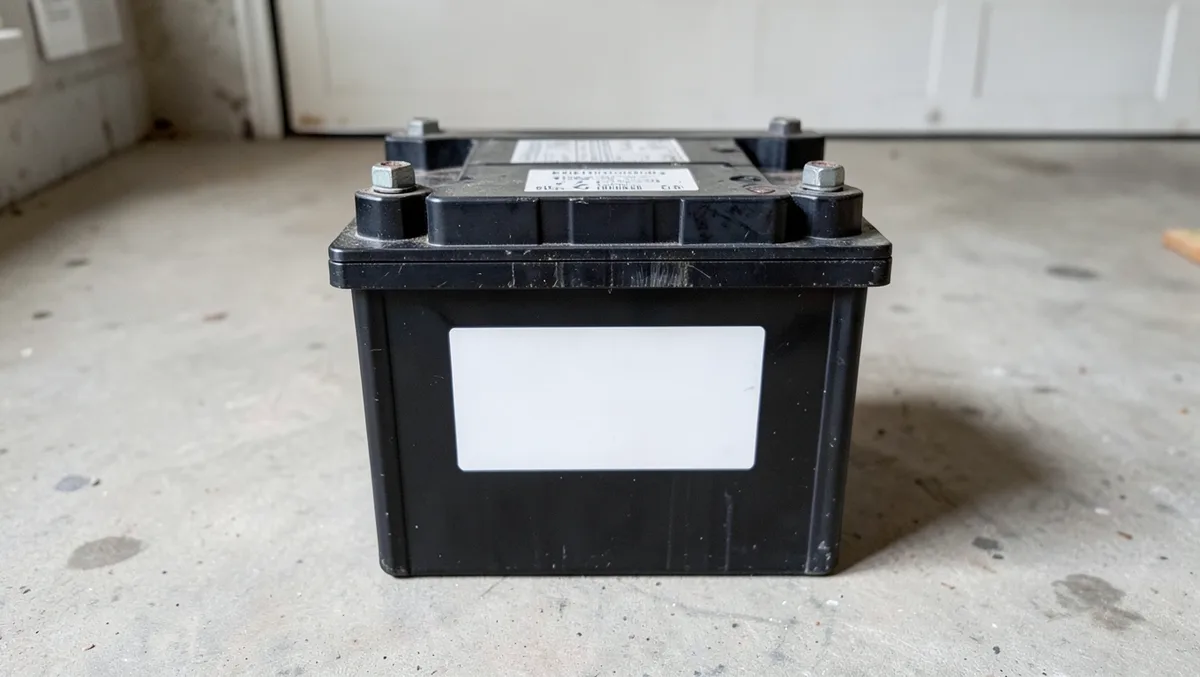
A car battery’s capacity is rated in amp-hours (Ah) — a measure of how much current it can deliver over time. Most passenger-car starting batteries fall in the 40-70Ah range, while larger trucks and SUVs often use 75-100Ah batteries. To find out how much total energy that represents, multiply the amp-hour rating by the battery’s voltage (12V for virtually every car battery on the road):
Watt-hours (Wh) = Amp-hours (Ah) × Voltage (V)
A common 50Ah battery, for example, stores 50 × 12 = 600 watt-hours. That sounds like plenty for a TV that draws 50-100 watts, but a standard lead-acid starting battery is not built to be drained anywhere near empty. Repeatedly discharging one below about 50% of its rated capacity causes sulfation on the internal plates, which permanently shrinks how much charge it can hold — and it also leaves you without enough reserve to crank the engine. That single rule cuts the real, usable number in half before you even plug anything in.
How Much Power Does a TV Actually Draw?
TV wattage varies more than most people expect, and it’s the other half of the equation. A small 24-32 inch LED TV typically draws 30-50 watts. A mid-size 50-55 inch LED or LCD set usually pulls 60-100 watts. Older plasma TVs and large-screen sets can draw 150-400 watts, which is enough to cut your available runtime by two-thirds or more compared with a small LED. Screen brightness, volume, and picture mode (a “vivid” or “dynamic” setting can draw noticeably more power than “eco” or “standard”) shift the number as well, usually by 10-20% in either direction. The most reliable figure is the wattage printed on the TV’s rating label or in its manual — use that instead of a generic estimate whenever you can.
How to Connect a TV to a Car Battery Safely
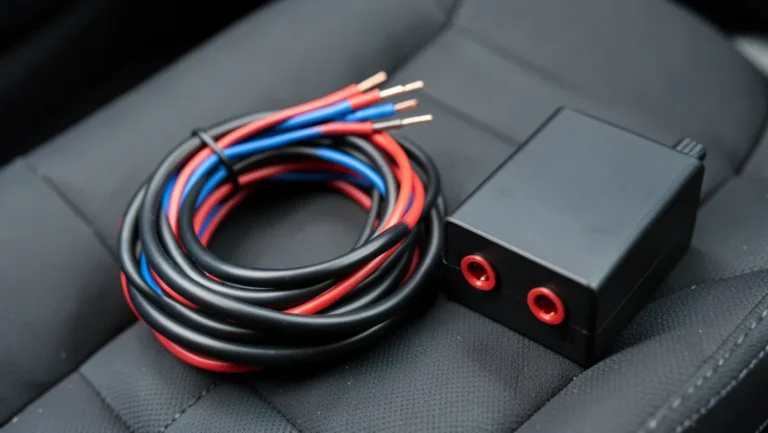
You need three things: a power inverter, cables rated for the current you’ll be drawing, and a fuse between the battery and the inverter. The inverter converts the battery’s 12V DC into the 110-120V AC household current a TV expects. For a TV specifically, a pure sine wave inverter is worth the extra cost over a cheaper “modified sine wave” model — modified sine wave power can cause humming, flickering, or in some cases trip the protection circuits on a modern smart TV’s power supply, while a pure sine wave inverter mimics the clean AC power a wall outlet delivers.
Match the inverter’s wattage rating to the TV with headroom to spare — a 300W inverter comfortably runs even a 100-150W TV without straining, while a 150W inverter cutting it close to a TV’s peak draw (TVs pull slightly more power at startup than during steady playback) can trip the inverter’s overload protection. Keep connections tight, keep the setup away from water, and never let both battery terminals touch the same metal object at once — that’s a direct short circuit.
The Real Math: How Long Will a Car Battery Actually Run a TV?
Here’s the full calculation, with the 50% depth-of-discharge limit and a realistic 85% inverter efficiency built in (inverters lose some energy as heat converting DC to AC — 85-90% efficiency is typical for a decent unit):
Runtime (hours) = [Battery Ah × 12V × 0.5 × 0.85] ÷ TV Watts
| Battery Size | TV Wattage | Total Stored | Usable (50% DoD) | Real Output (after inverter loss) | Estimated Runtime |
|---|---|---|---|---|---|
| 50Ah | 50W (small LED) | 600Wh | 300Wh | 255Wh | ~5.1 hours |
| 50Ah | 100W (mid-size LED) | 600Wh | 300Wh | 255Wh | ~2.5 hours |
| 75Ah | 50W (small LED) | 900Wh | 450Wh | 382.5Wh | ~7.7 hours |
| 75Ah | 100W (mid-size LED) | 900Wh | 450Wh | 382.5Wh | ~3.8 hours |
Notice how much smaller these numbers are than a “naive” calculation that skips the 50% rule and the inverter loss — dividing a 100Ah battery’s full 1,200 watt-hours straight by a 60-watt TV gives 20 hours, but the real, safe figure is closer to 8.5 hours once you protect the battery and account for real-world losses. Most online battery calculators quote the naive version, which is why the numbers you’ll see elsewhere often look too good to be true.
How Battery Age and Condition Change the Numbers
Every one of the figures above assumes a healthy battery at or near its rated capacity. Lead-acid batteries lose capacity as they age — a battery that’s three to five years old can easily be operating at 70-80% of its original rating even if it still starts the car reliably, which shrinks every runtime estimate by the same percentage. Cold weather makes this worse: a car battery can lose 20% or more of its effective capacity at freezing temperatures. Keeping terminals clean and tight, recharging the battery fully after each use, and avoiding storage in extreme heat all help slow that decline, but there’s no getting around the fact that an aging battery simply won’t power a TV as long as a new one will.
Better Alternatives for Repeated TV Use
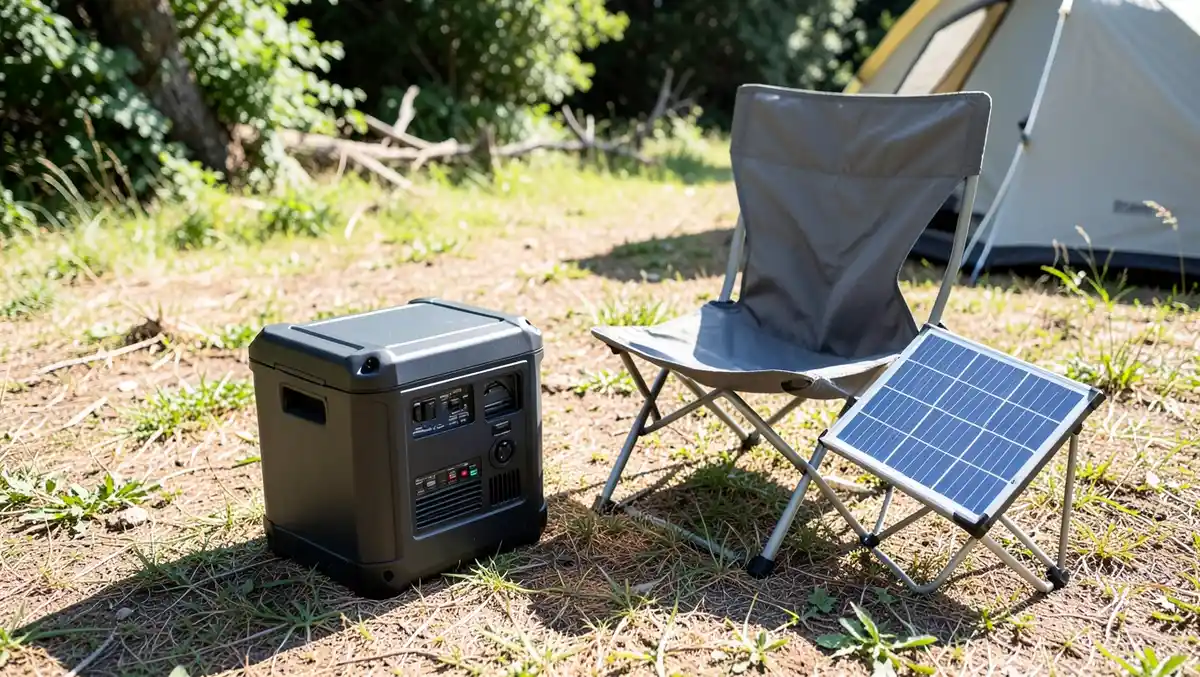
A car’s starting battery is a reasonable option in a pinch, but it’s the wrong tool if you plan to run a TV regularly. A dedicated deep-cycle or lithium portable power station is built to be discharged much further than 50% without damage — many lithium models are rated for 80-100% usable capacity and thousands of charge cycles — so a 500Wh power station realistically delivers close to that full 500Wh, not half of it. They also charge from a wall outlet, a car’s 12V socket, or a portable solar panel, and most include their own USB and AC ports so you’re not juggling separate cables and an inverter.
Solar panels extend that further for multi-day trips: a folding panel charges the power station during daylight hours, and you draw down the stored charge at night. It won’t run a TV directly without a battery buffer in between, since panel output varies with cloud cover and sun angle, but paired with a power station it’s a genuinely renewable way to keep the lights and the screen on for as long as the trip lasts.
Real-World Uses: Camping and Emergencies
Camping and Outdoor Trips
For an evening of movies at a campsite, a healthy 50-70Ah car battery running a small LED TV through a pure sine wave inverter is genuinely practical — the math above puts that comfortably in the 3-6 hour range, which covers most nights without touching the reserve you’d need to start the car in the morning.
Power Outages and Emergencies
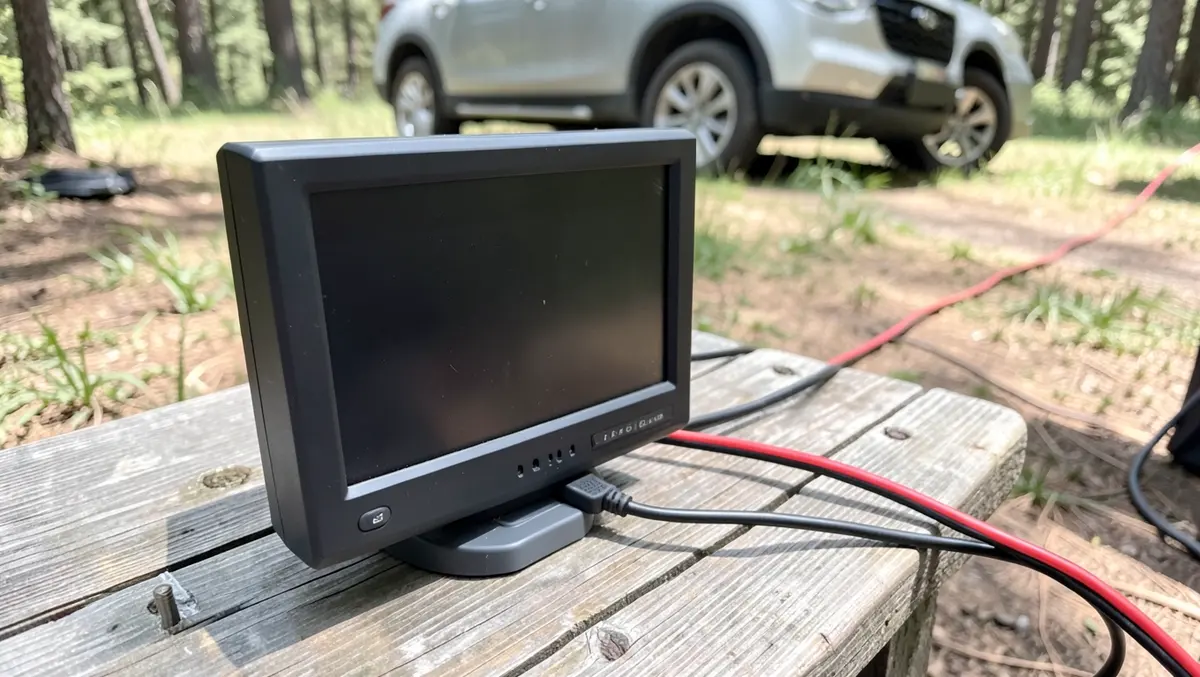
During a storm or an outage, running a TV off the car battery to catch a weather update or an emergency broadcast is one of the more sensible uses of this setup — just watch the runtime numbers above and switch the TV off between updates instead of leaving it on continuously, since you’ll likely still need the car itself to be drivable afterward.
Frequently Asked Questions
How Long Can I Run a TV Off My Car Battery?
Realistically, 2.5 to 5 hours for most passenger-car batteries (40-70Ah) running a typical 50-100 watt LED TV, once you apply the 50% depth-of-discharge safety limit and account for inverter losses. A larger 75-100Ah truck battery can stretch that to roughly 4-8 hours. Use a power inverter matched to the TV’s wattage and avoid draining the battery past that 50% mark.
Can a Car Battery Power a Television?
Yes, through a power inverter that converts the battery’s 12V DC into the 110-120V AC a TV needs. A pure sine wave inverter is the better choice for a modern smart TV, since a cheaper modified sine wave inverter can cause flickering or trip the TV’s own power supply protection. This setup is common for camping trips and power outages, and it should always be monitored to avoid draining the battery below the safe 50% mark.
How Long Will a TV Last on a 12V Battery?
It depends on the battery’s amp-hour rating and the TV’s wattage, but the honest number is lower than a simple online calculator usually suggests. A 100Ah battery stores 1,200 watt-hours (100Ah × 12V), but a lead-acid starting battery should only be discharged to about 50% to avoid damage, leaving roughly 600Wh usable. After typical inverter losses of around 15%, that’s about 510Wh of real output. A 60-watt TV would run for about 8.5 hours (510 ÷ 60) — not the 20 hours you’d get by dividing the full 1,200Wh by 60 watts without those two adjustments.
What Size Battery Do I Need to Power a TV?
Start with the TV’s wattage and how many hours you want to run it, then divide by 0.5 (the 50% depth-of-discharge limit) and by 0.85 (typical inverter efficiency) to find the total battery capacity you actually need. For example, running a 100-watt TV for 2 hours requires 200 watt-hours of real output, which works out to about 470 total watt-hours — roughly a 40Ah battery at 12 volts, on top of whatever reserve you want to keep for starting the car. If you plan to run a TV often, a dedicated deep-cycle or lithium battery is the better choice, since those can be discharged much further than 50% without damage.
Conclusion
A healthy car battery can power a TV for a few hours, but the real number depends on the battery’s amp-hour rating, the TV’s wattage, and the 50% depth-of-discharge limit that protects a lead-acid battery from damage. Run the math above for your own battery and TV before you rely on it, and use a voltage check beforehand so you know what capacity you’re actually starting with.
If you plan to do this often, treat it as a sign you’d benefit from a dedicated power source rather than your starting battery. A similar setup for smaller loads and keeping the battery properly charged between uses will both help it last through more evenings before it needs replacing.
Products related to this article
Sponsored / affiliate links. As an Amazon Associate I earn from qualifying purchases. I may earn additional commission from eligible campaigns.