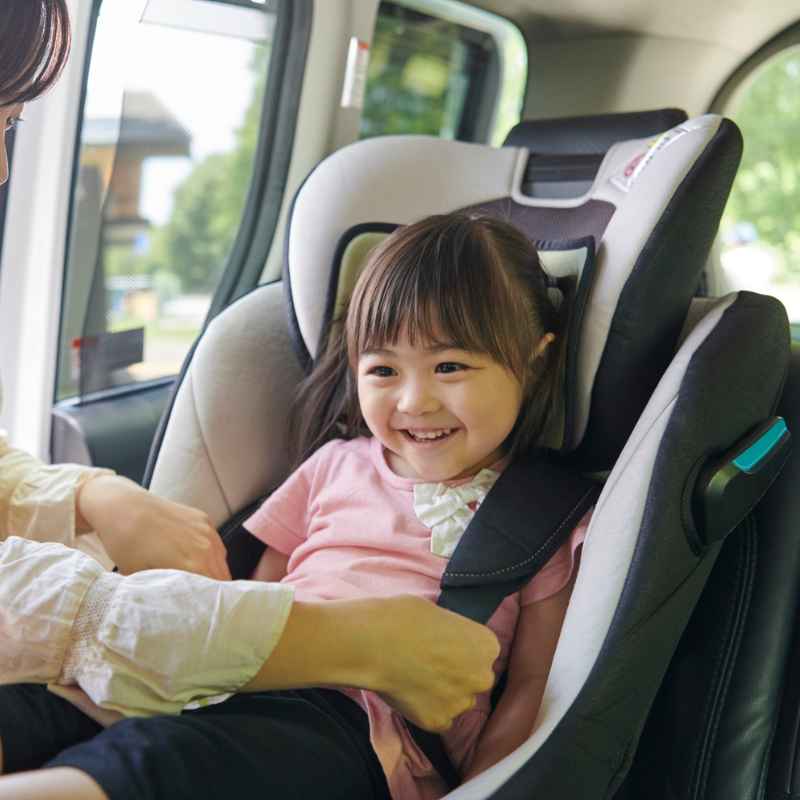
How To Change A Graco Car Seat Into A Booster Seat Easy
Changing a Graco car seat into a booster seat involves specific steps. It usually means removing the harness and using the vehicle’s seat belt. Graco models vary. Always check your seat’s manual. Key steps include finding the harness release. Then, you secure the booster with the vehicle seat belt. Your child then uses the vehicle belt.
What is a Convertible Car Seat?
Many parents start with a convertible car seat. These seats are great. They can be used for infants and toddlers.
They often have a rear-facing mode. Then, they can switch to a forward-facing mode. Many convertible car seats can also transform into a high-back or backless booster seat.
This is what makes them “convertible.” They grow with your child for many years. It saves money and hassle.
The main goal of a convertible seat is to provide safety as your child grows. They have different stages. First, you use the harness.
This is for younger children. It keeps them snug and secure. As they get bigger, you remove the harness.
Then, you use the seat’s booster mode. The vehicle’s seat belt then secures your child. This is a big milestone!
Graco makes many popular convertible seats. Examples include the Graco 4Ever, Graco Nautilus, and Graco Extend2Fit. Each model has its own way of converting.
But the general idea is the same. You’re essentially repurposing the seat shell. You are using it as a platform for the car’s seat belt.
This is why knowing your specific model is key.

Why Transition to a Booster Seat?
Children outgrow car seats based on weight and height limits. These limits are clearly stated on the car seat. They are also in the manual.
Once your child reaches these limits, they need a different type of restraint. A booster seat is the next step. It’s not just about hitting a certain age.
It’s about physical size.
Booster seats work by lifting your child up. This lets the adult seat belt fit them properly. A seat belt is designed for a grown-up body.
It sits across the strong bones of the chest and hips. For a child who is too small, the seat belt can be dangerous. It might cross their stomach.
It might hit their neck. This can cause serious injury in a crash.
The booster seat acts as a “booster” for the belt. It positions the lap belt low. It positions the shoulder belt correctly across the chest.
This is crucial for safety. Think of it as the seat belt getting a proper fit. It’s like tailoring clothes for your child’s growing body.
They need the right fit to be protected.
Most children are ready for a booster seat when they’ve outgrown their forward-facing harnessed seat. This is usually between ages 4 and 8. However, the weight and height limits are the true guides.
Also, the child must be mature enough. They need to sit properly in the booster without slouching. This is very important for safety.
Graco Convertible Seats: Common Models and Features
Graco offers a wide range of convertible car seats. Many of these are designed to grow with your child. They often have multiple modes.
The most common modes are harnessed forward-facing and booster seat. Some also have a high-back booster mode and a backless booster mode.
The Graco 4Ever series is a very popular example. It’s often advertised as “4-in-1” or “6-in-1.” This means it can be used in four or six different ways. These ways usually include rear-facing, forward-facing with harness, high-back booster, and backless booster.
It’s designed to be the only seat you’ll need.
Another common model is the Graco Nautilus. This one typically converts from a forward-facing harnessed seat to a high-back booster and then a backless booster. It’s a solid choice for many families.
It offers good adjustability and safety features.
The Graco Extend2Fit series is known for its extended weight limit for rear-facing. But it also converts to a forward-facing harnessed seat and then a booster. These seats are built to last.
They support your child through many stages of their growth.
Understanding your specific Graco model is vital. Each seat has a manual. This manual is your best friend.
It has detailed instructions. It shows you exactly how to make the changes. It also tells you the weight and height limits for each mode.
Don’t guess. Always refer to the manual for your seat.
When is Your Child Ready for a Booster?
This is a question many parents ask. The decision isn’t just about reaching a certain age. It’s a mix of factors.
Your child’s physical growth is the first big clue. Most car seats have a maximum forward-facing harness weight and height limit. When your child reaches these, they’ve outgrown the harness.
They are likely ready for a booster.
For most children, this happens between 4 and 8 years old — see our guide on what age kids typically need a booster seat. However, some children are larger or smaller. Always check the labels on your car seat.
Look for the weight and height limits. They are usually on a sticker on the seat. The manual will also state them clearly.
Beyond physical limits, there’s a maturity factor. Children need to be able to sit properly in a booster. This means sitting up straight.
They must keep the lap belt low on their hips. The shoulder belt must cross their chest. They cannot slouch or lean.
If they tend to wiggle a lot, they might not be ready yet.
Ask yourself these questions:
- Has my child reached the maximum weight or height for the harness?
- Can my child sit still for the entire car ride?
- Does my child understand to keep the seat belt in the correct position?
If the answer to most of these is yes, they are likely ready. If not, they might need more time in the harness.
It’s also important to remember that a booster seat is a step. It’s not the final step. Eventually, your child will be tall enough for the adult seat belt to fit them correctly.
This usually happens when they are about 4 feet 9 inches tall. They also need to be able to sit properly without a booster. This is typically around age 8 to 12.
But again, height is the main guide.
I remember when my oldest was getting close to the limits of his harness. He was so excited about becoming a “big kid.” We talked about it a lot. I explained how the booster worked.
I showed him how the seat belt would fit him better. He was eager to try. But the first few rides, he kept slouching.
He wanted to lie down. We had to remind him constantly. It took a few weeks for him to get used to sitting properly.
Patience is key.
Steps to Convert a Graco Seat to Booster Mode (General Guide)
Converting your Graco convertible car seat to booster mode is usually straightforward. But remember, always consult your specific Graco car seat manual. The exact steps can vary slightly between models.
It’s crucial to follow your manual precisely for safety.
Here’s a general outline of what you’ll likely do:
Step 1: Prepare the Seat
Park your car on a level surface. Make sure the car is turned off. Engage the parking brake.
You don’t want the car to move.
Step 2: Remove the Harness
This is the most involved part. You need to detach the harness straps from the seat.
- Find the Harness Release Buttons: These are usually on the front of the seat, near where the buckle is.You might need to push them to loosen the harness straps first.
- Release Harness Straps: You may need to access the back of the seat to unthread the harness straps. Some seats have a loop-and-tuck system. Others require you to push a mechanism.
- Remove the Buckle: The chest clip and buckle must also be removed.These are typically stored away or removed completely.
Your manual will show you exactly where to find these release points. It will guide you on how to thread the straps out.
Step 3: Store or Remove Harness Parts
Some Graco seats have a place to store the harness when not in use. Others require you to remove it entirely. Check your manual.
It’s important not to lose these parts. You might need them again if you have another child. Or if you pass the seat down.
Step 4: Adjust the Headrest (If Applicable)
Many convertible seats have an adjustable headrest. This is often linked to the harness height. When you remove the harness, you might need to adjust the headrest.
This ensures it’s in the correct position for booster mode. It should align with your child’s ears or slightly above.
Step 5: Engage Booster Mode
Your seat will now likely look like a booster seat. It may have a high-back component. Or it might be a backless booster.
The car’s seat belt will be used to secure your child in this mode.
In high-back booster mode, the seat shell provides side support. The headrest also offers protection. You’ll guide the vehicle’s lap and shoulder belts through specific belt guides on the seat.
In backless booster mode, you remove the seat shell or the back from the base. You are left with a cushion. This cushion lifts the child.
You’ll still use the vehicle’s seat belt. The belt guides are usually on the sides of the cushion or seat pad.
Step 6: Route the Seat Belt Correctly
This is absolutely critical for safety.
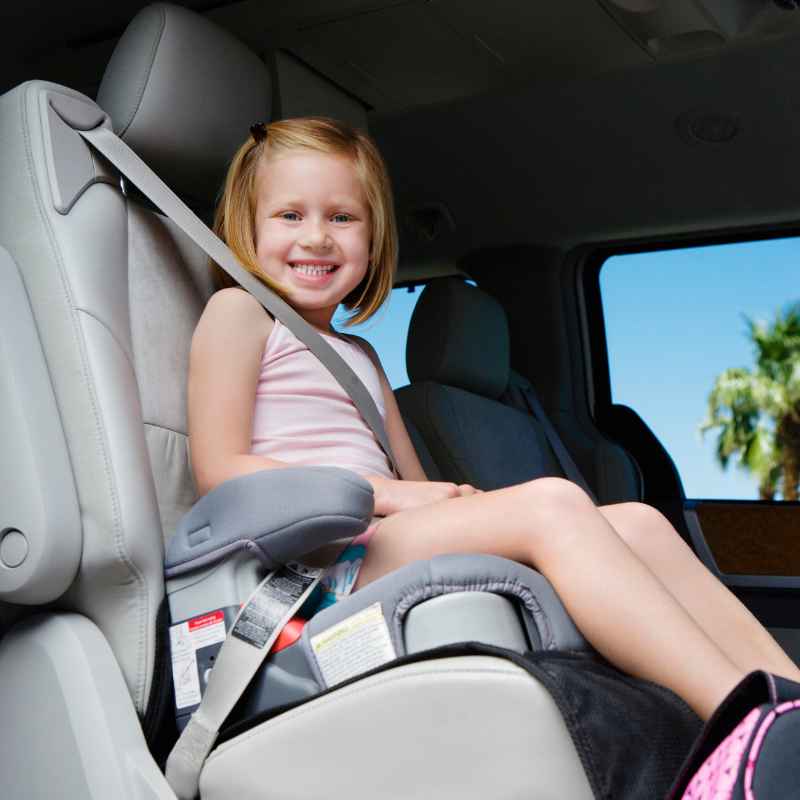
- Lap Belt: The lap belt should fit snugly across your child’s upper thighs and hips. It should NOT be on their stomach.
- Shoulder Belt: The shoulder belt should lie flat across the middle of your child’s chest.It should NOT be on their neck or falling off their shoulder.
Many Graco seats have colored belt guides. Use these guides. They help ensure the belt is in the correct position.
Step 7: Test the Fit
Have your child sit in the booster seat. Fasten the vehicle’s seat belt. Make sure it fits properly.
Adjust the belt guides if needed. Have your child try to sit up straight. Make sure they are comfortable and secure.
I remember the first time I converted my son’s Graco Nautilus. I had the manual open. I was a bit nervous.
Taking apart the harness seemed daunting. But the pictures in the manual were clear. I carefully unthreaded the straps.
I put them in a Ziploc bag. I stored it under the car seat. The seat then transformed.
It looked so different without the harness. It felt like a big step, but a good one.
Graco Seat Conversion Checklist
Before You Start:
- Read your Graco car seat manual thoroughly.
- Ensure the car is parked safely with the brake on.
During Conversion:
- Locate and release harness straps from the seat.
- Remove and store harness buckle and straps safely.
- Adjust headrest if your model requires it.
- Identify and use correct belt guides for booster mode.
After Conversion:
- Test the seat belt fit on your child.
- Ensure the belt is snug and across hips/chest.
- Have your child sit up straight and comfortably.
High-Back Booster vs. Backless Booster
Many Graco convertible seats offer both high-back and backless booster modes. Each has its benefits. Understanding the difference helps you choose what’s best for your child and vehicle.
High-Back Booster Mode
In this mode, the seat’s frame provides a back and head support. This is often the preferred mode for younger children transitioning to a booster.
- Extra Safety: The high back offers additional side impact protection.It also helps position the shoulder belt correctly across the chest.
- Head Support: It can provide head and neck support for sleeping children. This is great for longer car rides.
- Belt Positioning: The guides on the high-back frame are designed to keep the shoulder belt from going too high or too low.
This mode is generally recommended until your child is tall enough for the adult seat belt to fit them properly without any help. This usually means they can sit without slouching and the belt fits correctly on its own.
Backless Booster Mode
Once your child is older, taller, or more mature, you might transition to a backless booster. This is essentially a seat cushion. It lifts the child so the vehicle’s seat belt fits them correctly.
- Portability: Backless boosters are very lightweight and portable. They are easy to move between cars.
- Comfort: They can be more comfortable for some older children. They feel more like sitting in a regular car seat.
- Belt Guidance: They still have belt guides.These help position the lap and shoulder belts.
This mode is suitable when your child is mature enough to sit properly. They must be able to keep the seat belt positioned correctly on their own. The vehicle’s headrest might provide some head support.
Most Graco convertible seats start in high-back booster mode. Once your child meets certain height and maturity requirements, you can remove the back. This converts it into a backless booster.
Again, your manual will detail how to do this for your specific model.
I used the high-back booster mode for my daughter for a long time. She was a car sleeper. The headrest was a lifesaver.
It stopped her head from flopping around. Once she was around 7 and not sleeping as much, we tried the backless booster. It felt strange at first.
But she liked it. She said it felt more “grown up.” We made sure the belt still fit perfectly.
Booster Seat Safety Tips
Proper Belt Fit:
- Lap belt: Low across the upper thighs and hips.
- Shoulder belt: Across the chest, not touching the neck.
Child’s Behavior:
- Child must sit up straight for the entire ride.
- No slouching, no leaning, no playing with the belt.
Vehicle Compatibility:
- Ensure the vehicle seat belt works properly.
- The car’s headrest may assist in backless mode.
When to Use the Vehicle’s Seat Belt
Once your Graco seat is in booster mode, the car’s own seat belt becomes the safety restraint. It is vital to understand how to use it correctly. This is where the booster seat does its job.
The booster seat’s purpose is to position the vehicle’s seat belt for your child. The lap belt should rest on the bony hips. The shoulder belt should cross the chest and rest on the shoulder.
It should not touch the neck. It should not slide off the shoulder.
When your child is in the booster seat, you will guide the vehicle’s lap and shoulder belt through the designated belt guides. These guides are usually clearly marked on the seat. They might be clips or slots.
They ensure the belt stays in the correct position. This is key to the belt functioning as intended.
Do NOT use the car’s seat belt alone if your child is too small for it. A seat belt that is too high can cause internal injuries. A belt that is too loose offers little protection. The booster seat bridges this gap.
It makes the adult seat belt fit a child’s smaller body.
Even in booster mode, your child must sit properly. They should sit against the seat back. Their knees should bend comfortably at the edge of the seat.
Their feet should be able to rest on the floor or footrest. If they have to slouch to reach the seat belt, they are not ready for that position yet.
I learned this with my youngest. He was eager to use the “big kid belt.” But he was still a bit of a fidgeter. He’d often lean to the side to look out the window.
Or he’d try to lie down. We had to have a firm “sit up straight” rule. If he couldn’t, he stayed in the harness longer.
Safety always comes first. It’s better to be a bit behind in age than unsafe.
Always double-check the seat belt fit after your child is buckled. Give it a tug. Make sure it’s snug.
Ensure the shoulder belt is not twisted. A twisted belt can be less effective in a crash. It can also be uncomfortable.
Seat Belt Fit Test
Lap Belt Check:
- Should be low and snug across the upper thighs/hips.
- Not on the soft stomach area.
Shoulder Belt Check:
- Should lie flat across the middle of the chest.
- Not digging into the neck.
- Not falling off the shoulder.
Child’s Posture:
- Sitting up straight against the seat.
- Knees bent at edge of seat.
- Feet resting comfortably.
Real-World Scenarios: When the Conversion Might Not Be Straightforward
While most Graco seat conversions are smooth, some real-world situations can make it tricky. It’s good to be aware of these.
Scenario 1: The Missing Manual
What if you can’t find your Graco car seat manual? This is common. You can often find a digital copy on the Graco website.
Search for your specific model number. If you can’t find it there, you might have to rely on general guides. But proceed with caution.
Always try to find the official manual. It’s the most reliable source.
Scenario 2: Tight Vehicle Seat Belts
Some vehicles have very short seat belt retractors. This means the seat belt might not be long enough to buckle securely around the booster seat. This is especially true for high-back boosters.
If the belt is too short, the booster might not be installed properly. You might need to try a different seating position in your car. Or consider a backless booster, which often requires less belt length.
Scenario 3: Unusual Car Seat Designs
While Graco seats are generally well-designed, some older models or specific niche models might have unique harness removal systems. You might encounter a hidden button or a complex threading path. Again, the manual is your best friend here.
If you’re truly stuck, Graco customer service can often help.
Scenario 4: Child Refuses to Sit Properly
This is a behavioral issue, not a seat issue. Some children are very wiggly. They might unbuckle themselves or try to unbuckle the seat belt.
If your child is not mature enough to stay seated correctly, they may need to remain in a harnessed seat longer. Or you may need to have a very strict rule about sitting properly. This is a safety issue.
Never compromise on this.
Scenario 5: Booster Seats in Certain Vehicles
Some cars have bucket seats that curve inwards. Or they might have very high bolsters. This can make it difficult for a booster seat to sit flat and securely.
Or it can make it hard to get a good seat belt fit. Test the fit thoroughly. Ensure the booster is stable and the belt is positioned correctly.
I once helped a friend with her son’s booster. Her car had very sculpted seats. The backless booster kept sliding to the side.
We ended up using a small towel tucked around the sides. This helped keep it in place. It wasn’t ideal, but it worked.
It’s about finding what works safely in your specific car. Always prioritize a secure fit.
What This Means for You and Your Child
Transitioning your child to a booster seat is a significant step in their safety journey. It means they are growing up. It also means they need a different kind of protection.
When is this conversion normal and expected?
This conversion is completely normal and expected when your child meets the weight and height limits of their harnessed car seat. It’s a sign of healthy growth. It means you are staying up-to-date with their safety needs.
When should you worry or seek advice?
You should worry if:
- Your child has not yet reached the height or weight limits for the harness.
- You cannot achieve a proper seat belt fit even with the booster.
- Your child is too wiggly or immature to sit correctly in the booster.
- The booster seat feels unstable in your vehicle.
If any of these apply, don’t hesitate to seek advice. You can consult the car seat manufacturer (Graco) or a certified Child Passenger Safety Technician (CPST). They can offer personalized guidance.
Simple Checks You Can Do
Before every ride, do a quick check:
- Is the booster seat stable? Does it move more than one inch side-to-side?
- Is the lap belt low on the hips?
- Is the shoulder belt across the chest?
- Is your child sitting up straight?
These quick checks take seconds but are vital for safety.
Remember, the goal is always the safest ride possible. A booster seat is a bridge. It ensures the adult seat belt works correctly for your child’s body.
It’s a crucial stage before they are ready for the adult belt alone.
Quick Fixes and Tips for Booster Transition
Here are some helpful tips to make the transition to a booster seat smoother for both you and your child.
Tip 1: Involve Your Child
Talk about the change. Explain why they are moving to a booster. Let them help choose a cover if possible (check manual for approved accessories).
Making them feel part of the decision can reduce anxiety.
Tip 2: Practice Seat Belt Fit
Before you start driving, have your child practice sitting in the booster. Show them how the belt should feel. Let them practice buckling and unbuckling themselves (if they can do it safely).
Tip 3: Use Belt Guides Wisely
Pay close attention to your Graco seat’s belt guides. They are there for a reason. Ensure the vehicle’s seat belt is threaded through them correctly.
This ensures the belt stays in the proper position.
Tip 4: Keep the Manual Handy
Even if you’ve converted it once, keep the manual somewhere safe. You might need to re-adjust or re-convert it later. Having the manual makes things much easier.
Tip 5: Consider a Seat Belt Adjuster Strap
If the shoulder belt consistently rides too high on your child’s neck, a purpose-made seat belt adjuster strap can help. These are approved by some safety organizations. Always check for safety certification.
Tip 6: Reward Good Sitting Habits
When your child remembers to sit up straight and keep the belt in place, acknowledge it! Positive reinforcement can go a long way. Praise them for their good choices.
My daughter used to struggle with keeping the shoulder belt off her neck. We found a small fabric clip designed for this. It attached to the shoulder strap of the seat belt.
It gently guided the belt down. It made a huge difference. Always look for certified products.
Never use makeshift solutions that could be unsafe.
Frequent Questions About Changing Graco Car Seats to Boosters
How To Change A Graco Car Seat Into A Booster Seat Easy
Not all Graco car seats convert to booster seats. Typically, only convertible car seats and combination seats are designed to do this. Infant car seats and some basic forward-facing car seats do not convert to booster mode.
Always check your specific Graco model’s features and manual to confirm.
What age is best for a Graco booster seat?
The best age for a Graco booster seat depends on the child’s size and maturity, not just their age. Most children are ready when they outgrow the harness of their forward-facing car seat. This is often between 4 and 8 years old.
However, the child must be able to sit properly in the booster for the entire ride.
Can I remove the harness completely from my Graco seat?
Yes, when converting to booster mode, you will need to remove the harness. The method for removal varies by model. You’ll typically unthread the harness straps from the seat’s frame and store the buckle and straps safely.
Your Graco car seat manual will have exact instructions.
How do I know if the seat belt is positioned correctly on my child?
The lap belt should lie low and snug across your child’s upper thighs and hips. The shoulder belt should lie flat across the middle of your child’s chest, not touching their neck or sliding off their shoulder. Use the belt guides on the booster seat to help position the belt correctly.
What if my Graco seat doesn’t have a high-back booster option?
Some Graco convertible seats only convert to a backless booster. This is perfectly fine if your child meets the maturity requirements and the vehicle’s seat belt fits them properly without a high back. The key is always proper belt positioning and the child’s ability to sit correctly.
Can I use my Graco booster seat without the vehicle’s headrest?
If you are using the high-back booster mode, the vehicle’s headrest might interfere with proper installation or fit. Some Graco seats are designed to work with or without certain headrest configurations. Always refer to your Graco car seat manual and your vehicle’s owner’s manual.
If the headrest prevents a secure fit or proper belt positioning, it may need to be removed or adjusted.
Conclusion
Changing your Graco car seat to a booster mode is a natural progression. It ensures your child continues to ride safely as they grow. Always prioritize your seat’s manual.
This guide provides general steps. Your specific model’s instructions are the ultimate authority. Enjoy this new stage of safe travels with your child!
Products related to this article
Sponsored / affiliate links. As an Amazon Associate I earn from qualifying purchases. I may earn additional commission from eligible campaigns.
 Universal Child Car Seat Chest Harness Clip – Kids Seat Belt Adjuster & Anti Escape Buckle Guard, Child Safety Car Seat Belt Lock Clip, Toddler Seatbelt Locking Clip for Stroller & Booster (Gray)
 Seat Belt Covers for Kids, 2 in 1 Car Seat Strap Covers & Auto Seatbelt Pillow for Kids nap, Car Travel Pillow & Strap Pads Cushion for headrest, Neck/Shoulder Support, fit Child, Adult, Grey;