How to Start a Car With a Locked Steering Wheel (Quick Fix)
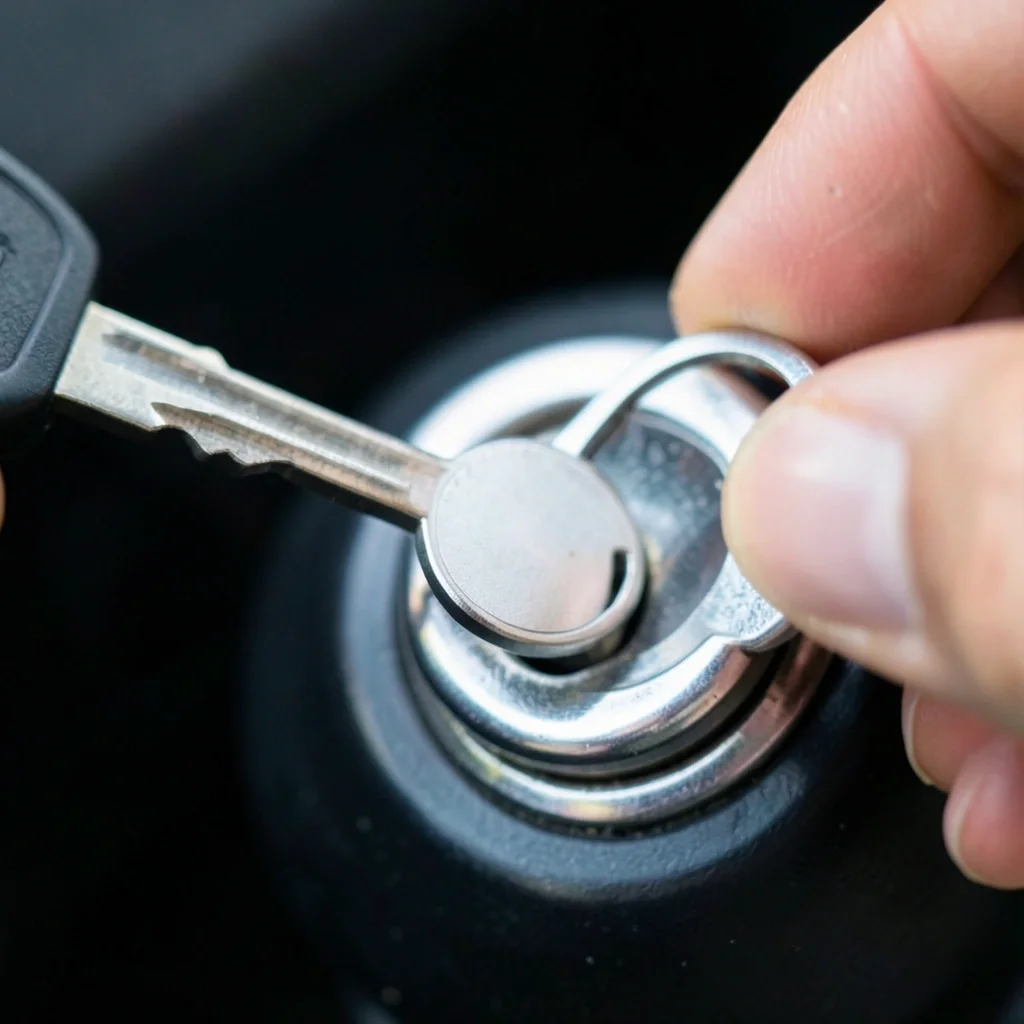
Turn the key while gently rocking the steering wheel left and right, applying light pressure in the direction it wants to turn. This releases the lock pin so the ignition can rotate and the engine can start. It works on the vast majority of cars with a physical key.
A steering wheel that suddenly won’t move, paired with a key that won’t turn, almost always means the steering wheel lock has engaged — not that something is actually broken. It’s a built-in anti-theft feature, not a malfunction, and it usually takes only a few seconds of gentle wiggling to release. Below is exactly how to do it, why it happens, what’s different if your car has push-button start instead of a key, and when the fix genuinely calls for a mechanic instead of more wiggling.
Quick Answer
Insert the key, put light pressure on the steering wheel in whichever direction it feels stuck, and turn the key while gently rocking the wheel side to side. The lock pin will release with a small click, and the key will turn normally. Never force the wheel or the key — forcing it can snap a key or damage the lock cylinder.
Why Does the Steering Wheel Lock in the First Place?
Stuck Lock Fix
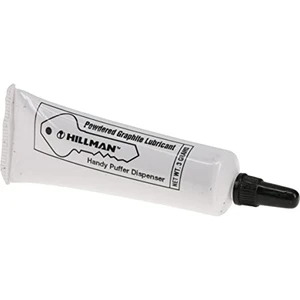 |
Hillman Graphite Powder Lock Lubricant – $6.92 If the key turns stiffly even after the steering lock releases, a puff of dry graphite into the keyway can fix a gritty ignition cylinder without attracting dirt the way oil-based sprays do.
|
The steering wheel lock is a federally required anti-theft feature, not a defect. In the US, Federal Motor Vehicle Safety Standard 114 requires that removing the key prevent either the steering or the vehicle’s forward movement — that’s the rule automakers are satisfying when they build a wheel that locks the moment the key comes out. A spring-loaded pin inside the steering column drops into a groove on the steering shaft as soon as the wheel is turned even slightly with no key in the ignition.
It’s most likely to catch when you park with the wheels turned, or when the wheel gets bumped or leaned on after you’ve already pulled the key. Because the pin is under spring tension against the shaft, it also puts a small amount of pressure directly on the ignition cylinder — that’s why the key feels frozen instead of just difficult.
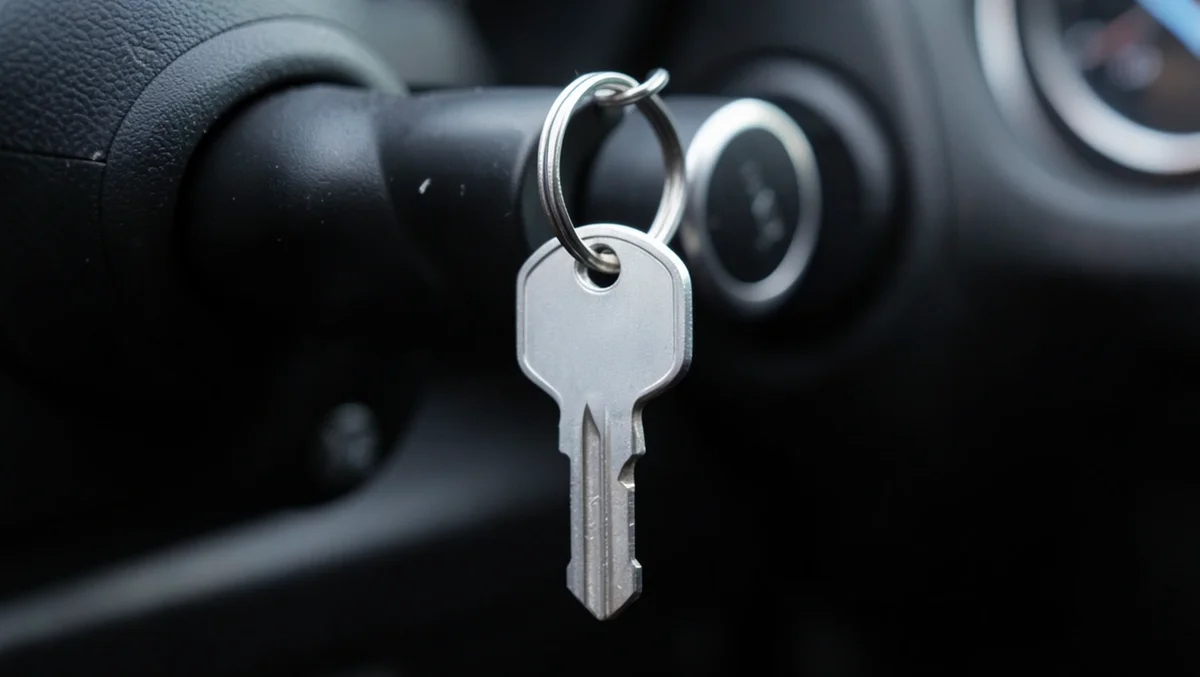
How to Start a Car With a Locked Steering Wheel
This is the same basic technique for nearly every car with a traditional key, whether it’s a sedan, an SUV, or an older truck:
- Make sure the transmission is in Park (automatic) and your foot is on the brake pedal, since most cars won’t let the starter engage otherwise.
- Insert the key fully into the ignition. A key that’s only halfway in won’t release the lock pin.
- Grip the steering wheel and apply light, steady pressure in the direction it feels like it wants to turn — don’t yank it.
- While holding that light pressure, turn the key toward “start.” If nothing happens, gently rock the wheel a small amount left and right while still turning the key.
- You’ll usually feel or hear a small click as the pin releases. Once it does, the key turns freely and the car starts as normal.
- If it still won’t budge after several tries, stop forcing it. Continued force can bend or snap the key, or damage the lock cylinder itself — at that point it’s worth trying a spare key first, then calling a mechanic or locksmith if the spare doesn’t help either.
Does This Work the Same Way on Push-Button Start Cars?
Not exactly. Many modern cars with a push-button start and a key fob don’t use the same spring-loaded mechanical pin — they use an electronic steering lock (ESL), a small motorized pin that only retracts once the car’s computer confirms the correct fob is present. If the wheel is locked and the dashboard shows a message like “key not detected” or a steering-lock warning, the issue usually isn’t the wheel at all.
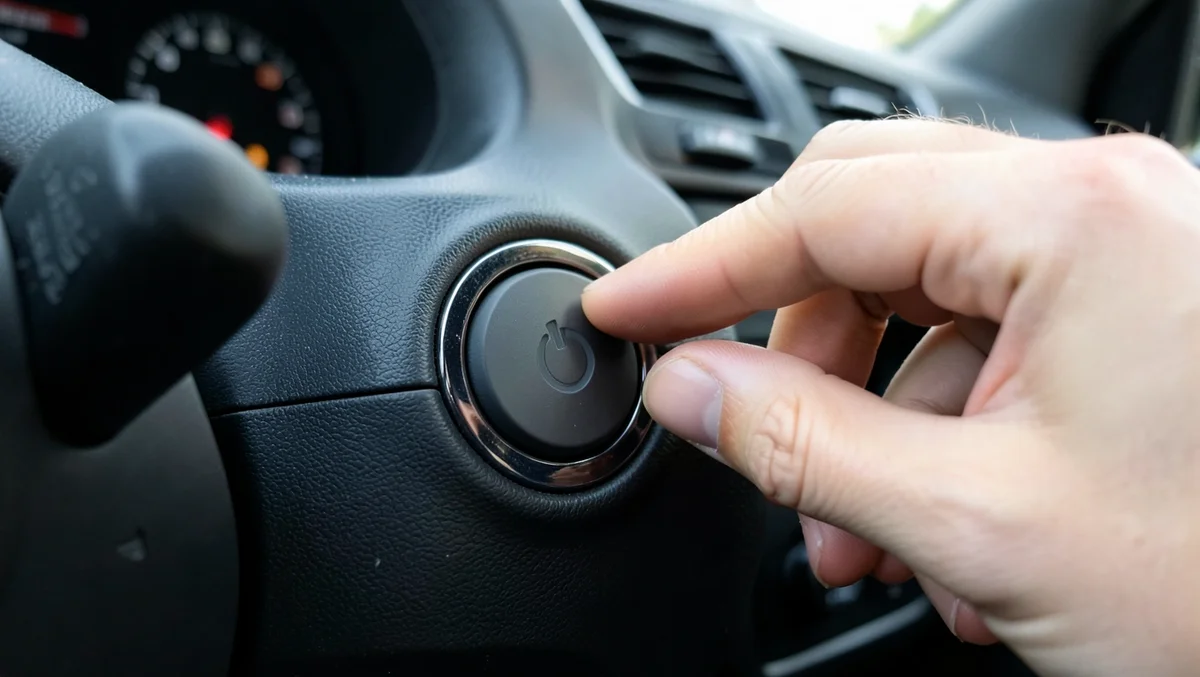
Before assuming the worst, try these in order:
- Replace the fob’s battery (usually a CR2032 or CR2025) — a weak fob is the single most common cause of a “key not detected” steering lock error, since a low battery can transmit a weaker signal than the car needs to confirm the fob.
- Hold the fob directly against the start button (or the spot the manual specifies) while pressing brake and start — this lets the car read the fob’s backup RFID chip even if the battery is dead.
- Check for interference: other phones, fobs, or metal objects near the ignition area can sometimes block the signal.
If none of that works, the ESL motor itself may have failed — a known issue on certain model years from several automakers. That’s a repair for a dealer, locksmith, or specialist, not something to force through at home. If your dashboard has a separate blinking anti-theft or immobilizer light rather than a steering-lock message, see our guide on what a blinking anti-theft light means and why your car won’t start — it’s a related but different fault.
Common Causes of a Locked Steering Wheel
Most of the time it’s simply mechanical, not a sign of a bigger problem:
- The wheel was turned after the key came out. Even a small amount of movement, like the wheel settling or being bumped while parked, is enough to engage the pin.
- Parking on a slope or curb with the wheels turned puts extra pressure on the lock pin, making it feel especially stubborn.
- A worn or damaged key can struggle to fully seat in the cylinder, which prevents the pin from retracting even with the right wiggling technique.
- A gritty or worn ignition switch can make the key hard to turn even after the steering lock itself has released — that’s a separate problem from the wheel lock, and lubricant or a locksmith visit may be needed.
If the key won’t turn even when the wheel is clearly free to move, the steering lock probably isn’t the issue at all — see our full breakdown of why a car key won’t turn in the ignition for the other common culprits, including a worn key and a failing lock cylinder.
Preventing It From Happening Again
A few small habits make this far less likely to happen next time:
- Straighten the wheels before you shut the car off and remove the key, especially when parking on a hill or against a curb.
- Avoid leaning on the wheel or bumping it while getting out of the car.
- Keep a spare key in good condition. A worn primary key is one of the most common reasons the release technique stops working reliably.
- If you use an aftermarket anti-theft steering wheel lock for extra security when parked in high-risk areas, make sure it’s fully removed before you try to start the car — see our picks for the best anti-theft steering wheel locks if you’re shopping for one.
Frequently Asked Questions
How Do I Start My Car When the Steering Wheel Is Locked?
Insert the key fully, put light pressure on the steering wheel in the direction it feels stuck, and turn the key while gently rocking the wheel left and right. The lock pin releases with a small click, and the car starts normally from there. Keep your foot on the brake for automatic transmissions.
Why Won’t My Car Start When the Steering Wheel Is Locked?
The engine itself isn’t the problem — the key physically can’t turn because a spring-loaded pin in the steering column is pressing against the ignition cylinder. Once you release the steering lock by turning the key while gently moving the wheel, the ignition works exactly as it did before.
Can a Steering Wheel Lock Stop a Car From Starting?
Yes. It’s a required anti-theft feature, and by design it prevents the ignition key from turning until the lock releases. This is intentional — it’s meant to stop someone from steering a car away without the correct key, and releasing it just takes a gentle wiggle of the wheel while turning the key.
Why Does My Car Show a Key Error When the Steering Lock Is Active?
This points to a push-button start car with an electronic steering lock rather than a traditional mechanical one. The most common cause is a weak key fob battery — the car isn’t confirming the fob strongly enough to release the lock. Replace the fob battery, or hold the fob directly against the start button as a temporary workaround, then have the fob battery replaced properly.
My Steering Wheel Lock Won’t Release — What Should I Check Next?
Try a spare key first, since a worn or bent primary key can prevent the pin from retracting even with correct technique. If a spare key doesn’t help either, or you hear grinding rather than a clean click, stop forcing it — that usually means the ignition switch or lock cylinder needs a mechanic or locksmith rather than more wiggling.
I Drilled Out My Steering Lock and Now the Car Won’t Start — Why?
Drilling out a jammed lock cylinder often destroys more than just the lock pin — on many ignition designs, the same cylinder carries the electrical contacts that send power to the starter and fuel system when you turn the key. If those contacts are damaged or misaligned, the engine won’t crank even though the wheel now spins freely. At that point, the fix is usually a replacement ignition switch and lock cylinder assembly installed by a locksmith or mechanic, not a repair you can wiggle your way past.
Bottom Line
A locked steering wheel is almost always a quick fix: turn the key while gently rocking the wheel, and it releases in a few seconds. Stay patient, never force it, and if it’s a push-button start car, check the fob battery before assuming anything is actually broken. Save a call to a mechanic for the cases where the key still won’t turn with a good spare, or where the wheel released but the engine still won’t crank.
Products related to this article
Sponsored / affiliate links. As an Amazon Associate I earn from qualifying purchases. I may earn additional commission from eligible campaigns.